
If you want your hob filter to work at its best, choosing the right filter cartridge is key. The right cartridge keeps your kitchen air fresh and your cooking space clean.
But with so many options out there, how do you know which one suits your needs? This guide will help you understand everything about filter cartridges for hob filters, so you can make the best choice for your home. Keep reading to discover how the right filter can transform your cooking experience.
Types Of Filter Cartridges
Filter cartridges are essential parts of hob filters. They help clean water by removing dirt and impurities. Different types of cartridges suit different needs and water qualities.
Choosing the right cartridge improves water taste and protects your appliances. Below are common types of filter cartridges used in hob filters.
String Wound Cartridges
String wound cartridges are made by tightly winding a string around a core. This creates layers that trap dirt and particles. They are good for removing large sediments and rust.
These cartridges are strong and cost-effective. They work well in homes with high sediment levels in water.
Pleated Cartridges
Pleated cartridges have folded filter material to increase surface area. They capture fine particles better than string wound cartridges. Pleated filters last longer and need less frequent changing.
- High dirt holding capacity
- Good for fine sediments
- Reusable in some cases
- Works with low to high flow rates
Activated Carbon Cartridges
Activated carbon cartridges remove odors, chlorine, and chemicals from water. They improve taste and smell by absorbing impurities. These cartridges are often used after sediment filters.
| Feature | Benefit |
|---|---|
| Chlorine Removal | Better water taste and smell |
| Chemical Absorption | Reduces harmful substances |
| Odor Control | Makes water fresher |
| Filter Life | Usually 3-6 months |
Ceramic Cartridges
Ceramic cartridges use tiny pores to block bacteria and sediments. They provide clean and safe water without chemicals. These filters are durable and can be cleaned and reused many times.
- Blocks bacteria and cysts
- Long-lasting and washable
- Good for well or river water
- Requires gentle cleaning
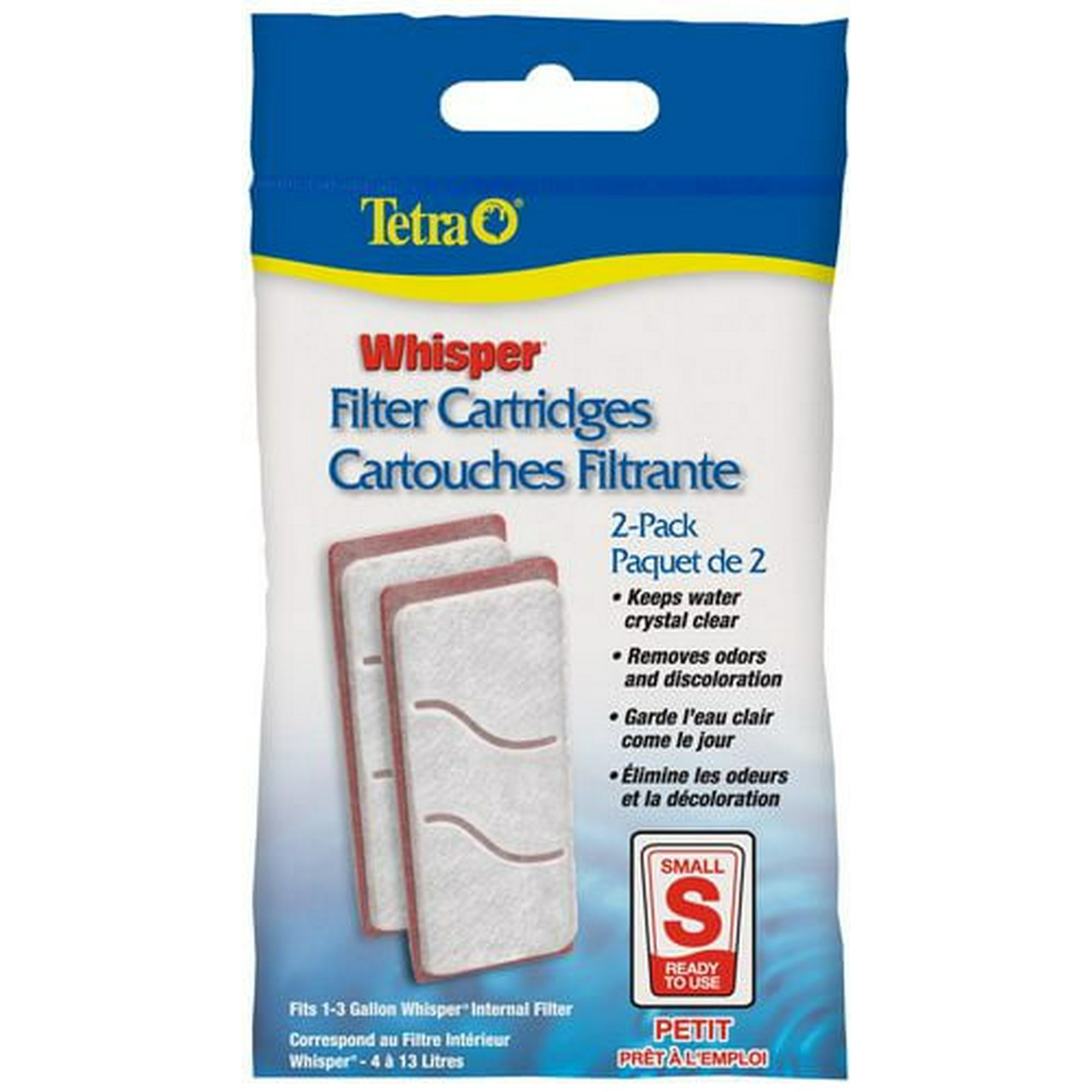
Credit: www.walmart.ca
Materials And Construction
Filter cartridges for hob filters are made using different materials. These materials affect how well the filter works and how long it lasts.
Good construction ensures the filter removes dirt and particles effectively. It also keeps the filter strong during use.
Polypropylene Features
Polypropylene is a common material in filter cartridges. It is strong and does not break down easily in water.
This material resists chemicals and heat well. It traps dirt and particles while allowing water to flow through.
- High chemical resistance
- Good heat tolerance
- Durable and long-lasting
- Effective particle removal
Cellulose Benefits
Cellulose is a natural material used in some filter cartridges. It comes from plant fibers and is good at trapping small particles.
It is affordable and helps improve water taste by reducing impurities. Cellulose filters work well for light to medium dirt levels.
- Made from natural fibers
- Good for fine particle removal
- Cost-effective option
- Improves water clarity and taste
Carbon Block Properties
Carbon block filters use compressed carbon granules. This construction removes chlorine and bad smells from water.
The block design gives more contact time with water. It improves filtration and reduces many chemicals and impurities.
- Removes chlorine taste and odor
- Reduces chemicals and impurities
- Dense structure for better filtering
- Improves water quality and safety
Choosing The Right Cartridge
Selecting the correct filter cartridge is key for hob filters. The right cartridge keeps water clean and protects your system.
This guide helps you understand important factors to consider before buying a cartridge.
Water Quality Assessment
Check the water quality before choosing a cartridge. Different impurities need different filters.
Knowing the water’s condition helps pick a cartridge that removes the right particles.
- Test for sediment, dirt, and rust
- Check for chemicals and odors
- Measure hardness and pH level
Flow Rate Requirements
Find out the flow rate your filter must handle. The cartridge should match this rate.
Too low flow rate causes slow water flow. Too high can damage the cartridge.
- Check the filter’s maximum flow rate
- Match cartridge capacity to water use
- Consider peak water demands
Micron Rating Importance
The micron rating shows how small particles the cartridge removes. Lower micron means finer filtration.
Choose a rating that fits your water needs without blocking flow too much.
- 10 microns for large particles
- 5 microns for smaller dirt and rust
- 1 micron or less for fine sediment

Credit: www.amazon.com
Installation Tips
Installing filter cartridges correctly ensures your hob filter works well. Following simple steps helps avoid problems and keeps water clean.
This guide covers proper cartridge placement, sealing, and maintenance scheduling for best results.
Proper Cartridge Placement
Place the filter cartridge firmly inside the hob filter housing. Make sure it fits snugly without forcing it.
- Check the cartridge orientation before insertion.
- Align the cartridge with the filter housing grooves.
- Do not tilt or angle the cartridge during installation.
- Ensure the cartridge sits flat at the bottom of the housing.
Sealing And Leak Prevention
Proper sealing stops leaks and keeps the filter working well. Inspect seals and gaskets before installation.
| Seal Type | Check | Action |
| O-Ring | Look for cracks or dryness | Replace if damaged |
| Gasket | Ensure it is clean and pliable | Clean or replace if stiff |
| Housing Threads | Remove dirt or debris | Wipe with a clean cloth |
Maintenance Scheduling
Regular maintenance keeps your filter effective. Set a schedule for checking and replacing cartridges.
- Inspect the filter cartridge every 2 months.
- Replace the cartridge every 6 months or as recommended.
- Clean the hob filter housing during each cartridge change.
- Record maintenance dates to track replacements.
Extending Cartridge Lifespan
Filter cartridges for hob filters need care to last longer. Proper maintenance saves money and keeps water clean.
There are simple ways to extend the life of your cartridges. Following good practices helps avoid early replacement.
Regular Flushing
Flushing the filter cartridge regularly removes trapped particles. This prevents clogging and keeps water flow steady.
Flush the cartridge with clean water after each use or at set intervals. This keeps the filter working well for longer.
- Use clean water for flushing
- Flush gently to avoid damage
- Set a regular flushing schedule
Pre-filtration Options
Adding a pre-filter helps catch large dirt before the cartridge. This lowers the load on the main filter.
Pre-filters protect cartridges from quick wear. They keep the main filter cleaner and last longer.
- Install mesh screens or sediment filters
- Check and clean pre-filters often
- Choose pre-filters matching your water type
Storage And Handling
Store filter cartridges in a dry, cool place. Keep them away from dust and sunlight to avoid damage.
Handle cartridges carefully to prevent cracks or breaks. Proper storage keeps them ready for use and extends life.
- Use sealed bags or containers for storage
- Avoid dropping or bending cartridges
- Keep cartridges away from chemicals and heat
Troubleshooting Common Issues
Filter cartridges in hob filters can face various issues. Knowing how to troubleshoot these problems is important for maintaining a healthy aquarium.
Here are some common issues you might encounter and how to address them effectively.
Reduced Water Flow
Reduced water flow is a common problem with filter cartridges. It often happens when the cartridge becomes clogged with debris.
Check the cartridge regularly for blockages. Cleaning or replacing the cartridge can solve the issue.
- Inspect the cartridge weekly
- Rinse under clean water to remove debris
- Replace if necessary
Unusual Odors Or Taste
Sometimes, water may develop an unusual odor or taste. This can be due to bacteria build-up in the filter cartridge.
To fix this, ensure the cartridge is clean. Regular cleaning helps prevent bacteria growth.
- Replace the cartridge every four weeks
- Use activated carbon to absorb odors
- Maintain a clean tank environment
Cartridge Damage Signs
Cartridges can show signs of damage over time. Look for tears or cracks in the material.
Damaged cartridges cannot filter water properly. Replace them immediately to ensure effective filtration.
- Inspect for visible tears or holes
- Avoid using damaged cartridges
- Keep spare cartridges on hand
Benefits Of Clean Water Efficiency
Clean water is essential for good health and well-being. Filter cartridges for hob filters help ensure water remains pure and free from impurities.
These cartridges are vital for maintaining water efficiency, leading to numerous benefits for health, appliances, and the environment.
Health Advantages
Filtered water reduces exposure to contaminants and supports better health. Drinking clean water is crucial for hydration and overall wellness.
- Reduces risk of waterborne diseases
- Improves taste and clarity of water
- Supports digestion and nutrient absorption
Appliance Longevity
Using filter cartridges helps protect home appliances. This can increase their lifespan and efficiency. Clean water reduces wear on appliances.
| Appliance | Benefit |
| Coffee Maker | Prevents scale buildup |
| Dishwasher | Improves cleaning efficiency |
| Water Heater | Enhances energy efficiency |
Environmental Impact
Using filter cartridges for hob filters is eco-friendly. They reduce the need for bottled water, which decreases plastic waste.

Credit: theplecofeeder.com
Frequently Asked Questions
What Are Filter Cartridges For Hob Filters?
Filter cartridges for Hob filters are replaceable elements. They trap dirt, debris, and impurities in the filtration system. These cartridges ensure cleaner water or air, enhancing the filter’s efficiency and lifespan.
How Often Should Filter Cartridges Be Replaced?
Replace filter cartridges every 3 to 6 months, depending on usage. Heavy use or high contamination may require more frequent changes. Regular replacement maintains optimal filtration performance and prevents clogging.
What Materials Are Used In Hob Filter Cartridges?
Hob filter cartridges commonly use materials like activated carbon, polyester, and cellulose. These materials effectively capture particles and contaminants. The choice depends on the specific filtration needs of the Hob filter.
Can I Clean And Reuse Filter Cartridges?
Most Hob filter cartridges are designed for single use and should be replaced. Cleaning can damage the filter media and reduce efficiency. Always follow manufacturer guidelines for cartridge maintenance.
Conclusion
Choosing the right filter cartridges keeps hob filters working well. Clean water means better taste and safer cooking. Replace cartridges regularly to avoid clogs and damage. Simple steps protect your filter and save money. Good maintenance helps your kitchen run smoothly.
Trust quality cartridges for lasting performance. Easy to use, easy to maintain. Keep your hob filter clean, and enjoy fresh water every day.