
Are you ready to create a beautiful underwater world right in your home? Setting up a freshwater aquarium can be a relaxing and rewarding hobby, but starting out might feel overwhelming.
You might wonder which fish to choose, what equipment you need, or how to keep everything healthy and balanced. Don’t worry—this guide is made just for you. By the end, you’ll have a clear, simple plan to build your perfect freshwater aquarium.
Let’s dive in and make your aquarium dreams come true!
Choosing The Right Tank
Picking the right tank is the first step to a healthy freshwater aquarium. The tank size, material, and placement affect your fish’s well-being.
Learn how to select a tank that fits your space, budget, and fish needs. This guide covers tank sizes, materials, and where to place your tank.
Tank Sizes For Beginners
Small tanks are easy to handle but need more care. Larger tanks are stable but cost more. Choose a size based on your space and fish type.
- 5 to 10 gallons: Good for small fish and tight spaces
- 20 to 30 gallons: Offers more room and stability
- 50 gallons or more: Best for a diverse fish community
Material Options
Most tanks are made from glass or acrylic. Each material has pros and cons for beginners.
| Material | Pros | Cons |
| Glass | Scratch-resistant, clear view | Heavy, can break easily |
| Acrylic | Lightweight, strong, easy to shape | Scratches easily, may yellow over time |
Placement Tips
Where you place your tank matters for fish health and tank care. Avoid spots with direct sunlight or heavy foot traffic.
Use this checklist before setting your tank:
- Find a sturdy, level surface that can hold the tank’s weight.
- Keep the tank away from windows to reduce algae growth.
- Place near power outlets for filters and lights.
- Avoid noisy or vibrating areas to reduce fish stress.
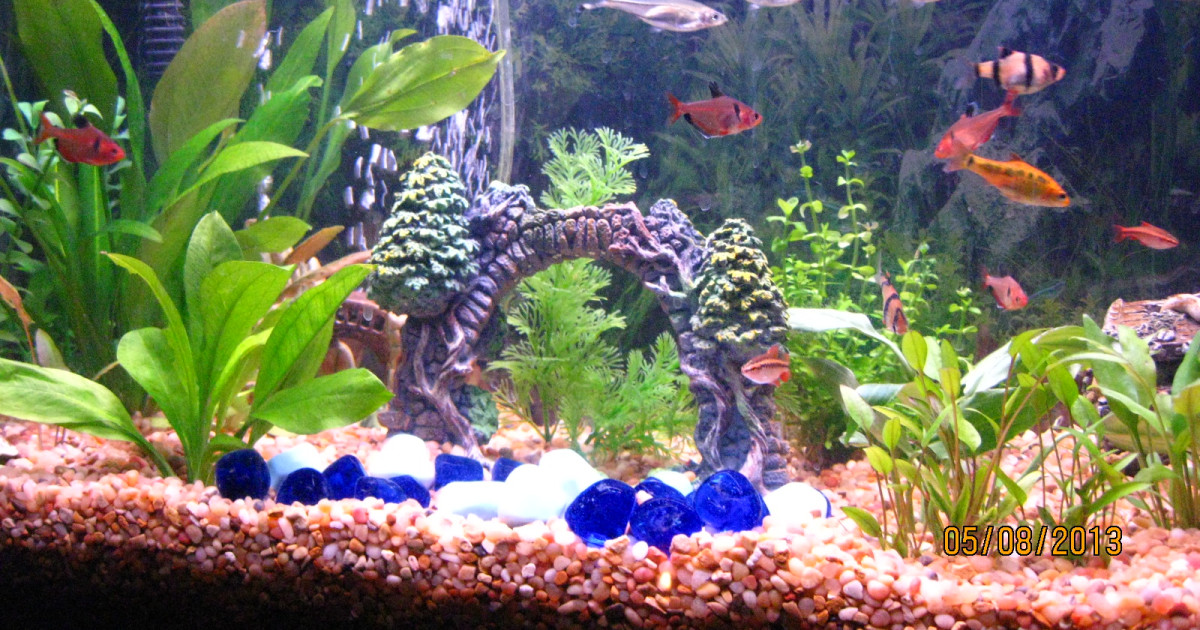
Credit: pethelpful.com
Essential Equipment
Setting up a freshwater aquarium needs the right tools. Good equipment keeps fish healthy and water clean.
This guide covers filters, lighting, heaters, and thermometers. Each plays a key role in your tank’s success.
Filters And Pumps
Filters clean the water by removing dirt and waste. Pumps help move water through the filter for better cleaning.
- Choose a filter that fits your tank size.
- Use a pump to keep water flowing well.
- Check and clean filters regularly.
- Look for filters with mechanical, chemical, and biological stages.
Lighting Choices
Lighting helps plants grow and shows your fish’s true colors. Too much or too little light can harm your tank.
| Type | Use | Duration per Day |
| LED | Energy efficient, bright | 8-10 hours |
| Fluorescent | Good for plants | 8-12 hours |
| Incandescent | Not recommended | Less than 8 hours |
Heaters And Thermometers
Heaters keep water at the right temperature. Thermometers help you check that temperature every day.
- Choose a heater that fits your tank size.
- Place the heater near water flow for even heat.
- Use a reliable thermometer to monitor temperature.
- Keep water between 74°F and 78°F for most tropical fish.
Selecting Substrate And Decorations
Setting up a freshwater aquarium needs careful choice of substrate and decorations. These elements help create a healthy and attractive home for your fish.
Choosing the right materials supports fish health and makes the tank look natural. This guide covers important options for beginners.
Types Of Substrate
Substrate is the material that covers the bottom of the aquarium. It affects water quality and plant growth. Pick a substrate that fits your fish and plants.
- Gravel: Easy to clean and good for most fish
- Sand: Soft and natural for bottom fish
- Aquarium soil: Rich in nutrients for plants
- Crushed coral: Raises water hardness for specific fish
Adding Plants And Rocks
Plants and rocks improve the tank’s look and provide shelter. Live plants also help keep water clean by absorbing waste.
Choose plants that match your tank size and light. Use rocks to create natural shapes and add interest.
- Easy plants: Java fern, Anubias, and moss balls
- Use smooth rocks to avoid fish injuries
- Arrange decorations to allow swimming space
Creating Hiding Spots
Fish feel safer with places to hide. Hiding spots reduce stress and encourage natural behavior.
Add caves, tunnels, or dense plants to give shelter. Use decorations that fit your tank size and fish type.
- Use commercial aquarium caves or make your own
- Dense plants like Java moss create natural cover
- Avoid sharp edges to protect fish
Water Preparation And Cycling
Setting up a freshwater aquarium needs clean and safe water. Proper water preparation is key to fish health.
Cycling the aquarium helps create a natural environment. It builds good bacteria that keep water safe.
Conditioning Tap Water
Tap water has chemicals that can harm fish. Use a water conditioner to remove chlorine and chloramine.
Conditioned water is safe for fish and helps keep beneficial bacteria alive in your tank.
- Use water conditioner before adding water to the tank
- Follow the instructions on the conditioner bottle
- Conditioned water protects fish gills and skin
The Nitrogen Cycle
The nitrogen cycle changes fish waste into less harmful substances. This keeps the aquarium safe.
Good bacteria turn ammonia into nitrites, then into nitrates. Nitrates are less toxic and plants use them.
- Ammonia comes from fish waste and uneaten food
- Nitrites are toxic but are quickly changed by bacteria
- Nitrates are safe in low levels and removed by water changes
Testing Water Parameters
Testing water helps you keep fish healthy. It shows if ammonia, nitrite, and nitrate levels are safe.
Use test kits to check water before adding fish. Test regularly to catch problems early.
- Test ammonia to make sure it is zero
- Check nitrite levels; they should be zero
- Keep nitrate levels low with regular water changes
- Also test pH and hardness for your fish species
Picking Beginner-friendly Fish
Starting a freshwater aquarium can be exciting. Choosing the right fish is important for beginners. Some fish are easier to care for than others.
Beginner-friendly fish are hardy and adjust well to new environments. They require less maintenance and thrive in a simple setup.
Popular Species
Some fish are perfect for beginners. They are easy to find and care for.
- Betta Fish: Known for bright colors and easy care.
- Guppies: Small, colorful, and friendly.
- Zebra Danios: Hardy and active swimmers.
- Neon Tetras: Peaceful and beautiful in groups.
- Platies: Adaptable and available in many colors.
Compatibility Guidelines
Fish need to get along in the same tank. Choose species that are peaceful and similar in size.
Some fish prefer different water conditions. Make sure all your fish like the same temperature and pH level.
- Avoid aggressive species with peaceful ones.
- Research each fish’s needs before buying.
- Keep schooling fish in groups of at least six.
- Provide hiding spots for shy fish.
Feeding Basics
Feeding fish properly is key to their health. Overfeeding can harm water quality.
Most beginner fish eat flake food. You can also give them frozen or live food for variety.
- Feed small amounts once or twice a day.
- Remove uneaten food after a few minutes.
- Offer a balanced diet with protein and plant matter.
- Observe fish eating to ensure all get food.

Credit: www.reddit.com
Maintaining Your Aquarium
Maintaining a freshwater aquarium is crucial for the health of your fish. Good care ensures a clean and balanced environment.
Here are some key tasks you should regularly perform to keep your aquarium in top condition.
Regular Cleaning Routines
Cleaning your aquarium is essential to remove waste and prevent algae growth. A clean tank helps your fish stay healthy.
Focus on cleaning the glass, substrate, and decorations. This keeps your tank looking nice and provides a good environment for fish.
- Use a scrubber to clean the glass walls weekly
- Vacuum the substrate to remove debris
- Rinse decorations to eliminate algae
Water Changes
Regular water changes are vital for a healthy aquarium. They help maintain water quality by removing toxins and replenishing nutrients.
Change about 10-15% of the water every week. This keeps the water fresh and safe for your fish.
- Use a siphon to remove old water
- Add treated water to the tank
- Ensure the new water matches the tank temperature
Monitoring Fish Health
Observing your fish is important to detect health issues early. Healthy fish are active and have bright colors.
Watch for signs of stress or illness. Quick action can prevent problems from getting worse.
- Check for changes in behavior or appetite
- Look for spots or unusual marks
- Ensure fish are not gasping at the surface
Troubleshooting Common Issues
Setting up a freshwater aquarium is exciting but can come with problems. Knowing how to fix common issues helps your fish stay healthy. This guide covers algae control, disease prevention, and equipment failures.
Each problem needs a clear solution. Use these tips to keep your aquarium clean and running smoothly.
Algae Control
Algae often grow in tanks due to too much light or excess nutrients. Small amounts are normal but large growth looks bad and harms fish.
- Limit light to 8-10 hours daily.
- Do regular water changes to remove nutrients.
- Do not overfeed fish; excess food feeds algae.
- Add algae-eating fish like snails or plecos.
- Clean tank walls and decorations weekly.
Disease Prevention
Fish diseases spread fast and can kill your pets. Keep the tank clean and watch fish daily for signs of illness.
| Symptom | Possible Cause | Action |
| White spots on fish | Ich parasite | Raise water temperature slightly and treat with medicine |
| Red sores or patches | Bacterial infection | Isolate fish and use antibacterial treatment |
| Clamped fins | Stress or poor water | Test water and improve conditions |
Always quarantine new fish for two weeks before adding them to the main tank. This stops diseases from spreading.
Equipment Failures
Equipment like filters and heaters can stop working. This may cause water problems or unsafe temperatures.
Check these equipment tips:
- Test heater temperature with a thermometer often.
- Clean or replace filter media monthly.
- Listen for strange noises from pumps or air stones.
- Keep spare bulbs and parts for lighting.
- Use a battery backup for air pumps during power outages.

Credit: www.youtube.com
Frequently Asked Questions
What Equipment Is Essential For A Beginner Freshwater Aquarium?
A beginner needs a tank, filter, heater, lighting, and substrate. These provide a healthy environment for fish. Proper equipment ensures water quality and fish comfort.
How Do I Cycle A Freshwater Aquarium Properly?
Cycling establishes beneficial bacteria to break down waste. It takes 4-6 weeks. Test water regularly for ammonia, nitrites, and nitrates levels. Patience is key to a successful cycle.
Which Fish Species Are Best For Beginners?
Betta fish, guppies, tetras, and mollies are ideal. They are hardy, easy to care for, and adapt well to new tanks. Choose species compatible with your tank size.
How Often Should I Clean My Freshwater Aquarium?
Clean the tank weekly by changing 10-20% of the water. Remove algae and debris from surfaces. Avoid over-cleaning to preserve beneficial bacteria. Regular maintenance keeps fish healthy.
Conclusion
Setting up a freshwater aquarium can bring joy and calm to your home. Start small and choose the right fish and plants. Keep the water clean and check it often. Patience is key; fish need time to settle. Enjoy watching your aquatic world grow and thrive.
Every step helps create a healthy, happy tank. You can do this.