
Are you ready to transform your space with a stunning fish tank that highlights the beauty of your ornamental fish? Setting up the perfect fish tank isn’t just about filling a tank with water and fish—it’s about creating a vibrant, healthy environment where your fish can thrive and captivate everyone who sees them.
Imagine watching your colorful fish glide gracefully through crystal-clear water, surrounded by carefully chosen plants and decorations that make every glance a moment of joy. In this guide, you’ll discover simple steps and expert tips to build your own ornamental fish showcase that will impress both you and your guests.
Keep reading to unlock the secrets of a breathtaking fish tank setup that brings life and color right to your home.
Choosing The Right Tank
Setting up a fish tank for ornamental fish needs careful planning. The right tank helps fish live healthy and look beautiful.
Choosing the right size, shape, and material can make your tank a great showcase for your fish.
Tank Size And Shape
Pick a tank size that fits your space and fish needs. Bigger tanks give fish more room to swim and stay healthy.
Shape affects how fish move and how you see them. Rectangular tanks show fish well. Tall tanks suit plants and small fish.
- Choose larger tanks for more fish
- Rectangular tanks offer good viewing
- Tall tanks fit plants and small fish
- Wide tanks allow more swimming space
Material Options
Tanks come in glass or acrylic. Glass is clear and scratch-resistant. Acrylic is lighter and stronger but scratches easier.
Think about weight and durability. Acrylic tanks are easier to move. Glass tanks cost less and last long.
- Glass tanks are clear and scratch-resistant
- Acrylic tanks are light and strong
- Acrylic scratches more easily
- Glass tanks are usually less expensive
Placement Tips
Place your tank where it gets indirect light. Direct sunlight can cause algae growth and heat problems.
Keep the tank away from heaters, windows, and heavy traffic areas. Stable temperature and low noise help fish stay calm.
- Use a sturdy stand to hold the tank
- Avoid direct sunlight to control algae
- Place away from heaters and windows
- Choose a quiet spot with stable temperature
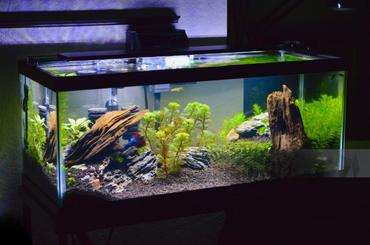
Credit: www.ratemyfishtank.com
Essential Equipment
Setting up a fish tank for ornamental fish needs the right tools. Good equipment keeps fish healthy and water clean.
This guide covers the main tools you need for a great fish tank setup.
Filtration Systems
Filtration keeps the water clear and safe by removing waste and toxins. Choose a filter that fits your tank size and fish type.
There are three common types of filters:
- Mechanical filters trap debris and dirt.
- Biological filters use bacteria to break down waste.
- Chemical filters remove harmful chemicals and odors.
Lighting Choices
Lighting helps fish show their colors and supports plant growth. Pick lights based on your fish and plants’ needs.
| Light Type | Best Use | Effect |
| LED | Most tanks | Energy efficient, bright |
| Fluorescent | Planted tanks | Good for plants |
| Incandescent | Simple setups | Less efficient, warm light |
Heating Solutions
Many ornamental fish need warm water. Use a heater to keep water at the right temperature for your fish species.
Heaters come in different sizes. Choose one that matches your tank volume to keep temperature steady and safe.
Aeration Devices
Aeration adds oxygen to the water. Fish need oxygen to breathe and stay healthy.
- Air pumps push air into the tank.
- Air stones spread bubbles for better oxygen flow.
- Surface agitation helps oxygen enter the water.
Water Preparation
Preparing water is key for a healthy ornamental fish tank. Clean, safe water helps fish live longer.
Proper water preparation prevents diseases and supports fish growth. It creates a stable environment.
Conditioning And Testing
Tap water often contains harmful chemicals. Conditioning removes chlorine and chloramine to protect fish.
Testing water ensures safe levels of pH, ammonia, nitrites, and nitrates. This keeps fish healthy.
- Use water conditioner to remove chlorine and chloramine
- Test pH to keep it between 6.5 and 7.5
- Check ammonia, nitrites, and nitrates regularly
- Adjust water parameters as needed
Maintaining Water Quality
Good water quality needs regular checks and changes. Dirty water harms fish and plants.
Remove waste and uneaten food. Use a filter to clean the water continuously.
- Change 10-20% of water weekly
- Clean filter parts monthly
- Remove debris and algae often
- Keep water temperature stable
Cycling The Tank
Cycling builds good bacteria that break down fish waste. It prevents toxic ammonia and nitrites.
New tanks need 4-6 weeks to cycle. Test water to track bacteria growth and safety.
- Add fish food or pure ammonia to start bacteria growth
- Test for ammonia, nitrites, and nitrates weekly
- Wait for ammonia and nitrites to reach zero
- Only add fish after the cycle is complete
Selecting Ornamental Fish
Selecting the right ornamental fish is important for a healthy tank. You should think about the fish’s needs and your tank size.
Choosing fish that live well together helps keep the tank balanced. Learn about popular species and how to stock your tank properly.
Popular Species
Some fish are popular because they are colorful and easy to care for. Beginners often choose these fish for their tanks.
- Neon Tetra – small, bright, and peaceful
- Guppy – colorful and active swimmers
- Betta – vibrant colors but keep alone
- Angelfish – elegant, needs bigger tanks
- Platies – hardy and live well in groups
Compatibility Factors
Fish must get along to avoid stress and fights. Check their behavior, size, and water needs before adding them.
Some fish are peaceful, while others are aggressive. Mixing these can cause injuries or stress.
- Temperament – peaceful or aggressive
- Size – avoid big fish eating small ones
- Water conditions – temperature and pH
- Feeding habits – similar diets work best
Stocking Density
Do not put too many fish in one tank. Overcrowding can cause poor water quality and health problems.
Use the one-inch-per-gallon rule as a guide. Adjust based on fish size and tank filtration.
| Tank Size (Gallons) | Recommended Fish Length (Inches) | Approximate Number of Fish |
|---|---|---|
| 10 | 1 | 10 |
| 20 | 2 | 10 |
| 30 | 3 | 10 |
Aquascaping Ideas
Setting up a fish tank for ornamental fish can be a fun project. Aquascaping adds beauty and comfort for your fish. It helps create a natural and healthy environment.
Choosing the right substrate, plants, and decorations is key. These elements work together to build a lively underwater world. Let’s explore some ideas to get started.
Substrate Selection
The substrate is the base layer at the bottom of your tank. It affects water quality and plant growth. Picking the right substrate helps fish feel at home and plants to thrive.
- Gravel: Good for decoration and easy cleaning.
- Sand: Soft and natural, ideal for bottom dwellers.
- Aquarium soil: Rich in nutrients, great for live plants.
- Crushed coral: Helps keep water alkaline for certain fish.
Plants And Decorations
Live plants improve water quality and offer hiding places. Decorations add style and mimic natural environments. Choose items that are safe and non-toxic for fish.
| Plant Type | Light Needs | Growth Speed |
| Java Fern | Low | Slow |
| Anubias | Low to Medium | Slow |
| Amazon Sword | Medium to High | Fast |
| Hornwort | Medium | Fast |
Creating Natural Habitats
Design your tank to look like the fish’s native home. Use rocks, driftwood, and plants to form hiding spots and swim areas. This lowers fish stress and encourages natural behavior.
- Place driftwood to create caves and shade.
- Use smooth rocks to form barriers and resting spots.
- Arrange plants in groups to mimic dense vegetation.
- Keep open swimming space in the center of the tank.

Credit: www.hammacher.com
Feeding And Nutrition
Ornamental fish need proper feeding and nutrition. This keeps them healthy and vibrant in your fish tank. Understanding their dietary needs is key to a successful setup.
It’s important to know how much and when to feed them. This ensures they get the right nutrients without overfeeding.
Dietary Needs
Different fish have different dietary needs. Some eat plants, while others prefer meat. Knowing what your fish eat helps you choose the right food.
- Herbivores need plant-based food.
- Carnivores require protein-rich food.
- Omnivores can eat both plants and proteins.
Feeding Schedules
Feeding schedules are important for fish health. Most fish do well with two small meals each day. This mimics their natural eating habits.
Regular feeding times help fish adjust and reduce stress. Try to feed them at the same time daily for the best results.
Avoiding Overfeeding
Overfeeding can harm your fish and tank. Uneaten food can pollute the water. This leads to health problems for your fish.
- Feed only what fish can eat in 2-3 minutes.
- Remove uneaten food quickly.
- Monitor fish behavior for signs of overfeeding.
Maintenance Routine
Keeping a fish tank clean is important for fish health. Regular maintenance helps your fish thrive.
Here, we cover essential steps for a healthy ornamental fish showcase.
Regular Cleaning
Cleaning the tank regularly keeps it looking nice. It also prevents harmful buildup.
Remove algae from the glass. Clean decorations and the substrate too.
- Use a soft sponge for glass cleaning
- Wash decorations in warm water
- Vacuum the gravel to remove debris
Water Changes
Changing water keeps the environment safe for fish. It reduces toxins and refreshes the tank.
Replace a portion of the water every week. This helps maintain water quality.
- Change 10-15% of water weekly
- Use a dechlorinator for tap water
- Match the new water temperature with the tank
Monitoring Fish Health
Check your fish daily for signs of illness. Healthy fish are active and have bright colors.
Observe their behavior and appetite. Quick action can prevent disease spread.
- Look for changes in swimming patterns
- Check for unusual spots or marks
- Ensure fish are eating regularly

Credit: www.shutterstock.com
Troubleshooting Common Issues
Setting up a fish tank for ornamental fish can be fun and rewarding. Sometimes, problems arise that need quick fixes.
Understanding common issues helps keep your fish healthy and your tank beautiful.
Algae Control
Algae grows fast and can cover your tank glass and decorations. Too much algae makes the tank look dirty.
Keep algae in check by controlling light and nutrients. Clean the tank regularly to stop algae build-up.
- Limit tank light to 8-10 hours daily
- Change 10-20% of water weekly
- Use algae-eating fish or snails
- Remove excess food to reduce nutrients
Disease Prevention
Fish get sick from poor water quality or stress. Watch for unusual spots, colors, or behavior.
Keep fish healthy by keeping the tank clean and water balanced. Quarantine new fish before adding them.
- Test water parameters weekly (pH, ammonia, nitrite)
- Do regular water changes
- Remove sick fish quickly
- Keep tank temperature stable
Behavioral Problems
Fish can show stress by hiding, fighting, or not eating. These behaviors harm their health.
Fix problems by providing enough space and hiding spots. Avoid overcrowding and keep compatible fish together.
- Provide plants or decorations for hiding
- Keep one fish per 1 gallon of water
- Watch fish interactions daily
- Feed fish a balanced diet
Frequently Asked Questions
What Is The Best Tank Size For Ornamental Fish?
The ideal tank size depends on fish species and quantity. Generally, a 20-30 gallon tank suits most ornamental fish. Larger tanks provide stable water conditions and more swimming space, ensuring healthier, vibrant fish and an impressive showcase.
How To Maintain Water Quality In A Fish Tank?
Maintain water quality by regular testing and partial water changes. Use a reliable filtration system and avoid overfeeding. Proper water temperature and pH levels should be monitored to keep fish healthy and stress-free in an ornamental fish tank.
Which Decorations Enhance An Ornamental Fish Showcase?
Use natural elements like live plants, smooth rocks, and driftwood. Choose colorful substrates and backgrounds to highlight fish colors. Avoid sharp objects that may harm fish. Balanced decor creates an attractive, safe, and comfortable environment for ornamental fish.
How Often Should I Clean My Fish Tank?
Clean your tank partially every 1-2 weeks. Remove algae, clean the substrate, and change 20-30% of the water. Avoid over-cleaning to preserve beneficial bacteria, ensuring a healthy environment and clear, appealing display for your ornamental fish.
Conclusion
Setting up a fish tank for ornamental fish can be simple and fun. Choose the right tank size and clean water for healthy fish. Add plants and decorations to make the tank look nice. Keep the water temperature steady and feed fish on time.
Regular cleaning helps fish stay happy and alive. Enjoy watching your colorful fish swim in a beautiful home. A well-set fish tank brings calm and joy to any space. Start small, learn, and improve your fish tank step by step.