
If you care about your ornamental fish, you know how important the right lighting is for their health and happiness. But did you know that LED lighting can make a huge difference in how your fish thrive?
Choosing the right light isn’t just about making your aquarium look beautiful—it directly affects your fish’s behavior, growth, and overall well-being. You’ll discover how LED lighting can boost your fish’s health and why it might be the best choice for your underwater friends.
Keep reading to learn how to create the perfect environment that keeps your fish lively and vibrant every day.
Benefits Of Led Lighting For Fish
LED lighting has become popular for ornamental fish tanks. It offers many benefits that help fish stay healthy.
Good lighting affects fish colors, behavior, and tank energy use. LED lights work well for these needs.
Enhancing Color Vibrancy
LED lights bring out the bright colors of ornamental fish. They show colors more clearly and naturally.
Fish appear more vibrant under LED lighting compared to other light types. This makes the tank more beautiful.
Supporting Natural Behavior
LED lighting mimics natural sunlight patterns. This helps fish feel safe and act naturally.
Proper light cycles reduce stress for fish. They support feeding, resting, and breeding behaviors.
Energy Efficiency And Longevity
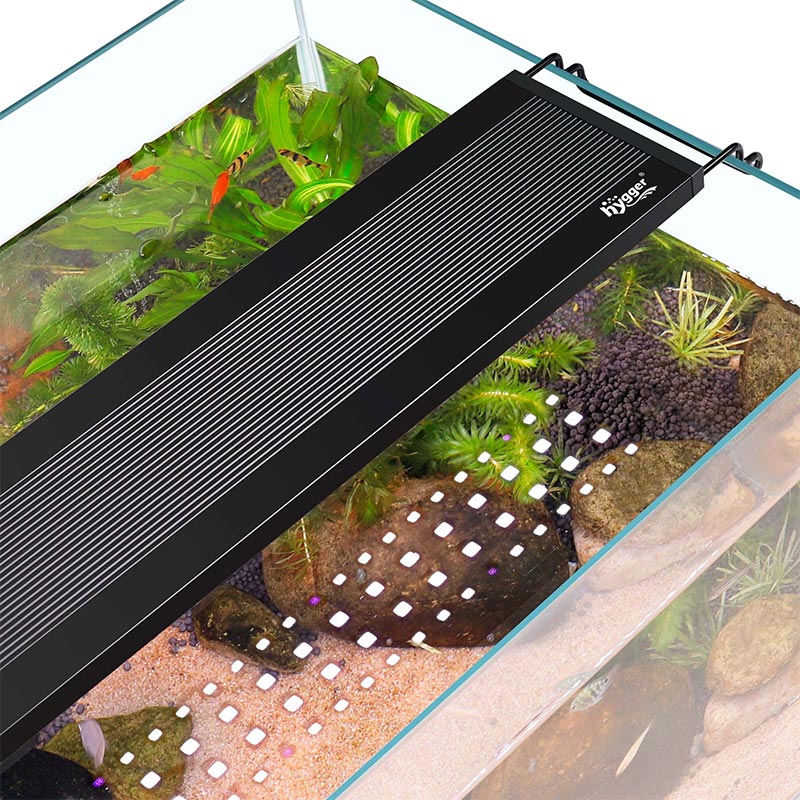
LED lights use less electricity than traditional bulbs. This saves money and reduces heat in the tank.
LED bulbs last a long time. They need less replacement, which means less waste and effort.
Credit: www.hygger-online.com
Choosing The Right Led Spectrum
LED lighting plays a big role in keeping ornamental fish healthy. The light spectrum affects fish behavior and plant growth.
Choosing the right LED spectrum helps create a natural and safe environment for your fish.
Color Temperature Effects
Color temperature shows the light’s warmth or coolness. It is measured in Kelvin (K).
Lower temperatures give warm light, while higher temperatures give cool light. Both affect fish differently.
- Warm light (2500K–3500K) creates a calm environment.
- Neutral light (4000K–5000K) looks like natural daylight.
- Cool light (6500K and above) helps plant growth and brightens fish colors.
Balancing Blue And Red Lights
Blue and red lights affect fish and plants in different ways. Both are important for a healthy aquarium.
Blue light helps fish feel calm and active. Red light supports plant photosynthesis and growth.
- Use more blue light to reduce fish stress.
- Add red light to help plants grow strong.
- Balance both for a natural look and good health.
Simulating Natural Daylight
Natural daylight changes during the day. Simulating these changes helps fish stay healthy and active.
Use timers to change the LED light intensity and color temperature during the day. This mimics sunrise, daylight, and sunset.
- Start with soft light in the morning.
- Use bright, balanced light at noon.
- Dim light slowly at sunset.
- Turn off lights at night to rest fish.
Impact On Fish Health And Wellness
LED lighting can greatly affect the health of ornamental fish. It helps in creating a natural environment inside the aquarium.
Proper lighting reduces stress, boosts immunity, and promotes growth in fish. Let’s explore these benefits in detail.
Stress Reduction
Fish can feel stress from sudden light changes. LED lights provide a steady and consistent lighting environment.
- Stable lighting reduces anxiety in fish.
- Fewer sudden movements mean less stress.
- Fish display more natural behaviors.
Improved Immune Function
Proper lighting boosts the immune system of fish. LED lights mimic natural day and night cycles.
| Lighting Condition | Immune Response |
| Consistent LED | Strong |
| Fluctuating | Weak |
Promoting Growth And Activity
LED lights encourage fish to be active and grow well. A well-lit tank supports their natural activities.
Setting Up Led Lighting For Aquariums
LED lighting plays a key role in keeping ornamental fish healthy. Proper lighting helps fish feel safe and supports their natural behavior. Setting up the right LED lighting is simple and important.
This guide explains how to set the correct light intensity, duration, and placement. Following these tips will create a good environment for your fish.
Optimal Light Intensity
Fish need the right amount of light to stay active and healthy. Too much light can stress them out. Too little light can make them inactive and weak.
Choose LED lights with adjustable brightness. Start with low to medium intensity and watch your fish’s reaction.
- Low intensity suits shy fish
- Medium intensity works for most fish
- High intensity fits bright, clear tanks
Duration And Timing
Fish need light and dark periods to keep their natural rhythm. Too much light can cause stress and illness. Too little light can harm their health.
Set the LED lights to stay on for 8 to 10 hours each day. Use a timer to keep this schedule steady.
- 8-10 hours of light daily
- 12-16 hours of darkness for rest
- Use a timer for consistency
Placement And Coverage
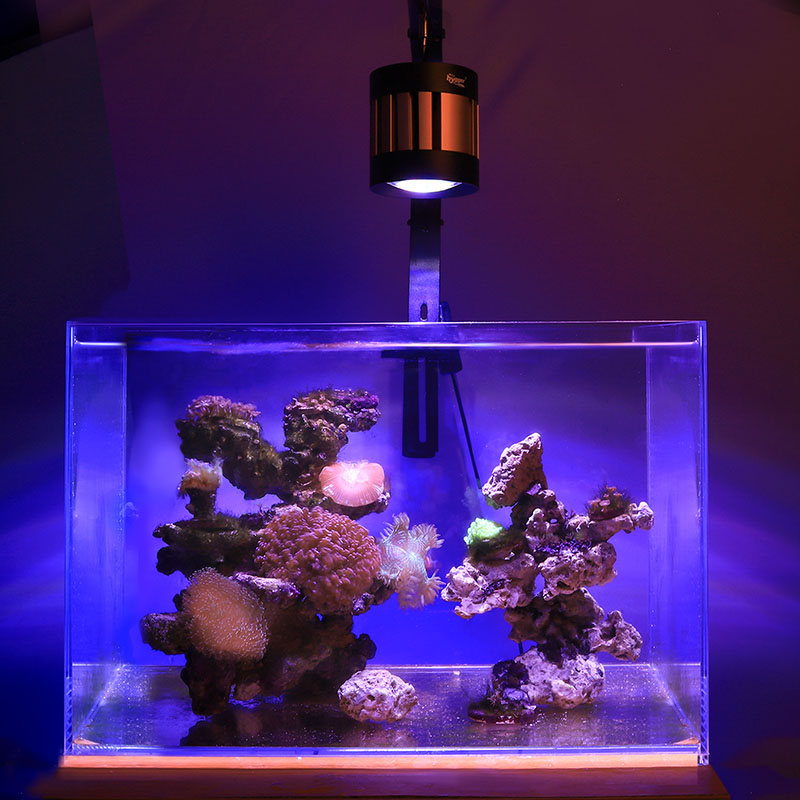
Place LED lights so they cover the whole tank evenly. Avoid bright spots or dark corners. This helps fish move freely and feel safe.
Install the lights above the tank. Make sure they do not shine directly into the fish eyes to reduce stress.
- Place lights on top of the aquarium
- Ensure even light spread across the tank
- Avoid shining light directly at fish
Common Led Lighting Mistakes
LED lighting is popular for ornamental fish tanks. It offers energy efficiency and customization. But mistakes can harm fish health.
Understanding common errors helps in setting up the right lighting. This ensures fish thrive in their environment.
Overexposure Risks
Too much light can stress fish. Stress leads to health issues and affects behavior. Fish need time in darkness to rest.
Balance light exposure with natural cycles. Mimic day and night for a healthy fish environment.
- Set timers for consistent light periods
- Avoid placing tanks in direct sunlight
- Ensure fish have hiding spots
Incorrect Spectrum Choices
LEDs offer various light spectrums. Wrong spectrum choices affect fish and plant health. Different spectrums support different needs.
Research the specific spectrum suitable for your fish. This enhances their color and supports plant growth.
- Use full-spectrum lights for general use
- Blue light enhances plant growth
- Red light highlights fish colors
Ignoring Fish Species Needs
Different fish species have unique lighting needs. Ignoring these needs can lead to stress. Learn about the species in your tank.
Provide lighting that mimics their natural habitat. This helps fish feel secure and healthy.
- Tropical fish need warmer light
- Cold-water fish prefer cooler light
- Nocturnal fish benefit from dim lighting
Credit: www.hygger-online.com
Maintaining Led Lighting Systems
Proper care of LED lighting helps keep your ornamental fish healthy. Good maintenance ensures light stays bright and balanced. This supports fish growth and their natural colors.
Regular checks and cleaning extend the life of your LED system. It also prevents damage that may affect fish health.
Cleaning And Care
Clean LED lights gently to avoid damage. Dust and water spots reduce light quality and can harm fish.
- Turn off and unplug the lighting system before cleaning
- Use a soft cloth dampened with water to wipe the surface
- Avoid harsh chemicals or abrasive materials
- Check for water leaks near the LEDs to prevent electrical issues
Monitoring Light Performance
Check the brightness and color output regularly. Changes can affect fish behavior and health.
| Check Aspect | Frequency | Action |
| Brightness Level | Monthly | Compare with original settings |
| Color Quality | Monthly | Look for fading or color shifts |
| Heat Emission | Weekly | Ensure LEDs stay cool to touch |
| Electrical Connections | Quarterly | Tighten loose wires or plugs |
Replacing Leds When Necessary
Replace LEDs that flicker or lose brightness to protect fish health. Old LEDs can cause stress or poor growth.
- Identify faulty or dim LEDs during performance checks
- Purchase replacement LEDs matching the original specifications
- Follow the manufacturer’s instructions for safe replacement
- Test the system after replacement to confirm proper function
Case Studies And Success Stories
LED lighting has become popular in ornamental fish tanks. It helps improve fish health and tank beauty. Many aquarium owners share their success stories.
This section shows real examples where LED lighting made a difference. The stories cover color brightness, fish health, and tank looks.
Vibrancy Improvements
Fish colors became brighter with LED lights. Owners noticed their fish looked more vivid and lively. The lights helped show natural fish colors.
One case showed a Betta fish whose blue and red fins became much richer in color after using LED lighting for four weeks.
- Enhanced fish colors
- Better light spectrum for natural hues
- Reduced dullness in fish appearance
Health Transformations
LED lighting helped improve fish health in many tanks. Fish became more active and showed less stress. Owners reported fewer illnesses.
In one aquarium, neon tetras showed stronger swimming behavior and better appetite after two months with LED lights.
- Increased fish activity
- Improved feeding habits
- Lower stress signs
- Less disease occurrence
Aquarium Aesthetic Upgrades
LED lighting changed the look of many aquariums. Tanks looked cleaner and more modern. Light colors highlighted decorations and plants.
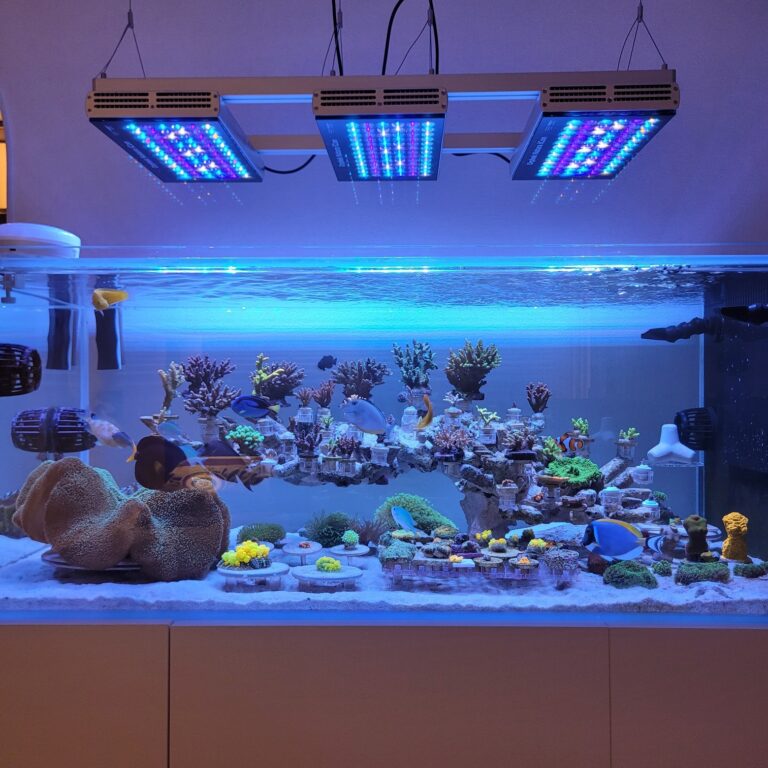
One reef tank owner used LED lights to create a soft blue glow. This made coral and fish stand out better in the room.
- Cleaner aquarium look
- Highlighted plants and decorations
- Customizable light colors
- Modern tank appearance
Credit: orphek.com
Frequently Asked Questions
What Are The Benefits Of Led Lighting For Ornamental Fish?
LED lighting promotes healthy fish behavior and vibrant colors. It uses less energy and produces less heat, reducing stress. Proper LED light enhances plant growth and simulates natural day-night cycles, supporting overall aquarium health and fish well-being.
How Does Led Lighting Affect Fish Health?
LED lighting provides consistent, customizable light intensity and spectrum. It helps regulate fish biological rhythms and reduces stress. Proper lighting prevents diseases and supports immune function. LEDs avoid harmful UV rays, making them safer than traditional lighting options for ornamental fish.
Can Led Lighting Improve Fish Coloration?
Yes, LED lighting enhances fish coloration by highlighting natural pigments. Specific light spectrums, like blue and red, intensify colors. Balanced LED light makes fish appear more vibrant and healthy, improving aquarium aesthetics without harming fish or plants.
How Long Should Led Lights Be On For Ornamental Fish?
LED lights should be on 8 to 12 hours daily. This mimics natural daylight, promoting normal fish behavior and plant growth. Avoid prolonged lighting to prevent stress and algae growth. Using a timer ensures consistent light cycles for fish health.
Conclusion
LED lighting supports the health of ornamental fish well. It creates a natural environment that helps fish feel calm. Fish need light for their daily activities and growth. LED lights use less energy and last longer than other lights. Choosing the right light color and intensity matters a lot.
It helps fish show their best colors and stay active. Proper lighting also helps plants grow in the tank. Good lighting keeps the aquarium clean and balanced. Small changes in light can make a big difference. Care for your fish by giving them the right light.