
Have you ever noticed your fish acting restless or hiding more than usual? The lighting in your aquarium could be the hidden cause behind their stress.
The right aquarium lighting does more than just make your tank look beautiful—it creates a calm and natural environment where your fish can thrive. You’ll discover simple lighting tips that can help reduce your fish’s stress, making your underwater world healthier and more vibrant.
Keep reading to learn how to transform your aquarium into a peaceful haven for your aquatic friends.
Benefits Of Proper Aquarium Lighting
Proper lighting in an aquarium is important for the well-being of fish. It helps create a natural environment that reduces stress. Good lighting also supports the growth of plants and keeps the aquarium balanced.
Choosing the right lighting can make a big difference in how healthy your fish stay and how active they are. This guide explains the key benefits of proper aquarium lighting.
Enhancing Fish Health
Proper lighting helps fish maintain a strong immune system. It supports their natural day and night cycles, which lowers stress and illness risks. Fish feel safer with consistent light patterns.
- Regulates sleep and activity cycles
- Reduces stress by simulating natural light
- Supports immune system strength
- Prevents abnormal behavior from poor lighting
Promoting Natural Behavior
Fish show their natural colors and actions under proper lighting. It allows them to explore, feed, and hide just like in the wild. Light changes help fish know when to rest and when to be active.
| Light Phase | Fish Behavior |
| Daylight (8-12 hours) | Active, feeding, swimming |
| Dusk/Dawn | Reduced activity, exploring |
| Night (darkness) | Resting, hiding |
Supporting Plant Growth
Plants need light to make food through photosynthesis. Proper aquarium lighting helps plants grow strong. Healthy plants improve water quality and provide shelter for fish.
- Light supports photosynthesis in aquatic plants.
- Strong plants absorb harmful chemicals.
- Plants create hiding spots, reducing fish stress.
- Balanced plant growth keeps the aquarium healthy.
Types Of Aquarium Lights
Aquarium lighting helps fish feel calm and safe. The right light reduces their stress.
Different types of lights work well in fish tanks. Each type has its own benefits and effects.
Led Lighting
LED lights use less energy and last a long time. They give bright, clear light for aquariums.
LEDs can be adjusted to match natural daylight. This helps keep fish calm and less stressed.
- Energy efficient and cool to touch
- Adjustable brightness and color settings
- Long lifespan reduces replacements
Fluorescent Lighting
Fluorescent lights provide soft, even light. They are good for most freshwater and saltwater tanks.
This light type helps plants grow and supports fish health. It is less harsh than some other lights.
- Produces gentle, natural light
- Supports plant and coral growth
- Available in many sizes and shapes
Incandescent Lighting
Incandescent bulbs give warm, yellow light. They are less common for aquariums now.
This lighting can make fish feel stressed if too bright or hot. It uses more power than other types.
- Simple and inexpensive
- Produces heat that can raise tank temperature
- Not energy efficient and shorter lifespan
Light Intensity And Fish Stress
Light plays a big role in the health of aquarium fish. Too much light can cause stress and harm their well-being.
Finding the right light intensity helps keep fish calm and healthy. Adjusting light can improve their environment.
Effects Of Bright Light
Bright light can scare fish and make them hide. It may cause fast breathing and unusual swimming.
Some fish are more sensitive to light. Brightness can make them feel unsafe and stressed.
- Fish may lose color or stop eating
- Increased light causes more hiding behavior
- Stress lowers fish immune system
Adjusting Light Levels
Lowering light intensity helps fish relax. Use lighting that matches the natural habitat of your fish.
Turn off lights during night time. This gives fish a rest and reduces stress.
- Keep lights on for 8 to 10 hours daily
- Use shades or plants to soften light
- Observe fish to find best light level
Using Dimmer Settings
Dimmers help control light intensity smoothly. You can lower brightness without turning lights off.
Using dimmers simulates sunrise and sunset. This creates a natural day cycle and reduces fish stress.
- Start with low light in the morning
- Increase brightness slowly during the day
- Dim lights gradually before night

Credit: www.aqqapet.com
Lighting Duration And Fish Comfort
Proper lighting helps keep aquarium fish healthy and calm. Fish need a balanced light schedule for comfort.
Too much or too little light can cause stress. Understanding lighting duration improves fish wellbeing.
Optimal Photoperiods
Fish need a daily light period similar to their natural habitat. Most fish do well with 8 to 12 hours of light.
- Keep lights on for 8 to 12 hours each day
- Use a timer to keep lighting consistent
- Adjust duration based on fish species
- Provide enough darkness for rest
Simulating Natural Day-night Cycles
Natural day and night cycles help fish stay calm and active. Mimic these cycles in your aquarium lighting.
| Time | Light Intensity |
| Morning (6 AM – 9 AM) | Low to Medium |
| Day (9 AM – 6 PM) | High |
| Evening (6 PM – 9 PM) | Medium to Low |
| Night (9 PM – 6 AM) | Off or Very Low |
Avoiding Overexposure
Too much light causes stress and health problems. Limit light exposure to protect fish comfort.
- Do not keep lights on for more than 12 hours
- Turn off lights during feeding breaks if possible
- Use shaded areas or plants for fish to hide from bright light
- Reduce light intensity if fish appear restless or hide often
Color Spectrum And Fish Behavior
Choosing the right aquarium lighting helps keep fish calm. The color spectrum affects fish behavior and stress levels.
Understanding how different colors impact fish can improve their health and happiness.
Cool Vs Warm Light
Cool light mimics natural sunlight, enhancing fish colors. Warm light creates a cozy environment, reducing stress.
- Cool light is often bluish-white
- Warm light has a yellow or red hue
- Balance both to simulate a natural habitat
Blue Light Benefits
Blue light helps regulate fish sleep patterns. It also reduces algae growth in the tank.
| Benefit | Description |
| Sleep Regulation | Helps fish maintain natural cycles |
| Algae Control | Slows down algae growth |
Reducing Harsh Colors
Harsh, bright colors can cause fish stress. Use subdued lighting to create a peaceful setting.
Creating A Relaxing Light Environment
Aquarium lighting plays a big role in keeping fish calm. Bright or sudden lights can scare fish. A gentle light helps them feel safe and relaxed.
Setting the right light conditions can lower fish stress. It also supports their natural behaviors. A soft and steady light environment is best for them.
Using Timers And Automation
Timers make sure lights turn on and off at the same time every day. This keeps a natural day and night cycle for your fish. Automation avoids sudden light changes that can startle fish.
Using timers helps fish get used to a routine. Fish feel safer when light changes are predictable. It also saves energy by not leaving lights on too long.
Incorporating Shadows And Hiding Spots
Shadows and hiding spots give fish a place to feel safe. Fish need areas where they can rest without bright light. Shadows help create a calm and natural aquarium look.
Adding plants, rocks, or decorations can create hiding spaces. These areas reduce fish stress by giving them control over their space. Shadows also break up bright light, making the tank more comfortable.
- Use live or fake plants
- Place rocks or caves
- Arrange decorations to cast soft shadows
Gradual Light Changes
Sudden light changes cause fish to panic. Gradual light changes mimic sunrise and sunset. This helps fish adjust slowly to different light levels.
Use dimmers or lights with adjustable brightness. Start with low light in the morning and slowly increase it. Do the same when dimming lights in the evening.
- Start lights at low brightness
- Increase light slowly over 30 minutes
- Dim lights slowly before turning off
- Use LED lights with dimming features
Common Lighting Mistakes To Avoid
Proper lighting is important to keep fish calm and healthy. Wrong lighting can stress fish and harm the tank.
Learn about common lighting mistakes to avoid for a peaceful aquarium environment.
Overlighting The Tank
Too much light can make fish nervous and cause algae to grow fast. Fish need a balance of light and dark.
Keep lighting on for about 8 to 10 hours daily. Use a timer to keep it steady.
- Bright lights all day stress fish
- Excess light causes algae problems
- Regular light cycles help fish rest
Ignoring Species-specific Needs
Different fish like different light levels. Some prefer dim light; others like bright light.
Research your fish species before setting up lights. This helps reduce their stress.
- Some fish hide in bright light
- Others need light to stay active
- Match lighting to fish natural habitat
Neglecting Maintenance
Dirty or broken lights cause uneven lighting. This can confuse fish and make algae worse.
Clean your lighting fixtures regularly. Replace bulbs and check timers often.
- Dust and water spots reduce light quality
- Old bulbs lose brightness over time
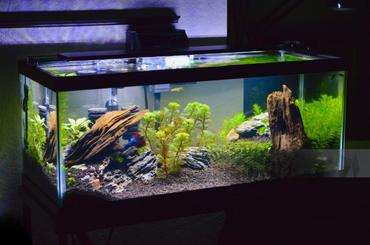
- Timers keep light cycles consistent
Credit: www.ratemyfishtank.com
Tips For Setting Up Stress-free Aquarium Lighting
Proper lighting keeps your fish healthy and stress-free. It mimics their natural environment and helps them thrive.
Choosing the right lighting requires understanding your fish’s needs. This guide will help you set up lighting that suits your aquarium.
Tailoring Light To Fish Species
Different fish species need different lighting conditions. Some prefer dim light while others need bright light to feel at home.
Research the natural habitat of your fish. This will guide you in selecting the right light intensity and color.
- Tropical fish often need warmer, dimmer light.
- Freshwater fish might prefer cooler, brighter light.
- Nocturnal fish benefit from low light settings.
Combining Lighting With Tank Decor
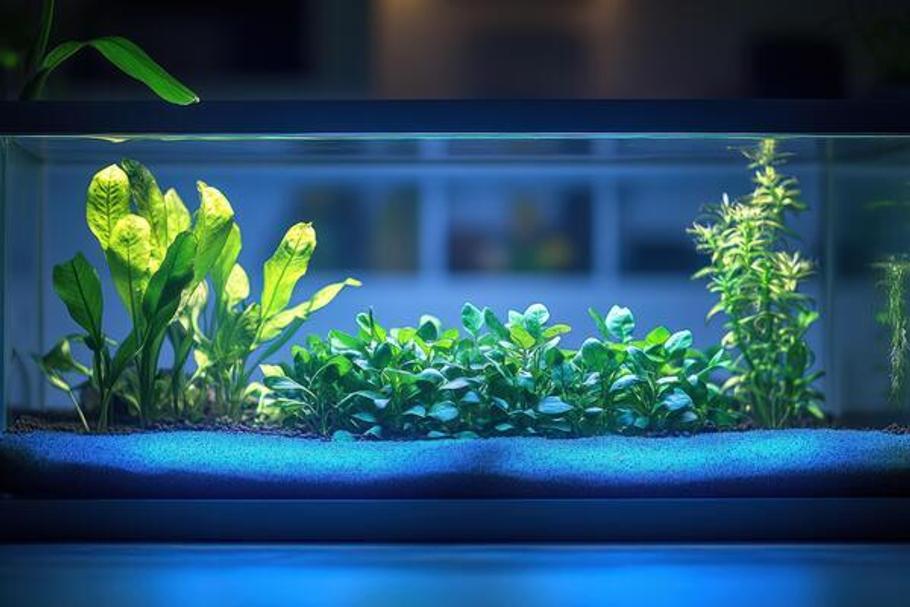
The decor in your tank affects how light spreads. Rocks, plants, and decorations can create shadows and highlights.
Position lights to enhance the beauty of the tank. This can make your fish feel more secure and less stressed.
| Decor Type | Lighting Effect |
| Dense Plants | Soft, diffused light |
| Open Spaces | Bright, direct light |
| Rocks and Caves | Shadows and hiding spots |
Monitoring Fish Behavior
Watch your fish to see how they react to the lighting. If they hide or act anxious, lighting may need adjustment.
Adjust lighting gradually to avoid shocking your fish. Observe any changes in their behavior and well-being.
- Fish hiding often means the light is too bright.
- Increased activity may indicate comfortable lighting.
- Monitor health and color for signs of stress.
Credit: www.ratemyfishtank.com
Frequently Asked Questions
How Does Aquarium Lighting Reduce Fish Stress?
Proper lighting mimics natural day-night cycles, calming fish and improving their health. It prevents overstimulation and helps regulate their biological rhythms.
What Type Of Light Is Best For Aquarium Fish?
LED lights with adjustable intensity and color temperature are ideal. They offer energy efficiency and customizable lighting that suits different fish species.
How Long Should Aquarium Lights Be On Daily?
Aquarium lights should be on for 8 to 12 hours daily. This duration balances the fish’s natural behavior and prevents algae growth.
Can Improper Lighting Harm Aquarium Fish?
Yes, too bright or inconsistent lighting can cause stress and illness. Fish need stable, appropriate light to maintain their well-being.
Conclusion
Proper aquarium lighting helps keep fish calm and healthy. Soft, natural light mimics their home environment. Avoid bright or flashing lights that cause stress. Set a regular light schedule for consistency. Watch your fish’s behavior to find the best lighting.
Good lighting improves fish color and activity too. Small changes make a big difference in fish comfort. Keep learning about lighting to support your aquarium life. Your fish will thank you with better health and happiness.