
Imagine turning your living space into a calm, natural retreat without leaving your home. Aquascaping for modern design lets you do just that by blending sleek aesthetics with the soothing beauty of underwater landscapes.
If you want to add a unique, eye-catching feature that sparks conversation and brings peace to your daily life, this is for you. Ready to discover how simple steps can transform your aquarium into a stylish masterpiece? Keep reading and unlock the secrets to creating your perfect modern aquascape.
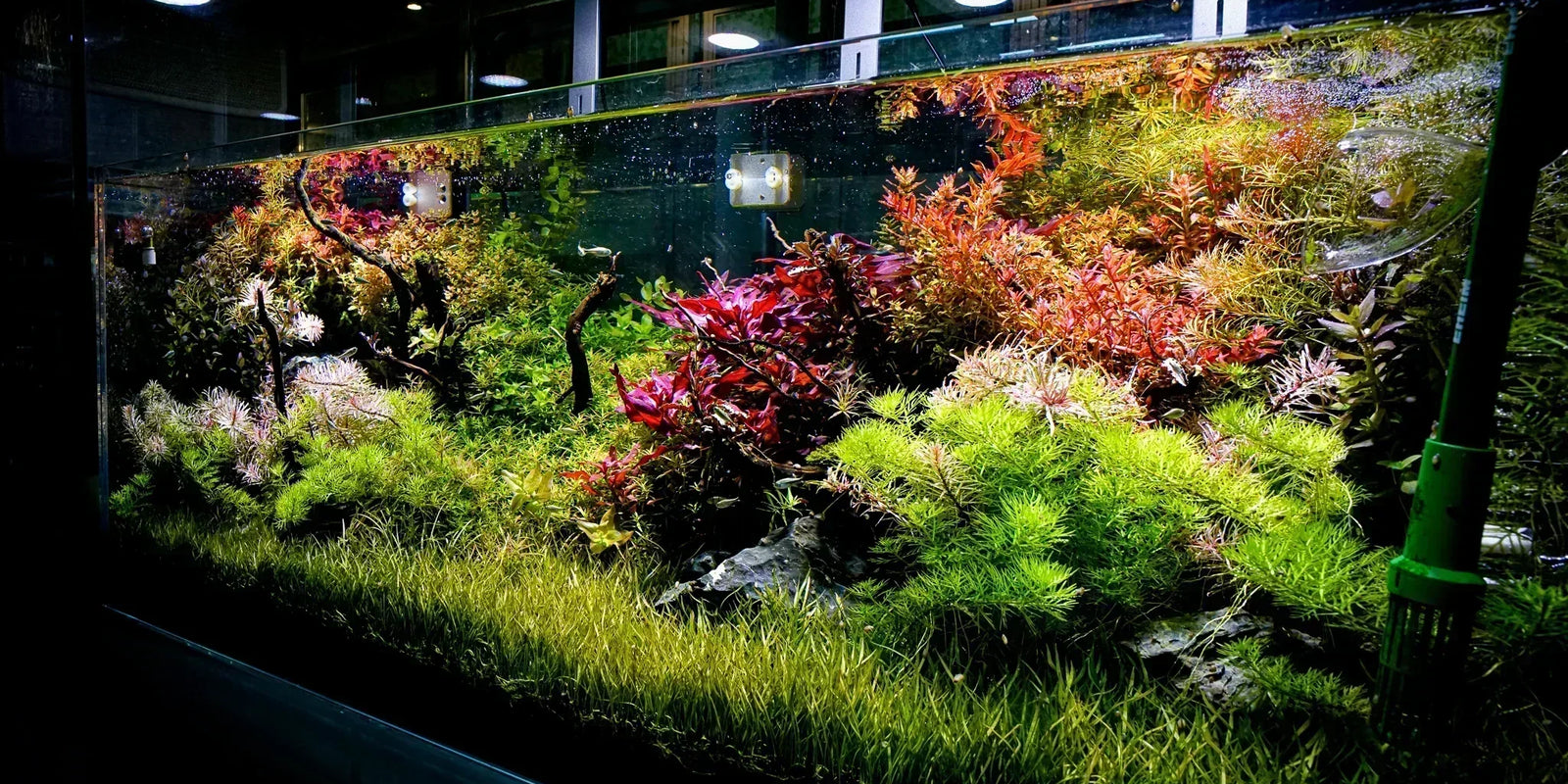
Credit: plantedpro.com
Aquascaping Basics
Aquascaping is the art of arranging plants, rocks, and wood inside an aquarium. It creates a natural and peaceful underwater scene.
This hobby combines creativity with fish care. You need to plan the layout and choose the right items.
Choosing The Right Tank
Pick a tank size that fits your space and skill level. Larger tanks are more stable but need more work.
Think about the tank shape. Rectangular tanks give more planting area. Tall tanks can show plants well.
- Small tanks: easier to find space but harder to balance
- Medium tanks: good for beginners and moderate projects
- Large tanks: best for advanced aquascapes and bigger plants
Essential Equipment
You need good equipment to keep plants healthy. Lighting, filtration, and CO2 systems help plants grow.
Choose equipment that fits your tank size and plants. Proper tools make aquascaping easier and more fun.
- Lighting: LED lights with full spectrum are best for plants
- Filter: keeps water clean and oxygen-rich
- CO2 system: helps plants grow faster and stay green
- Heater: keeps water temperature steady for tropical plants
Selecting Plants And Hardscape
Pick plants that suit your tank conditions and design style. Use a mix of tall and short plants for depth.
Hardscape means rocks, wood, and other decorations. These create structure and focus points in your layout.
- Easy plants: Java fern, Anubias, mosses
- Medium plants: Cryptocoryne, Amazon sword
- Hard plants: carpeting plants like Dwarf baby tears
- Hardscape materials: natural rocks, driftwood, stones
Modern Design Principles
Aquascaping uses design to create beautiful underwater gardens. Modern design principles help make aquascapes look clean and fresh.
These principles focus on simplicity, shapes, and color. They guide how to arrange plants, rocks, and other elements.
Minimalist Aesthetics
Minimalism means using only what is necessary. It keeps the aquascape simple and uncluttered.
Fewer plants and decorations create a calm and open look. This style highlights natural beauty without distractions.
Geometric Layouts
Geometric layouts use clear shapes like lines, triangles, or squares. These shapes bring order and balance to the design.
Placing elements in patterns helps guide the viewer’s eye. It creates a sense of harmony in the tank.
- Use straight or curved lines to frame the scene
- Arrange plants in groups that form triangles or circles
- Balance large and small shapes for visual interest
Color Coordination
Colors set the mood and feel of the aquascape. Choosing the right colors makes the design pleasing to the eye.
Use a limited color palette to keep the look clean. Combine green plants with soft browns and grays from rocks.
- Pick one or two main colors for plants
- Add neutral colors for contrast
- Avoid too many bright colors together
Creative Aquascape Styles
Aquascaping is the art of arranging aquatic plants and decorations. It creates beautiful underwater scenes.
Many styles fit modern design, each with unique themes and ideas. These styles inspire hobbyists worldwide.
Japanese Inspired Layouts
Japanese aquascapes focus on balance and simplicity. They often use rocks and driftwood to create harmony.
These layouts mimic natural landscapes like mountains and forests. They use few colors and clean lines.
- Use stones to form mountain shapes
- Add moss or small plants for softness
- Keep space open for a calm feel
Nature Aquarium Trends
Nature aquariums copy wild water environments. They look like rivers, lakes, or rainforests underwater.
This style uses many plants and natural materials. It aims to show a lively and natural ecosystem.
- Mix tall and short plants for depth
- Use wood and rocks as natural decor
- Include fish that fit the scene
Abstract And Artistic Designs
Abstract aquascapes focus on shapes and colors. They use plants and objects to create art-like scenes.
This style breaks rules and experiments. It can have bright colors and unusual plant arrangements.
- Use contrasting colors to draw attention
- Arrange plants in geometric patterns
- Add unique decorations for effect
Plant Selection For Modern Spaces
Choosing the right plants is key to aquascaping in modern spaces. Plants add life and style to your aquarium.
Think about shapes, colors, and how plants fit the space. Good choices keep your design clean and fresh.
Low-maintenance Varieties
Pick plants that need little care to keep your aquascape simple. These plants survive well with less light and trimming.
Low-maintenance plants save time and stay healthy longer. They suit busy lifestyles and new aquarists.
- Anubias species
- Java Fern (Microsorum pteropus)
- Cryptocoryne varieties
- Vallisneria
- Amazon Sword (Echinodorus amazonicus)
Textural Contrast
Combine plants with different leaf shapes for textural contrast. This adds interest and depth to your design.
Use smooth, broad leaves with fine, thin leaves to create a balanced look. Texture helps highlight each plant.
- Pair broad leaves like Amazon Sword with fine leaves like Cabomba
- Mix round leaves like Anubias with spiky leaves like Java Fern
- Use mosses for soft texture against taller plants
Height And Depth Planning
Arrange plants by height to add depth and structure. Taller plants go in the back or center of the aquarium.
Place shorter plants in front to keep the view open. This creates layers and a natural feel in the tank.
- Tall plants: Vallisneria, Amazon Sword
- Medium height: Cryptocoryne, Java Fern
- Short plants: Anubias, mosses
Hardscape Materials And Techniques
Hardscape is the foundation of aquascaping in modern design. It shapes the aquarium’s structure and style.
Using the right materials and techniques creates a natural and balanced look. It also supports plant growth.
Using Rocks And Stones
Rocks and stones add texture and form to your aquascape. They create natural shapes and hiding spots.
Choose stones that do not affect water chemistry. Arrange them to mimic nature and balance the layout.
- Use slate or lava rock for rough textures
- Sandstone offers softer, rounded shapes
- Granite is durable and stable
- Stack stones carefully to avoid collapsing
Incorporating Driftwood
Driftwood brings warmth and organic shapes to the tank. It creates a natural look and shelter for fish.
Soak driftwood before use to remove tannins. Place it to guide the eye and add depth to the design.
- Choose pieces with interesting curves and branches
- Avoid soft woods that decay quickly
- Combine driftwood with plants for a natural feel
- Secure wood to prevent floating
Layering And Texturing
Layering creates depth by placing materials at different heights. Texture adds visual interest and realism.
Use fine sand, gravel, and larger rocks together. Mix hardscape with plants to soften the look.
- Place large stones first as a base
- Add smaller stones and gravel for mid-layers
- Use sand or soil to fill gaps and create smooth transitions
- Arrange textures to contrast rough and smooth surfaces

Credit: mdaquascaping.com
Lighting And Color Effects
Aquascaping for modern design requires thoughtful lighting and color. These elements can transform an aquatic setup into a stunning visual display.
Lighting and color effects are crucial to highlight features and create mood in your aquascape. Let’s explore how to do it effectively.
Choosing Light Types
Different types of lights offer varied effects in aquascaping. Selecting the right type enhances the beauty of aquatic plants and fish.
- LED lights provide energy efficiency and vibrant colors.
- Fluorescent lights are cost-effective and widely available.
- Metal halide lights are ideal for deep tanks needing strong penetration.
Highlighting Key Features
Lighting can be used to draw attention to specific parts of your aquascape. This ensures that the most beautiful elements are the focus.
Consider using spotlights to emphasize unique rock formations or vibrant plants. Adjust the angle and intensity to suit your design.
Creating Mood With Colors
Colors play a significant role in setting the mood of your aquascape. They can be used to create a serene or vibrant atmosphere.
| Color | Mood |
| Blue | Calm and relaxing |
| Green | Natural and fresh |
| Red | Warm and energetic |
Maintenance Tips For Longevity
Keeping an aquascape beautiful takes care and attention. Regular maintenance ensures your design stays healthy and vibrant.
Let’s explore some essential maintenance tips to help your aquascape thrive for years.
Water Quality Management
Clean water is vital for a healthy aquascape. Regular testing helps maintain the right balance.
Check water parameters weekly. Balance pH, ammonia, and nitrate levels for optimal conditions.
- Use a water testing kit
- Perform partial water changes weekly
- Monitor temperature and adjust as needed
Pruning And Plant Care
Plants need regular trimming to grow well. Pruning encourages new growth and keeps plants healthy.
Remove dead leaves and trim overgrown stems. This helps maintain the design and encourages plant health.
- Trim plants every two weeks
- Use clean, sharp scissors
- Remove debris from the tank
Algae Control Strategies
Algae can overtake an aquascape quickly. Control strategies help keep algae in check.
Introduce algae-eating fish or snails. Limit light exposure to prevent excessive algae growth.
- Reduce light to 8 hours daily
- Add algae-eating species
- Clean algae from glass and plants weekly
Inspiring Aquascape Ideas
Aquascaping blends nature and design in water tanks. It creates peaceful spaces with plants and fish.
This guide shows ideas for modern aquascapes. Use these to fit different room sizes and styles.
Compact Desk Setups
Small aquariums on desks bring life to workspaces. They are easy to care for and fit tight spaces.
- Choose tanks under 5 gallons to save space
- Use low-maintenance plants like moss or java fern
- Add small fish or shrimp for movement
- Keep simple decorations to avoid clutter
Living Wall Aquariums
Living wall aquariums combine plants and water vertically. They create natural art on your wall.
| Feature | Description |
| Size | Varies from small panels to large walls |
| Plants | Epiphytes, ferns, and mosses grow on the wall |
| Water Flow | Circulates to keep plants healthy |
| Lighting | LED grow lights for indoor setups |
| Care | Regular watering and trimming needed |
Large Statement Pieces
Big aquascapes serve as a room’s focal point. They offer room for diverse plants and fish.
Tips for large aquascapes:
- Use a variety of plants for depth and texture
- Include driftwood or rocks for natural shapes
- Select fish that match the tank size
- Plan lighting to cover the whole tank evenly
- Maintain regular cleaning to keep water clear
Integrating Aquascapes Into Interiors
Aquascapes add life and calm to indoor spaces. They create a natural focal point that fits modern homes.
Using aquascapes inside your rooms can bring nature closer. It blends water, plants, and design in one space.
Placement For Visual Impact
Place your aquascape where it draws attention. Near windows or in entryways works well. Make sure it has good light.
- Use eye-level spots for better viewing
- Avoid clutter around the tank
- Keep it away from direct sunlight to prevent algae
- Place near seating areas for relaxation
Complementing Furniture Styles
Choose furniture that matches the aquascape’s style. Sleek modern pieces work well with clean aquascapes. Wood furniture pairs nicely with natural designs.
| Furniture Style | Best Aquascape Match |
| Minimalist | Simple rocks and plants |
| Rustic | Driftwood and moss |
| Scandinavian | Light colors with green plants |
| Industrial | Metal frames and dark stones |
Balancing Natural And Modern Elements
Mix natural and modern items to create harmony. Use stones and plants with sleek containers. This balance keeps the room fresh and stylish.
Tips for Balance:
- Use glass tanks with wooden stands
- Combine live plants with metal decor
- Keep clean lines but add organic shapes
- Use neutral colors with green highlights
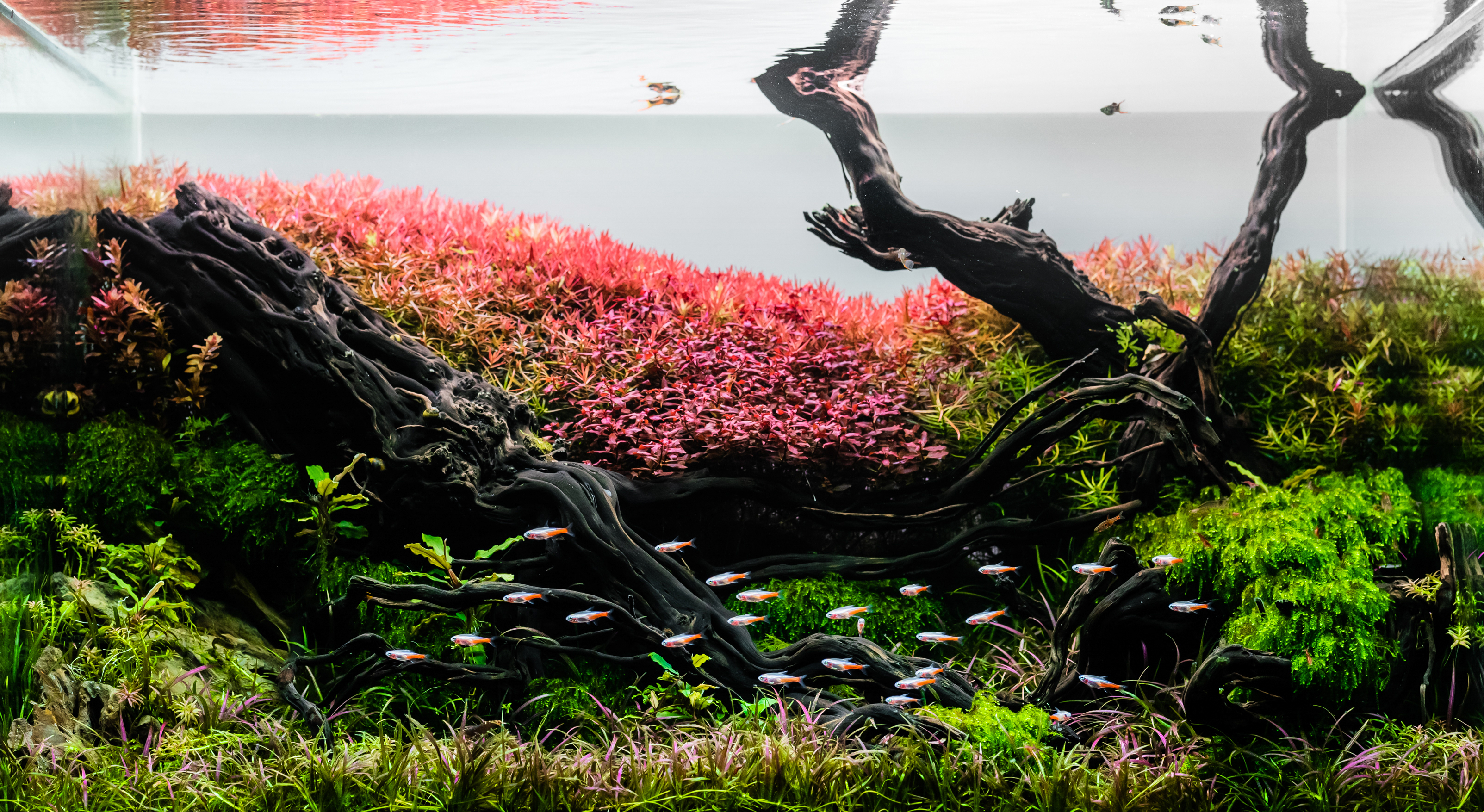
Credit: www.practicalfishkeeping.co.uk
Frequently Asked Questions
What Is Aquascaping For Modern Design?
Aquascaping for modern design involves creating sleek, minimalist underwater landscapes. It focuses on clean lines, geometric shapes, and balanced composition. The goal is to blend nature with contemporary aesthetics, enhancing interior spaces with stylish aquatic environments that reflect modern art and design principles.
How To Choose Plants For Modern Aquascaping?
Select plants with simple shapes and vibrant colors for modern aquascapes. Use low-maintenance species like Anubias, Java Fern, and Cryptocoryne. These plants provide texture and contrast while maintaining a clean, organized look that complements modern design themes.
What Materials Suit Modern Aquascaping Styles?
Modern aquascaping often uses materials like black or white gravel, smooth stones, and sleek driftwood. These materials provide contrast and structure while maintaining minimalism. Clear glass tanks with LED lighting enhance the overall modern aesthetic by highlighting design features effectively.
How To Maintain A Modern Aquascape Tank?
Regular water changes and proper filtration are essential for modern aquascapes. Trim plants frequently to keep shapes defined and clean. Monitor water parameters to ensure plant health and prevent algae growth, maintaining the tank’s neat, contemporary appearance over time.
Conclusion
Aquascaping brings nature’s calm right into your modern space. It adds beauty and peace with simple designs. Choosing the right plants and layout makes a big difference. Clean lines and natural elements create a fresh, stylish look. Anyone can start small and grow their skills over time.
Enjoy the process and watch your space transform beautifully. This blend of art and nature fits perfectly in today’s homes. Try aquascaping to refresh your environment and relax your mind.