
Setting up your fish tank just right can be a challenge. You want your aquatic friends to thrive, but managing lighting schedules can feel like a hassle.
What if your tank could take care of its own lighting? Imagine lights that turn on and off automatically, giving your fish the perfect environment without you lifting a finger. You’ll discover how an automatic lighting system can transform your fish tank setup, making it easier to maintain and more enjoyable to watch.
Ready to make your aquarium smarter and your life simpler? Keep reading to find out how.
Choosing The Right Fish Tank
Selecting the right fish tank is key for a happy aquarium. The tank size, shape, and materials matter.
Proper placement helps fish stay healthy and makes your tank look great. Automatic lights add convenience.
Tank Sizes And Shapes
Choose a tank size that fits your space and fish needs. Bigger tanks are easier to keep stable.
Shapes affect water flow and fish comfort. Rectangular tanks are common and easy to clean.
- Small tanks (5-10 gallons) suit small fish or beginners
- Medium tanks (20-40 gallons) fit more fish and plants
- Large tanks (50+ gallons) offer more space and stability
- Rectangular tanks provide good surface area
- Cylindrical tanks look unique but limit swimming space
Material Options
Fish tanks come in glass or acrylic. Both have pros and cons to consider.
Glass is scratch-resistant and clear. Acrylic is lighter and stronger but scratches easier.
- Glass tanks are heavier but cost less
- Acrylic tanks resist impact and are lighter
- Acrylic offers better insulation for temperature
- Glass is easy to clean without damage
Placement Tips
Place your tank on a strong, level surface. Avoid direct sunlight to control algae growth.
Keep your tank away from heaters or air conditioners. Stable temperature helps fish stay healthy.
- Use a sturdy stand or table
- Keep away from windows with direct sun
- Avoid drafty areas or vents
- Ensure easy access for cleaning and feeding
- Set automatic lights to mimic natural day cycles
Selecting Automatic Lighting
Choosing the right automatic lighting is important for a healthy fish tank. It helps simulate natural day and night cycles. This keeps fish and plants comfortable.
Automatic lights turn on and off without manual work. You can set timers to match your aquarium needs.
Types Of Aquarium Lights
There are different lights for fish tanks. Each type has its benefits and uses.
- LED lights: Energy-saving and long-lasting. Good for most tanks.
- Fluorescent lights: Bright and affordable. Best for freshwater tanks.
- Metal halide lights: Very bright. Ideal for deep or large tanks.
- Incandescent lights: Less common. Use less energy but get hot.
Features To Look For
Automatic lighting should have useful features. These features make setup easy and keep fish safe.
| Feature | Why It Matters |
| Timer Control | Sets light on and off times automatically. |
| Dimmable Settings | Adjusts brightness to mimic sunrise and sunset. |
| Waterproof | Prevents damage from splashes or spills. |
| Color Options | Supports plant growth and shows fish colors well. |
Energy Efficiency
Energy-efficient lights save money and reduce heat. This helps keep the aquarium cool.
- Choose LED lights for low power use.
- Check the wattage before buying.
- Use timers to avoid lighting when not needed.
- Look for lights with energy-saving certifications.
Setting Up The Fish Tank
Setting up a fish tank with automatic lights creates a comfortable home for your fish. A proper setup helps fish stay healthy and happy.
Follow these simple steps to prepare your tank, add substrate and decorations, and fill it with water safely.
Cleaning And Preparing The Tank
Start by rinsing the tank with warm water. Avoid using soap or chemicals. Dry the tank with a clean towel.
- Check for cracks or leaks before adding water.
- Clean the lid and light fixtures with a damp cloth.
- Place the tank on a sturdy, level surface away from direct sunlight.
Installing Substrate And Decorations
Choose a substrate that suits your fish type, like gravel or sand. Rinse it well to remove dust.
| Type | Best For | Notes |
|---|---|---|
| Gravel | Most freshwater fish | Easy to clean |
| Sand | Bottom feeders | May need more cleaning |
| Plant Soil | Live plants | Supports plant growth |
After adding substrate, place decorations like rocks, plants, and hiding spots. Arrange them so fish can swim freely.
Adding Water And Conditioner
Fill the tank with room temperature water slowly to avoid disturbing the substrate. Use a plate or bowl to pour water gently.
- Use a water conditioner to remove chlorine and chloramine.
- Follow the instructions on the conditioner bottle carefully.
- Check the water temperature before adding fish.

Credit: www.reddit.com
Installing Automatic Lights
Setting up automatic lights in your fish tank helps keep a regular day-night cycle. This improves fish health and plant growth.
Automatic lights turn on and off without manual effort. This guide explains how to install and test them properly.
Mounting And Positioning Lights
Choose a stable place to mount the lights above the tank. Make sure lights do not touch water or plants directly.
Position lights so they cover the whole tank evenly. Avoid shadows to help plants and fish get enough light.
- Use brackets or clips to secure lights safely
- Keep lights at least 6 inches above the water
- Adjust angle to spread light evenly across tank
Connecting To Timers And Controllers
Connect the lights to a timer or controller to automate on/off times. This saves energy and keeps a routine.
Set the timer to match natural daylight hours. Most fish need about 8 to 12 hours of light daily.
- Plug lights into a waterproof timer or smart controller
- Program the timer for consistent lighting schedules
- Check power connections are safe and dry
Testing The Lighting System
After installation, test the lights to ensure they work correctly. Check the timer settings and light coverage.
Watch the lights turn on and off at the set times. Adjust if the timing or brightness is not right.
- Turn the system on manually to check light operation
- Verify timer switches lights on/off at correct hours
- Observe light spread inside the tank for even coverage
Maintaining Your Aquarium
Setting up a fish tank with automatic lights makes care easier. Regular maintenance keeps fish healthy and happy.
Good habits help your aquarium look great and run smoothly. Let’s explore key steps to maintain your tank well.
Regular Cleaning Schedule
Clean your tank often to keep water clear and safe. Remove algae, debris, and waste regularly.
Change part of the water weekly to reduce toxins. Clean the filter every month for best results.
- Remove uneaten food daily
- Clean glass and decorations weekly
- Change 10-20% of water every week
- Check and clean filter monthly
Monitoring Water Quality
Test water often to keep fish healthy. Check pH, ammonia, nitrate, and nitrite levels.
Use test kits to measure water quality. Adjust conditions if any value is out of range.
- Test water at least once a week
- Keep pH stable for your fish type
- Ammonia and nitrite should be zero
- Nitrate should stay low
Adjusting Light Settings
Automatic lights need proper timing to mimic nature. Set lights on a daily schedule for your tank.
Too much light causes algae growth. Too little light harms plants and fish activity.
- Set lights on for 8 to 10 hours daily
- Use a timer to keep schedule steady
- Adjust light strength for your plants
- Turn off lights at night for fish rest

Credit: www.reddit.com
Troubleshooting Common Issues
Setting up a fish tank with automatic lights can be exciting. But sometimes, problems arise that need fixing. Here, we discuss common issues and how to solve them.
Understanding these problems helps keep your fish tank healthy. Let’s explore common issues like light malfunctions, algae overgrowth, and fish stress.
Light Malfunctions
Automatic lights may sometimes not work as expected. This could affect the fish and plants in the tank.
- Check if the timer is set correctly.
- Ensure the power source is stable.
- Inspect the bulbs for wear or damage.
Algae Overgrowth
Algae overgrowth can be a common issue in fish tanks. It often occurs when light exposure is not controlled.
| Cause | Solution |
| Excess light | Reduce light duration |
| High nutrients | Control feeding amounts |
| Poor filtration | Clean filters regularly |
Fish Stress And Behavior
Fish stress can lead to unusual behavior. This might be due to lighting changes or other tank conditions.
Enhancing Aquarium Aesthetics
Setting up a fish tank with automatic lights adds beauty. This setup is great for fish lovers who want a stunning display. Proper lighting highlights the tank’s features and brings out the colors of the fish.
Automatic lights also make caring for the tank easier. They create a natural day-night cycle, which is healthy for fish. The right lighting can turn a simple tank into a beautiful centerpiece.
Using Plants And Decorations
Plants and decorations add charm to any fish tank. They provide hiding spots and help fish feel safe. Choose plants that thrive under the tank’s lighting conditions.
Decorations like rocks and driftwood create natural scenes. They offer places for fish to explore and rest. Arrange them to mimic the fish’s natural habitat.
- Live plants improve water quality
- Artificial plants need less care
- Natural decor helps fish feel at home
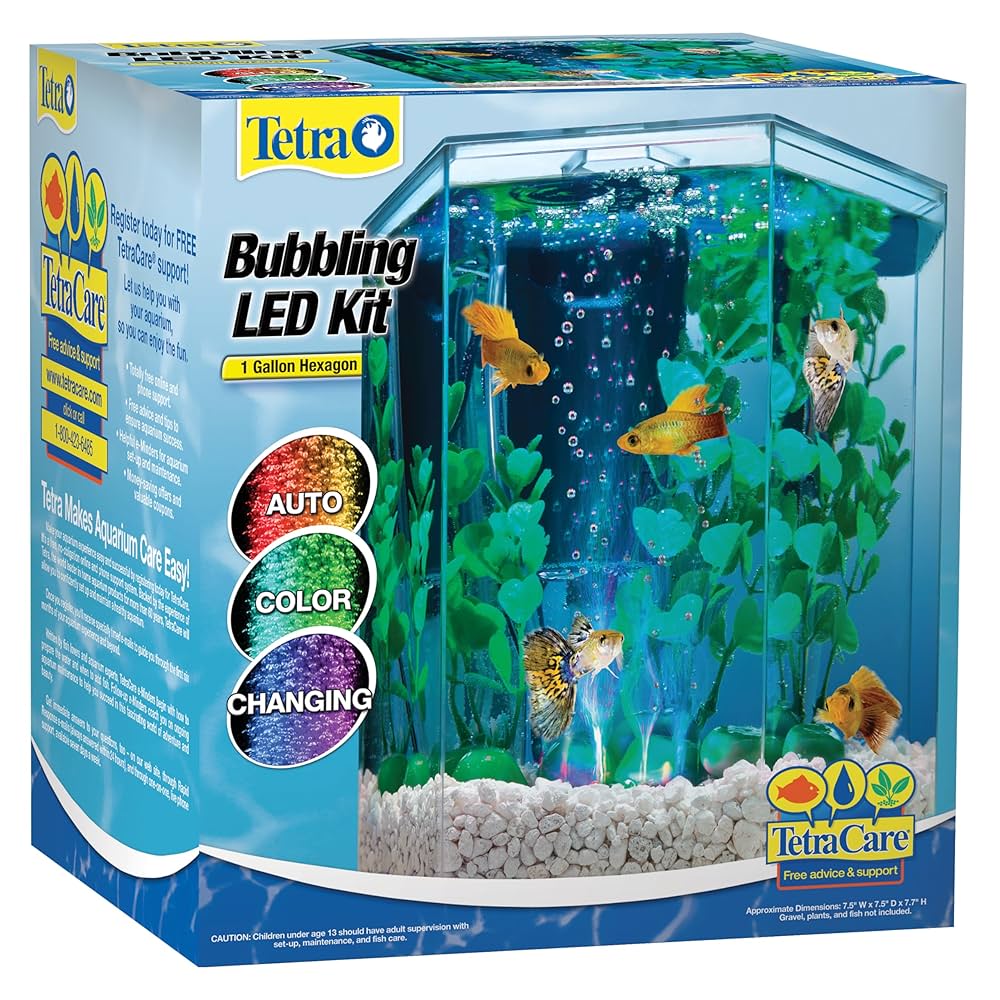
Creating Light Effects
Automatic lights can mimic sunrise and sunset. These effects make the tank look more natural. Adjust the light settings to change the mood of the tank.
Colored lights add drama and highlight features. They can make certain fish colors pop. Experiment with different settings to find the best look.
- Soft lights for a calm feel
- Bright lights for active scenes
- Colored lights for special effects
Showcasing Fish Species
Automatic lights help showcase different fish species. Proper lighting can enhance their natural colors. Some fish are more active under specific light settings.
Research the best lighting for each species. This ensures they look their best and stay healthy. Watch how the fish interact with the light to adjust settings.
| Fish Type | Lighting Preference |
| Tropical Fish | Warm, bright lights |
| Freshwater Fish | Soft, natural lights |
| Saltwater Fish | Blue-tinted lights |
Credit: www.amazon.com
Frequently Asked Questions
What Are The Benefits Of Automatic Lights In Fish Tanks?
Automatic lights simulate natural day-night cycles, improving fish health. They save energy, reduce manual effort, and prevent algae growth. Timed lighting enhances plant photosynthesis and creates a stable environment for aquatic life.
How Do I Set Up Automatic Lighting In My Fish Tank?
Choose a timer compatible with your light fixture. Set consistent on/off times mimicking natural daylight. Position lights to cover the tank evenly. Test the system to ensure proper function before final installation.
Can Automatic Lights Prevent Algae Growth In Aquariums?
Yes, automatic lights help regulate light exposure, limiting algae growth. Timed lighting avoids excessive light, which fuels algae. Proper duration and intensity maintain tank cleanliness and improve overall water quality.
What Type Of Lights Work Best With Automatic Timers?
LED and fluorescent lights work well with automatic timers. LEDs are energy-efficient, long-lasting, and produce minimal heat. Choose waterproof, aquarium-specific lights to ensure safety and optimal plant and fish health.
Conclusion
Setting up a fish tank with automatic lights makes care easier. Fish get a steady day and night cycle. This helps keep them healthy and active. Automatic lights save you time every day. You can enjoy watching your tank without worry.
Just set the timer and relax. A well-lit tank also shows off your fish better. Small steps like this improve your fish’s home. Start simple, then adjust as you learn. Your fish will thank you with their bright colors and lively behavior.