
If you want your young fish to grow strong and healthy, the right aquarium filter is a must-have. Juvenile fish are delicate and need clean, safe water to survive and thrive.
But not all filters work well for these tiny swimmers. Choosing the best filter for juvenile fish can feel confusing, and making the wrong choice could put your fish at risk. You’ll discover simple, effective ways to keep your aquarium water fresh and safe.
By the end, you’ll know exactly what to look for in an aquarium filter to give your juvenile fish the best chance at survival. Keep reading to protect your fish and enjoy a thriving, vibrant tank!

Credit: www.amazon.ca
Choosing The Right Filter
Choosing the right aquarium filter is key for juvenile fish survival. It keeps the water clean and safe for young fish.
A good filter supports healthy water conditions and reduces fish stress. This guide explains how to pick the best filter for your tank.
Types Of Aquarium Filters
There are several filter types to choose from. Each type works differently and suits different tank setups.
- Hang-on-back filters:Easy to install and maintain. Good for small to medium tanks.
- Canister filters:Powerful and quiet. Ideal for larger tanks or heavy fish loads.
- Sponge filters:Gentle water flow. Perfect for breeding tanks and fry.
- Internal filters:Compact and placed inside the tank. Suitable for small tanks.
Filter Size And Capacity
Select a filter that matches your tank size and fish quantity. A filter too small will not clean the water well.
| Tank Size (Gallons) | Recommended Filter Flow Rate (GPH) |
|---|---|
| 10-20 | 100-200 |
| 20-40 | 200-400 |
| 40-60 | 400-600 |
| 60-100 | 600-1000 |
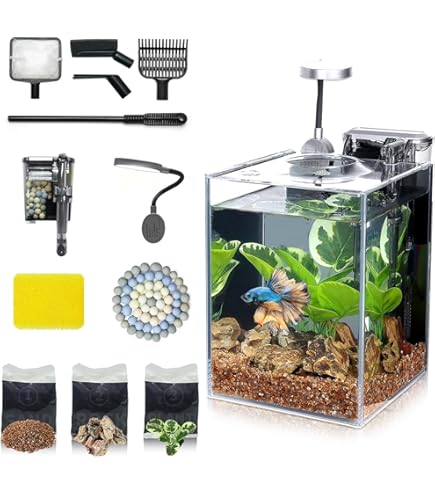
Filter Media Options
Filter media remove waste and harmful substances from water. Each media type serves a special purpose.
- Mechanical media:Traps solid waste and debris.
- Biological media:Houses beneficial bacteria that break down toxins.
- Chemical media:Removes odors and chemicals using activated carbon or resin.
Credit: www.amazon.ca
Setting Up The Filter
Setting up the right filter helps keep juvenile fish safe and healthy. Good filtration cleans the water and keeps it fresh.
Proper setup ensures water flow is steady and gentle. It also supports beneficial bacteria needed for a healthy tank.
Placement For Optimal Water Flow
Place the filter where water can move evenly across the tank. Avoid corners or blocked areas that reduce flow.
Good placement improves oxygen levels and helps waste removal. This creates a better home for young fish.
- Position near a side or back wall for even flow
- Keep intake clear of decorations and plants
- Ensure outflow spreads water gently across the tank
Initial Filter Cycling
Cycle the filter before adding juvenile fish. This builds good bacteria that remove harmful waste.
Start cycling by running the filter with fish food or ammonia. Test water regularly to check ammonia and nitrite levels.
- Run filter 2-4 weeks before adding fish
- Use test kits to track ammonia and nitrite
- Wait until both reach zero before adding juveniles
Avoiding Strong Currents For Juvenile Fish
Strong currents can stress or harm juvenile fish. Keep water flow gentle to help them swim easily.
Adjust the filter output or use flow reducers to lower current speed. This helps young fish stay safe and calm.
- Use spray bars or diffusers to soften water flow
- Place plants or decorations to block strong currents
- Check water movement daily and adjust if needed
Maintaining Water Quality
Good water quality is key for juvenile fish to grow healthy. Clean water helps fish breathe and stay free from disease.
A strong aquarium filter supports clear water by removing waste and toxins. Regular care of the filter keeps the water safe.
Regular Cleaning Schedule
Cleaning your filter regularly stops dirt buildup. It keeps the filter working well and the water fresh for young fish.
- Rinse filter media in tank water every two weeks.
- Replace filter parts as recommended by the maker.
- Check the filter intake for debris each week.
- Do a deep clean of the filter monthly.
Monitoring Water Parameters
Keep track of water conditions like pH, ammonia, and temperature. These affect fish health directly.
| Parameter | Ideal Range |
| pH | 6.5 – 7.5 |
| Ammonia | 0 ppm |
| Nitrite | 0 ppm |
| Nitrate | Below 20 ppm |
| Temperature | 72°F – 78°F (22°C – 26°C) |
Preventing Filter Clogs
Clogs reduce filter performance and harm fish. Avoid clogs by keeping the tank clean and the filter clear.
- Feed fish only what they can eat in 2 minutes.
- Remove uneaten food and plant debris daily.
- Trim dead leaves from plants to stop decay.
- Use a pre-filter sponge to catch large particles.
Protecting Juvenile Fish
Juvenile fish are very delicate and need special care. Their survival depends on a safe and healthy environment.
An aquarium filter helps keep water clean but can harm small fish if not set up properly.
Using Pre-filters Or Guards
Pre-filters or guards cover the main filter intake. They stop young fish from being sucked in or hurt.
- Use sponge covers to block large openings.
- Choose pre-filters with fine mesh to protect small fish.
- Check and clean pre-filters regularly to keep water flow steady.
Adjusting Flow Rate
Strong water flow can tire out or stress juvenile fish. It can push them into unsafe areas.
| Flow Rate Level | Effect on Juvenile Fish |
| High | May cause stress and injury |
| Medium | Balanced water movement, safer for fish |
| Low | Gentle flow, ideal for fragile fish |
Creating Safe Zones
Safe zones give juvenile fish places to hide and rest away from strong currents and predators.
To create safe zones:
- Add plants and decorations for shelter.
- Use small caves or tubes where fish can hide.
- Place zones away from the filter outlet.
Troubleshooting Common Issues
A good aquarium filter is key for juvenile fish survival. It keeps the water clean and safe. Sometimes, filters face problems that can harm young fish.
Fixing these issues quickly helps keep fish healthy. Let’s look at common filter problems and how to solve them.
Dealing With Filter Noise
Noisy filters can stress juvenile fish. Noise often means the filter needs cleaning or parts are loose. Check the filter’s parts first.
Clean the filter media to remove debris. Tighten any loose screws or parts. Make sure the filter is level and stable. Sometimes, trapped air causes noise.
- Clean filter media regularly
- Check and tighten loose parts
- Remove trapped air by tilting the filter
- Place filter on a flat surface
Handling Filter Malfunctions
Filters may stop working due to power or mechanical problems. A broken filter risks water quality and fish health. Check the power supply first.
Look inside the filter for blockages or broken parts. Replace worn out parts or the whole filter if needed. Running the filter daily is important for young fish.
- Verify power connection and outlet
- Inspect filter for clogs or damage
- Replace damaged parts quickly
- Run the filter continuously for best results
Signs Of Poor Filtration
Bad filtration shows in water quality and fish behavior. Cloudy water or bad smell means the filter is not working well. Juvenile fish may act weak or swim oddly.
Watch for leftover food or fish waste in the tank. These signs mean you need to clean or replace the filter media. Good filtration keeps water clear and fish active.
- Cloudy or smelly water
- Fish swimming slowly or hiding
- Waste or food not removed
- Filter media looks dirty or clogged

Credit: www.amazon.ca
Enhancing Filter Efficiency
Keeping juvenile fish healthy requires an efficient aquarium filter. Filters remove waste and keep water clean. Small fish need stable water conditions for survival.
Improving filter efficiency helps in maintaining the right environment. This supports the growth and health of young fish.
Adding Beneficial Bacteria
Beneficial bacteria play a vital role in breaking down waste. They convert harmful ammonia into safer substances. This process is called biological filtration.
- Use bio-media to encourage bacteria growth.
- Do not over-clean the filter as it removes bacteria.
- Introduce bacteria supplements to boost colony size.
Supplementary Filtration Methods
Supplementary methods enhance the main filter’s performance. These include using additional types of filtration systems.
| Method | Purpose |
| Sponge Filter | Increase biological filtration |
| Carbon Filter | Remove chemicals and odors |
| UV Sterilizer | Eliminate harmful microorganisms |
Upgrading Filter Components
Upgrading components can improve filter function. Better parts ensure efficient water circulation and filtration.
Consider these upgrades:
- Higher quality pump for stronger flow.
- Advanced filter media for better waste removal.
- Adjustable flow control to suit fish needs.
Frequently Asked Questions
What Type Of Aquarium Filter Is Best For Juvenile Fish?
A sponge filter is best for juvenile fish. It provides gentle water flow and excellent biological filtration. This prevents small fish from getting sucked into the filter. It also maintains clean water, essential for juvenile fish survival and healthy growth.
How Often Should I Clean The Aquarium Filter For Juveniles?
Clean the filter every 2 to 4 weeks to maintain efficiency. Avoid harsh cleaning to preserve beneficial bacteria. Rinse filter media with tank water only. Regular cleaning ensures proper filtration and a safe environment for juvenile fish.
Can An Aquarium Filter Improve Juvenile Fish Survival Rates?
Yes, a good filter improves water quality by removing waste and toxins. Stable water conditions reduce stress and disease risks in juvenile fish. Consistent filtration helps maintain oxygen levels, promoting healthy growth and higher survival rates.
Should I Use Mechanical Or Biological Filtration For Juvenile Fish?
Both mechanical and biological filtration are important. Mechanical filtration removes debris while biological filtration breaks down harmful ammonia. Using a filter with both types ensures clean and safe water, supporting juvenile fish health and survival.
Conclusion
Choosing the right aquarium filter helps keep juvenile fish healthy. Clean water means fewer diseases and better growth. Filters remove waste and harmful chemicals quickly. This creates a safer space for young fish to swim. Regular filter checks keep the tank balanced and fresh.
Good filtration supports strong, active fish every day. Remember, small changes can make a big difference. Caring for juvenile fish starts with clean, clear water. A good filter is key to their survival and happiness.