
Choosing the right filter for your aquarium can make all the difference in keeping your fish healthy and your tank clean. You might be wondering whether a sponge filter or an internal filter is better for your setup.
Both have their strengths, but which one suits your needs best? You’ll discover the key differences between sponge filters and internal filters, so you can make a smart choice that benefits your aquatic friends and saves you time. Keep reading to find out which filter will work best for your aquarium.

Credit: www.amazon.com
Sponge Filter Basics
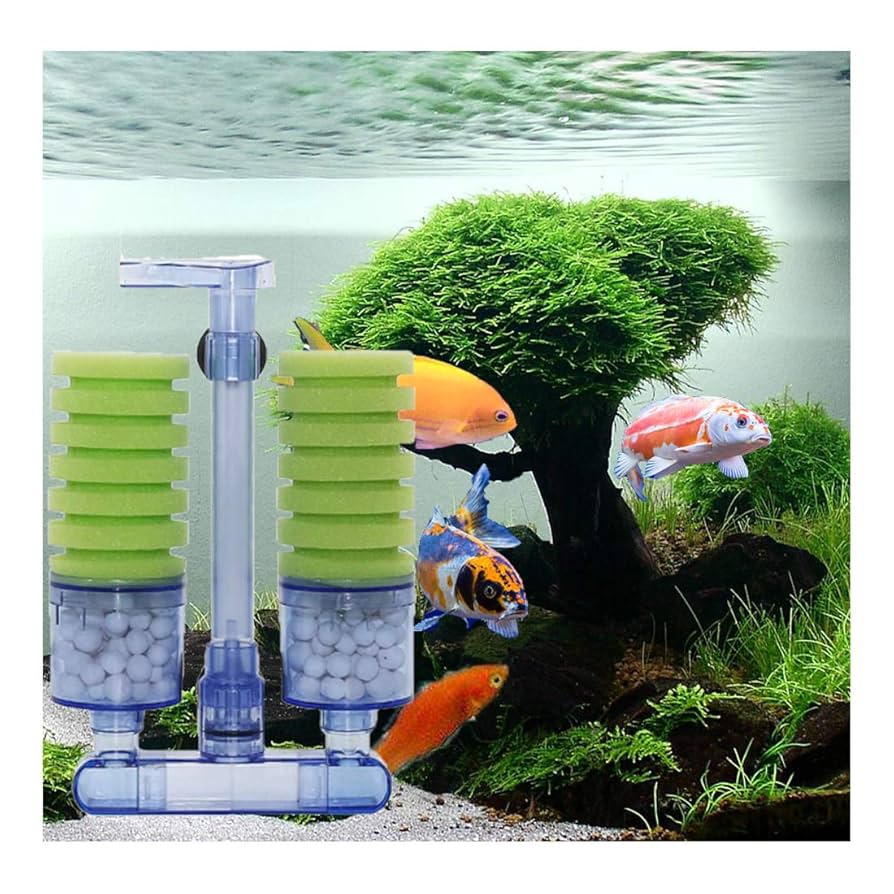
Sponge filters are simple devices used in fish tanks. They help clean water and keep fish healthy.
These filters are popular because they use a sponge to trap dirt and provide a home for good bacteria.
How Sponge Filters Work
Sponge filters use an air pump to push air through a tube. The air moves water through the sponge.
Water passes through the sponge, where dirt and debris get trapped. Good bacteria grow on the sponge.
- Air pump pushes air into the filter
- Water flows through the sponge
- Sponge traps dirt and debris
- Bacteria clean harmful substances
- Clean water goes back to the tank
Benefits For Aquarium Health
Sponge filters help keep water clean by removing waste. This makes the tank safer for fish.
Good bacteria on the sponge break down harmful chemicals like ammonia. This improves water quality.
- Removes dirt and waste
- Supports beneficial bacteria growth
- Improves water quality
- Prevents harmful chemicals buildup
- Creates a safe environment for fish
Ideal Tank Types
Sponge filters work best in small to medium tanks. They are great for tanks with gentle water flow needs.
They are ideal for tanks with small fish, shrimp, or fry. Sponge filters do not harm delicate creatures.
- Small to medium freshwater tanks
- Breeding tanks with fry
- Tanks with shrimp or small fish
- Low-flow tanks needing gentle filtration
Internal Filter Essentials
Internal filters clean aquarium water by removing waste and debris. They sit inside the tank and help keep water clear.
These filters are popular because they are easy to install and maintain. They use mechanical and biological filtration to keep fish healthy.
Functionality And Design
Internal filters pump water through sponges or filter media. This traps dirt and provides space for good bacteria to grow.
Most have a small motor and a suction cup to attach inside the tank. They are compact and do not take up much space.
- Water enters the filter through an intake tube
- Filter media captures debris and harmful substances
- Clean water flows back into the aquarium
- Built-in aeration helps oxygenate the water
Advantages For Water Quality
Internal filters provide good water circulation and filtration. They help remove waste and harmful chemicals from the aquarium.
They also support beneficial bacteria that break down fish waste. This keeps the water safe for fish and plants.
- Mechanical filtration removes solid waste
- Biological filtration breaks down toxins
- Improves oxygen levels in the tank
- Maintains clear and healthy water
Suitable Aquarium Sizes
Internal filters work best in small to medium tanks. They fit well in tanks that hold between 5 and 30 gallons.
They may not be strong enough for very large aquariums. For big tanks, larger or external filters are better.
- Ideal for tanks from 5 to 30 gallons
- Good choice for small fish and shrimp tanks
- Easy to use in desktop or small home aquariums
- Not recommended for tanks over 50 gallons
Comparing Filtration Efficiency
Filters help keep aquarium water clean and healthy. Sponge filters and internal filters work differently. Each type has its own way to clean the water.
We will compare how well they clean water by looking at mechanical, biological, and chemical filtration.
Mechanical Filtration
Mechanical filtration removes dirt and debris from water. Sponge filters use foam to trap particles. Internal filters use sponges or pads inside the unit.
Sponge filters catch larger particles well but may need cleaning often. Internal filters can have multiple layers to catch small and large debris.
- Sponge filters trap visible particles on the foam surface.
- Internal filters use sponges, pads, or floss for better particle removal.
- Internal filters often have higher flow to move more water.
Biological Filtration
Biological filtration uses good bacteria to break down harmful waste. Sponge filters provide a large surface for bacteria to grow. The porous foam is ideal for bacteria.
Internal filters also support bacteria growth but may have less surface area. Some use special media designed for bacteria to increase efficiency.
- Sponge filters create a safe place for bacteria on the foam.
- Internal filters use bio-media like ceramic rings or sponges.
- Bacteria in both filters help keep water safe for fish.
Chemical Filtration
Chemical filtration removes toxins and odors from water. Sponge filters usually do not offer chemical filtration. They focus on mechanical and biological cleaning.
Internal filters often include chemical media like activated carbon. This helps remove harmful chemicals and clear the water better.
- Sponge filters lack chemical filtration media.
- Internal filters can hold activated carbon or other chemical media.
- Chemical filtration removes odors, discoloration, and toxins.
Credit: www.amazon.com
Impact On Fish And Plants
Choosing the right filter affects fish health and plant growth in aquariums. Sponge filters and internal filters work differently. Understanding their impact helps keep fish and plants safe.
This guide compares sponge filters and internal filters on three main points. Safety for small fish and fry, effect on plant growth, and noise levels and disturbance.
Safety For Small Fish And Fry
Sponge filters are gentle and protect small fish and fry. They do not create strong currents that can harm tiny fish. Internal filters have stronger suction. They can trap or injure small fish and fry.
- Sponge filters:Safe for fry, gentle water flow.
- Internal filters:Strong suction, risk for small fish.
- Use sponge filters:In breeding tanks and fry tanks.
- Internal filters:Better for larger fish tanks.
Effect On Plant Growth
Both filters help keep water clean. Clean water supports healthy plant growth. Sponge filters move water slowly and keep nutrients in the substrate. Internal filters create stronger flow that may disturb plant roots.
| Filter Type | Water Flow | Plant Root Impact | Nutrient Retention |
| Sponge Filter | Gentle | Low | High |
| Internal Filter | Strong | Medium to High | Medium |
Noise Levels And Disturbance
Sponge filters are quieter since they use air pumps. Internal filters have motors that can be noisy. Noise can stress fish and plants. Quiet filters create a calm tank environment.
- Sponge filters: Low noise, less disturbance.
- Internal filters: Moderate noise, possible stress.
- Choose filters based on tank size and noise tolerance.
Maintenance And Longevity
Choosing between a sponge filter and an internal filter depends on how easy they are to maintain. It also depends on how long they last. Both filters help keep your aquarium clean but need different care.
This guide explains how to clean each filter type, how often to replace parts, and the cost over time.
Cleaning Procedures
Sponge filters need gentle cleaning to keep beneficial bacteria alive. Rinse the sponge in tank water during water changes. Avoid soap or harsh chemicals.
Internal filters have multiple parts like sponges, cartridges, and impellers. Clean these parts separately. Use tank water to rinse sponges and wipe other parts carefully.
- Remove sponge filter and squeeze it in tank water.
- Take apart internal filter and rinse sponges and cartridges in tank water.
- Clean impeller with a soft brush to remove debris.
- Reassemble filters and place them back in the tank.
Filter Replacement Frequency
Sponge filters usually last for years if cleaned properly. Replace the sponge only when it breaks apart or smells bad.
Internal filter parts wear out faster. Replace cartridges every 3 to 4 weeks. Sponges can last several months. Impellers may need replacement yearly or if noisy.
- Sponge filters: Replace sponge every 1-2 years or if damaged.
- Internal filters: Replace cartridges monthly.
- Internal filter sponges: Replace every 3-6 months.
- Impeller: Replace yearly or if performance drops.
Cost Over Time
Sponge filters cost less upfront and have fewer replacement parts. They save money over time if cleaned well.
Internal filters are more expensive initially. Replacement cartridges add to cost. You may spend more on parts and electricity.
| Filter Type | Initial Cost | Replacement Parts Cost | Electricity Cost | Total Cost Over Time |
|---|---|---|---|---|
| Sponge Filter | Low | Low (sponge replacement) | None (no motor) | Low |
| Internal Filter | Medium to High | Medium to High (cartridges, impeller) | Yes (runs on electricity) | Higher |

Credit: www.reddit.com
Energy Consumption And Efficiency
Fish tanks need filters to keep water clean. Two common types are sponge filters and internal filters. Both have different energy consumption and efficiency.
Understanding their power use can help you save money and energy. Let’s compare their energy efficiency and find tips to save power.
Power Usage Comparison
Sponge filters use air pumps to move water. They consume less power than internal filters. Internal filters have electric motors, which use more energy.
Internal filters clean water faster but need more electricity. Sponge filters are slower but more energy-efficient.
| Filter Type | Power Usage |
| Sponge Filter | Low |
| Internal Filter | High |
Energy-saving Tips
Choose a filter that fits your tank size. Bigger tanks need more powerful filters, but smaller tanks can use less energy with sponge filters.
Clean filters regularly to keep them efficient. Dirty filters work harder and use more power.
- Use a timer to control filter operation hours
- Turn off lights when not needed
- Check for energy-efficient models
Choosing The Right Filter
Choosing the right filter is important for a healthy aquarium. Sponge and internal filters are popular choices for many fish tanks.
Each type of filter has its own benefits. It’s important to match the filter to your specific tank needs.
Matching Filter To Tank Size
The size of your tank determines the type of filter you need. A sponge filter works well for smaller tanks.
Internal filters are better for larger tanks. They provide more powerful filtration.
- Sponge filters: Best for tanks under 20 gallons
- Internal filters: Suitable for tanks over 20 gallons
Considering Fish Species
Different fish species have different needs. Some fish like gentle water flow. Others prefer stronger currents.
Sponge filters create gentle flow. This is good for small or delicate fish. Internal filters create stronger flow. They are better for larger or active fish.
- Sponge filters: Ideal for bettas, guppies, and shrimp
- Internal filters: Suitable for cichlids and larger fish
Budget And Preferences
Your budget is important when choosing a filter. Sponge filters are often less expensive.
Internal filters can be more costly, but they offer more features. Consider your preferences and how much you want to spend.
| Filter Type | Cost Range |
| Sponge Filter | $5 – $15 |
| Internal Filter | $20 – $50 |
Frequently Asked Questions
What Are The Main Differences Between Sponge And Internal Filters?
Sponge filters use air bubbles for water flow and biological filtration. Internal filters rely on a motor to pump water through mechanical, chemical, and biological media. Sponge filters are gentler, ideal for small tanks or fry, while internal filters suit larger tanks needing stronger filtration.
Which Filter Is Better For Small Aquariums?
Sponge filters are better for small aquariums. They provide gentle filtration without strong currents, perfect for delicate fish and fry. They are also affordable, easy to maintain, and promote beneficial bacteria growth. Internal filters may overpower small tanks with high water flow.
How Do Sponge Filters Support Beneficial Bacteria Growth?
Sponge filters have a porous surface that traps debris and hosts beneficial bacteria. These bacteria break down harmful ammonia and nitrites, improving water quality. The slow water flow through the sponge ensures effective biological filtration, making sponge filters excellent for maintaining a healthy aquarium environment.
Can Internal Filters Handle Heavy Waste Better Than Sponge Filters?
Yes, internal filters handle heavy waste better due to their powerful pumps. They provide mechanical filtration that removes debris quickly and chemical filtration to eliminate toxins. Sponge filters are less efficient with heavy waste but excel in biological filtration and gentle water flow.
Conclusion
Choosing between a sponge filter and an internal filter depends on your tank needs. Sponge filters work well for small tanks and gentle filtration. Internal filters fit better in larger tanks and provide stronger water flow. Both keep water clean and fish healthy.
Think about your aquarium size and fish type before deciding. Either filter can help create a safe home for your fish. Simple, effective, and easy to use — the right filter makes a difference.