
Are you looking for a way to improve your breeding monitoring process? Using LED lighting can make a big difference.
It helps you see details more clearly while saving energy and reducing stress on your animals. Imagine having better control and accuracy without spending extra time or money. You’ll discover how LED lighting can transform your breeding setup and give you the results you want.
Keep reading to find out how to make your monitoring easier and more effective.

Credit: www.agproud.com
Benefits Of Led Lighting
LED lighting is a smart choice for breeding monitoring. It offers many advantages that help improve the process.
Using LED lights can save energy, last longer, and provide better light quality for animals during breeding.
Energy Efficiency
LED lights use less electricity than traditional bulbs. This helps reduce energy bills and lowers environmental impact.
- Lower power consumption
- Less heat production
- Reduced need for cooling systems
- Supports sustainable breeding practices
Long Lifespan
LED bulbs last much longer than other lighting types. This means fewer replacements and less maintenance work.
| Lighting Type | Average Lifespan |
| LED | 25,000–50,000 hours |
| Incandescent | 1,000–2,000 hours |
| Fluorescent | 7,000–15,000 hours |
Improved Light Quality
LED lights provide clear and consistent light. This helps in better observation of animals and their behavior.
- High color rendering for natural appearance
- Adjustable brightness levels
- Less flicker and glare
- Even light distribution
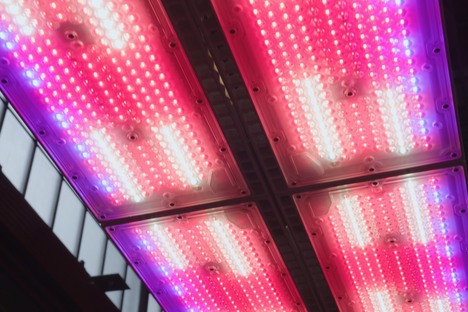
Credit: www.hortidaily.com
Key Features For Breeding Monitoring
LED lighting plays a vital role in breeding monitoring. It helps observe animals clearly and safely. Proper lighting supports better care and tracking of breeding progress.
Using the right LED features improves visibility. It also reduces stress for animals during monitoring. Here are the key features to consider.
Adjustable Light Spectrum
Adjustable light spectrum allows changing the color of light. This helps match the lighting to different animal needs. It creates a natural environment for breeding.
Different light colors can affect animal behavior and health. Adjusting the spectrum supports better growth and reduces stress.
- Supports natural day and night cycles
- Reduces animal discomfort
- Enhances observation with correct color tones
Dimmable Brightness
Dimmable brightness lets you control how bright the light is. You can lower the brightness to avoid startling animals. Increasing brightness helps with close observation.
This feature allows you to adjust light based on the time of day or animal activity. It creates a calm and comfortable space for breeding.
- Customizable light levels for different needs
- Reduces energy use by dimming when possible
- Improves animal comfort during monitoring
Consistent Light Exposure
Consistent light exposure means stable lighting without flicker. This helps animals keep their natural rhythms. It also prevents stress caused by sudden light changes.
Stable lighting makes monitoring easier and more reliable. It ensures that animals are seen clearly at all times.
- Prevents animal stress from light changes
- Supports regular breeding cycles
- Improves accuracy of observations
Impact On Breeding Success
LED lighting plays a key role in breeding monitoring. It affects animal health and breeding outcomes.
Careful control of light helps breeders observe animals and improve success rates.
Enhanced Animal Behavior
Proper LED lighting encourages natural animal behaviors. This helps animals stay active and healthy.
- Improves movement and feeding patterns
- Supports social interactions among animals
- Enhances visibility for monitoring
Optimized Reproductive Cycles
LED light affects hormone levels that control reproduction. This keeps cycles regular and predictable.
| Light Duration | Effect on Reproduction |
| Short Days | Triggers resting phase |
| Long Days | Stimulates breeding activity |
| Consistent Light | Maintains cycle stability |
Reduced Stress Levels
LED lighting lowers stress by creating a calm environment. Animals stay relaxed and healthy.
- Soft light reduces eye strain
- Stable lighting avoids sudden changes
- Comfortable conditions support immune health
Installation Tips
Using LED lighting helps monitor breeding areas clearly. Proper installation is key for best results.
Follow simple tips to place and set LED lights correctly. This improves visibility and animal comfort.
Ideal Placement
Place LED lights where they shine evenly over the breeding area. Avoid direct light on animals’ eyes.
Mount lights high enough to cover the whole space. Use multiple lights for large or divided areas.
- Install lights above the breeding pens
- Keep lights away from animal resting spots
- Ensure no shadows block important views
Recommended Light Intensity
Use soft, moderate light to avoid stressing animals. Bright lights can cause discomfort and change behavior.
Adjust light intensity based on the species and size of the breeding area. Use dimmable LEDs if possible.
- Keep light levels between 100 and 300 lux
- Use adjustable settings to find the best brightness
- Check animal reactions and adjust if needed
Timing And Duration
Set lighting times to match natural day and night cycles. Consistent timing helps animals stay calm.
Use timers to control when lights turn on and off. Avoid very long or continuous lighting periods.
- Light breeding areas 12 to 16 hours per day
- Turn off lights during natural dark hours
- Use gradual dimming to reduce sudden changes
Case Studies And Results
LED lighting is used in breeding monitoring to improve animal welfare and productivity. Studies show how different species respond to specific light settings.
This section shares case studies from poultry, aquaculture, and small mammals. Each example highlights results and benefits of LED lighting.
Poultry Breeding
LED lights helped increase egg production in poultry farms. Different light colors affected bird behavior and laying cycles.
- Blue light reduced stress and improved calmness.
- Red light stimulated egg-laying activity.
- White light supported normal feeding patterns.
Aquaculture
LED lighting enhanced fish growth and survival rates. Controlled light cycles helped mimic natural environments for better breeding results.
| Species | Light Color | Result |
| Tilapia | Green | 30% faster growth |
| Salmon | Blue | Higher survival rate |
| Catfish | White | Improved feeding |
Small Mammals
LED lighting helped regulate breeding cycles of small mammals. Light intensity and duration affected mating behavior and offspring health.
Key findings from small mammals study:
- Longer light periods increased mating frequency.
- Lower light intensity reduced aggression.
- Balanced light schedules improved pup survival.

Credit: www.amazon.ca
Cost Considerations
Using LED lighting for breeding monitoring can save money over time. It’s important to understand the costs involved.
Initial costs might seem high, but long-term savings and benefits often outweigh them.
Initial Investment
Buying LED lights for breeding can cost more than traditional lights. Consider the size and number of areas to light.
Installation can add to the initial cost. You may need professional help to set them up correctly.
Maintenance Savings
LED lights last longer than regular lights. This means fewer replacements and less maintenance work.
LEDs use less energy, which lowers electricity bills. They also produce less heat, reducing cooling costs.
Return On Investment
Over time, savings from maintenance and energy can cover the initial investment. This makes LEDs a smart choice for breeding monitoring.
Calculating the return on investment helps in understanding when you will start saving money after the initial expenses.
- Lower energy bills
- Reduced maintenance costs
- Longer lifespan of lighting
Future Trends In Led Breeding Lighting
LED lighting is changing how we monitor breeding. It helps create better environments for animals. Let’s explore the future trends.
These trends focus on smart systems, tech integration, and sustainable practices. They make breeding monitoring more efficient.
Smart Lighting Systems
Smart lighting systems adjust to animal needs. They use sensors to change light levels. This helps create the best conditions for breeding.
These systems can be controlled remotely. Farmers can check and change settings from anywhere.
- Automatic brightness adjustment
- Remote monitoring and control
- Energy-efficient operations
Integration With Monitoring Tech
LED lighting can connect with other tech tools. It works with cameras and sensors for better monitoring. This integration provides real-time data.
Farmers get alerts on changes in the environment. They can act fast to solve issues.
| Technology | Function |
| Sensors | Detect light and temperature |
| Cameras | Provide live video feeds |
Sustainable Practices
Sustainability is important in breeding. LED lighting uses less energy and lasts longer. It reduces waste and saves money.
Using sustainable practices helps the environment. It also improves the welfare of animals.
- Lower energy consumption
- Longer lifespan of lights
- Reduced environmental impact
Frequently Asked Questions
What Are The Benefits Of Led Lighting For Breeding Monitoring?
LED lighting offers energy efficiency, longer lifespan, and consistent light quality. It improves visibility without disturbing animals, enabling accurate and stress-free monitoring of breeding behaviors and conditions.
How Does Led Lighting Affect Animal Breeding Cycles?
LED lighting can simulate natural light cycles, influencing breeding hormones and behaviors. Proper light timing helps regulate reproductive cycles and enhances breeding success rates in controlled environments.
Can Led Lighting Improve Breeding Monitoring Accuracy?
Yes, LED lighting provides clear, adjustable illumination that enhances observation. It reduces shadows and glare, helping breeders detect subtle changes and ensuring precise monitoring of breeding progress.
Is Led Lighting Safe For Breeding Animals?
LED lighting is safe and non-invasive. It emits minimal heat and no harmful UV rays, reducing stress and risk of injury to animals during breeding monitoring.
Conclusion
LED lighting improves breeding monitoring by providing clear visibility. It helps spot changes and track animal behavior easily. Bright, consistent light supports better observation during all hours. Using LED lights saves energy and reduces heat near animals. This creates a safer, more comfortable environment for breeding.
Choosing LED lighting can make monitoring simpler and more effective. Small changes in lighting can lead to big improvements. Keep LED lighting as a key tool in breeding setups. It supports healthy breeding and good animal care.