
Is your aquarium filter acting up and leaving your tank cloudy or smelly? You’re not alone.
A properly working filter is the heart of a healthy aquarium, keeping water clean and your fish happy. But when it stops working right, it can be frustrating and confusing. Don’t worry—you’re about to discover simple, effective ways to troubleshoot your aquarium filter.
By the end of this article, you’ll know exactly how to fix common problems and keep your underwater world thriving. Ready to dive in and solve your filter issues once and for all? Let’s get started!

Credit: m.youtube.com
Common Filter Problems
Aquarium filters help keep water clean and safe for fish. Sometimes, filters stop working well. This guide covers common filter problems and how to spot them.
Knowing these problems helps you fix your filter fast. This keeps your fish healthy and happy.
Filter Not Running
If your filter is not running, the water does not get cleaned. This can harm your fish quickly. Check if the filter is plugged in and switched on.
Sometimes debris blocks the motor or impeller. Clean the filter parts carefully to remove any dirt or hair.
- Make sure power is connected
- Check for clogged impeller
- Clean filter parts regularly
- Replace broken parts if needed
Low Water Flow
Low water flow means the filter moves water slowly. This reduces cleaning power. Debris in the filter or hoses can cause this issue.
Make sure the hoses are not bent or clogged. Clean or replace filter media if it is dirty or old.
- Inspect hoses for kinks or blockages
- Clean filter sponges and pads
- Replace worn filter media
- Check impeller for damage
Unpleasant Odors
Bad smells from your aquarium often mean the filter is dirty. Waste and debris build up inside the filter media and cause odors.
Clean the filter media regularly. Change water often to reduce smells and keep the tank fresh.
- Rinse filter media in tank water
- Remove old or rotten food
- Perform regular water changes
- Check for dead fish or plants
Cloudy Water Issues
Cloudy water shows tiny particles floating in the tank. This can happen if the filter is not working well or is dirty.
Cleaning the filter and replacing the media often clears the water. Avoid overfeeding fish to prevent waste buildup.
- Clean or replace filter media
- Check filter flow rate
- Feed fish only what they eat
- Perform partial water changes

Credit: www.reddit.com
Filter Maintenance Tips
Keeping your aquarium filter clean helps fish stay healthy. Regular care makes the filter work well.
Simple steps can keep the filter running smoothly. Check the parts often to avoid problems.
Cleaning Filter Media
Filter media traps dirt and debris from the water. Clean it to keep water clear and safe.
Rinse the media in tank water, not tap water. This keeps good bacteria alive.
- Remove media carefully from the filter
- Use aquarium water to rinse gently
- Do not scrub or use soap
- Replace media if it looks worn or broken
Replacing Worn Parts
Parts like sponges and cartridges wear out over time. Replace them to keep the filter working well.
Check parts for tears, holes, or damage. Old parts reduce filter efficiency and water quality.
- Inspect sponges for holes or wear
- Replace cartridges if dirty or damaged
- Use parts made for your filter model
- Keep spare parts on hand for quick changes
Checking Tubing And Connections
Look at tubes and connections for leaks or blockages. Clear tubes keep water flowing freely.
Loose connections can cause leaks or stop the filter. Make sure all parts fit snugly.
- Check tubing for cracks or bends
- Clear any blockages in tubes
- Tighten all hose clamps and fittings
- Replace damaged tubes right away
Quick Fixes For Clear Water
Clear water is important for a healthy aquarium. Cloudy or dirty water can harm fish and plants.
Fixing water problems often starts with the aquarium filter. You can try simple steps to improve water clarity.
Adjusting Flow Rate
The flow rate controls how fast water moves through your filter. Too fast or too slow flow can cause cloudy water.
Lower the flow if water stirs up too much dirt. Raise it if water stays still and dirty particles settle.
- Check filter settings for flow control
- Adjust slowly and watch water clarity
- Keep flow steady for best results
Removing Debris
Debris like uneaten food and plant waste can block the filter and cloud water. Remove debris regularly to help.
Use a net to scoop out floating debris. Clean the filter media if it looks dirty or clogged.
- Skim surface to remove leaves and waste
- Vacuum gravel to clear settled debris
- Rinse filter parts in tank water only
Balancing Tank Chemistry
Water chemistry affects filter efficiency and clarity. Test your water for pH, ammonia, and nitrites often.
Keep chemical levels stable to support good bacteria that clean the water. Change water if chemicals are high.
- Test water weekly with simple kits
- Keep pH between 6.5 and 7.5 for most fish
- Perform 20% water changes if needed
Choosing The Right Filter
Choosing the right aquarium filter keeps your tank clean and healthy. A good filter helps remove waste and toxins from the water.
Filters come in many types and sizes. You need to pick one that fits your tank and fish needs.
Filter Types Comparison
There are several filter types for aquariums. Each type works differently and suits different tanks.
- Hang-On-Back (HOB) Filters:Easy to install and clean. Good for small to medium tanks.
- Canister Filters:Powerful and quiet. Best for larger tanks and heavy fish loads.
- Internal Filters:Placed inside the tank. Suitable for small tanks or shrimp tanks.
- Sponge Filters:Gentle water flow. Great for fry and small fish tanks.
- Undergravel Filters:Hidden under the gravel. Helps with biological filtration.
Matching Filter To Tank Size
Filters must match your tank size. A filter that is too small will not clean the water well.
Most filters show the tank size range they support. Choose one at the high end of your tank size for better results.
| Tank Size (Gallons) | Recommended Filter Type | Filter Power (GPH) |
|---|---|---|
| Up to 10 | Internal or Sponge Filter | 100-150 |
| 10-30 | Hang-On-Back (HOB) Filter | 150-300 |
| 30-75 | Canister or Larger HOB Filter | 300-500 |
| 75+ | Canister Filter | 500+ |
Preventing Future Filter Issues
A clean and well-maintained aquarium filter keeps your tank healthy. Preventing filter problems saves time and protects fish.
Simple habits help avoid common filter troubles. Regular care improves filter function and water quality.
Regular Maintenance Schedule
Set a routine to clean and check your filter parts. This keeps the filter working well and stops blockages.
Replace filter media as the instructions say. Clean sponges and cartridges gently with tank water.
- Clean filter every 2 to 4 weeks
- Check intake tubes for clogs
- Replace media based on manufacturer advice
- Inspect filter motor for unusual sounds
Monitoring Water Quality
Test your aquarium water regularly to keep fish safe. Good water quality helps the filter work better.
Watch for changes in water clarity, smell, or fish behavior. These can signal filter or water problems.
- Use water test kits weekly
- Check ammonia, nitrate, and nitrite levels
- Keep pH stable for your fish type
- Change water if tests show poor quality
Avoiding Overfeeding
Feed fish the right amount to stop leftover food. Extra food clogs filters and pollutes water.
Feed small portions and remove uneaten food after a few minutes. This keeps the tank cleaner and the filter clear.
- Feed only what fish eat in 2 minutes
- Feed 1 to 3 times a day depending on fish
- Use sinking pellets to reduce waste
- Clean uneaten food promptly
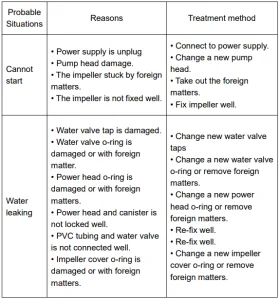
Credit: www.vevor.com
Frequently Asked Questions
Why Is My Aquarium Filter Not Working Properly?
Your aquarium filter may be clogged, dirty, or improperly installed. Check for debris buildup and clean the filter media regularly. Ensure the power supply is connected and the pump is running smoothly. Proper maintenance improves water flow and keeps the filter functioning efficiently.
How Often Should I Clean My Aquarium Filter?
Clean your aquarium filter every 2 to 4 weeks, depending on tank size and fish load. Avoid over-cleaning, as it removes beneficial bacteria. Rinse filter media gently with tank water to preserve bacteria colonies. Regular cleaning keeps water clear and fish healthy.
What Causes Low Water Flow In Aquarium Filters?
Low water flow often results from clogged filter media or blocked intake tubes. Debris, algae, or buildup can restrict flow. Check and clean all filter parts regularly. Proper maintenance ensures efficient filtration and healthy aquarium conditions.
How Do I Fix Noisy Aquarium Filters?
Noisy filters may have trapped air, loose parts, or worn-out impellers. Remove air bubbles by tilting the filter or priming it. Tighten any loose components and replace damaged impellers. Regular maintenance reduces noise and prolongs filter life.
Conclusion
Troubleshooting your aquarium filter keeps water clean and fish healthy. Check the filter parts often for clogs or damage. Clean or replace parts as needed to keep water clear. Watch for unusual noises or slow water flow. These signs mean your filter needs attention.
Regular care helps your aquarium stay a happy home. Simple steps can prevent big problems later. Keep learning and caring for your tank. Your fish will thank you with vibrant colors and lively behavior.