
Setting up the perfect fish tank for tropical breeding can feel tricky, but it doesn’t have to be. If you want healthy, thriving baby fish, the right environment is key.
Imagine watching your vibrant tropical fish multiply right before your eyes, all because you created the ideal home for them. In this guide, you’ll discover simple steps and expert tips to turn your tank into a safe, comfortable breeding ground.
Ready to transform your aquarium and enjoy the rewarding experience of tropical fish breeding? Let’s dive in and make it happen!

Credit: www.pond-planet.co.uk
Choosing The Right Tank
Setting up a fish tank for tropical breeding needs careful planning. The tank you pick affects fish health and breeding success.
Learn how to choose the right tank by looking at size, material, and shape. These factors help create a good environment.
Ideal Tank Size
The tank must be large enough for adult fish and their babies. Small tanks can cause stress and poor water quality.
- Start with at least 20 gallons for small tropical fish.
- Use 30 gallons or more for bigger species.
- More space helps keep water stable and fish happy.
Material Options
Choose between glass and acrylic tanks. Each has good and bad points for breeding setups.
| Material | Advantages | Disadvantages |
| Glass | Scratch resistant, clear view | Heavier, can break |
| Acrylic | Lighter, better insulation | Scratches easily, costlier |
Tank Shape Considerations
The shape of the tank affects swimming space and water flow. Choose shapes that suit breeding behavior.
- Rectangular tanks offer more surface area for oxygen.
- Tall tanks may reduce swimming space for some species.
- Bow-front tanks give a wide view but cost more.
Selecting Tropical Fish Species
Choosing the right tropical fish is key for a successful breeding tank. Fish species differ in care needs and breeding habits.
Learn about popular breeding fish, how to check compatibility, and how behavior affects your tank setup.
Popular Breeding Fish
Some tropical fish are easier to breed and care for. They also show interesting breeding behaviors.
- Guppies: Small, colorful, breed quickly in community tanks.
- Platies: Hardy fish with many color varieties, peaceful breeders.
- Angelfish: Elegant, need taller tanks, breed in pairs.
- Betta Fish: Males are aggressive, best bred alone.
- Discus: Require stable water and care, known for parental care.
Compatibility Factors
Compatibility means fish can live and breed without stress or fighting. Check size, water needs, and diet.
| Factor | Details |
| Tank Size | Choose fish that fit well in your tank volume. |
| Water Parameters | Match fish that need similar pH and temperature. |
| Diet | Select species with compatible food requirements. |
| Breeding Style | Separate species that need different breeding setups. |
Temperament And Behavior
Temperament affects peace in the tank. Some fish are shy, others are aggressive.
- Peaceful fish like Corydoras do well in groups and mixed tanks.
- Aggressive fish like Bettas may attack others, need separate tanks.
- Territorial species need hiding spots to reduce fights.
- Schooling fish prefer to live in groups of five or more.
Water Conditions Essentials
Setting up the right water conditions is key for tropical fish breeding. Healthy water helps fish lay eggs and grow strong fry. You must keep water clean and stable.
This guide covers the basics of temperature, pH, hardness, filtration, and aeration. These factors create a safe environment for breeding fish.
Optimal Temperature Range
Tropical fish need warm water to breed well. Most species do best between 75°F and 82°F (24°C to 28°C). Keep a heater to maintain steady heat. Avoid sudden temperature changes.
Ph And Hardness Levels
Fish breed better in specific pH and hardness ranges. The ideal pH depends on your fish species but usually falls between 6.5 and 7.5. Water hardness affects egg development and fry health.
| Water Parameter | Recommended Range |
| pH Level | 6.5 – 7.5 |
| General Hardness (GH) | 4 – 12 dGH |
| Carbonate Hardness (KH) | 3 – 8 dKH |
Filtration And Aeration
Good filtration keeps the water clean by removing waste. Use a gentle filter so eggs and fry do not get harmed. Aeration adds oxygen to the water, which fish need to breathe.
- Choose filters with adjustable flow
- Check filter media regularly for cleanliness
- Use air stones or pumps to increase oxygen
- Monitor water flow to avoid stressing fish
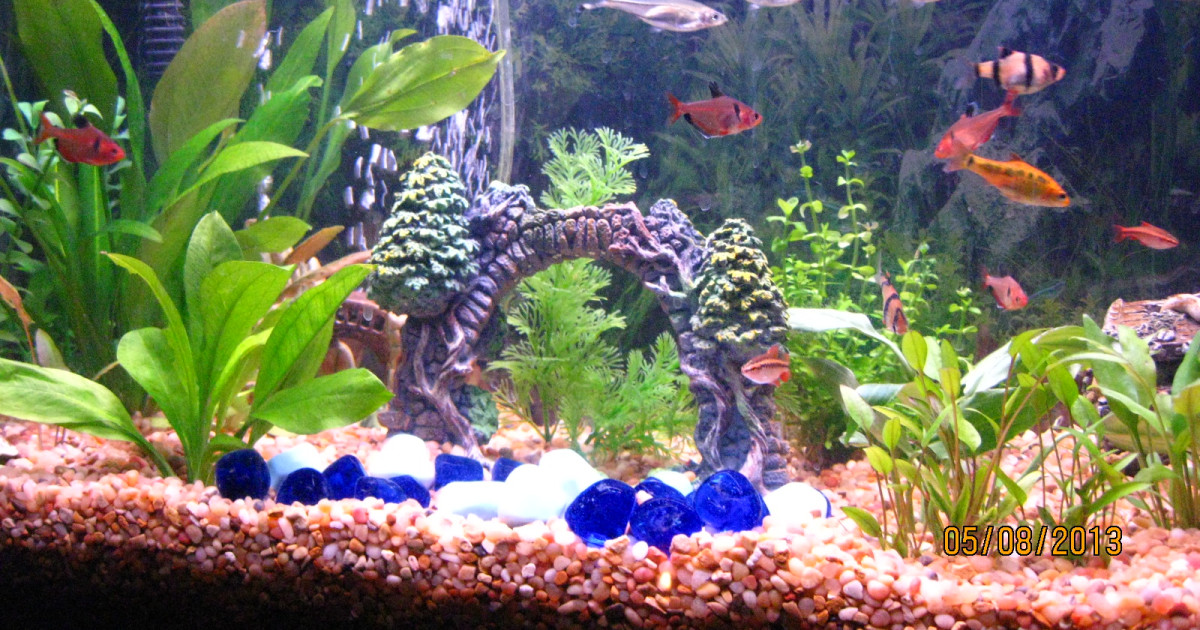
Tank Decoration And Layout
Setting up a fish tank for tropical breeding needs careful decoration and layout. The environment should support fish health and breeding behavior.
Choosing the right decorations helps create safe spaces for fish to breed and hide. It also makes the tank look natural and comfortable.
Substrate Choices
The substrate is the material on the tank bottom. It affects water quality and fish comfort. Choose a substrate that fits your fish species.
Fine sand or smooth gravel works best for tropical fish. Avoid sharp or rough materials that can harm eggs or fry.
- Fine sand allows easy digging for egg layers
- Smooth gravel prevents injury to delicate fish parts
- Dark substrates help fish feel secure and show colors well
- Clean substrates regularly to avoid waste buildup
Plants And Hiding Spots
Plants give fish places to hide and lay eggs. They also improve water quality by absorbing toxins. Use live or artificial plants depending on your setup.
Besides plants, add caves, driftwood, and rocks to create hiding spots. These areas reduce stress and protect fry from aggressive fish.
- Use dense plants like Java moss or Anubias
- Add floating plants for shade and cover
- Include small caves or tubes for shelter
- Arrange decorations to create separate zones
Breeding Traps And Dividers
Breeding traps and dividers help keep parents and fry safe. They prevent adults from eating eggs or baby fish. Use these tools to separate fish when needed.
Choose traps with fine mesh or slits for water flow. Dividers should fit the tank snugly and be easy to remove for cleaning.
- Breeding traps protect eggs and fry inside the main tank
- Dividers split the tank to separate aggressive or breeding fish
- Use transparent materials to keep fish visible
- Ensure good water circulation around traps and dividers
Feeding For Breeding Success
Feeding your tropical fish properly is key to breeding success. Good nutrition helps fish stay healthy and produce strong offspring.
Choosing the right food and feeding at the right times supports growth and mating behavior in your fish tank.
Diet Types
Tropical fish need a mix of proteins, fats, and vitamins. Live foods, frozen foods, and pellets all have benefits.
- Live foods like brine shrimp boost energy and breeding drive.
- Frozen foods are easy to store and keep nutrients fresh.
- Pellets provide balanced nutrition for everyday feeding.
- Vegetable matter helps herbivorous species stay healthy.
Feeding Frequency
| Fish Type | Feeding Times Per Day | Portion Size |
|---|---|---|
| Adults | 2 | Small, digestible portions |
| Breeding Pairs | 3 | Moderate, more protein |
| Fry (baby fish) | 4-6 | Very small, frequent feedings |
Supplements And Enhancements
Supplements improve fish health and breeding chances. Vitamins and minerals help eggs and sperm develop well.
Common supplements include:
- Vitamin-enriched flakes or pellets
- Calcium additives for strong egg shells
- Spirulina powder for immune support
Breeding Techniques
Setting up a fish tank for tropical breeding can be an exciting journey. Understanding the breeding techniques helps ensure the health of both parents and fry.
To successfully breed tropical fish, it is essential to know about the conditions and behaviors that encourage spawning. This guide will walk you through these crucial steps.
Spawning Triggers
Spawning triggers are the conditions that encourage fish to start breeding. These can include changes in water temperature, pH levels, or lighting.
- Increase water temperature slightly to mimic warmer seasons.
- Adjust pH levels to match natural habitat conditions.
- Provide a consistent light cycle, simulating dawn and dusk.
Mating Behavior
Observing mating behavior is essential for knowing when fish are ready to breed. Males often display vibrant colors and may perform dances to attract females.
Look for signs such as:
- Fin flicking and chasing
- Nesting or territory building
- Body coloration changes
Egg And Fry Care
After spawning, eggs need protection and care. Some fish species will guard their eggs, while others may require you to separate them.
| Species | Egg Care | Fry Feeding |
| Angelfish | Parental care | Baby brine shrimp |
| Guppies | Separate from adults | Crushed flakes |
| Discus | Guarded by parents | Micro worms |
Maintaining Water Quality
Fish tanks for tropical breeding need clean water. Good water quality keeps fish healthy and happy.
You need to keep a close eye on the water. Regular checks and care will help you maintain the right conditions.
Regular Testing
Testing water regularly is very important. It helps you catch issues early. You can use test kits to check pH, ammonia, and nitrite levels.
- Test water weekly for pH levels.
- Check ammonia levels to prevent fish stress.
- Ensure nitrite levels are safe for fish.
Water Changes
Changing water regularly is crucial. It removes waste and adds fresh minerals. This keeps the tank environment stable.
Plan for partial water changes. This means you do not change all the water at once, which can stress the fish.
Managing Waste
Fish produce waste that can harm water quality. Managing this waste is key to a healthy tank.
Here are some ways to manage waste:
- Use a good filter to remove debris.
- Remove uneaten food quickly.
- Vacuum the substrate regularly.
Credit: pethelpful.com
Disease Prevention And Treatment
Setting up a fish tank for tropical breeding needs careful attention to health. Preventing disease keeps fish safe and happy.
Treating illness early helps fish recover faster. Learn how to spot sickness and act quickly.
Common Tropical Fish Illnesses
Tropical fish can get many illnesses. Some common ones include fin rot, ich, and swim bladder disease.
These diseases cause different symptoms like torn fins, white spots, or trouble swimming.
- Fin rot causes ragged, decaying fins
- Ich shows small white spots on fish
- Swim bladder disease makes fish float or sink
- Fungal infections appear as cotton-like patches
- Velvet disease gives a gold or rusty film on fish
Quarantine Procedures
Quarantine new fish before adding them to your main tank. This stops disease spread.
Use a separate tank with clean water and proper temperature. Watch fish for at least two weeks.
- Keep new fish away from others
- Check daily for signs of illness
- Feed a healthy diet to boost immunity
- Change water regularly to keep it clean
- Only add fish to the main tank when they look healthy
Medication Options
Use medicine carefully to treat sick fish. Follow instructions on the package closely.
Common medicines include antibacterial, antifungal, and antiparasitic treatments.
| Medicine Type | Used For | Notes |
|---|---|---|
| Antibacterial | Bacterial infections like fin rot | Use as directed, avoid overdosing |
| Antifungal | Fungal infections on fish | Treat early for best results |
| Antiparasitic | Parasites like ich and velvet | Repeat treatment to kill all parasites |
| Salt Treatment | Some bacterial and parasite issues | Use aquarium salt, not table salt |
Monitoring Growth And Development
Watching your tropical fish fry grow helps ensure they stay healthy. You can adjust care as they develop.
Tracking growth stages and feeding habits is key to a successful breeding tank.
Fry Growth Stages
Fry pass through clear growth stages. Each stage needs specific care and feeding to thrive.
- Newly hatched:Fry rely on yolk sacs for nutrition and need gentle water flow.
- Free-swimming:Fry begin to eat small foods and need clean water.
- Juvenile:Fry grow fins and colors, requiring more space and balanced feeding.
- Adult:Fish show full colors and mature behavior; prepare for breeding if desired.
Feeding Young Fish
Young fish need frequent, small meals. Proper feeding supports fast growth and strong health.
| Age (Days) | Food Type | Feeding Frequency |
| 1-7 | Infusoria or liquid fry food | 4-6 times a day |
| 8-14 | Baby brine shrimp or finely crushed flakes | 3-4 times a day |
| 15-30 | Small pellets and live foods | 2-3 times a day |
| 31+ | Regular adult fish food | 2 times a day |
Preparing For Tank Transfers
Moving fry to new tanks needs care. Sudden changes can stress or harm them.
- Check water temperature and parameters match between tanks.
- Acclimate fry slowly to new water using drip method.
- Transfer fry gently using a small container or net.
- Keep the new tank well-filtered and clean.
- Monitor fry closely after transfer for signs of stress or illness.

Credit: www.youtube.com
Frequently Asked Questions
How Do I Prepare A Fish Tank For Tropical Breeding?
To prepare, clean the tank thoroughly and set a stable temperature between 78-82°F. Use a gentle filter and add plants or spawning mops for egg laying. Maintain water quality with regular changes and monitor pH around 6. 5-7. 5 for most tropical species.
What Are The Ideal Water Conditions For Tropical Breeding?
Ideal conditions include stable temperatures of 78-82°F, pH levels between 6. 5-7. 5, and low ammonia and nitrate levels. Regular water changes and gentle filtration help maintain cleanliness. Soft to moderately hard water is preferred depending on species for successful tropical fish breeding.
Which Fish Species Breed Best In Tropical Tanks?
Popular tropical breeders include guppies, mollies, angelfish, tetras, and bettas. These species adapt well to controlled tank conditions and have specific breeding behaviors. Choose species based on tank size, water parameters, and compatibility for optimal breeding success.
How Often Should I Change Water During Breeding?
Change 20-30% of the water weekly to maintain quality. During breeding, more frequent changes may be needed to reduce toxins. Avoid sudden temperature or pH shifts by using conditioned water at tank temperature for water changes.
Conclusion
Setting up a fish tank for tropical breeding takes care and patience. Keep water clean and stable for healthy fish. Choose the right plants and hiding spots for fry. Monitor temperature and water quality every day. A balanced environment helps fish breed successfully.
Enjoy watching new life grow in your tank. Small steps lead to great results in breeding. Start simple, learn, and improve over time. Your tropical fish will thank you with vibrant health and activity.