
If you’re serious about raising healthy fry, you know that a sturdy, reliable aquarium cabinet is more than just a piece of furniture—it’s the foundation of your success. Your fry tank needs solid support to keep your little fish safe and thriving.
But with so many options out there, how do you choose the right cabinet that fits your space, style, and budget? This guide will help you discover exactly what to look for, so your fry tank stays secure and your fish grow strong.
Keep reading, and make sure your setup is as strong as your passion for fishkeeping.
Choosing The Right Cabinet Material
Choosing a cabinet for your fry tank is important. The material affects durability and support.
Different materials offer various benefits. Consider your tank size and environment when deciding.
Wood Options And Durability
Wood cabinets look natural and fit many room styles. Common woods include pine, oak, and plywood.
- Pine is affordable but less durable.
- Oak is strong and lasts longer.
- Plywood resists warping better than solid wood.
Wood must be sealed well to avoid water damage. It may need more care over time.
Metal Cabinets For Strength
Metal cabinets offer strong support and resist pests. Steel and aluminum are common choices.
| Metal Type | Advantages | Considerations |
| Steel | Very strong, holds heavy tanks | Can rust if not coated |
| Aluminum | Lightweight, rust-resistant | Less strong than steel |
Metal cabinets need a protective finish to prevent corrosion. They last long with proper care.
Composite Materials Benefits
Composite cabinets mix materials like wood fibers and plastic. They resist water and warping well.
- Resistant to moisture and pests
- Easy to clean and maintain
- Often lighter than solid wood
- May cost more than wood or metal
Composite materials balance strength and durability. They suit humid or wet areas.
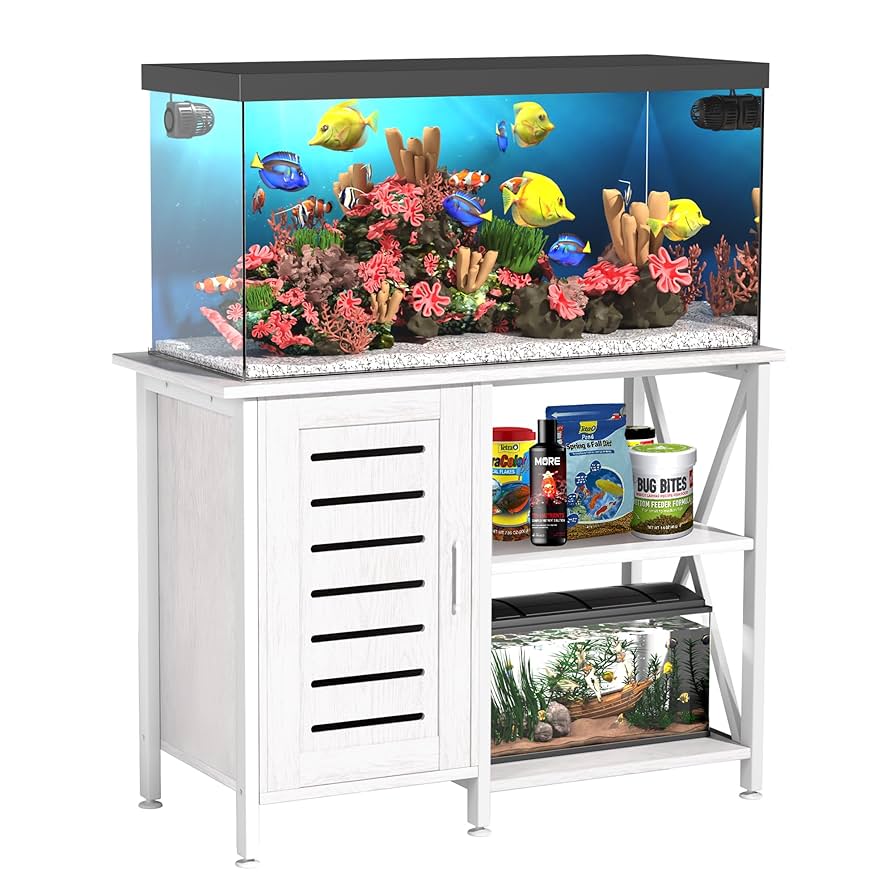
Credit: www.amazon.com
Design Features For Stability
An aquarium cabinet for fry tank support must be stable. Stability keeps the tank safe and prevents spills.
Good design features help the cabinet hold weight and stay balanced over time.
Reinforced Frames
Reinforced frames make the cabinet strong. They stop the structure from bending or breaking.
Frames often use extra wood or metal supports at key points. This adds strength to hold the tank’s weight.
- Use thick wood or metal for the frame
- Add cross braces to prevent wobbling
- Secure joints with screws or bolts
Leveling Mechanisms
Leveling mechanisms keep the cabinet flat on uneven floors. This avoids rocking or tipping.
Adjustable feet or pads help balance the cabinet. They make sure the fry tank sits evenly.
- Use adjustable leveling feet under each corner
- Include rubber pads to grip the floor
- Check the level before placing the tank
Weight Distribution Techniques
Good weight distribution spreads the load evenly. This lowers pressure on any single part of the cabinet.
Support beams and shelves placed correctly help share the tank’s weight. This prevents damage or bending.
- Use multiple support beams under the tank
- Place shelves to carry part of the load
- Center the tank to balance weight evenly
Style Elements To Complement Your Aquarium
An aquarium cabinet for your fry tank is more than just support. It is a piece of furniture that can enhance your room’s decor. Choosing the right style elements can make your aquarium stand out.
Consider the cabinet’s color, design, and features to create a harmonious look. This guide will help you select the right elements for your space.
Color Matching And Finishes
Colors in your room should match or complement each other. A mismatched cabinet can look out of place. Choose colors that blend with your existing decor.
- White cabinets can make small rooms appear larger.
- Wood finishes add warmth and a natural touch.
- Black or dark colors create a modern, sleek look.
Modern Vs Classic Designs
The design of your cabinet sets the tone for your room. Decide if you want a modern or classic look. Each style offers unique benefits.
Modern designs are simple with clean lines. Classic designs often feature detailed craftsmanship and rich finishes.
- Modern: Minimalistic, focus on function.
- Classic: Ornate, timeless beauty.
- Mix styles for a personalized touch.
Customizable Features
Customizable features allow you to tailor the cabinet to your needs. This can include adjustable shelves or special compartments.
Consider features that will help organize your aquarium supplies. Customizing your cabinet can improve both function and aesthetics.
- Adjustable shelves for flexible storage.
- Built-in lighting for a unique display.
- Hidden compartments for a clean look.
Size And Weight Considerations
Choosing the right aquarium cabinet for your fry tank is important. The cabinet must hold the tank safely and fit the space well.
Size and weight affect the cabinet’s strength and stability. You need to think about these factors before buying or building one.
Supporting Different Tank Sizes
Fry tanks come in many sizes. Your cabinet must match the tank’s length, width, and height. A wrong size can cause the tank to tip or leak.
Measure your tank carefully. The cabinet should have enough surface area to hold the tank fully. Also, consider extra space for equipment and maintenance.
Load Capacity And Safety
Aquariums are heavy when filled with water, gravel, and decorations. The cabinet must support this load without bending or breaking.
Check the weight capacity of the cabinet before use. Use strong materials and proper construction to ensure safety for your fish and home.
- Calculate total tank weight (water + tank + contents)
- Choose cabinets with weight ratings above your tank’s weight
- Use braces or reinforcements if needed for extra strength
Space Optimization
Good cabinets use space efficiently. They offer storage for food, tools, and filters while keeping the tank stable.
Think about the room size and cabinet shape. A well-sized cabinet fits nicely and keeps your aquarium area tidy.
- Choose cabinets with shelves or compartments
- Pick a cabinet height that fits your room and viewing needs
- Consider cabinets with doors to hide supplies
Storage Solutions For Fry Tank Accessories
An aquarium cabinet can hold many fry tank accessories. Good storage keeps your space neat and tools easy to find.
Organizing these items helps maintain a clean area for raising fish fry. It also protects your equipment from damage.
Shelves And Compartments
Shelves inside the cabinet provide space for bottles, nets, and food containers. Compartments separate items by type.
Adjustable shelves let you change the height to fit bigger or smaller items. Compartments keep fragile tools safe and organized.
- Use shelves for jars and feeding tools
- Keep nets and siphons in compartments
- Separate chemicals to avoid spills
Hidden Storage Options
Hidden storage hides less-used tools out of sight. This keeps the cabinet looking tidy and clutter-free.
Drawers under the cabinet or behind panels store items like extra tubing or cleaning brushes. These spots are easy to access.
- Drawers hold small tools and spare parts
- Behind-panel spaces store backup supplies
- Hidden spots keep chemicals away from children
Organizing Tools And Supplies
Use containers and holders to keep tools in order. Label each container so you find items quickly.
Hooks on the cabinet doors hold nets and scissors. Small trays or baskets hold food packets and test kits.
- Label containers for easy identification
- Hooks save space for hanging tools
- Trays and baskets group small items
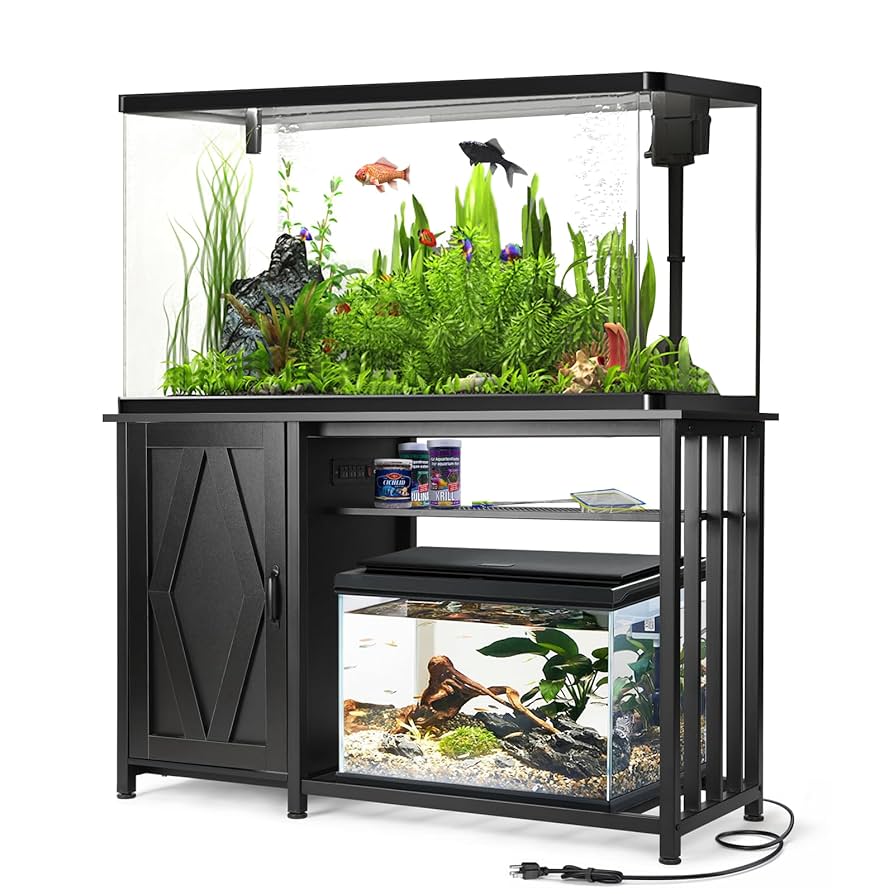
Credit: www.amazon.com
Maintenance And Longevity Tips
Keeping your aquarium cabinet in good shape helps it last longer. Regular care stops damage and keeps the tank stable.
Follow simple steps to clean, protect, and check your cabinet. These steps keep your fry tank support safe and strong.
Cleaning And Care
Clean the cabinet often to remove dust and dirt. Use a soft cloth and mild cleaner to avoid damage to the finish.
Keep water and fish food off the cabinet. Wipe spills right away to stop stains and warping.
- Use a damp cloth for cleaning
- Dry the surface completely after wiping
- Avoid harsh chemicals or abrasive pads
- Keep cabinet away from direct sunlight
Preventing Water Damage
Water can ruin wood and cause mold. Protect your cabinet by using a waterproof sealant on all surfaces.
Place a drip tray under the tank to catch leaks. Check pipes and hoses often to prevent leaks and spills.
- Apply waterproof varnish or sealant yearly
- Use plastic mats under tanks for extra protection
- Fix leaks immediately to avoid water damage
- Keep the cabinet in a dry, ventilated room
Regular Inspections
Look over your cabinet each month. Check for loose screws, cracks, or water stains.
Early repairs stop bigger problems. Tighten hardware and fix small issues fast to keep the cabinet strong.
- Check joints and corners for cracks
- Test cabinet stability by gently shaking
- Inspect for mold or mildew under the tank
- Replace worn parts as needed
Budgeting For Quality And Style
Choosing the right aquarium cabinet for a fry tank is important. It must support the tank’s weight and look good in your space.
Balancing cost and quality helps you find a cabinet that lasts and fits your style.
Cost Vs Durability
Cheap cabinets might save money now but can break or wear out fast. Strong materials like solid wood or metal cost more but last longer.
| Material | Average Cost | Durability |
| Particleboard | Low | Low |
| Solid Wood | High | High |
| Metal Frame | Medium | High |
| MDF | Medium | Medium |
Affordable Stylish Options
You can find cabinets that look good but do not cost too much. Look for simple designs and neutral colors that fit many rooms.
- Buy second-hand cabinets and repaint them
- Choose laminate finishes for a modern look
- Use open shelves to save money and add style
- Check local stores for sales or clearance items
Investing In Long-term Value
Spending more on a quality cabinet can save money over time. A strong cabinet needs fewer repairs and lasts many years.
Consider these factors for long-term value:
- Material strength to hold heavy tanks safely
- Water resistance to avoid damage from spills
- Easy maintenance to keep the cabinet looking good
- Design flexibility to match future room changes
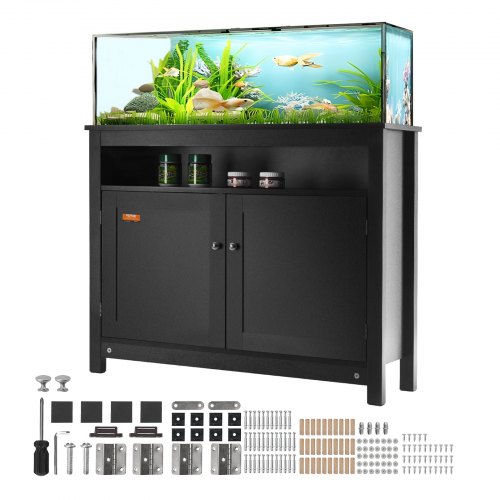
Credit: www.vevor.com
Frequently Asked Questions
What Is An Aquarium Cabinet For Fry Tank Support?
An aquarium cabinet is a sturdy stand designed to hold fry tanks securely. It provides stability, storage, and easy access for maintenance. Cabinets also help conceal equipment, promoting a clean setup and protecting young fish during growth stages.
Why Use A Cabinet For Fry Tank Support?
Using a cabinet ensures the fry tank stays level and stable. It prevents accidental tipping or damage caused by weak or uneven surfaces. Cabinets also offer extra storage for fish food, tools, and water treatment supplies, keeping everything organized.
What Materials Are Best For Aquarium Cabinets?
High-quality wood, metal, or waterproof MDF are ideal materials. They provide strength, durability, and resistance to moisture damage. Choose materials that support the tank’s weight and complement your room’s decor for both function and aesthetics.
How To Choose The Right Size Cabinet For Fry Tanks?
Measure your fry tank’s dimensions and add extra space for equipment and maintenance. The cabinet should support the tank’s weight evenly and allow easy access for feeding and cleaning. Opt for a cabinet slightly larger than the tank base.
Conclusion
Choosing the right aquarium cabinet supports your fry tank safely. It keeps your setup stable and organized. A good cabinet holds the tank’s weight without wobbling. It also hides wires and equipment neatly. This makes cleaning and feeding easier every day.
You can enjoy watching your fry grow without worry. A sturdy cabinet protects your investment long-term. Think of it as a strong base for your aquarium hobby. Simple, strong, and practical—that’s what you need.