
Are you ready to transform your aquarium into a vibrant underwater garden? Aquascaping with nutrient substrate is the secret to making your plants thrive and your tank come alive.
Imagine lush green leaves, colorful blooms, and a healthy ecosystem all supported from the bottom up. You’ll discover how the right substrate can boost plant growth, improve water quality, and make your aquascape stand out. Keep reading to learn the simple steps that will turn your aquarium into a stunning, natural masterpiece.
Benefits Of Nutrient Substrate
Nutrient substrate is a special type of soil for aquariums. It helps plants grow strong and healthy underwater.
This substrate contains important nutrients that plants need. It supports their growth and makes the tank look beautiful.
Enhanced Root Development
Nutrient substrate encourages roots to grow deeper and wider. Strong roots help plants stay stable in the tank.
Better root growth means plants can take up more nutrients and water. This leads to healthier plants overall.
Improved Nutrient Absorption
The substrate holds essential nutrients near the roots. This makes it easier for plants to absorb what they need.
Plants get steady nutrition without wasting resources. It helps them grow faster and stay green.
- Contains iron, potassium, and other minerals
- Supplies nutrients directly to plant roots
- Prevents nutrient loss in water
Long-lasting Fertility
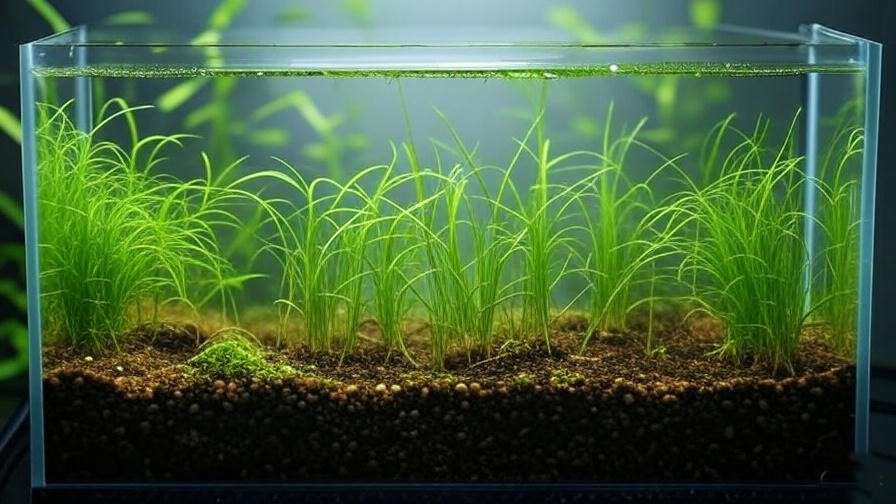
Nutrient substrate releases nutrients slowly over time. This keeps the soil fertile for many months.
Plants get a constant supply of food without frequent changes. This reduces maintenance and supports stable growth.
Credit: agricarehub.com
Types Of Nutrient Substrates
Nutrient substrates help plants grow better in aquascapes. They provide essential minerals and nutrients directly to plant roots. Choosing the right substrate affects plant health and tank appearance.
There are different types of nutrient substrates. Each type has unique features and benefits. Understanding these can help you decide which works best for your aquascape.
Clay-based Substrates
Clay-based substrates are made from natural clay materials. They release nutrients slowly over time, feeding plants steadily. These substrates also improve water quality by binding toxins.
- Rich in iron and minerals
- Good for root growth
- Improves water clarity
- Long-lasting nutrient supply
Organic-rich Substrates
Organic-rich substrates contain decomposed plant or animal matter. They provide natural nutrients and improve soil structure. These substrates support beneficial bacteria that help plants absorb nutrients.
| Type | Advantages | Considerations |
| Peat Moss | Increases acidity, adds nutrients | Can darken water initially |
| Composted Bark | Rich in organic matter | May cause ammonia spikes if fresh |
| Leaf Litter | Supports beneficial microbes | Needs periodic replacement |
Synthetic Options
Synthetic substrates are man-made materials designed to supply nutrients. They often combine clay and minerals with added fertilizers. These substrates offer controlled nutrient release and ease of use.
Common synthetic substrate features:
- Uniform grain size for easy planting
- Pre-loaded with essential nutrients
- Stable chemical composition
- Minimal impact on water parameters
Choosing The Right Substrate
Picking the right substrate is key to a healthy aquascape. The substrate supports plant roots and affects water quality.
Different substrates suit different plants and tank setups. Knowing your needs helps you choose well.
Matching Plants To Substrate
Some plants need nutrient-rich substrates to grow strong. Others do fine in inert sand or gravel.
- Root feeders like Amazon swords need nutrient substrates.
- Epiphytes like Anubias attach to wood or rocks, no substrate needed.
- Carpet plants prefer fine-grained substrates for root spread.
- Floating plants do not require substrate at all.
Considering Tank Size And Setup
Tank size influences the substrate choice and depth needed. Larger tanks may need deeper layers.
| Tank Size | Recommended Substrate Depth | Notes |
|---|---|---|
| Small (under 10 gallons) | 1-2 inches | Use fine substrate for small plants |
| Medium (10-30 gallons) | 2-3 inches | Good for most plant types |
| Large (over 30 gallons) | 3-4 inches | Supports large plants and deep roots |
Budget And Availability
Substrate prices vary based on material and brand. Some nutrient substrates cost more but last longer.
Consider these points for budget and availability:
- Local availability reduces shipping costs.
- DIY options like laterite can be cheaper.
- Mixing substrates may save money and improve nutrients.
- Check reviews to avoid low-quality products.
Preparing The Substrate Layer
The substrate layer is the base for healthy aquascaping. It holds nutrients that plants need to grow.
Setting up the substrate correctly helps plants root well and absorb nutrients efficiently.
Cleaning And Rinsing
Clean the nutrient substrate before use to remove dust and debris. This keeps the water clear and safe.
Rinse the substrate gently with water until the water runs mostly clear. Avoid washing away nutrients.
- Use a fine sieve to hold the substrate while rinsing
- Rinse with lukewarm water for best results
- Do not soak for too long to keep nutrients intact
Layering Techniques
Layer the substrate to create a nutrient-rich base with good plant support. Use different materials in layers.
Start with a thick nutrient substrate layer. Add a thin layer of inert gravel on top to keep it in place.
- Place 2-3 inches of nutrient substrate at the bottom
- Add 1-2 inches of clean gravel or sand on top
- Keep the top layer fine to prevent root damage
Combining With Other Media
Mix nutrient substrate with other materials to improve water flow and root growth. Use clay balls or gravel.
This mix helps keep the substrate loose and prevents compaction. It also helps oxygen reach plant roots.
- Combine nutrient substrate with 20-30% clay balls or expanded clay
- Use gravel to create stable areas for heavy plants
- Avoid mixing too much or nutrients will dilute
Planting Techniques For Optimal Growth
Aquascaping with nutrient substrate helps plants grow strong and healthy. Using the right techniques ensures your aquarium thrives.
Let’s explore how to select plants, plant them at the right depth, and arrange them properly.
Selecting Suitable Plants
Choose plants that match your aquarium’s environment. Consider light levels and water conditions.
- Java Fern for low-light tanks
- Anubias for moderate lighting
- Amazon Sword for high-light setups
Proper Planting Depth
Planting at the correct depth is vital for root development. Ensure roots are covered but not too deep.
| Plant Type | Recommended Depth |
| Stem Plants | 1–2 inches |
| Rooted Plants | 2–3 inches |
| Floating Plants | Surface |
Spacing And Arrangement
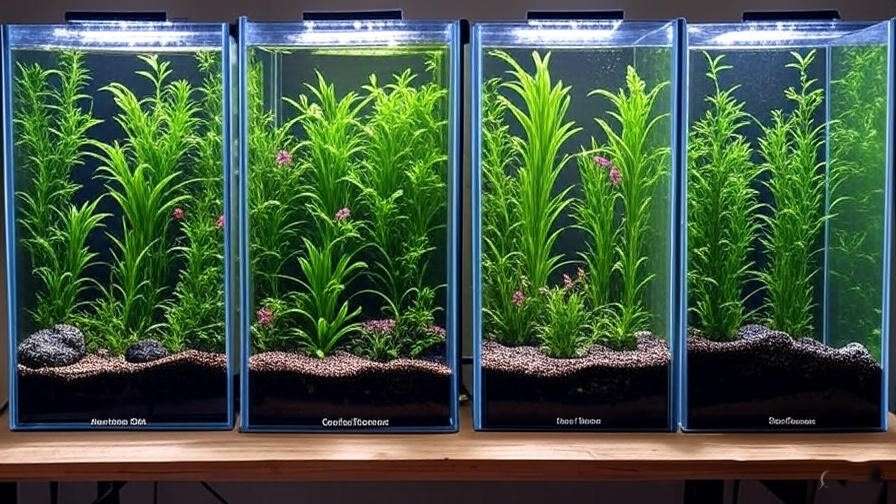
Proper spacing allows for growth and reduces competition for nutrients. Arrange plants to create visual appeal and healthy growth.
Consider this simple layout:
- Tall plants at the back
- Medium plants in the middle
- Short plants in front
Credit: agricarehub.com
Maintaining Nutrient Balance
Nutrient balance is vital for healthy aquascaping with nutrient substrates. It helps plants grow strong and stay green.
Too many or too few nutrients can harm plants and cause algae problems. Keeping nutrients balanced keeps the tank healthy.
Supplementing With Liquid Fertilizers
Liquid fertilizers add missing nutrients that the substrate cannot provide. They help keep plants growing well.
Use liquid fertilizers carefully. Follow dosing instructions to avoid overfeeding plants and water.
- Choose fertilizers with key nutrients like nitrogen, potassium, and iron
- Feed plants regularly but do not overdose
- Observe plant growth to adjust fertilizer amount
Monitoring Water Parameters
Check water parameters often to keep the aquarium stable. Nutrient levels affect plant and fish health.
Test important parameters such as nitrate, phosphate, pH, and hardness to know if the tank is balanced.
- Measure nitrate and phosphate to avoid excess nutrients
- Keep pH in range suitable for plants and fish
- Adjust water hardness if needed for plant growth
Preventing Algae Growth
Algae grows fast if nutrients are unbalanced. Preventing algae keeps the tank clean and plants healthy.
Control light, nutrients, and water flow to stop algae from taking over the aquarium.
- Limit light duration to 6-8 hours daily
- Keep nutrient levels balanced to avoid algae food
- Use water flow to reduce algae buildup on surfaces
- Remove algae manually if it appears
Troubleshooting Common Issues
Aquascaping with nutrient substrate helps plants grow healthy. Sometimes, problems appear that need fixing. Identifying these problems early keeps your tank balanced.
This guide covers common issues like nutrient deficiencies, substrate problems, and fish-plant conflicts. Follow simple tips to solve these problems.
Nutrient Deficiency Signs
Plants show signs when they lack nutrients. Watch for changes in leaf color, shape, or growth. Fix these signs quickly to keep plants healthy.
- Yellow leaves may mean nitrogen or iron deficiency.
- Brown spots can show potassium shortage.
- Slow growth often means lack of phosphorus.
- Holes in leaves can result from calcium deficiency.
- Thin stems may indicate low magnesium levels.
Dealing With Substrate Compaction
Compacted substrate stops roots from growing and blocks nutrients. It also reduces water flow, which harms plants.
| Problem | Cause | Solution |
| Hard, dense substrate | Too much pressure or fine particles | Mix in coarse sand or gravel |
| Poor root growth | Low oxygen in substrate | Use substrate additives or aerate carefully |
| Water pooling in substrate | Uneven layering or compacted areas | Level substrate and add drainage layer |
Managing Fish And Plant Interactions
Fish and plants affect each other in the aquarium. Some fish dig or eat plants, causing damage.
- Choose fish that do not uproot plants.
- Plant hardy species that can resist nibbling.
- Provide hiding spots to reduce fish stress.
- Feed fish well to limit plant eating.
- Monitor fish behavior and move aggressive fish if needed.

Credit: www.reddit.com
Tips For Faster Plant Growth
Aquascaping with a nutrient substrate can boost plant growth. A few tips can make your aquatic plants thrive quickly and healthily.
Let’s explore ways to optimize growth by adjusting light, using CO2, and regular care.
Optimizing Light Conditions
Light is vital for plant growth in aquascaping. Choose the right intensity and duration for your aquarium.
Ensure the light mimics natural conditions. Too much light causes algae, while too little hinders growth.
- Use LED lights for energy efficiency
- Set timers for consistent light periods
- Avoid direct sunlight to prevent overheating
Co2 Injection Benefits
CO2 boosts plant growth by enhancing photosynthesis. Injecting CO2 makes plants grow faster and healthier.
Proper CO2 levels prevent algae and help maintain a balanced ecosystem. Monitor CO2 levels regularly for best results.
- Use a CO2 diffuser for even distribution
- Measure CO2 with a drop checker
- Adjust levels based on plant needs
Regular Pruning And Care
Pruning keeps plants healthy and promotes new growth. Remove dead leaves and trim plants regularly.
Regular care involves checking for pests and adjusting the environment. Healthy plants create a balanced aquarium.
- Prune weekly for optimal shape
- Check for snails and other pests
- Test water quality to ensure plant health
Frequently Asked Questions
What Is Nutrient Substrate In Aquascaping?
Nutrient substrate is a specialized aquarium base rich in minerals. It supports healthy aquatic plant growth by providing essential nutrients directly to roots. This substrate enhances plant vitality and promotes a natural underwater landscape.
How Does Nutrient Substrate Benefit Aquarium Plants?
Nutrient substrates supply plants with essential elements like iron and potassium. They improve root development and boost plant growth. This leads to lush, vibrant aquascapes with stable ecosystems and reduced algae growth.
Can Nutrient Substrate Prevent Algae In Aquascaping?
Yes, nutrient substrate can help prevent algae. Healthy plants compete with algae for nutrients, reducing algae growth. A balanced substrate creates a stable environment, minimizing algae outbreaks and maintaining clear water.
How To Choose The Best Nutrient Substrate For Aquascaping?
Select substrates based on plant types and aquarium size. Look for nutrient-rich, non-toxic, and long-lasting materials. Consider compatibility with fish and ease of maintenance to ensure a thriving planted tank.
Conclusion
Using nutrient substrate helps plants grow strong and healthy. It feeds roots directly and keeps the tank clean. Aquascaping becomes easier with better plant growth and less algae. Choose the right substrate for your plants and tank size. Regular care and monitoring keep the aquarium balanced and beautiful.
Enjoy the natural look and peaceful feel of your aquascape. Small steps lead to a thriving underwater garden that you will love.