
Choosing the right material for your aquarium cabinet is more important than you might think. It affects not only the look of your tank but also its safety and durability.
You want a cabinet that supports your aquarium’s weight, resists moisture, and matches your style perfectly. But with so many options out there, how do you know which one is best for you? This guide will help you understand the pros and cons of different materials, so you can make a confident choice that keeps your aquarium secure and beautiful for years to come.
Keep reading to discover the secret to finding the perfect aquarium cabinet material for your space.
Wood Cabinets
Wood cabinets are a popular choice for aquarium stands. They provide strong support and a classic look. Wood can be shaped and finished in many ways.
Choosing the right wood type is important. It affects the cabinet’s durability and style.
Types Of Wood
Different woods offer different strengths and appearances. Common types include pine, oak, and plywood.
- Pine:Softwood, affordable, and easy to work with.
- Oak:Hard, strong, and has a nice grain.
- Plywood:Made of layers, strong and resists warping.
- MDF:Smooth surface, good for painting but less water-resistant.
Pros And Cons
Wood cabinets have many benefits but also some drawbacks. Knowing these helps you decide.
- Pros:Strong support, easy to customize, natural look.
- Cons:Can warp with water exposure, needs good sealing, may be heavy.
Maintenance Tips
Keeping wood cabinets in good shape takes care and routine checks. Protecting wood from water is very important.
- Seal all surfaces with waterproof finish.
- Wipe up water spills quickly.
- Check for cracks or warping often.
- Use coasters or mats under aquarium equipment.
- Avoid placing cabinets in very humid areas.

Credit: www.maxreef.com
Metal Cabinets
Metal cabinets are popular choices for aquarium stands. They offer strong support and a modern look. Choosing the right metal helps protect your aquarium gear.
This guide covers common metals used, durability factors, and rust prevention tips. Understanding these points helps you pick the best cabinet material.
Common Metals Used
Several metals are common in aquarium cabinets. Each metal has unique features that affect strength, weight, and resistance to damage.
- Steel:Very strong and heavy. Often coated to resist rust.
- Aluminum:Lightweight and rust-resistant. Not as strong as steel.
- Stainless Steel:Strong and highly resistant to rust. More expensive than other metals.
Durability Factors
| Factor | Effect on Metal Cabinet |
| Weight Capacity | Determines how much the cabinet can hold safely. |
| Corrosion Resistance | Protects metal from damage caused by moisture. |
| Finish Quality | Coatings like paint or powder add protection and style. |
| Structural Design | Good design distributes weight and prevents bending. |
Rust Prevention
Rust is a common problem for metal cabinets near water. Proper care and materials help avoid rust and extend cabinet life.
- Use powder-coated or painted metal to block moisture.
- Keep cabinets dry by wiping spills quickly.
- Apply rust-resistant sprays or sealants regularly.
- Inspect cabinets often and fix scratches or chips.
Plastic Cabinets
Plastic cabinets are a popular choice for aquarium stands. They offer a lightweight and easy-to-clean option.
These cabinets resist water damage better than wood. They come in many styles and colors to fit your tank.
Material Varieties
Plastic cabinets use different types of plastic materials. Common ones include PVC, polypropylene, and ABS.
Each type has unique features. PVC is rigid and strong. Polypropylene is flexible and resistant to chemicals. ABS is tough and impact-resistant.
- PVC: Good for sturdy, water-resistant cabinets
- Polypropylene: Flexible and easy to shape
- ABS: Durable and impact-resistant
Strength And Flexibility
Plastic cabinets balance strength with flexibility. They can hold the weight of tanks well.
Some plastics bend slightly without breaking. This helps prevent cracks under pressure or impact.
- Strong enough to support heavy aquariums
- Flexible to absorb shocks and impacts
- Resistant to warping from moisture
Cleaning And Care
Plastic cabinets are easy to clean. Use mild soap and water to wipe them down.
Avoid harsh chemicals that can damage the plastic surface. Dry the cabinet well after cleaning to prevent mold.
- Use soft cloths or sponges for cleaning
- Avoid abrasive cleaners or scrubbers
- Keep the cabinet dry to prevent mold growth
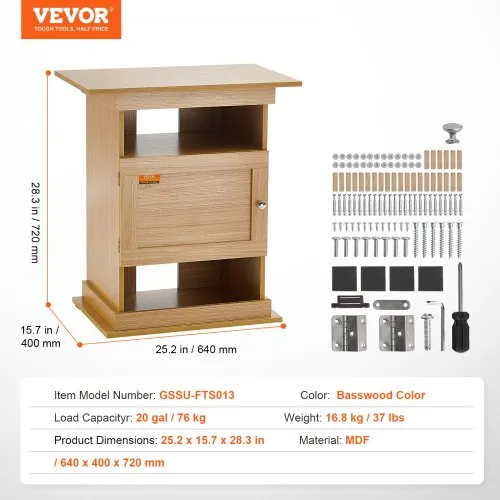
Credit: www.vevor.com
Composite Cabinets
Composite cabinets are a popular choice for aquarium stands. They combine different materials to make strong and stylish cabinets.
These cabinets offer a balance of durability and design. They work well in moist environments like fish tanks.
Material Composition
Composite cabinets use a mix of wood fibers and plastic resins. This mix creates a material called wood-plastic composite.
The wood fibers add strength while the plastic resins help resist water and decay. Some composites also include recycled materials.
- Wood fibers or sawdust
- Plastic resins like polyethylene or PVC
- Binding agents and additives for durability
Durability Benefits
Composite cabinets resist water damage better than pure wood. They do not warp or rot easily in wet conditions.
These cabinets also resist insects and mold. They last longer in aquarium settings where humidity is high.
- Water-resistant and won’t swell
- Resistant to mold and mildew
- Strong and holds heavy aquarium weight
- Low maintenance compared to wood
Cost Considerations
Composite cabinets cost more than standard wood cabinets but less than metal ones. The price reflects their durability.
They offer good value because they last longer and need less repair. This can save money over time.
- Moderate initial cost
- Lower repair and maintenance costs
- Good long-term investment for aquarium setups
Glass Cabinets
Glass cabinets are a popular choice for aquariums. They offer a sleek look and enhance the view of your underwater world.
These cabinets are made with clear glass panels. They provide a modern design that fits well in any room.
Design And Style
Glass cabinets come in various designs. Some have simple lines, while others are more decorative.
These cabinets can fit into both modern and traditional decor. The clear panels give a spacious feel to any space.
- Sleek and modern design
- Available in different sizes
- Matches various home styles
Fragility And Strength
Glass is fragile but can be strong if thick. It needs careful handling to avoid breaks.
Many glass cabinets use tempered glass. This type of glass is stronger and safer.
| Glass Type | Strength |
| Regular Glass | Moderate |
| Tempered Glass | High |
Suitability For Aquariums
Glass cabinets are suitable for aquariums. They support the weight of water and look great.
The cabinets keep your aquarium secure and stable. They also allow you to showcase your fish and plants beautifully.

Credit: www.aqqapet.com
Factors Affecting Durability
The material of an aquarium cabinet plays a big role in how long it lasts. Choosing the right material helps the cabinet stay strong and safe for your aquarium.
Several factors affect how durable a cabinet is. These include moisture resistance, weight support, and environmental conditions. Understanding these helps you pick the best cabinet material.
Moisture Resistance
Aquarium cabinets face moisture from water splashes and humidity. Materials that resist water damage last longer and stay attractive.
Wood types like marine plywood and treated MDF handle moisture better. Untreated wood can swell, warp, or rot over time.
- Use water-resistant paints or sealants on wooden cabinets
- Metal cabinets should have rust-proof coatings
- Plastic and laminate materials resist moisture well
Weight Support
Aquariums are heavy, especially when filled with water and decorations. Cabinets must support this weight without bending or breaking.
Strong materials like solid wood or metal frames offer better support. Particleboard may be cheaper but can fail under heavy loads.
- Check the weight capacity of the cabinet material
- Choose thicker panels for better strength
- Reinforce joints and corners for extra support
Environmental Conditions
Room temperature and humidity affect cabinet materials. Extreme changes can cause materials to expand or contract, weakening the cabinet.
Materials like solid wood may crack or warp in dry or very humid places. Synthetic materials handle these changes better.
- Keep the aquarium room at stable temperature and humidity
- Avoid placing cabinets near heaters or windows
- Choose materials suited for your climate
Choosing The Right Material
Picking the right material for your aquarium cabinet is important. It affects the look, cost, and how long it lasts.
Different materials work better for different needs. This guide helps you decide what suits you best.
Budget And Longevity
Materials vary in price and how long they last. Wood and metal are common choices with different costs.
| Material | Average Cost | Durability |
| Particleboard | Low | Low |
| Plywood | Medium | Medium |
| Solid Wood | High | High |
| Metal | High | Very High |
| Plastic Laminate | Medium | Medium |
Aesthetic Preferences
Choose a material that fits your room style. Some materials look modern; others look classic.
- Wood gives a warm, natural look.
- Metal offers a sleek, industrial style.
- Plastic laminate can mimic many finishes.
- Glass or acrylic adds a clean, clear feel.
Maintenance Effort
Think about how much care your cabinet will need. Some materials need more cleaning or repairs.
| Material | Cleaning | Repair |
|---|---|---|
| Particleboard | Easy, but avoid water | Difficult if damaged |
| Solid Wood | Needs polishing | Repairable with sanding |
| Metal | Wipe with cloth | Rust needs treatment |
| Plastic Laminate | Simple wipe down | Hard to fix scratches |
Frequently Asked Questions
What Materials Are Best For Aquarium Cabinets?
Wood and metal are popular choices for aquarium cabinets. Wood offers durability and aesthetic appeal. Metal provides strength and moisture resistance. Both materials support heavy tanks well. Choose based on your style preference and tank size.
How To Choose Waterproof Cabinet Materials?
Opt for materials like marine plywood or treated MDF. These resist moisture and prevent warping. Laminated surfaces add extra protection. Proper sealing with waterproof paint helps. Waterproof cabinets ensure longevity in humid aquarium environments.
Are Metal Cabinets Good For Aquarium Use?
Yes, metal cabinets offer strong support and durability. They resist pests and don’t warp from moisture. However, ensure they have rust-resistant coating. Metal cabinets suit modern décor and heavy tanks well.
Can Mdf Cabinets Hold Large Aquariums?
MDF can hold large aquariums if properly reinforced. Use moisture-resistant MDF to avoid swelling. Adding sturdy frames and supports improves strength. MDF cabinets are budget-friendly but need extra care in humid areas.
Conclusion
Choosing the right aquarium cabinet material matters for your tank’s safety. Wood, metal, and plastic each have strong points. Think about weight, water resistance, and style. A good cabinet supports your aquarium well and looks nice. Take time to decide what fits your space and budget.
A solid base means happy fish and less worry. Enjoy building your perfect aquarium setup!