
Are you thinking about setting up an aquarium but worried about safety? Choosing the right aquarium stand with safety features is one of the smartest steps you can take.
Your fish tank isn’t just a decoration—it’s a delicate ecosystem that needs strong, stable support. Imagine the peace of mind you’ll feel knowing your aquarium stand can handle the weight, prevent accidents, and keep your home safe. You’ll discover exactly what to look for in a safe aquarium stand and how it protects both your fish and your space.
Keep reading to make sure your aquarium setup is as secure as it is stunning.
Choosing The Right Material
Picking the right material for your aquarium stand is important for safety. The stand must hold the tank’s weight well.
Different materials offer different strengths and durability. Choose a material that fits your needs and budget.
Wood Types And Durability
Wood is a popular choice for aquarium stands. It looks good and can be very strong if picked right.
Hardwoods like oak and maple last longer and resist water damage better than softwoods like pine.
- Hardwoods resist dents and scratches
- Softwoods are cheaper but less durable
- Proper sealing protects wood from moisture
Metal Frames And Strength
Metal frames provide strong support for heavy aquariums. They handle weight without bending or breaking.
Steel is the most common metal used because it is very tough and long-lasting. It also resists rust when coated.
- Metal frames offer excellent weight support
- Coating prevents rust and corrosion
- Metal stands need rubber pads to avoid floor damage
Composite Materials Benefits
Composite materials combine wood fibers with plastic or resin. They resist moisture and are very stable.
These materials require less maintenance and do not warp easily. They are good for humid or wet areas.
- Resistant to water and humidity
- Low maintenance and durable
- Often lighter than wood or metal
Weight Capacity And Load Distribution
An aquarium stand must hold the tank safely. It needs to support the full weight of the aquarium and water.
Good load distribution helps prevent damage and keeps the aquarium stable for a long time.
Calculating Aquarium Weight
First, find out how much your aquarium weighs when full. This includes the tank, water, and decorations.
Water weighs about 8.34 pounds per gallon. Add this to the tank’s empty weight and contents.
- Calculate water weight: gallons × 8.34 pounds
- Add tank weight from manufacturer details
- Include weight of gravel, plants, and decorations
Ensuring Even Support
The stand must support the aquarium evenly to avoid stress points. Uneven support can cause cracks or leaks.
Use a flat and sturdy surface. Check that the stand’s top matches the aquarium’s base shape and size.
- Use levelers or shims to balance uneven floors
- Check the stand for any weak spots or warping
- Spread the weight across all support points
Testing Load Limits
Before placing the aquarium, test if the stand can hold the weight. Start with lighter loads and increase gradually.
Look for any bending, wobbling, or creaking sounds. These signs mean the stand may not be safe.
- Place weights similar to aquarium weight on the stand
- Wait and observe the stand for stress or movement
- Do not exceed the weight capacity given by the stand maker
Safety Locks And Bracing
A sturdy aquarium stand must keep your tank secure. Safety locks and bracing help prevent accidents. They stop the aquarium from moving or tipping over.
This guide covers key safety features. Learn about locking mechanisms, cross bracing, and anti-tip designs.
Locking Mechanisms To Prevent Movement
Locking systems hold the aquarium stand in place. They keep the tank from sliding or shifting. These locks add extra security on smooth floors.
- Slide locks attach to the floor and stand base
- Clamp locks secure the tank to the stand
- Magnetic locks prevent unwanted opening of cabinet doors
- Rubber pads increase grip and reduce slipping
Cross Bracing For Stability
Cross bracing strengthens the aquarium stand frame. It stops wobbling and keeps the structure firm. Cross braces connect opposite corners for better balance.
| Type of Bracing | Purpose |
| Metal Cross Braces | Provide strong, lasting support |
| Wooden Cross Braces | Blend with stand design and add stability |
| Diagonal Bracing | Reduce side-to-side movement |
| Horizontal Bracing | Prevent front-to-back swaying |
Anti-tip Features
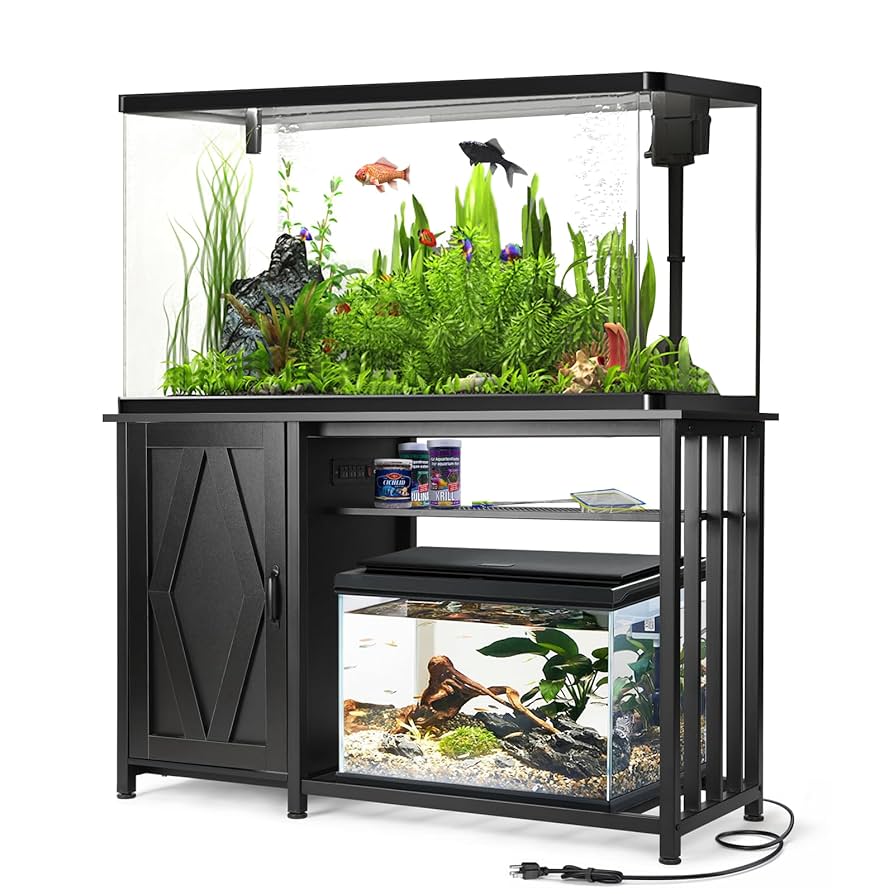
Anti-tip features protect against accidents. They stop the aquarium stand from falling forward or backward. These features keep pets and children safe.
- Wall anchors secure the stand to a wall
- Wide base designs lower the center of gravity
- Weighted bottoms add extra balance
- Adjustable feet level the stand on uneven floors
Credit: www.amazon.com
Water Resistance And Corrosion Protection
A good aquarium stand must handle water well. Water resistance stops damage from spills and humidity.
Corrosion protection keeps metal parts safe. It helps the stand last longer and stay strong.
Coatings And Sealants
Coatings create a barrier against water and moisture. Sealants fill gaps to prevent leaks.
Using paint or varnish protects wood from swelling. Sealants stop water from reaching sensitive areas.
- Apply waterproof paint or varnish on wood surfaces
- Use silicone sealant around joints and edges
- Choose products designed for high humidity environments
Rust-resistant Hardware
Hardware like screws and bolts can rust from water exposure. Rust weakens the stand over time.
Pick rust-resistant materials such as stainless steel or coated metals. These last longer in wet conditions.
- Use stainless steel screws and bolts
- Choose galvanized or zinc-coated hardware
- Replace rusty parts quickly to avoid damage
Maintenance Tips
Regular care keeps the aquarium stand safe and strong. Check for water damage and rust often.
Clean spills quickly and dry the stand well. Tighten loose hardware and apply sealants if needed.
- Wipe off water spills immediately
- Inspect hardware for rust and tightness
- Reapply coatings or sealants yearly
- Keep the stand away from direct water flow
Design Considerations For Stability
A strong aquarium stand is vital for safety. It keeps the aquarium stable. The design must focus on stability features.
Consider the base width, leg placement, and leveling techniques. These elements help in creating a secure setup.
Base Width And Footprint
A wide base offers better support. The stand’s footprint should be larger than the tank. This prevents tipping over.
A solid base ensures even weight distribution. It helps in keeping the aquarium steady.
Leg Placement And Support
Legs should be placed at the corners. This provides maximum support. It helps balance the weight evenly.
Reinforcing the legs with cross-braces can add strength. This reduces movement and increases stability.
- Corner legs for better support
- Use cross-braces for added strength
- Ensure legs are of equal length
Leveling Techniques
Leveling is crucial for stability. Use adjustable feet to level the stand. This prevents wobbling.
Check the level with a spirit level tool. Make adjustments until the stand is perfectly level.
| Leveling Tool | Purpose |
| Adjustable Feet | Fine-tune height |
| Spirit Level | Ensure balance |

Credit: www.amazon.com
Integrated Safety Accessories
Aquarium stands need safety features to protect your tank and home. Integrated safety accessories help keep water and electricity safe.
These accessories reduce risks of spills, electrical hazards, and damage to the aquarium setup.
Splash Guards
Splash guards stop water from spilling over the edges of the aquarium stand. They keep floors dry and prevent water damage.
These guards are easy to install and made from waterproof materials. They also help protect nearby furniture.
Cable Management Systems
Cable management systems organize and secure power cords and equipment wires. They reduce the risk of electrical accidents.
Proper cable management keeps cables away from water and helps prevent tripping hazards near the aquarium.
- Use clips or channels to hold cables
- Keep cords off the floor
- Label cables for easy identification
Emergency Shutoff Features
Emergency shutoff features quickly cut power to aquarium equipment during problems. They help avoid electrical fires and water damage.
These features may include switches or sensors that detect leaks or electrical faults and turn off power automatically.
- Manual shutoff switches for quick control
- Automatic sensors for leak detection
- Power cut-off to pumps and heaters
Installation Best Practices
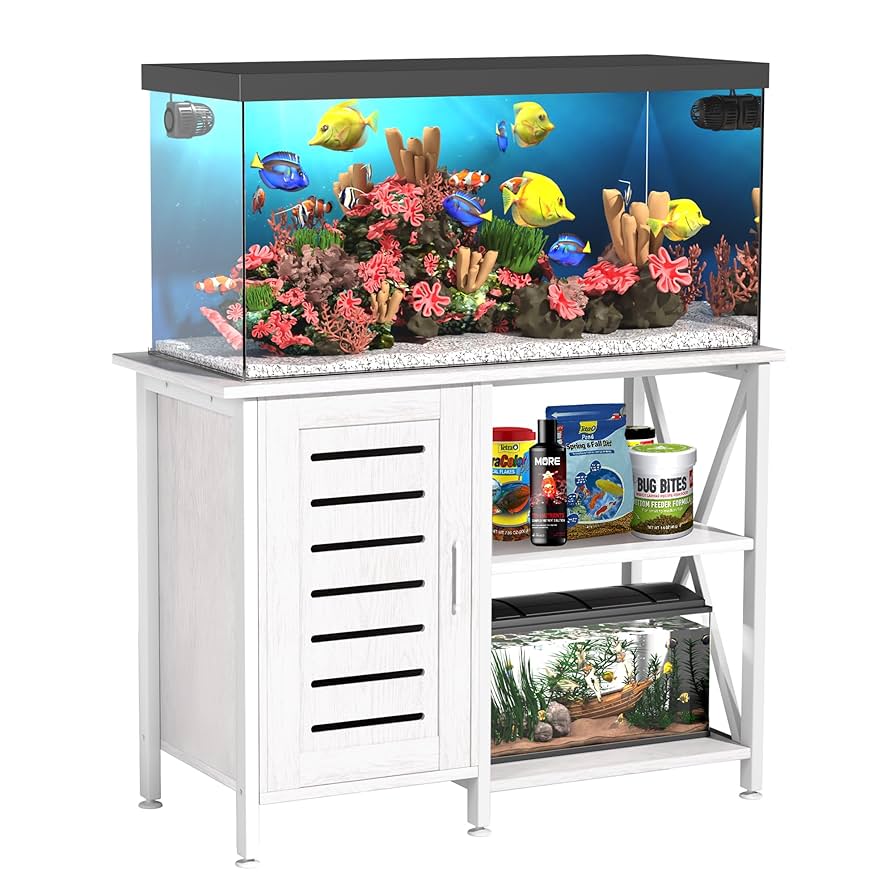
Installing an aquarium stand with safety in mind helps protect your tank and home. Proper setup reduces risks of spills and damage.
Follow key steps to prepare your space, secure the stand, and keep it safe over time.
Site Preparation
Choose a flat, stable surface that can hold the weight of the aquarium and stand. Avoid placing the stand near windows or vents.
- Measure the floor area to ensure enough space
- Check the floor strength and level it if needed
- Keep the area clean and clear of clutter
- Avoid direct sunlight to prevent algae growth
Securing The Stand To Walls
Attaching the stand to a wall improves stability and prevents tipping. Use strong brackets and anchors for safety.
| Wall Type | Recommended Anchor |
| Drywall | Toggle bolts or molly bolts |
| Concrete | Expansion anchors |
| Wood | Wood screws into studs |
Regular Safety Inspections
Check the stand and aquarium regularly to catch problems early. Look for signs of wear or damage.
- Inspect the stand for cracks or warping
- Test wall brackets for secure attachment
- Check for water leaks or spills
- Make sure the floor remains level and stable
Credit: www.amazon.com
Frequently Asked Questions
What Safety Features Should An Aquarium Stand Have?
An aquarium stand should have sturdy construction, water-resistant materials, and weight support. It must include secure fasteners and anti-tip mechanisms for stability. These features prevent accidents and protect both the aquarium and surrounding areas.
How Does An Aquarium Stand Prevent Tipping Over?
Aquarium stands prevent tipping by having a wide base and heavy-duty legs. They often include anti-tip brackets or wall anchors. These features keep the stand stable, especially in homes with pets or children.
Can Aquarium Stands Support Large Tanks Safely?
Yes, quality aquarium stands are designed to support large tanks safely. They use reinforced frames and strong materials to handle significant weight. Always check the stand’s weight capacity before purchase to ensure it matches your tank size.
Why Is Water Resistance Important In Aquarium Stands?
Water resistance protects the stand from damage caused by leaks or spills. It prevents warping, mold, and decay, extending the stand’s lifespan. Using water-resistant coatings or materials is crucial for aquarium safety.
Conclusion
Choosing an aquarium stand with safety features protects your fish and home. Sturdy materials and secure designs keep your tank stable. Safety locks and water-resistant finishes add extra peace of mind. A good stand supports the aquarium’s weight without risk.
This helps prevent accidents and damage. Think of it as a strong base for your underwater world. Safe and solid stands make fish care easier and stress-free. Invest in safety to enjoy your aquarium with confidence and calm.