
Are you looking to transform your ornamental aquarium into a stunning underwater masterpiece? The right lighting can make all the difference.
LED lighting for ornamental aquariums not only highlights the vibrant colors of your fish and plants but also creates a captivating atmosphere that draws everyone’s attention. Imagine your aquarium glowing with rich, natural hues that bring every detail to life.
You’ll discover how LED lighting can boost your aquarium’s beauty while keeping your setup energy-efficient and easy to maintain. Keep reading to unlock the secrets of perfect aquarium lighting and make your tank the centerpiece of any room.

Credit: www.amazon.ca
Benefits Of Led Lighting
LED lighting improves the look of ornamental aquariums. It helps fish and plants show their true colors. LED lights also save energy and last a long time.
Using LED lights allows you to change colors and brightness. This makes the aquarium more beautiful and healthy for its life inside.
Energy Efficiency
LED lights use less power than traditional bulbs. This lowers electricity bills. The light they give is strong without wasting energy.
- Consume less electricity
- Produce less heat
- Reduce cooling costs
Long Lifespan
LED bulbs last many years. This means fewer replacements are needed. It saves money and effort over time.
| Lighting Type | Average Lifespan |
| Incandescent | 1,000 hours |
| Fluorescent | 8,000 hours |
| LED | 25,000 hours |
Customizable Colors
LED lighting allows many color options. You can change colors to fit your aquarium theme. This helps highlight fish and plants.
Popular LED color choices include:
- Cool white for clear water
- Blue for a moonlight effect
- Red or green to brighten plants
Choosing The Right Led Lights
LED lights help make ornamental aquariums look beautiful. Choosing the right LED lights is important for the health of fish and plants.
Good lighting enhances colors and creates a natural environment inside the aquarium.
Light Intensity And Spectrum
Light intensity is how bright the LED lights are. The right brightness helps plants grow and fish stay healthy.
The light spectrum means the colors of light the LEDs produce. Different plants need different colors to grow well.
- Use full-spectrum LEDs for balanced plant growth
- Blue light enhances fish colors and calmness
- Red light supports blooming plants and algae control
- Avoid too bright lights to prevent stress in fish
Waterproof And Safety Features
LED lights near water must be waterproof to avoid damage. Waterproof ratings like IP65 or higher are good choices.
Safe lights reduce risks of electric shock or fire. Look for LED lights with good safety certifications.
- Check for waterproof seals on LED units
- Use lights with low voltage for safety
- Choose lights with heat protection features
- Make sure cords and plugs are water-resistant
Compatibility With Aquarium Size
LED lights must fit the size of your aquarium. Too small lights will not cover the tank properly.
Large tanks need more powerful or multiple LED lights to reach all areas evenly.
- Measure tank length and width before buying lights
- Check the coverage area listed by the manufacturer
- Use adjustable lights for flexible positioning
- Consider modular lighting for bigger tanks
Enhancing Aquarium Colors
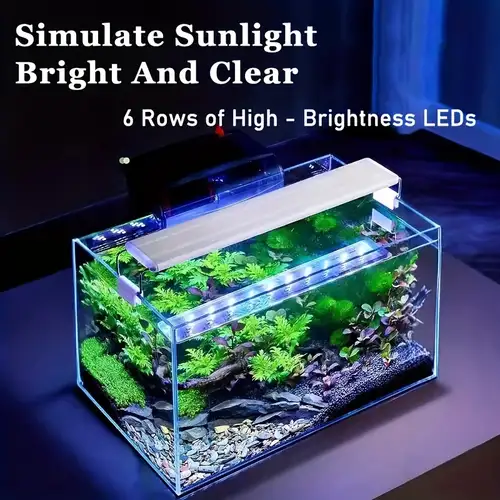
LED lighting plays a key role in making aquarium colors look bright and clear. It helps fish and plants show their true colors.
Choosing the right LED lights can improve the look of your ornamental aquarium. It creates a lively and beautiful underwater scene.
Highlighting Fish Colors
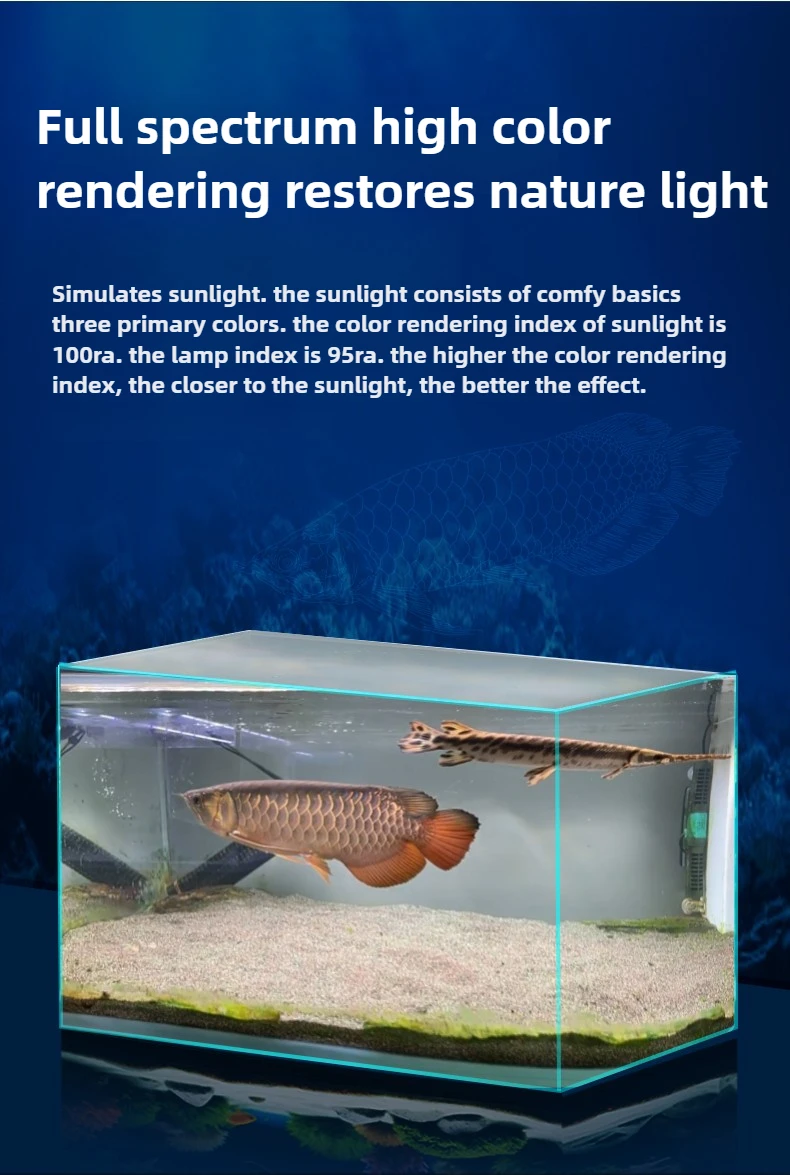
LED lights bring out the natural colors of your fish. They make reds, blues, and yellows look more vivid and bright.
Using full-spectrum LEDs helps show all fish colors clearly. It makes your fish stand out against the background.
- Use white or daylight LEDs for natural colors
- Blue LEDs enhance metallic and blue tones
- Red LEDs make red and orange fish glow
Accentuating Plant Growth
LED lights help aquarium plants grow better by providing the right light spectrum. This keeps plants healthy and green.
Red and blue light wavelengths support photosynthesis. They help plants produce energy and stay strong.
- Blue light boosts leaf growth and shape
- Red light encourages flowering and stem growth
- Balanced light keeps plants lush and vibrant
Creating Mood With Color Effects
LED lighting can set different moods in your aquarium. Changing colors changes how the aquarium feels.
Soft blues create a calm and peaceful scene. Bright colors make the tank look lively and exciting.
- Use cool colors for a relaxing effect
- Warm colors add energy and warmth
- Color cycles simulate natural day and night
Lighting Placement Techniques
Lighting can change the look of your aquarium. Proper placement makes fish and plants stand out.
Choosing the right lighting technique enhances the beauty of your aquarium. Let’s explore some options.
Top Lighting Vs. Side Lighting
Top lighting means lights are above the aquarium. This method mimics sunlight from above.
Side lighting has lights placed on the sides. It adds depth and highlights the aquarium’s features.
- Top lighting is best for overall brightness.
- Side lighting creates interesting shadows.
- Mix both for a balanced look.
Using Spotlights And Ambient Lights
Spotlights focus on specific areas in the aquarium. They highlight unique decorations or fish.
Ambient lights provide soft, even lighting. They help create a relaxing atmosphere.
- Spotlights are great for special features.
- Ambient lights enhance overall mood.
- Combine both for dynamic effects.
Avoiding Shadows And Glare
Shadows can make parts of the aquarium hard to see. Glare distracts from the view.
Position lights to minimize shadows and glare. Adjust angles and brightness as needed.
- Use diffusers to soften light.
- Check for glare from different angles.
- Reposition lights if shadows are too strong.
Lighting Schedules And Automation
LED lighting plays a big role in making ornamental aquariums look beautiful. Setting the right lighting schedule helps plants and fish stay healthy.
Automation tools can turn lights on and off at set times. This makes aquarium care easier and more reliable.
Simulating Natural Daylight Cycles
Fish and plants do best with light that changes like the sun. This means bright light in the day and dim light in the evening.
Using LED lights that can change color and brightness helps copy natural daylight. It makes the aquarium look more real.
- Start with soft light in the morning
- Increase brightness to full daylight at noon
- Lower brightness and add warm tones in the evening
- Turn lights off at night to allow rest
Using Timers And Controllers
Timers and controllers automate the lighting schedule. They turn the lights on and off without needing you.
Some controllers can adjust light color and intensity. This gives more control over how the aquarium looks all day.
- Simple timers switch lights on/off at set times
- Advanced controllers adjust brightness and color
- Smart devices can be controlled with apps
- Automation saves time and keeps fish safe
Preventing Algae Growth
Too much light or light at wrong times can cause algae to grow fast. Algae can spoil aquarium beauty.
Using a strict lighting schedule helps stop algae from taking over. Avoid leaving lights on for too long.
- Limit light to 8-10 hours per day
- Use timers to avoid accidental long lighting
- Lower light intensity if algae appears
- Keep a balance between light and dark times
Creative Lighting Effects
LED lighting brings new life to ornamental aquariums. It enhances the look of fish, plants, and decorations.
Different lighting effects create moods and highlight features inside the tank. This makes the aquarium more enjoyable to watch.
Dynamic Color Changes
Changing colors add excitement and movement to your aquarium. LED lights can shift between colors smoothly or flash for a lively effect.
- Cycle through blue, green, and red shades
- Create sunrise and sunset color transitions
- Use rapid color flashes for special occasions
- Set slow fades for a calming effect
Mood And Theme Settings
Choose lighting to match the aquarium’s theme or desired mood. Soft lighting creates a peaceful scene. Bright colors make fish stand out.
| Mood | Color | Brightness |
| Relaxing | Soft Blue | Low |
| Energetic | Vibrant Red | High |
| Natural | Daylight White | Medium |
| Mystic | Purple | Low |
Using Led Strips And Fixtures
LED strips and fixtures fit different aquarium sizes and shapes. They offer flexible placement and easy installation.
Consider these tips when using LED strips and fixtures:
- Place strips along the top edges for even lighting
- Use waterproof fixtures inside the tank for depth effects
- Combine spotlights and strips for layered lighting
- Use dimmers to adjust light intensity easily
Maintenance And Troubleshooting
LED lighting is key for ornamental aquariums. Proper care keeps lights bright and safe.
Regular maintenance helps avoid problems. Troubleshooting fixes issues quickly.
Cleaning Led Fixtures
Clean LED fixtures often to stop dirt build-up. Dirt blocks light and lowers brightness.
Use a soft cloth or brush. Avoid harsh chemicals that can damage the lights.
- Turn off and unplug lights before cleaning
- Wipe with a damp cloth or mild soap solution
- Remove algae or mineral deposits gently
- Dry fixtures completely before turning on
Replacing Bulbs And Components
LED bulbs last long but may need replacement over time. Replace components if lights flicker or dim.
Check the manufacturer’s guide for the right parts. Use correct wattage and size to avoid damage.
- Turn off power before removing bulbs
- Handle bulbs with clean hands or gloves
- Install new bulbs firmly but gently
- Test lights after replacement
Common Lighting Issues
LED lights may flicker, dim, or fail to turn on. These issues affect aquarium plants and fish health.
Check wiring, power sources, and connections. Replace faulty parts and clean dirty fixtures to fix problems.
- Flickering: Loose wiring or bad bulbs
- Dimming: Dirty fixtures or aging bulbs
- No light: Power issues or blown fuse
- Overheating: Poor ventilation or damaged components
Credit: www.temu.com
Credit: www.aliexpress.com
Frequently Asked Questions
What Are The Benefits Of Led Lighting For Aquariums?
LED lighting offers energy efficiency, longer lifespan, and customizable colors. It enhances fish colors and plant growth while reducing heat output, making it ideal for ornamental aquariums.
How Does Led Lighting Improve Aquarium Aesthetics?
LEDs provide vibrant, adjustable lighting that highlights fish and decorations. They create natural-looking environments and allow for dynamic lighting effects, improving the overall visual appeal of the aquarium.
Can Led Lights Support Aquarium Plant Growth?
Yes, LED lights with the right spectrum promote healthy plant photosynthesis. They supply necessary light wavelengths, supporting growth without overheating the aquarium water.
Are Led Lights Safe For Aquarium Fish?
LED lights emit low heat and stable light intensity, minimizing stress on fish. Properly chosen LEDs mimic natural light, promoting fish health and natural behavior.
Conclusion
LED lighting enhances your ornamental aquarium’s beauty and health. It brings out vibrant colors in fish and plants. Energy-efficient and long-lasting, LEDs save money and effort. You can adjust brightness and color to fit your style. Easy to install and maintain, LEDs suit beginners and experts.
A small change that makes a big difference. Bright, clear light creates a peaceful underwater world. Choose LED lighting to keep your aquarium lively and stunning.