
If you want your aquascape to truly stand out, choosing the right background plants is key. These plants set the stage, adding depth and a lush, natural feel that makes your underwater world come alive.
But with so many options out there, how do you pick the perfect ones for your tank? You’ll discover the best background plants that not only look stunning but are easy to care for. Get ready to transform your aquascape into a breathtaking masterpiece that draws everyone’s eyes—starting with your own.
Benefits Of Background Plants
Background plants play a key role in aquascaping. They add beauty and function to the tank.
These plants help create a natural environment for fish and improve the overall tank health.
Enhancing Tank Depth
Background plants make tanks look bigger and deeper. Their tall and dense growth creates a sense of space.
They also help to create layers and contrast in the aquascape, adding visual interest.
Providing Shelter For Fish
Fish need places to hide and rest. Background plants offer safe shelter and reduce stress.
- Hide from predators
- Rest in shaded areas
- Establish territories
- Spawn and care for eggs
Improving Water Quality
Background plants help clean the water by absorbing harmful substances. They use nitrates and phosphates as nutrients.
| Benefit | Explanation |
|---|---|
| Oxygen Production | Plants release oxygen during photosynthesis, improving fish health. |
| Waste Absorption | They absorb fish waste and leftover food, reducing toxins. |
| Algae Control | By competing for nutrients, plants help limit algae growth. |
Choosing The Right Background Plants
Background plants set the stage for your aquascape. Picking the right ones helps create depth and beauty.
Consider factors like tank size, light, and style before choosing plants for the back of your aquarium.
Considering Tank Size And Lighting
Large tanks give space for tall, lush background plants. Small tanks need compact plants that fit well.
- High light tanks support fast-growing plants like hornwort and cabomba.
- Low light tanks need plants like anubias or java fern that grow slowly.
- Measure your tank height to match plant size for a balanced look.
Growth Rate And Maintenance
Choose plants that match your time for care. Some need frequent trimming, others grow slow.
| Plant | Growth Rate | Maintenance |
| Amazon Sword | Medium | Moderate trimming |
| Vallisneria | Fast | Frequent trimming |
| Java Fern | Slow | Low |
| Water Wisteria | Fast | Regular trimming |
Compatibility With Aquascape Style
Match background plants with your aquascape style. Different styles need different plant shapes.
- Nature style: Choose plants with natural shapes like moss or java fern.
- Hardscape style: Use tall, structured plants like vallisneria or cryptocoryne.
- Minimalist style: Select simple, slow-growing plants with clean lines.
Popular Background Plant Options
Background plants add depth and beauty to your aquascape. They create a lush green backdrop that highlights foreground features. Choosing the right plants helps balance your aquarium’s look and feel.
There are many types of background plants. Some grow tall and straight, others have wide leaves, and some grow very fast. Each type offers unique benefits for your aquarium design.
Tall Stem Plants
Tall stem plants grow upward quickly and provide height in the background. They create a natural wall of greenery that hides equipment and tank walls. These plants often have thin stems and small leaves.
- Cabomba: Known for its feathery, bright green leaves.
- Hygrophila: Easy to grow with broad leaves.
- Rotala: Offers a reddish tint for color contrast.
- Amazon Sword: Tall with broad, sword-shaped leaves.
Leafy Plants
Leafy plants have large, wide leaves that add texture and fullness. They work well to fill spaces and provide shelter for fish. These plants often grow slower but make a strong visual impact.
| Plant Name | Leaf Shape | Growth Rate |
|---|---|---|
| Anubias | Broad, oval | Slow |
| Java Fern | Long, narrow | Slow |
| Cryptocoryne | Wavy, broad | Moderate |
| Amazon Sword | Sword-shaped | Moderate |
Fast-growing Species
Fast-growing plants help control algae by using nutrients quickly. They are great for beginners because they fill the tank fast. These species need regular trimming to keep them neat.
- Water Wisteria: Grows fast and has lace-like leaves.
- Duckweed: Floats on the surface and spreads quickly.
- Hornwort: Hardy plant that grows without roots.
- Elodea: Easy to grow and bright green.

Credit: www.reddit.com
Planting Techniques For Backgrounds
Background plants set the stage for a beautiful aquascape. They create depth and highlight foreground details. Choosing the right planting methods helps these plants grow well and look natural.
Use these techniques to place background plants effectively. This guide covers layering effects, grouping tips, and how to use substrate and anchors.
Creating Layered Effects
Layered planting adds depth to your aquarium. Plant taller species at the back and shorter ones in front. This creates a natural flow and visual interest.
- Start with tall plants like Vallisneria or Amazon sword at the rear.
- Use medium-height plants such as Cryptocoryne in the middle.
- Place low-growing plants like moss or dwarf hairgrass near the front.
- Mix different leaf shapes and colors for texture.
Spacing And Grouping Tips
Proper spacing lets background plants grow without crowding. Group plants in odd numbers for a natural look. Leave some open space for fish to swim.
| Tip | Reason |
|---|---|
| Space plants 3-5 inches apart | Prevents overcrowding and allows light |
| Group 3 or 5 plants together | Creates natural clusters and balance |
| Leave gaps for fish paths | Improves fish movement and viewing |
| Trim plants regularly | Maintains shape and health |
Using Substrate And Anchors
Background plants need firm support to stay upright. Use substrate or anchors to secure roots. This helps plants resist water currents and grow steady.
Here are common methods to anchor background plants:
- Push roots into nutrient-rich substrate like aqua soil.
- Use planting tweezers for precise placement.
- Anchor plants with small stones or aquarium-safe weights.
- Attach moss or ferns to driftwood using thread or glue.
Care And Maintenance Tips
Background plants are essential in aquascaping. They provide a natural look and help maintain the ecosystem. Taking care of these plants keeps your aquarium healthy and beautiful.
Proper care and maintenance ensure that your plants grow lush and vibrant. Follow these tips to keep your background plants in top shape.
Trimming And Pruning
Trimming and pruning are important for healthy plant growth. They prevent plants from becoming too tall or dense. Regular trimming keeps plants tidy and encourages new growth.
Use sharp scissors or a pruning tool to cut off dead or overgrown leaves. Trim plants every few weeks to maintain their shape.
- Cut back stems to promote bushy growth
- Remove yellow or damaged leaves
- Avoid cutting more than one-third of the plant at a time
Fertilization And Co2 Needs
Background plants need nutrients to thrive. Fertilizers provide essential minerals and elements. CO2 is also important for plant growth.
Use a liquid fertilizer that suits your plant type. Adding CO2 improves photosynthesis and plant health.
- Apply fertilizers weekly for best results
- Monitor CO2 levels with a drop checker
- Adjust CO2 based on plant and fish needs
Controlling Algae Growth
Algae can be a problem in aquariums. They compete with plants for light and nutrients. Controlling algae ensures healthy plant growth.
Maintain a balanced light schedule to prevent algae blooms. Regular water changes help reduce nutrient levels in the water.
- Limit light exposure to 8-10 hours per day
- Perform 20% water changes weekly
- Introduce algae-eating fish or snails

Credit: www.reddit.com
Creative Background Plant Designs
Background plants are important in aquascaping. They create depth and beauty in the aquarium.
Using different plant designs can change the look of your tank. Let’s explore some creative ideas.
Natural Forest Look
The natural forest style uses tall and bushy plants. It makes the aquarium look like a small underwater forest.
Plants like Java Fern, Water Wisteria, and Amazon Sword work well. They give a wild, lush background.
- Use tall plants in the back
- Add mid-height plants for depth
- Include some driftwood for realism
Minimalist Green Walls
Green walls use small plants to cover the back of the tank evenly. This creates a clean, simple look.
Plants like Glossostigma and Dwarf Hairgrass are good choices. They grow fast and form a green carpet.
- Plant densely for full coverage
- Keep plants trimmed for neatness
- Use a flat surface or mesh for support
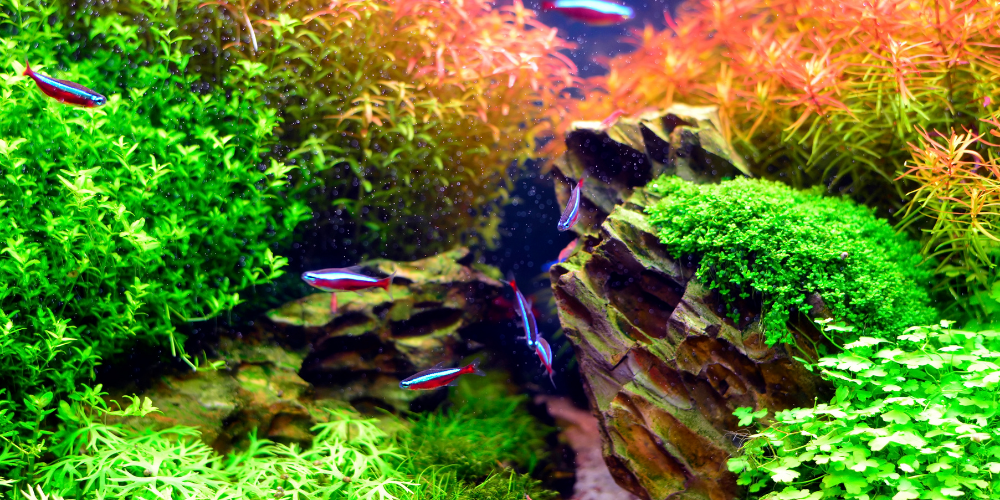
Colorful Plant Combinations
Mixing plants of different colors makes the background more interesting. It adds variety and charm.
Try combining red, green, and yellow plants like Rotala, Ludwigia, and Cabomba. They create bright contrasts.
- Use red plants to add warmth
- Green plants balance the colors
- Yellow plants highlight the mix
Credit: www.pond-planet.co.uk
Frequently Asked Questions
What Are The Best Background Plants For Aquascaping?
Best background plants are tall, fast-growing, and dense. Examples include Vallisneria, Rotala, and Hygrophila. These plants create depth and contrast in aquascapes.
How To Choose Background Plants For Aquascaping?
Choose plants based on tank size, lighting, and water conditions. Select species that grow tall and complement foreground plants to enhance visual appeal.
Why Use Background Plants In Aquascaping?
Background plants add height, depth, and natural beauty. They also provide hiding spots for fish and improve water quality by oxygenation and nutrient absorption.
How To Maintain Background Plants In Aquascaping?
Regular trimming, proper lighting, and balanced nutrients are essential. Avoid algae growth by controlling light duration and ensuring good water circulation.
Conclusion
Background plants bring life and depth to any aquascape. They create a natural feel and hide equipment. Choosing the right plants helps your tank look balanced and full. Easy-to-grow species keep maintenance low and enjoyment high. Experiment with different heights and textures for a unique look.
Healthy background plants support fish and other aquatic life. Their growth shapes the whole underwater scene beautifully. Start with simple options and watch your aquascape thrive.