
If you love creating beautiful planted aquascapes, you know that the right aquarium stand is just as important as the tank itself. Your stand needs to support the weight, showcase your plants, and fit perfectly in your space.
Choosing the wrong stand can lead to frustration, damage, or even ruin the look you worked so hard to achieve. You’ll discover exactly what to look for in an aquarium stand designed for planted aquascapes. By the end, you’ll feel confident picking the perfect base for your underwater masterpiece.
Keep reading—your aquascape deserves the best foundation.
Choosing The Right Material
Picking the right material for your aquarium stand is important. It affects both style and strength.
Different materials offer different benefits and challenges. Learn about wood, metal, glass, and acrylic options.
Wood Types And Durability
Wood is a popular choice for planted aquascape stands. It can hold heavy tanks well and looks natural.
- Hardwoods like oak and maple resist scratches and last longer.
- Softwoods like pine are cheaper but less durable.
- Water-resistant finishes help wood stand up to humidity.
- Check for any signs of warping or cracking before buying.
Metal Frames And Rust Resistance
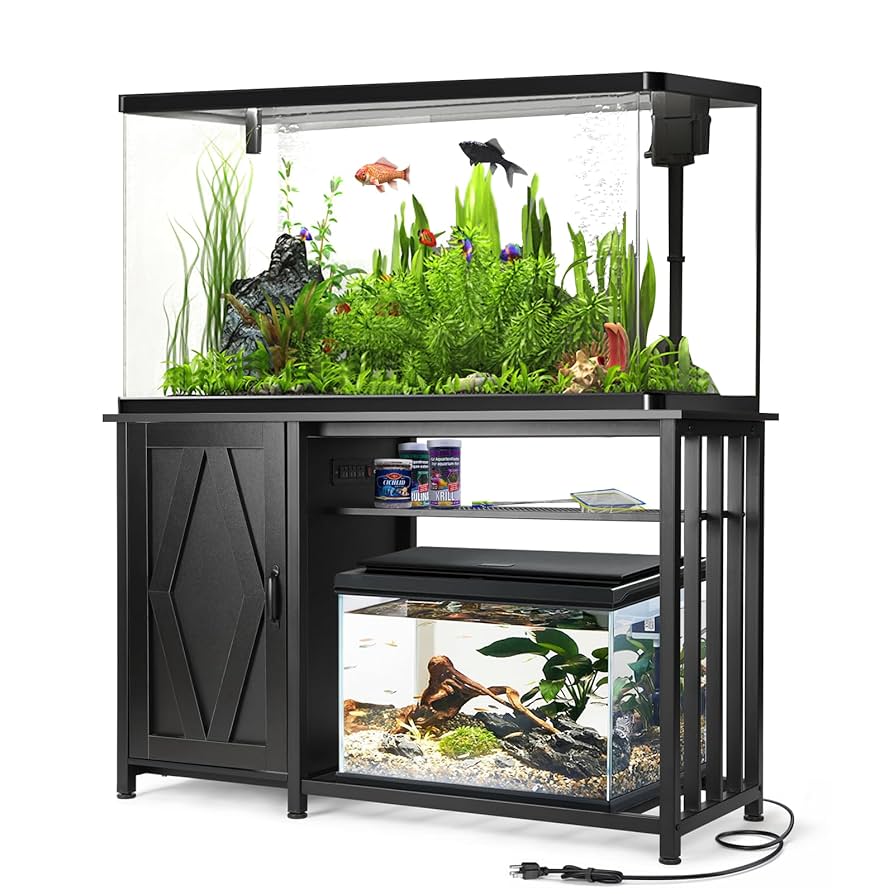
Metal frames can support heavy aquariums with a slim design. Steel and aluminum are common choices.
| Metal Type | Rust Resistance | Durability |
|---|---|---|
| Steel | Needs coating to prevent rust | Very strong |
| Aluminum | Rust-resistant naturally | Strong but lighter than steel |
| Iron | Rusts easily without treatment | Strong but heavy |
Glass And Acrylic Options
Glass and acrylic stands offer a modern look and good water resistance. They suit smaller tanks best.
- Glass is heavy and fragile but looks clean.
- Acrylic is lighter and less likely to break.
- Both need strong support to hold the aquarium weight.
- Easy to clean surfaces help keep stands looking new.
Credit: www.amazon.com
Weight Capacity Essentials
An aquarium stand must hold the full weight of the tank. This weight includes water, soil, plants, and decorations. Knowing the weight capacity helps keep your aquascape safe.
Choosing a strong stand prevents accidents. It also protects your investment in the planted aquascape. Always check the stand’s weight limits before setting up.
Calculating Tank Weight
Calculate the tank’s weight by adding the water and glass weight. Water weighs about 8.34 pounds per gallon. The glass adds extra pounds depending on thickness and size.
Measure the tank’s dimensions to estimate water volume. Multiply gallons by 8.34 to get water weight. Add the weight of the empty tank for total weight.
- Find tank volume in gallons (length × width × height ÷ 231)
- Multiply gallons by 8.34 for water weight
- Add glass weight (check tank specs or estimate)
- Total weight = water weight + glass weight
Supporting Soil And Decorations
Soil and decorations add extra weight to the aquarium. Use heavier soil for planted tanks. Rocks, wood, and ornaments also increase the load on the stand.
Estimate soil weight based on depth and type. Add the weight of all decorations to your total tank weight. Make sure the stand can support this combined weight.
- Soil weight varies from 10 to 20 pounds per gallon of soil volume
- Rocks and wood can weigh several pounds each
- Include all extra items in total weight calculation
- Use a scale for precise decoration weights
Safety Margins
Always add a safety margin to your weight calculations. This margin protects against unexpected weight increases. It also accounts for wear and tear on the stand.
A good safety margin is 20 to 30 percent over the total estimated weight. This extra capacity gives peace of mind and ensures long-term stability.
- Calculate total weight of tank, water, soil, and decorations
- Multiply total by 1.2 or 1.3 for safety margin
- Choose a stand rated for this higher weight
- Inspect stand regularly for damage or weakness
Design Features For Stability
A strong aquarium stand keeps your planted aquascape safe. Stability stops shaking and tipping risks.
Good design uses smart choices in legs, braces, and feet. These parts work together for balance.
Leg Placement And Support
Legs hold the aquarium weight. They must spread evenly under the tank.
Placing legs near corners helps spread the load. Adding center legs gives extra support.
- Legs at each corner prevent tilting
- Extra legs in the middle stop bowing
- Strong materials like hardwood or metal improve support
Cross Bracing Techniques
Cross braces connect legs to keep them from moving. They add strength to the frame.
Braces can be diagonal or horizontal. Both types reduce wobble and increase stability.
- Diagonal braces prevent side-to-side sway
- Horizontal braces add firmness front to back
- Use screws or bolts to secure braces tightly
Leveling And Adjustable Feet
Floors are often uneven. Adjustable feet help level the aquarium stand.
Level stands keep water even. This protects plants and fish in the aquascape.
- Use screw-in feet to raise or lower each leg
- Rubber pads on feet prevent slipping
- Check level with a spirit level tool during setup

Credit: buceplant.com
Custom Vs. Ready-made Stands
Choosing the right aquarium stand for planted aquascapes matters. It supports the tank and adds style to your space.
There are two main types: custom-built stands and ready-made stands. Each has its own benefits and drawbacks.
Advantages Of Custom Builds
Custom stands match your tank size perfectly. You can choose materials and colors that fit your room.
- Exact dimensions for your aquarium
- Choice of wood, metal, or other materials
- Design that complements your decor
- Extra storage or shelves if needed
- Better weight support for heavy tanks
Popular Ready-made Options
Ready-made stands are easy to find online or in stores. They come in standard sizes and styles.
| Brand | Material | Size Options | Price Range |
| StandCo | Wood | 20 to 50 gallons | $100 – $300 |
| AquaBase | Metal | 15 to 40 gallons | $120 – $250 |
| PlantedPro | MDF with laminate | 10 to 55 gallons | $80 – $220 |
Cost Considerations
Costs vary between custom and ready-made stands. Custom stands often cost more upfront.
- Custom stands need design and labor fees.
- Materials for custom builds can be pricey.
- Ready-made stands are cheaper and quick to get.
- Some ready-made stands may need extra reinforcement.
- Consider long-term durability and your budget.
Protecting Your Stand
Aquarium stands are vital for showcasing planted aquascapes. Protecting your stand ensures it lasts a long time. Let’s explore ways to keep your stand in top condition.
Waterproofing Methods
Water can damage your aquarium stand. Waterproofing helps prevent this. It’s important to use effective methods to keep your stand safe from water.
- Apply a waterproof sealant to all surfaces.
- Use waterproof paint for added protection.
- Install a water-resistant mat under the aquarium.
Preventing Mold And Rot
Mold and rot can harm your stand. They thrive in damp environments. Keeping your stand dry is key to preventing these issues.
- Ensure proper ventilation around the stand.
- Wipe any spills immediately to keep surfaces dry.
- Check for leaks regularly and fix them promptly.
Maintaining Structural Integrity
The strength of your stand is crucial. A strong stand supports your aquarium and prevents accidents. Regular checks can help maintain its integrity.
- Inspect screws and joints for tightness.
- Replace any damaged parts immediately.
- Ensure the stand is level and stable.
Setup Tips For Stability
Setting up an aquarium stand for planted aquascapes needs care. Stability is key to protect your tank and plants.
This guide helps you create a safe and stable base for your aquascape.
Choosing The Right Location
Pick a place away from direct sunlight to stop algae growth. Avoid spots near heaters or air conditioners.
Make sure the location is easy to reach for care and maintenance.
- Choose a flat wall space for support
- Keep away from windows and vents
- Ensure room for cleaning and feeding
Floor Surface Preparation
Check the floor to make sure it can hold the tank’s weight. Solid floors like concrete work best.
If the floor is uneven, use shims or a leveling mat to balance the stand.
- Inspect floor for cracks or weak spots
- Use a level tool to test evenness
- Add padding or shims if needed
Balancing The Load Evenly
Distribute the tank’s weight evenly on the stand. Uneven load can cause damage or tipping.
Place equipment like filters and lights so they do not unbalance the stand.
- Center the aquarium on the stand
- Keep heavy equipment balanced
- Check stand for wobbling or tilting
Credit: shop.glassaqua.com
Frequently Asked Questions
What Is The Best Aquarium Stand For Planted Aquascapes?
A sturdy, water-resistant stand is ideal for planted aquascapes. It must support the tank’s weight and resist moisture damage. Stands with built-in storage help organize supplies. Choose one matching your aquarium size and style for a cohesive look.
How To Choose A Stand For Heavy Planted Tanks?
Select a stand with strong materials like metal or reinforced wood. Check the weight capacity carefully. Ensure the stand is level and stable to prevent accidents. Proper support prevents tank damage and keeps your plants healthy.
Can I Use A Diy Stand For Planted Aquascapes?
Yes, DIY stands work if built with durable, water-resistant materials. Ensure it can hold your tank’s full weight safely. Proper sealing and finishing protect against moisture. Custom stands offer flexibility but require careful construction and measurements.
Why Is Water Resistance Important For Aquarium Stands?
Water resistance prevents warping and damage from humidity and spills. Planted aquascapes often involve water changes and misting. A water-resistant stand lasts longer and maintains its appearance. Materials like coated wood or metal are best options.
Conclusion
Choosing the right aquarium stand supports your planted aquascape well. It keeps your tank stable and safe. A good stand also fits your room’s style and size. Strong materials help hold the weight of water and plants. Proper stands make maintenance easier and protect your floors.
Think about storage options for tools and supplies. A simple, sturdy stand makes your aquascape look better. Take time to pick one that suits your needs. Your plants and fish will thrive with the right support. A solid base keeps your underwater world beautiful and secure.