
If you keep fish, you know how important it is to create a safe and comfortable space for them. Driftwood can be a simple, natural way to give your fish the hiding spots they need.
Imagine your fish feeling secure, less stressed, and more active just because of a few pieces of wood in their tank. You’ll discover why driftwood is a game-changer for hiding fish and how to use it the right way. Ready to make your aquarium a better home for your fish?
Keep reading to find out how.

Credit: www.etsy.com
Benefits Of Driftwood In Aquariums
Driftwood is a popular decoration for fish tanks. It looks natural and helps fish feel safe. Many aquarium owners use driftwood to improve their tanks.
Besides beauty, driftwood has many benefits. It helps fish hide and changes the water in helpful ways. This guide explains the main benefits of driftwood in aquariums.
Natural Shelter For Fish
Driftwood provides good hiding places for fish. Many fish feel less stressed when they have shelter. Driftwood creates caves and crevices where fish can rest.
Hiding spots help shy fish and protect small fish from bigger ones. This makes the aquarium a safer home for all fish.
- Reduces fish stress
- Offers hiding places for shy fish
- Protects small fish from predators
- Encourages natural behaviors
Water Chemistry Effects
Driftwood changes the water chemistry in helpful ways. It releases tannins, which soften the water and lower pH. This helps fish that prefer softer, acidic water.
These changes create a more natural environment similar to many fish’s wild habitats. It can also reduce harmful bacteria and improve water quality.
- Releases tannins to soften water
- Lowers pH levels gently
- Mimics natural fish habitats
- Can reduce harmful bacteria
Aesthetic Appeal
Driftwood adds a natural and beautiful look to any aquarium. Its unique shapes and textures make the tank more interesting to see. It also pairs well with plants and rocks.
Using driftwood helps create a realistic underwater scene. This makes the aquarium more enjoyable for fish owners and guests.
- Natural, rustic appearance
- Variety of shapes and sizes
- Enhances plants and rocks
- Creates realistic scenes

Credit: www.amazon.com
Types Of Driftwood Suitable For Hiding
Driftwood is a natural addition to aquariums. It provides hiding spots for fish. Different types offer unique benefits.
Choosing the right driftwood can enhance your fish’s habitat. Let’s explore some popular types.
Mopani Wood
Mopani wood is dense and sinks easily. It has a smooth surface and unique texture. It is great for fish that like to hide.
- Natural appearance
- Provides hiding places
- Long-lasting in water
Malaysian Driftwood
Malaysian driftwood is dark and heavy. It releases tannins, which soften water. This wood is ideal for freshwater tanks.
| Characteristic | Benefit |
| Heavy | Sinks without weights |
| Dark color | Creates natural look |
| Tannin release | Softens water |
Spider Wood
Spider wood has a unique shape with many branches. It provides multiple hiding spots. It is perfect for creative aquascaping.
Spider wood adds an artistic touch to your aquarium. Its branches create a web-like structure.
Choosing The Right Driftwood
Driftwood creates natural hiding spots for fish in aquariums. It also adds beauty and helps balance water conditions. Picking the right driftwood is important for your fish’s safety and comfort.
This guide covers key points to consider when choosing driftwood. Focus on size, shape, compatibility, and safety to make the best choice for your tank.
Size And Shape Considerations
Driftwood size must fit your aquarium space well. Large pieces can block swimming areas. Small pieces may not provide enough hiding space.
- Choose driftwood that leaves enough open space for fish to swim
- Look for shapes with holes, crevices, or branches for fish to hide
- Consider how driftwood will fit with plants and decorations
- Make sure the driftwood is stable and won’t tip or float
Compatibility With Fish Species
Not all driftwood suits every fish species. Some fish like caves and tight spaces. Others prefer open areas. Match driftwood style to your fish’s needs.
| Fish Type | Preferred Driftwood Feature |
| Cichlids | Large, sturdy pieces with caves |
| Catfish | Flat, smooth surfaces for resting |
| Tetras | Thin branches for hiding |
| Loaches | Crevices and hiding holes |
Safety And Toxicity
Choose driftwood that is safe for aquarium use. Some woods release harmful substances. Proper cleaning and preparation are essential.
- Use driftwood specifically sold for aquarium use
- Avoid wood that has paint, chemicals, or mold
- Boil or soak driftwood to remove tannins and debris
- Check water pH and hardness after adding driftwood
Preparing Driftwood For Aquarium Use
Driftwood makes a great hiding spot for fish in aquariums. It also adds a natural look to the tank. But you must prepare the wood before adding it to your aquarium.
Proper preparation helps keep your fish safe. It also prevents water problems. This guide explains how to prepare driftwood for aquarium use.
Cleaning And Sanitizing
Start by cleaning the driftwood well. Remove dirt, algae, and bugs. Use a hard brush and water to scrub the wood. Do not use soap or chemicals.
Sanitize the wood to kill harmful bacteria. Boil the driftwood in water for 1 to 2 hours. If boiling is not possible, soak it in water and use aquarium-safe disinfectants.
Soaking And Waterlogging
Driftwood floats at first. Soak it in water to make it sink. This process is called waterlogging. It can take days or weeks.
Change the soaking water often. This helps remove loose dirt and tannins. Use a container large enough to hold the wood fully submerged.
- Place driftwood in a large bucket or tub
- Fill with clean water to cover the wood
- Change water every 2-3 days
- Wait until the wood sinks naturally
Removing Tannins
Tannins are natural substances in driftwood. They can turn the aquarium water brown. Tannins are safe but may affect water clarity.
To reduce tannins, soak the wood in water for several weeks. You can boil the wood to speed up the process. Using activated carbon in your filter also helps clear tannins.
- Soak driftwood for 2-4 weeks
- Boil wood for 1-2 hours to remove tannins faster
- Use activated carbon in aquarium filter
- Change soaking water regularly
Arranging Driftwood To Create Hiding Spots
Driftwood is a great way to add natural hiding spots for your fish. It creates safe spaces where fish can rest and feel secure.
Proper arrangement of driftwood helps build shelters and caves. These spots reduce stress and encourage natural behavior in fish.
Designing Natural Caves
Use driftwood pieces to form caves that look natural. Place larger pieces on the bottom and smaller ones on top to create stable shelters.
Leave enough space inside the caves for fish to swim comfortably. Avoid sharp edges to prevent injuries.
- Stack driftwood to create overhangs
- Ensure openings are wide enough for fish
- Check stability by gently pressing on wood
Combining With Plants And Rocks
Mix driftwood with plants and rocks to make hiding spots more natural. Plants add cover, while rocks add structure and variety.
Place plants around driftwood caves and near rocks. This blend offers shelter and helps fish feel safe in their environment.
- Use live or artificial plants for cover
- Arrange rocks to support driftwood formations
- Create layered hiding spots with wood, plants, and rocks
Maximizing Shelter Space
Arrange driftwood carefully to make the most shelter space. Use different shapes and sizes to fit more hiding spots in your tank.
Place driftwood at different heights. This way, fish can choose spots based on their size and comfort.
- Create tunnels and gaps between driftwood pieces
- Use vertical wood to add height for climbing fish
- Fill empty spaces with small wood pieces for extra shelters
Maintaining Driftwood In Aquariums
Driftwood adds a natural look to fish tanks. It also offers hiding spots for fish.
Keeping driftwood clean and safe helps fish stay healthy. Proper care stops problems.
Monitoring Water Quality
Driftwood can affect water acidity and color. Check water parameters often.
- Test pH levels weekly to keep balance.
- Check ammonia and nitrite levels for safety.
- Use water conditioners to reduce harmful chemicals.
- Perform partial water changes regularly.
Preventing Mold And Algae
Mold and algae grow easily on driftwood. Watch for white or green spots.
| Problem | Cause | Solution |
| Mold | New driftwood, excess organics | Remove mold, soak wood longer |
| Algae | Too much light, high nutrients | Reduce light, clean tank surfaces |
Replacing Driftwood
Driftwood breaks down over time. Replace it to keep the tank clean.
- Remove old driftwood carefully.
- Clean the tank and test water quality.
- Soak new driftwood for several days.
- Add new driftwood to the aquarium slowly.
Fish Species That Benefit From Driftwood Hiding
Driftwood is a natural decoration that provides shelter and comfort for many aquarium fish. It mimics their natural habitat and helps reduce stress. Many fish species use driftwood to hide and feel safe.
Using driftwood in your tank can improve fish health and behavior. Let’s explore the fish types that benefit most from driftwood hiding spots.
Catfish And Plecos
Catfish and plecos like to rest and hide in shaded areas. Driftwood offers dark spots and crevices that suit their nocturnal and shy nature. It also provides a surface for algae growth, which many plecos eat.
- Common pleco (Hypostomus plecostomus)
- Corydoras catfish
- Otocinclus catfish
- Clown pleco
Cichlids
Cichlids use driftwood to establish territories and hide from aggressive tank mates. The wood creates natural barriers and caves that help reduce stress. Some cichlids also graze on the biofilm growing on driftwood.
| Cichlid Species | Use of Driftwood |
| Angelfish | Hiding and breeding spots |
| Oscar | Territory marking and shelter |
| Kribensis | Cave-like hiding places |
| Firemouth | Shade and refuge |
Shrimp And Small Fish
Shrimp and small fish use driftwood for protection from predators. The small holes and rough surfaces give them places to hide and forage. Driftwood also supports beneficial bacteria that shrimp feed on.
- Cherry shrimp
- Ghost shrimp
- Neon tetras
- Betta fish
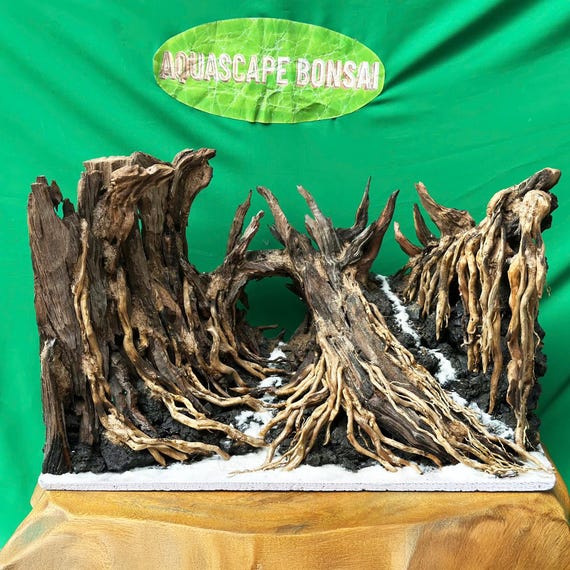
Credit: www.etsy.com
Frequently Asked Questions
What Makes Driftwood Ideal For Hiding Fish?
Driftwood offers natural hiding spots and shelter for fish. Its porous surface mimics natural habitats, reducing stress. It also provides areas for beneficial bacteria, enhancing water quality. This makes driftwood a perfect choice for creating safe, comfortable environments in aquariums and ponds.
How Does Driftwood Benefit Fish Health?
Driftwood releases tannins, which help lower pH and soften water. This creates a more natural environment suitable for many fish species. It also reduces harmful bacteria growth and promotes better gill function. Overall, driftwood improves fish well-being by simulating their native habitats.
Can All Fish Use Driftwood As Hiding Places?
Most freshwater fish, especially shy and territorial species, use driftwood for shelter. However, some fish prefer rocks or plants instead. Knowing your fish’s natural behavior helps decide if driftwood is suitable. Generally, driftwood enhances habitat complexity and offers safe spots for many fish.
How To Prepare Driftwood For Fish Hiding Safely?
Clean driftwood thoroughly to remove dirt and contaminants. Soak it for several days to release tannins and make it sink. Boil if possible to kill pathogens and parasites. Proper preparation ensures the driftwood is safe, stable, and beneficial for your aquatic environment.
Conclusion
Driftwood offers great hiding spots for fish in any aquarium. It helps fish feel safe and less stressed. This natural decoration also adds a nice look to the tank. Fish love to explore and rest near driftwood. Using it can improve your fish’s health and behavior.
Choose the right size and type for your aquarium. Clean the driftwood well before placing it inside. Watching fish interact with driftwood brings more life to your tank. Simple, natural, and effective—a good choice for fish hiding spots.