
Setting up your tank for the changing seasons can be tricky, but it doesn’t have to be. Whether you have fish, reptiles, or plants, adjusting your tank properly will keep your pets healthy and happy all year round.
You might be wondering what simple changes can make the biggest difference. You’ll discover easy and effective seasonal tank setup tips that save you time and stress. Keep reading to find out how small tweaks can create the perfect environment for your tank no matter the season.
Choosing The Right Tank
Setting up a tank for the season requires careful thought. Picking the right tank helps keep your plants or fish healthy.
Consider size, material, and where you place the tank. Each choice affects the tank’s success.
Selecting Tank Size
Choose a tank size based on the space you have and what you want to keep. Small tanks fit on desks or shelves.
Larger tanks hold more water but need more care and space. Think about how many plants or animals you want.
- Small tanks: 5 to 10 gallons, easy to manage
- Medium tanks: 20 to 40 gallons, good for beginners
- Large tanks: 50 gallons or more, need more maintenance
Material Considerations
Tanks come in glass or acrylic. Glass is clear and scratch-resistant. Acrylic is lighter and less likely to break.
Think about durability and cost. Glass tanks are usually cheaper but heavier. Acrylic tanks cost more but are easier to move.
- Glass: clear view, heavy, scratch-resistant
- Acrylic: lighter, less breakable, can scratch easily
Placement And Location
Place your tank where it gets stable temperature. Avoid direct sunlight to stop overheating and algae growth.
Pick a spot away from drafts or heaters. A sturdy surface can hold the tank’s weight safely.
- Keep tank away from windows with strong sunlight
- Use a flat, stable surface to prevent tipping
- Place tank where temperature stays steady

Credit: angiesfishroom.com
Seasonal Water Quality Management
Managing water quality is key to a healthy tank all year. Seasonal changes affect temperature, pH, and algae growth. Proper care keeps fish safe and plants thriving.
Adjust your tank setup as seasons change. Watch water conditions closely. Use simple techniques to keep the water clean and balanced.
Temperature Control Techniques
Water temperature changes with the seasons can stress fish and plants. Use heaters or chillers to keep water stable. Monitor the temperature daily.
- Check the tank temperature each morning.
- Set heaters to maintain ideal temperatures for your species.
- Use fans or chillers to cool water during hot months.
- Place the tank away from windows and direct sunlight.
- Adjust equipment settings as the weather changes.
Maintaining Proper Ph Levels
pH levels affect fish health and plant growth. Seasonal water changes can cause shifts in pH. Test your water weekly and take steps to balance it.
| Season | pH Range | Common Causes of pH Change |
| Spring | 6.8 – 7.2 | Increased plant growth, fresh water refill |
| Summer | 6.5 – 7.0 | Higher temperatures, more fish activity |
| Fall | 6.8 – 7.3 | Decaying leaves, lower light levels |
| Winter | 7.0 – 7.5 | Less biological activity, cooler water |
Use pH buffers or natural materials like driftwood to adjust pH. Avoid sudden changes by making slow water replacements.
Handling Algae Growth
Algae grow faster in warm, sunny conditions. Too much algae harms water quality and looks bad. Control algae with good tank habits.
- Reduce the amount of light the tank receives daily.
- Remove visible algae with a scraper or sponge.
- Keep water clean with regular partial changes.
- Use algae-eating fish or snails if suitable for your tank.
- Limit excess nutrients by avoiding overfeeding.
Filtration And Aeration Adjustments
Changing seasons affect your tank’s water quality. Adjusting filtration and aeration helps keep fish healthy. Proper care prevents stress and illness all year.
This guide covers how to upgrade filters for winter, boost oxygen in summer, and maintain equipment regularly.
Upgrading Filters For Winter
Cold water slows down beneficial bacteria in filters. This can reduce water cleaning. Use filters with larger capacity in winter. They keep water clearer and safer.
- Choose a filter rated for larger tanks than yours.
- Use bio-media that supports bacteria growth in cold water.
- Clean filter parts gently to avoid killing bacteria.
- Monitor water flow to ensure it does not slow down.
Enhancing Oxygen Levels In Summer
Warm water holds less oxygen. Fish need more oxygen in hot weather. Add aeration devices to increase oxygen. Use air stones or powerheads for better water movement.
| Aeration Method | Benefits | Best Use |
| Air Stone | Creates tiny bubbles, increases oxygen | Small to medium tanks |
| Powerhead | Improves water flow and surface agitation | Large tanks or ponds |
| Surface Skimmer | Removes debris, increases oxygen exchange | Outdoor tanks or ponds |
Regular Maintenance Tips
Keep filters and aerators clean to work well. Check equipment weekly. Replace worn parts fast. Avoid over-cleaning filter media to keep bacteria alive.
- Rinse filter media with tank water only.
- Check air pumps for noise or weak airflow.
- Clear debris from intake tubes and outlets.
- Test water oxygen levels during warm months.
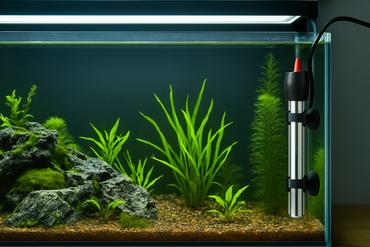
Credit: www.ratemyfishtank.com
Plant And Fish Care By Season
Caring for your tank plants and fish changes with the seasons. Each season brings different challenges.
Knowing how to adjust your care routine helps keep your tank healthy all year.
Winter Survival Strategies
Winter brings cold temperatures and less light. Plants grow slower, and fish need less food.
Keep the tank warm but avoid sudden temperature changes. Use a heater if needed.
- Reduce feeding to once a day
- Keep tank temperature stable between 72-78°F (22-26°C)
- Use a timer for lights to mimic daylight
- Remove dead leaves to prevent decay
Spring Growth Boosters
Spring is a time of growth. Plants start to grow faster, and fish become more active.
Increase light and nutrients to support plant growth. Feed fish more often but not too much.
- Increase lighting to 10-12 hours daily
- Add liquid fertilizer for plants weekly
- Feed fish small amounts 2-3 times a day
- Check water quality regularly
Summer Heat Protection
Summer heat can raise tank temperature too high. Fish and plants may get stressed.
Keep the tank cool and provide shade. Avoid direct sunlight on the tank.
- Use a fan or aquarium chiller if needed
- Feed fish smaller meals to prevent waste
- Test water temperature twice daily
- Increase aeration with air stones or filters
Autumn Preparation Steps
Autumn prepares your tank for cooler months. Plants slow down, and fish eat less.
Clean the tank and reduce feeding. Check equipment before winter arrives.
- Perform a partial water change
- Trim dead or dying plant parts
- Reduce feeding to once or twice daily
- Test heater and lights for winter use
Feeding Schedules And Diet Changes
Feeding your tank’s inhabitants properly is crucial for their health. Adjustments are needed based on seasons to ensure well-being.
Learn how to tailor feeding schedules and diet types to match seasonal changes. Proper planning prevents overfeeding and promotes nutrition.
Adjusting Feeding In Cold Months
Fish metabolism slows in cold months, which means they need less food. Adjust feeding to match their lower activity levels.
- Reduce feeding frequency to once daily.
- Offer smaller portions to avoid uneaten food.
- Monitor fish behavior to gauge hunger.
Nutrition For Active Seasons
In warmer months, fish are more active. They need more energy, so adjust their diet to meet their increased needs.
| Food Type | Frequency |
| High-protein pellets | Twice daily |
| Fresh vegetables | Every other day |
| Live food | Weekly treat |
Avoiding Overfeeding
Overfeeding can harm water quality and fish health. It’s important to provide balanced portions and monitor feeding habits.
Monitoring And Troubleshooting
Seasonal tank setups need close attention to keep fish healthy. Changes in weather can stress fish and cause problems.
Regular monitoring helps catch issues early. Troubleshooting fixes problems before they get worse.
Identifying Seasonal Stress Signs
Fish show stress in many ways during seasonal changes. Watch for these signs to act quickly.
- Loss of color or dull scales
- Slow swimming or hiding more than usual
- Not eating or spitting out food
- Gasping at the surface or rapid gill movement
- Clamped fins or unusual spots on the body
Common Problems And Fixes
Seasonal changes cause common issues. Knowing fixes helps keep your tank stable.
| Problem | Cause | Fix |
| Algae bloom | More sunlight and nutrients | Reduce light, clean tank |
| Low oxygen | Warm water holds less oxygen | Add aeration, do water changes |
| Temperature swings | Cold nights and warm days | Use heaters, insulate tank |
| Fish illness | Stress from environment changes | Quarantine sick fish, treat illness |
Using Technology For Monitoring
Technology helps track tank conditions easily. Use simple tools for better care.
- Digital thermometers for accurate temperature readings
- pH meters to check water acidity
- Oxygen sensors to monitor air levels
- Automatic feeders to maintain feeding schedule
- Water quality test kits for ammonia and nitrate levels

Credit: www.reddit.com
Frequently Asked Questions
How Do Seasonal Changes Affect Tank Water Quality?
Seasonal changes can alter temperature, pH, and oxygen levels in tank water. These shifts impact fish health and algae growth. Monitoring water parameters regularly during seasonal transitions ensures a stable, healthy environment for aquatic life.
What Are The Best Plants For Seasonal Tank Setups?
Choose hardy plants like Java fern or Anubias for seasonal tanks. These plants tolerate temperature fluctuations and low light. They improve water quality and provide shelter, enhancing the overall tank ecosystem throughout the year.
How Often Should I Adjust Tank Temperature Seasonally?
Adjust tank temperature gradually by 1-2 degrees weekly during seasonal shifts. Sudden changes stress fish and plants. Use a reliable heater and thermometer to maintain a stable, comfortable environment aligned with the species’ needs.
What Seasonal Maintenance Is Essential For Aquarium Health?
Seasonal maintenance includes water changes, filter cleaning, and equipment checks. Inspect heaters, lights, and pumps to ensure proper function. Regular maintenance prevents disease, supports fish health, and adapts the tank to seasonal conditions effectively.
Conclusion
Seasonal tank setup needs attention to keep fish healthy. Adjust water temperature and lighting for each season. Clean the tank regularly to avoid harmful buildup. Change water often to maintain fresh conditions. Watch fish behavior to spot any stress signs early.
Simple steps help your tank thrive all year. Enjoy a vibrant and happy aquatic environment anytime.