
Are you ready to transform your medium-sized tank into a stunning underwater masterpiece? Aquascaping for medium tanks is the perfect way to bring life, color, and balance to your aquatic space.
Whether you’re a beginner or looking to refine your skills, this guide will help you create a breathtaking scene that captures attention and soothes the mind. Imagine your tank as a living work of art that not only looks amazing but also creates a healthy environment for your fish.
Keep reading, and you’ll discover simple tips and tricks to make your aquascape stand out like never before.
Choosing The Right Medium Tank
Picking the right medium tank is key for a good aquascape. It gives enough space for plants and fish to grow well.
A medium tank balances size and ease of care. You get a nice display without too much work.
Ideal Dimensions And Capacity
A medium tank usually holds between 20 and 40 gallons of water. This size works well for many aquascapes.
Look for a tank with enough length and width. This space helps arrange plants and hardscape nicely.
- Length: 24 to 36 inches
- Width: 12 to 18 inches
- Height: 12 to 18 inches
- Capacity: 20 to 40 gallons
Material And Shape Considerations
Glass tanks are clear and scratch-resistant. Acrylic tanks are lighter but scratch easier.
Rectangular tanks give more planting space. Bow front or hexagonal shapes can add style but limit layout options.
- Glass tanks: clear view, durable
- Acrylic tanks: lighter, more flexible
- Rectangular shape: best for aquascaping
- Curved shapes: stylish but less planting area

Credit: www.horizonaquatics.co.uk
Selecting Substrate And Hardscape
Setting up a medium tank for aquascaping requires careful substrate and hardscape choices. These elements shape the tank’s look and support plant growth.
Choosing the right materials helps create a healthy environment. It also makes your aquascape visually balanced and natural.
Types Of Substrates
Substrate is the material on the tank bottom. It supports plants and affects water quality. Different types suit different needs.
Some substrates provide nutrients for plants. Others focus on good water flow or decoration.
- Aquarium soil: Rich in nutrients, good for planted tanks
- Sand: Smooth texture, easy for bottom dwellers
- Gravel: Offers good water circulation, natural look
- Clay-based substrates: Help plant roots grow strong
- Mixed substrates: Combine benefits of different types
Incorporating Rocks And Driftwood
Rocks and driftwood add natural shapes and textures to your tank. They create hiding spots and focal points for fish and plants.
Choose hardscape materials that do not change water chemistry too much. Clean them well before adding to the tank.
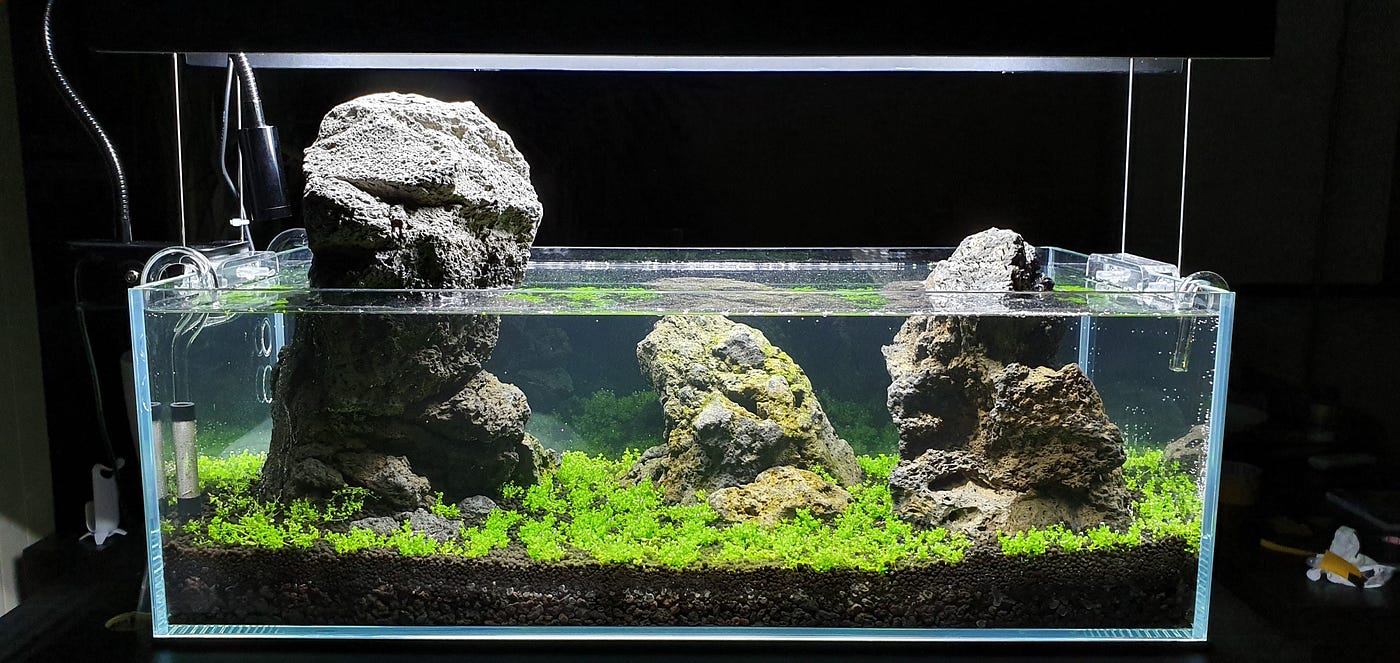
- Rocks: Use smooth stones like lava rock or slate
- Driftwood: Adds a rustic, natural feel
- Arrange hardscape to allow plant growth and fish movement
- Build height with rocks for depth perception
- Place driftwood to create shaded areas for fish
Plant Selection For Medium Tanks
Choosing the right plants is key for a healthy aquascape in medium tanks. Good plant choices help create balance and beauty.
Plants for medium tanks should fit the space and light available. They also need to be easy to care for.
Low Maintenance Plants
Low maintenance plants need less light and nutrients. They grow well without much trimming or special care.
These plants are perfect for beginners or busy hobbyists. They keep your tank looking nice with little effort.
- Anubias – grows slowly and tolerates low light
- Java Fern – attaches to rocks and driftwood
- Cryptocoryne – adapts well to different conditions
- Amazon Sword – adds height and green color
Highlighting Color And Texture
Color and texture bring life and interest to your aquascape. Choose plants with different leaf shapes and shades.
Mixing plants with smooth and rough leaves adds depth. Bright green, red, and dark green plants create a nice contrast.
- Red Ludwigia – adds bright red tones
- Rotala – fine leaves for soft texture
- Bucephalandra – small leaves with rich colors
- Java Moss – soft, bushy texture for ground cover
Credit: medium.com
Design Principles For Impact
Aquascaping a medium tank can create a beautiful underwater scene. It needs careful planning to make the design stand out. Using design principles helps achieve a strong visual impact.
This guide covers two key principles: creating depth and perspective, and balancing elements with focal points. These ideas make your tank look more natural and interesting.
Creating Depth And Perspective
Depth makes your aquascape appear larger and more three-dimensional. Use size, placement, and layering to achieve this effect.
- Place taller plants and hardscape materials at the back.
- Use medium-sized elements in the middle ground.
- Put small plants or pebbles in the front.
- Use curved lines to guide the eye deeper into the tank.
- Combine dark and light colors to add contrast and distance.
Balancing Elements And Focal Points
A balanced aquascape feels stable and pleasing. A focal point draws attention and creates interest.
| Element | Purpose | Tips |
|---|---|---|
| Hardscape (rocks, wood) | Structure and texture | Place off-center for natural look |
| Plants | Color and softness | Use different shapes and heights |
| Focal Point | Visual focus | Highlight with contrast or unique shape |
| Open Space | Balance and rest for eyes | Leave some empty areas |
Lighting And Filtration Tips
Aquascaping in medium tanks can be rewarding. Proper lighting and filtration are key to success. This guide will help you set up your tank effectively.
Understanding lighting and water quality will make your aquascape thrive. Let’s explore the best practices for each aspect.
Optimal Light Setup
Lighting is crucial for plant growth. It also enhances the visual appeal of your aquascape. Choose the right light to keep plants healthy and vibrant.
LED lights are popular for aquascaping. They provide the right spectrum for plant photosynthesis. Adjust the light duration to mimic natural daylight.
- Use LED lights for energy efficiency
- Ensure 8-10 hours of light per day
- Avoid direct sunlight to prevent algae growth
Maintaining Water Quality
Clean water is vital for fish and plants. A good filtration system helps maintain water quality. Regular checks keep your tank environment stable.
Choose a filter that suits your tank size. It should handle the water volume efficiently. Test water parameters weekly for best results.
- Use a canister filter for medium tanks
- Check ammonia and nitrate levels weekly
- Perform partial water changes regularly
Fish And Invertebrate Choices
Choosing the right fish and invertebrates is key for a healthy aquascape in medium tanks. The species must fit well in the environment and live peacefully together.
This guide focuses on species suitable for medium-sized tanks. It also explains the benefits of including shrimp and snails.
Compatible Species For Medium Tanks
Medium tanks offer enough space for various peaceful fish. Small schooling fish and calm bottom dwellers work well in these setups.
- Neon Tetras: Bright and active, they swim in groups.
- Corydoras Catfish: Gentle bottom dwellers that clean the substrate.
- Harlequin Rasboras: Hardy fish that add color and movement.
- Otocinclus Catfish: Small algae eaters, great for planted tanks.
- Cherry Barbs: Peaceful and colorful, good for community tanks.
- Guppies: Easy to care for and breed in medium tanks.
Choose species that grow small and stay peaceful. Avoid large or aggressive fish that may harm plants or tank mates.
Benefits Of Shrimp And Snails
Shrimp and snails help keep your tank clean and healthy. They eat leftover food, algae, and decaying matter.
These invertebrates add movement and interest to your aquascape. They also improve water quality by breaking down waste.
- Amano Shrimp: Excellent algae eaters, safe with most fish.
- Cherry Shrimp: Bright red color, easy to breed.
- Nerite Snails: Eat algae without harming plants.
- Malaysian Trumpet Snails: Aerate the substrate and clean detritus.
Maintenance And Troubleshooting
Aquascaping for medium tanks needs regular attention. Proper care keeps plants healthy and water clear.
Knowing how to fix common problems helps you keep your tank beautiful and balanced.
Regular Care Routines
Daily checks help spot issues early. Look for plant health and water quality every day.
Weekly tasks keep the tank stable. These include water changes and cleaning the filter.
- Test water parameters like pH and nitrate levels
- Change 10-20% of water each week
- Trim dead or dying leaves from plants
- Clean algae from glass and decorations
- Check filter function and clean if needed
Managing Algae And Plant Health
Algae can grow fast and harm your plants. Control light and nutrients to limit algae growth.
Healthy plants need good light, nutrients, and CO2. Watch leaves for signs of stress or disease.
- Keep light on for 6 to 8 hours daily
- Avoid overfeeding fish to reduce excess nutrients
- Use fertilizers suitable for aquatic plants
- Remove algae manually if it appears
- Add algae-eating fish or shrimp cautiously
- Replace weak plants with stronger species

Credit: buceplant.com
Creative Design Ideas
Aquascaping medium tanks can be a fun challenge. You have enough space to try different styles. Here are some creative design ideas for your aquarium.
These ideas will help you create a beautiful and healthy environment. Your fish and plants will thrive in these unique layouts.
Nature-inspired Layouts
Nature-inspired layouts mimic natural environments. They create a calming and organic look in your tank.
- Use rocks and wood to build natural structures.
- Include plants that are common in rivers and lakes.
- Create a sense of depth with different plant heights.
- Let some areas remain open for fish to swim.
Modern And Minimalist Styles
Modern and minimalist styles focus on simplicity. They use clean lines and minimal decoration for a sleek look.
| Element | Recommendation |
| Plant Choice | Use only one or two species |
| Color Scheme | Stick to neutral tones |
| Decorations | Limit to one or two pieces |
Frequently Asked Questions
What Is The Ideal Size For A Medium Aquascape Tank?
A medium aquascape tank typically ranges from 20 to 40 gallons. This size balances space for plants and fish while fitting comfortably in most rooms.
How Do I Choose Plants For Medium Tanks?
Select plants based on light, growth rate, and tank size. Choose easy-care species like Java fern, Anubias, and Cryptocoryne for medium tanks.
What Substrate Is Best For Medium Tank Aquascaping?
Nutrient-rich substrates like aqua soil or laterite are ideal. They promote healthy plant growth and provide good root support in medium tanks.
How Often Should I Maintain A Medium Aquascape Tank?
Perform weekly water changes of 20-30% and trim plants regularly. Consistent maintenance keeps water quality high and plants healthy in medium tanks.
Conclusion
Aquascaping a medium tank brings life and beauty to your space. Choosing the right plants and decorations creates a balanced look. Keep your design simple and natural for best results. Regular care helps plants grow healthy and vibrant. Enjoy watching your underwater garden thrive every day.
This hobby offers calm and joy in small steps. Start with basic ideas, then add your own style. Your tank can become a peaceful, living artwork.