
Are you tired of clutter around your aquarium? Struggling to find a safe, neat place to store your heater?
An aquarium cabinet for heater storage might be exactly what you need. Imagine a simple solution that keeps your equipment organized, hidden, and easy to access whenever you need it. You’ll discover how the right cabinet can protect your heater, improve your aquarium’s look, and make maintenance easier.
Keep reading to find out how to choose the perfect cabinet for your setup and transform the way you care for your aquarium.
Credit: www.vevor.ca
Benefits Of Cabinet Heater Storage
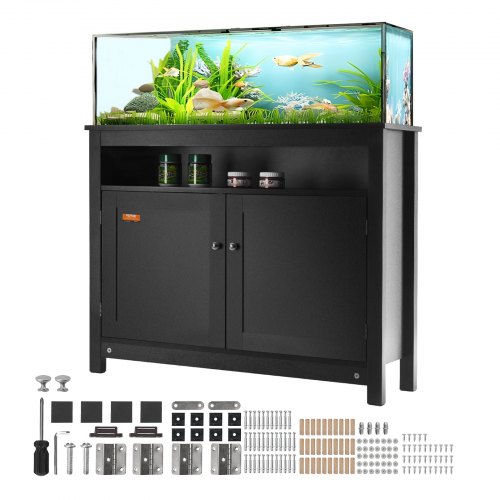
An aquarium cabinet with heater storage keeps your space tidy. It helps organize the heater safely and neatly.
Using a cabinet for heater storage protects the heater and improves the aquarium area look.
Space Efficiency
Cabinets save space by hiding the heater inside. This frees up room around the aquarium.
Heater storage cabinets keep equipment in one place. This helps avoid clutter and makes cleaning easier.
- Organizes heater and cords neatly
- Frees up surface and floor space
- Keeps aquarium area tidy and functional
Enhanced Safety
Storing the heater in a cabinet reduces the risk of accidents. It keeps the heater away from children and pets.
The cabinet protects the heater from water splashes and damage. This helps the heater last longer and work well.
- Prevents direct contact with heater
- Protects heater from water and dust
- Reduces risk of electrical hazards
Improved Aesthetics
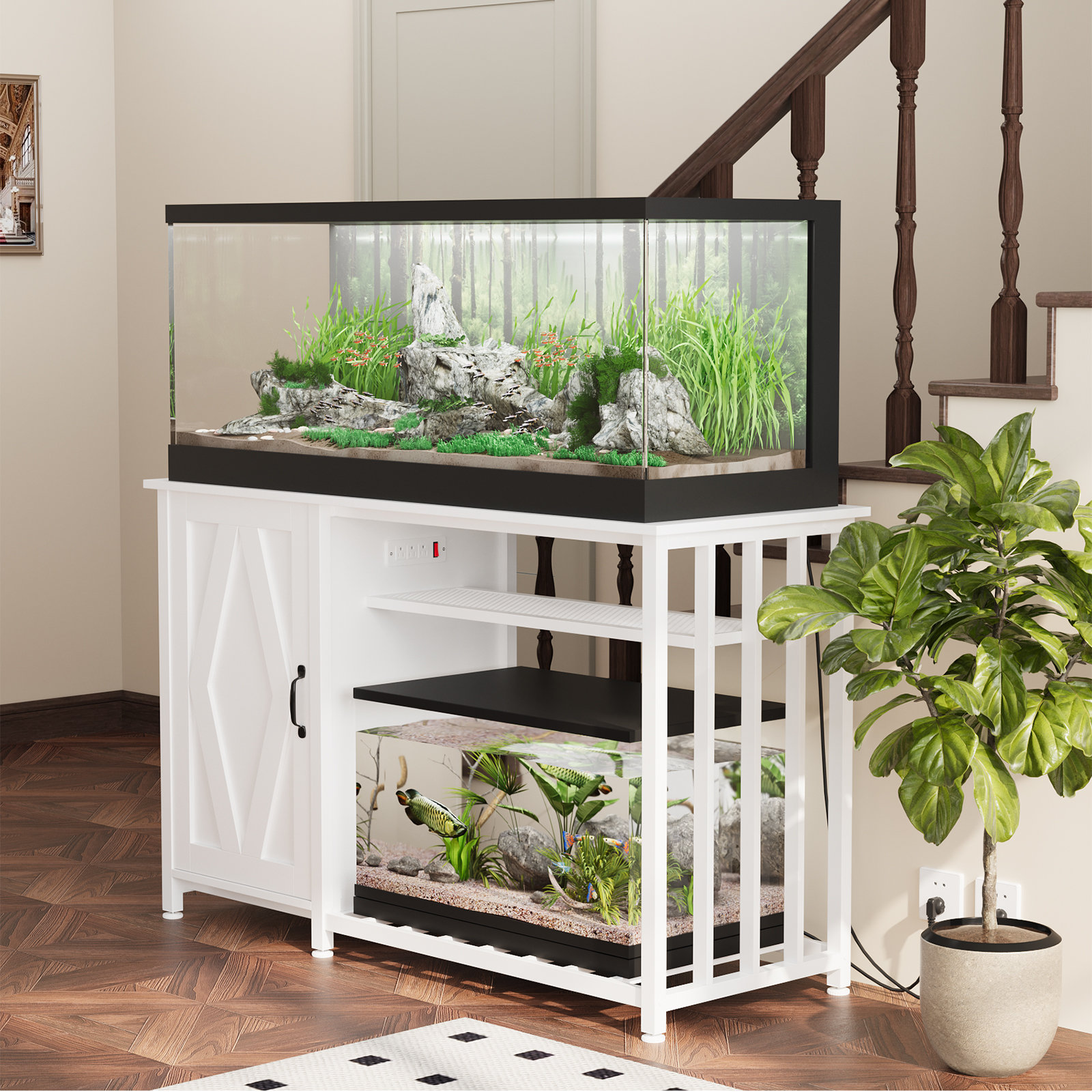
Heater cabinets hide equipment and wires. This creates a clean and neat look around the aquarium.
The cabinet design can match your room style. It adds to the beauty of your aquarium setup.
- Conceals heater and cables
- Creates a tidy aquarium display
- Matches room decor for a better look
Credit: www.wayfair.ca
Choosing The Right Cabinet
Finding the perfect aquarium cabinet for heater storage is important. It keeps your heater safe and your tank organized.
Picking the right cabinet depends on several factors. These include material, size, and ventilation.
Material Considerations
Choose a cabinet made from strong materials. It must hold the heater weight and resist water damage.
Wood and metal are common choices. Wood looks good but may need waterproof coating. Metal lasts long but can rust.
- Solid wood with waterproof finish
- Water-resistant MDF or plywood
- Rust-proof metal or aluminum
- Plastic cabinets for lightweight options
Size And Fit
Measure your heater before picking a cabinet. The cabinet must fit the heater and extra accessories.
Leave space for easy access and wiring. A tight fit can cause damage or overheating.
- Measure heater height, width, and depth
- Allow extra room for cords and plugs
- Check cabinet door size for easy access
- Consider space for other equipment
Ventilation Features
Good airflow is key to avoid heater overheating. Cabinets with vents or fans work best.
Look for designs that allow heat to escape. This keeps your heater safe and running well.
- Built-in vents or slats for airflow
- Space at cabinet back for air movement
- Option to add small fans if needed
- Avoid fully enclosed cabinets without ventilation
Installation Tips
Setting up an aquarium cabinet for heater storage needs care. Proper installation keeps your heater safe and working well.
Follow simple tips to place, secure, and manage cables for the heater cabinet.
Positioning The Heater
Put the heater inside the cabinet where water can flow around it. This helps the heater work correctly.
Keep the heater away from the cabinet walls to avoid overheating. Place it low but not touching the bottom.
- Place heater close to water inlet for better heat circulation
- Leave space around heater for water flow
- Avoid direct contact with cabinet surfaces
Securing The Cabinet
Fix the cabinet firmly to prevent movement or falling. Use screws or brackets for strong support.
Check that the cabinet can hold the heater’s weight and any extra equipment safely.
- Use wall anchors if mounting on drywall
- Double-check stability after installation
- Secure doors or panels to keep heater inside
Cable Management
Organize heater cables neatly to avoid tangles and damage. Use clips or ties to hold cables in place.
Keep cables away from water and heat sources. Make sure plugs are dry and accessible.
- Use cable clips to guide wires along cabinet edges
- Avoid sharp bends in cables
- Place power plugs where water cannot reach

Credit: www.vevor.ca
Maintenance And Safety Measures
Maintaining an aquarium cabinet for heater storage is crucial. It ensures the safety of your aquatic life. Follow these guidelines to keep your aquarium running smoothly.
Regular inspections and cleaning prevent issues. This guide highlights key measures to follow.
Regular Inspection
Inspect your aquarium cabinet regularly. This helps identify problems early. Check for any signs of wear or damage.
- Look for cracks or leaks in the cabinet.
- Ensure the heater is securely mounted.
- Check electrical connections for safety.
Preventing Overheating
Overheating can be harmful. Make sure the heater is set to the correct temperature. Use a reliable thermostat for accuracy.
Cleaning Guidelines
Regular cleaning keeps the cabinet and heater in good condition. Use safe, non-toxic materials.
| Cleaning Task | Frequency |
| Wipe exterior surfaces | Weekly |
| Clean heater elements | Monthly |
| Inspect for mold | Quarterly |
Creative Storage Solutions
Keeping aquarium heaters safe and organized is important for a neat tank area. Cabinets can hide heaters and other tools well.
Smart storage helps protect equipment and saves space. Let’s explore some creative ways to store aquarium heaters.
Custom Cabinet Designs
Custom cabinets fit your aquarium setup perfectly. They can match the size and style of your tank.
You can add special compartments just for heaters. This keeps them safe and easy to reach.
- Include vents for heat release
- Add waterproof shelves or trays
- Use materials that resist moisture
Multi-functional Storage Options
Storage spaces can hold more than just heaters. Use them for food, cleaning tools, and decorations too.
Combining storage needs helps keep everything tidy in one place.
- Drawers for small parts and tools
- Hooks for hanging nets or tubes
- Adjustable shelves for different items
Diy Projects
Building your own cabinet can be fun and cost-effective. You can design it exactly how you want.
Simple materials and tools can create a sturdy heater cabinet that fits your aquarium space.
- Use wood or plastic crates
- Add ventilation holes for heat
- Paint or seal to protect from water
Frequently Asked Questions
What Is An Aquarium Cabinet For Heater Storage?
An aquarium cabinet for heater storage is a specialized enclosure. It hides and protects aquarium heaters safely. It keeps the setup tidy and prevents damage.
Why Use A Cabinet For Aquarium Heater Storage?
Using a cabinet organizes heater equipment neatly. It reduces clutter around the aquarium. It also improves safety by preventing accidental contact with heaters.
How To Choose The Best Cabinet For Heater Storage?
Look for durability, size, and ventilation in the cabinet. It should fit your aquarium heater perfectly. Proper airflow prevents heater overheating and ensures efficient operation.
Can Aquarium Cabinets Improve Heater Lifespan?
Yes, cabinets protect heaters from dust and accidental knocks. This protection reduces wear and tear. It helps maintain heater performance longer and avoids costly replacements.
Conclusion
An aquarium cabinet for heater storage keeps your tank neat and safe. It hides wires and devices, making the aquarium look cleaner. The cabinet also protects heaters from damage and stops pets from touching them. Choosing the right cabinet helps maintain water temperature easily.
It saves space and organizes your aquarium tools well. A simple cabinet can improve your fish tank setup a lot. Keep your aquarium tidy and functional with a good heater cabinet. It makes caring for your fish easier every day.