
Are you looking to boost the health and growth of your coral? Understanding how LED lighting affects coral metabolism could be the key to unlocking vibrant, thriving underwater life in your aquarium.
The right light doesn’t just make your coral look beautiful—it powers the very processes that keep them alive and growing. You’ll discover how LED lighting impacts coral metabolism and what that means for your reef’s wellbeing. Keep reading to learn how to create the perfect environment that lets your corals shine like never before.
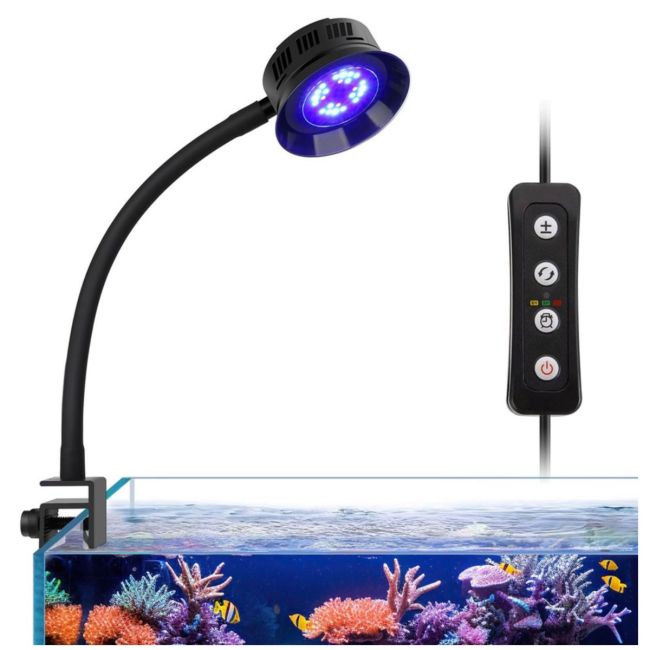
Credit: www.aquariumspecialty.com
Benefits Of Led Lighting For Coral
LED lighting plays a vital role in coral metabolism. It supports coral growth and health by providing proper light energy. Using LED lights is a smart choice for coral tanks.
This article explains key benefits of LED lighting for coral metabolism. These include energy use, light spectrum, and durability.
Energy Efficiency And Cost Savings
LED lights use less energy than traditional bulbs. This reduces electricity bills and saves money over time. They produce more light with less power, making them very efficient.
- Lower energy consumption cuts costs.
- Less heat output reduces cooling needs.
- LEDs need fewer replacements, saving money.
Customizable Light Spectrum
LED lights can emit specific colors and intensities. This helps mimic natural sunlight. Corals get the right light to boost photosynthesis and growth.
| Light Color | Effect on Coral |
| Blue | Enhances photosynthesis |
| Red | Supports growth and coloration |
| White | Balances spectrum for health |
Longevity And Durability
LED lights last longer than other types. They resist damage from moisture and heat. This means less maintenance and fewer replacements.
- Long lifespan up to 50,000 hours
- Strong resistance to water and corrosion
- Less frequent bulb changes
Coral Metabolism Basics
Coral metabolism depends on light and nutrients. It helps corals grow and stay healthy. Understanding this process is key to caring for coral reefs.
Light plays a big role in coral life. It affects how corals create energy and build their skeletons. Let’s explore how light impacts coral metabolism.
Role Of Light In Photosynthesis
Corals have tiny algae called zooxanthellae inside their tissues. These algae use light to make food through photosynthesis. The food feeds both the algae and the coral.
- Light energy powers photosynthesis in zooxanthellae.
- Photosynthesis produces oxygen and sugars for coral use.
- Different light colors affect photosynthesis rates.
- LED lighting can mimic natural sunlight for corals.
Impact On Coral Growth
Light intensity and quality change coral growth speed. Good lighting helps corals build strong skeletons. It also supports healthy tissue development.
| Light Type | Effect on Growth | Notes |
| Blue LED | High growth rate | Supports photosynthesis well |
| White LED | Moderate growth | Balanced spectrum |
| Red Light | Low growth | Less effective for corals |
Health And Stress Factors
Too much or too little light can stress corals. Stress lowers coral immunity and slows metabolism. It can cause coral bleaching, where corals lose algae.
Signs of coral stress from light include:
- Faded colors
- Reduced polyp extension
- Slower growth
- Bleaching events
How Led Lighting Enhances Coral Growth
LED lighting plays a key role in helping corals grow. It provides the right light that corals need to thrive.
Using LED lights can improve coral health by supporting important biological processes.
Optimizing Light Intensity
Corals need light at the right strength. Too much or too little light can hurt them.
- LED lights allow precise control of light intensity.
- Proper light helps corals get energy from photosynthesis.
- Adjusting light prevents stress and bleaching in corals.
- LEDs provide consistent light without overheating the water.
Spectrum Effects On Photosynthetic Algae
Corals have algae inside them that need light to make food. The color of light matters for this process.
| Light Spectrum | Effect on Algae |
| Blue Light (400-500 nm) | Boosts algae photosynthesis |
| Red Light (600-700 nm) | Supports energy absorption |
| Green Light (500-600 nm) | Less effective for photosynthesis |
Promoting Calcification
Calcification helps corals build their hard skeletons. LED lighting supports this process.
Key ways LED lighting promotes calcification:
- Increases energy supply for coral cells
- Enhances photosynthesis in symbiotic algae
- Improves coral growth rates over time
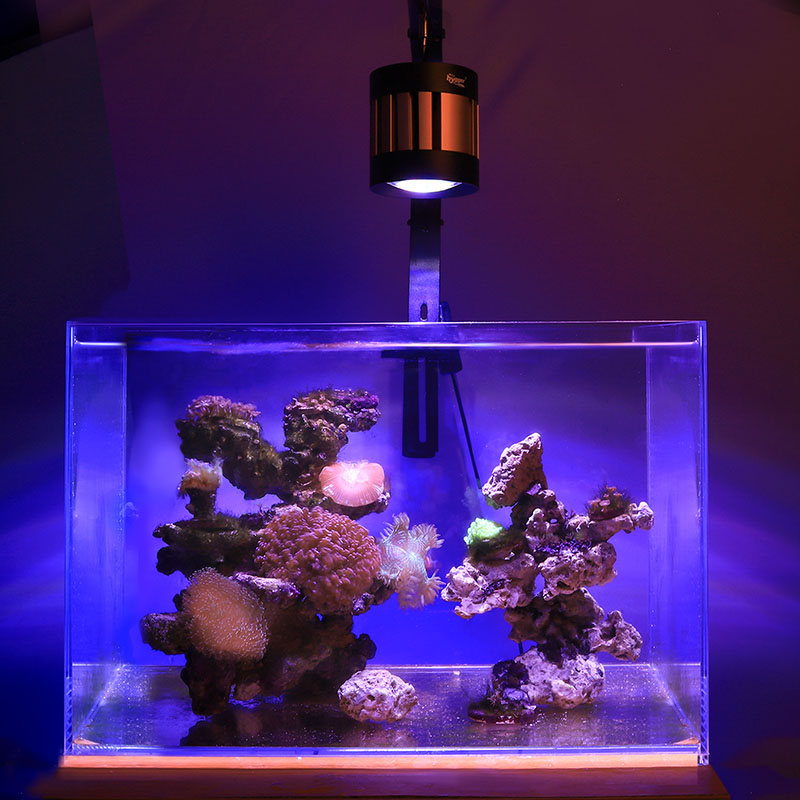
Credit: www.hygger-online.com
Choosing The Right Led Setup
Choosing the correct LED lighting is key for coral metabolism. The right setup helps corals grow and stay healthy. This guide covers important factors to consider.
Understanding wattage, spectrum options, and system integration makes a big difference. These points help you pick LEDs that fit your aquarium well.
Wattage And Coverage Area
Wattage affects how much light reaches your corals. You need enough power to cover the whole tank evenly. Too little wattage can slow coral growth.
| Tank Size (Gallons) | Recommended Wattage (Watts) | Coverage Area (Square Feet) |
| 10 | 30-50 | 1-2 |
| 30 | 90-150 | 3-5 |
| 50 | 150-250 | 5-7 |
| 75+ | 250+ | 7+ |
Adjustable Spectrum Features
Corals need different light colors for metabolism. Adjustable spectrum LEDs let you change colors as needed. This helps match natural sunlight and coral needs.
- Blue light boosts coral fluorescence and growth
- White light supports photosynthesis
- Red light can enhance coloration
- Some LEDs allow customizing each color channel
Integration With Existing Systems
Choose LEDs that work well with your current aquarium setup. Check if your controller supports the new lights. Seamless integration saves time and effort.
| System Type | Compatibility Tips |
|---|---|
| Standalone Controller | Verify LED driver compatibility |
| Smart Home Integration | Use Wi-Fi or Bluetooth enabled LEDs |
| Timer Systems | Check timer settings match LED power needs |
| Existing Lighting Fixtures | Confirm fixture size and mounting options |
Best Practices For Led Lighting Use
LED lighting is important for coral metabolism. Proper use ensures healthy coral growth.
By understanding best practices, you can optimize your aquarium lighting setup.
Lighting Schedules And Photoperiods
Corals need a balanced light schedule. Mimic natural daylight for best results.
- Provide 8-12 hours of light daily
- Gradually increase light intensity over weeks
- Use timers for consistency
Monitoring Coral Response
Watch your corals closely. Changes in color or growth can indicate light issues.
- Bleaching or color loss
- Reduced polyp extension
- Growth stalling
Avoiding Overexposure
Too much light can harm corals. It’s crucial to balance exposure.
| Light Intensity | Effect on Coral |
| Low | Slow growth |
| Medium | Optimal growth |
| High | Bleaching risk |

Credit: www.ebay.com
Case Studies And Success Stories
LED lighting is changing how corals grow and stay healthy. Many studies show how it helps corals in different settings.
This article shares real cases of LED lighting improving coral metabolism and growth.
Home Aquarium Improvements
Many home aquarium owners switched to LED lighting to help their corals. They found that LEDs provide better light quality for coral health.
Corals grew faster and showed brighter colors under LED lights. The energy use also dropped, making aquariums easier to maintain.
- Improved coral color and growth
- Lower energy consumption
- Better control of light intensity and spectrum
Commercial Coral Farming
Coral farms use LED lighting to boost coral production. LED lights help corals grow faster and resist stress better.
Farmers report higher yields and healthier corals. LEDs allow precise light settings, which improve coral metabolism and survival rates.
- Increased coral growth rates
- Reduced coral bleaching
- Cost savings on electricity
Research Findings
Scientific studies confirm that LED lighting affects coral metabolism positively. LEDs can mimic natural sunlight better than older lights.
Researchers found that certain light colors improve photosynthesis in coral algae. This boosts coral energy and growth.
- LEDs increase photosynthesis in coral symbionts
- Specific light wavelengths improve coral metabolism
- LEDs reduce heat stress on corals
Common Challenges And Solutions
LED lighting helps coral grow by supporting their metabolism. Using the right light is very important. Some challenges can happen when using LEDs in coral tanks.
Understanding these challenges and how to fix them keeps corals healthy and bright. Let’s look at some common issues and easy solutions.
Algae Overgrowth Control
Too much light can cause algae to grow fast. Algae blocks light for corals and uses nutrients they need. This harms coral health.
Use timers to limit light hours. Cleaning the tank often helps. Adding algae eaters like snails can also control algae.
- Set LED lights to 8-10 hours daily
- Clean tank surfaces weekly
- Include algae-eating animals
- Reduce excess nutrients in water
Balancing Light And Nutrients
Corals need the right light and nutrients to grow well. Too much light or too many nutrients can cause problems. Too little can slow coral growth.
Check water quality often. Adjust LED brightness and time based on coral needs. Keep nutrient levels steady with good feeding and water changes.
- Test water for nitrates and phosphates weekly
- Adjust LED intensity to coral type
- Feed corals properly without overfeeding
- Do regular water changes to balance nutrients
Equipment Maintenance Tips
LED lights and other equipment need regular care. Dust and salt can build up on lights and reduce their power. This affects coral metabolism.
Clean LED fixtures gently. Check wires and connections for damage. Replace old bulbs or parts to keep lighting effective.
- Wipe LED covers with a soft cloth monthly
- Inspect cables and plugs for wear
- Keep power supplies dry and dust-free
- Replace worn parts promptly
Frequently Asked Questions
What Is Led Lighting For Coral Metabolism?
LED lighting is a light source designed to support coral growth. It mimics natural sunlight, promoting photosynthesis in coral symbiotic algae. This enhances coral metabolism, health, and coloration. LED lights are energy-efficient and adjustable, making them ideal for reef aquariums.
How Does Led Light Affect Coral Photosynthesis?
LED light provides specific wavelengths that optimize photosynthesis in coral algae. This process produces oxygen and nutrients for coral energy. Proper LED lighting improves coral metabolism, growth, and resilience. It directly influences coral health by enhancing their natural biological functions.
Why Choose Led Lighting Over Other Types For Corals?
LED lighting offers customizable spectra and intensity, matching coral needs. It is energy-efficient, produces less heat, and lasts longer than traditional lights. LEDs promote better coral metabolism and coloration. This makes them a preferred choice for reef aquarium enthusiasts.
Can Led Lighting Improve Coral Coloration?
Yes, LED lighting enhances coral coloration by stimulating pigments. Specific light wavelengths trigger pigment production in coral tissues. This improves coral vibrancy and overall aesthetic appeal. Proper LED spectrum and intensity are crucial for color enhancement.
Conclusion
LED lighting supports coral growth by providing the right light spectrum. It helps corals perform photosynthesis and boosts their metabolism. Choosing the correct LED settings can improve coral health and color. This lighting also saves energy and lasts longer than other lights.
Careful use of LED lights creates a better environment for corals to thrive. Understanding how light affects coral metabolism makes aquarium care easier. Small changes in lighting lead to big improvements in coral life. Keep experimenting to find the best LED setup for your corals.