
Are you setting up a single-species aquarium and want the perfect stand to match? Choosing the right aquarium stand isn’t just about holding your tank—it’s about creating a safe, stylish home for your fish.
The right stand can make maintenance easier, highlight your tank’s beauty, and protect your investment. You’ll discover exactly what to look for in an aquarium stand designed for single-species tanks, so you can give your aquatic friends the best environment possible.
Keep reading to find out how to combine function and style effortlessly!
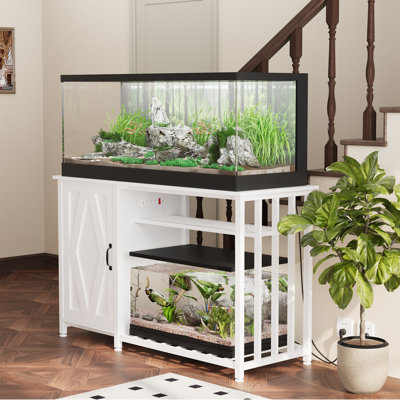
Credit: www.wayfair.ca
Choosing The Right Stand Material
Picking the right stand material is key for your single-species tank. The stand must support the tank’s weight and last long.
Different materials offer various benefits. Learn about wood, metal, and plastic to make a good choice.
Wood Vs Metal Vs Plastic
Wood stands look natural and strong. Metal stands are very durable and modern. Plastic stands are light and easy to move.
Wood can be heavy and may need treatment. Metal can rust if not coated. Plastic is less sturdy but resists water well.
- Wood:Classic look, solid but may warp
- Metal:Strong and sleek, may rust
- Plastic:Lightweight, water-resistant, less strong
Durability And Water Resistance
Durability is important because aquarium stands hold heavy tanks. Water resistance prevents damage from spills.
Wood can rot if wet. Metal lasts but may rust without paint. Plastic handles water well but can crack under pressure.
- Wood needs sealing to avoid water damage
- Metal needs rust-proof coating
- Plastic is naturally water-resistant
Aesthetic Considerations
Look of the stand affects the room’s style. Wood fits natural and cozy spaces well.
Metal matches modern or industrial looks. Plastic offers simple designs and many colors.
- Wood offers warm and classic styles
- Metal gives sleek and modern feel
- Plastic provides flexible colors and shapes
Weight Capacity And Load Distribution
Aquarium stands must support the tank’s full weight safely. This weight includes water, glass, substrate, and decorations.
Proper load distribution prevents damage and keeps the tank stable over time.
Calculating Tank Weight
Calculate tank weight by adding water, glass, and equipment weights. Water is the heaviest part.
Use the tank’s volume to estimate water weight. One gallon of water weighs about 8.34 pounds.
- Measure tank size in gallons or liters
- Multiply gallons by 8.34 to get water weight in pounds
- Add the weight of the glass and equipment
Ensuring Even Support
Even support stops pressure points that can crack the tank. The stand must hold weight evenly across its surface.
Use a solid, flat stand that matches the tank’s base shape and size.
- Check for any gaps or uneven areas on the stand
- Use levelers or shims if the floor is uneven
- Distribute weight evenly to avoid stress spots
Impact Of Substrate And Decorations
Substrate and decorations add extra weight to the tank. They can also change how weight spreads on the stand.
Heavier or unevenly placed items can increase pressure on certain areas. This can cause damage over time.
- Choose lightweight decorations when possible
- Spread substrate evenly to balance weight
- Avoid stacking heavy items on one side
Design Features For Stability
Creating a stable aquarium stand is essential for single-species tanks. This ensures safety for both the tank and the fish inside. Let’s explore key design features that promote stability.
Understanding the construction elements can help in choosing or building a reliable aquarium stand. Stability is achieved through thoughtful design and quality materials.
Leg And Frame Construction
The legs and frame of an aquarium stand must be strong. They should support the weight of the tank and water. Metal or thick wood is commonly used for durability.
- Choose materials like steel or hardwood for strength.
- Ensure even distribution of weight across all legs.
- Check for any signs of wobbling or instability.
Cross Bracing And Reinforcements
Cross bracing adds extra support to the frame. It prevents the stand from swaying or collapsing. Reinforcements enhance the overall stability.
- Vertical and horizontal braces strengthen the structure.
- Use brackets or metal strips for added support.
- Ensure all joints are securely fastened.
Leveling Mechanisms
Leveling mechanisms ensure the stand sits flat on the floor. This is crucial for preventing stress on the tank. Adjustable feet or shims can be used.
| Mechanism | Purpose |
| Adjustable Feet | Allow for height adjustments |
| Shims | Help to even out minor floor irregularities |
| Leveling Tool | Ensures the stand is perfectly horizontal |
Custom Vs Pre-made Stands
Choosing the right aquarium stand matters for single-species tanks. You can either build a custom stand or buy a pre-made one. Each option has its own advantages and limits.
This guide helps you compare custom and pre-made stands. You will learn about benefits, quality choices, and species-specific changes.
Benefits Of Custom Builds
Custom stands fit your tank perfectly. They match your room’s style and size. You can choose strong materials and add extra features.
- Exact size and shape for your tank
- Use durable wood or metal
- Add storage or lighting mounts
- Match your home décor
- Adjust height for easy care
Choosing Quality Pre-made Options
Pre-made stands are ready to use and often cost less. Pick one that supports your tank weight and fits the room space. Check the material and finish quality.
| Feature | Custom Stand | Pre-Made Stand |
| Price | Higher | Lower |
| Fit | Exact | Standard sizes |
| Material Options | Many | Limited |
| Assembly | DIY or professional | Usually ready |
| Customization | Full | Minimal |
Modifications For Specific Species
Some fish need special stands. Custom stands can add vents or extra support for heavy tanks. Pre-made stands may need changes for good fit and safety.
- Extra ventilation for tropical species
- Reinforced legs for heavy tanks
- Waterproof coating for humid environments
- Space for filters or heaters
- Easy access for tank maintenance
Placement And Environment
Choosing the right place for your aquarium stand is very important. The environment affects the tank’s safety and the health of the fish.
Think about space, light, and conditions around the stand. This helps keep your single-species tank stable and secure.
Floor Surface Considerations
Place the aquarium stand on a flat, strong floor. The floor must hold the full weight of the tank, water, and decorations.
Avoid soft or uneven surfaces. These can cause the stand to tilt or break over time.
- Use a level to check the floor surface
- Place a sturdy board under the stand if needed
- Keep the area clean and dry to prevent damage
Avoiding Vibrations And Shocks
Vibrations can stress fish and damage the tank. Keep the stand away from doors, speakers, and heavy foot traffic.
Place the stand on a vibration-absorbing mat if needed. Avoid bumping or shaking the stand.
- Do not place near washing machines or heavy machines
- Use rubber pads to reduce vibration
- Warn others to avoid hitting the tank
Humidity And Temperature Effects
High humidity can damage the stand’s material over time. Keep the room dry and well-ventilated.
Avoid placing the stand near heaters or air conditioners. Sudden temperature changes can harm fish and weaken the stand.
- Maintain room temperature between 65°F and 75°F (18°C to 24°C)
- Use a dehumidifier if the room is too moist
- Keep the tank away from direct sunlight

Credit: www.amazon.com
Maintenance And Safety Tips
Keeping a single-species aquarium stand safe and well-maintained is key to a healthy tank. Regular care helps avoid accidents and keeps your aquatic pets safe.
This guide covers important tips on inspecting your stand, handling spills, and securing equipment to ensure safety and cleanliness.
Regular Inspections
Check your aquarium stand often for signs of wear or damage. Look for cracks, loose joints, or water damage on the stand surface.
- Inspect all screws and fasteners for tightness.
- Check wood or metal parts for rust or rot.
- Examine the stand’s level to prevent tank imbalance.
- Look under the stand for moisture or leaks.
- Replace any damaged parts immediately.
Handling Spills And Leaks
Spills and leaks can harm your floor and damage the stand. Clean them quickly to prevent long-term problems.
| Type | Action |
| Small Spill | Use a dry cloth to wipe it up immediately. |
| Large Spill | Use towels and a mop to absorb water fast. |
| Leak Under Stand | Lift the tank carefully and check seals. |
| Persistent Leak | Call a professional for repair advice. |
Securing Equipment And Accessories
Keep all equipment and accessories firmly in place to avoid accidents. Loose items may fall and cause damage or injury.
- Use clamps or brackets to hold filters and heaters.
- Secure cords and cables away from water.
- Check that lids and covers fit tightly.
- Store maintenance tools in a safe spot away from pets and children.

Credit: aquaproshq.com
Frequently Asked Questions
What Size Aquarium Stand Suits Single-species Tanks?
Choose a stand that matches your tank’s dimensions and weight. Ensure it supports the tank fully and fits your space. Proper sizing prevents accidents and maintains tank stability for a safe, attractive display.
How To Choose Materials For Aquarium Stands?
Opt for sturdy materials like solid wood, metal, or engineered wood. These materials handle moisture and weight well. Avoid particleboard or untreated wood to prevent warping and damage over time.
Can Aquarium Stands Improve Tank Aesthetics?
Yes, a well-designed stand complements your tank’s style. It hides equipment and provides storage. Aesthetic stands enhance room décor and create a cohesive, attractive fish-keeping setup.
Are Custom Aquarium Stands Worth It?
Custom stands offer perfect fit and style tailored to your tank. They maximize storage and durability. Though costlier, they provide long-term value and a personalized aquarium experience.
Conclusion
Choosing the right aquarium stand keeps your tank safe and stable. It supports the weight and fits your space perfectly. A good stand helps show off your fish clearly. It also makes cleaning and feeding easier. Think about the size and style before buying.
A proper stand makes your single-species tank look great. Enjoy watching your fish in a strong, steady home. Simple steps lead to a happy fish tank experience.