
If you keep tropical fish, you know how sensitive they can be to sudden changes in their environment. One of the biggest challenges is introducing them to cooler water without causing stress or harm.
That’s where cold water acclimation comes in. By learning how to properly adjust your fish to colder temperatures, you’ll protect their health and keep them thriving. You’ll discover simple, effective steps to make cold water acclimation easy and safe for your tropical fish.
Keep reading to ensure your underwater friends stay happy and healthy no matter the temperature.

Credit: www.hygger-online.com
Benefits Of Cold Water Acclimation
Cold water acclimation helps tropical fish adjust to cooler temperatures safely. It reduces shock and helps fish stay healthy.
This process slowly lowers water temperature so fish can adapt without stress. It supports their natural functions and well-being.
Improving Fish Health
Cold water acclimation allows fish to adapt their metabolism slowly. This helps their immune system work better.
It reduces the chance of illness caused by sudden temperature changes. Fish stay stronger and fight diseases more easily.
Reducing Stress Levels
Fish experience less stress when water temperature changes gradually. Stress can weaken fish and cause health problems.
Cold water acclimation lowers stress by avoiding sudden shocks. Calm fish behave normally and stay active.
Enhancing Longevity
Fish live longer with proper acclimation. A stable environment helps their bodies work well over time.
Slow temperature changes reduce damage to vital organs. This supports a longer, healthier life for tropical fish.
Preparing For Acclimation
Cold water acclimation is important for tropical fish moving to cooler tanks. It helps fish adjust safely to new temperatures.
Proper preparation makes acclimation easier and reduces stress on the fish. This guide covers key steps to prepare well.
Selecting Suitable Equipment
Choose equipment that controls temperature and water flow precisely. This ensures a stable environment for your fish.
Use a reliable heater and thermometer. Air pumps and filters keep water clean and oxygenated during acclimation.
- Adjustable aquarium heater
- Accurate digital thermometer
- Gentle water filter
- Air pump with air stone
- Buckets or containers for water mixing
Monitoring Water Parameters
Check water temperature often. Keep it steady to avoid shocking your fish.
Test pH, ammonia, nitrite, and nitrate levels. Balanced water helps fish stay healthy during acclimation.
- Measure temperature twice daily
- Test pH to match original tank
- Keep ammonia and nitrite at zero
- Maintain low nitrate levels
Setting Up A Quarantine Tank
A quarantine tank keeps new fish separate from others. This prevents spreading illness and stress.
Set the tank with clean water and proper temperature. Add hiding spots to help fish feel safe.
- Use a clean tank or container
- Match water parameters to main tank
- Include plants or decorations for shelter
- Keep the tank covered to reduce stress
Step-by-step Acclimation Process
Cold water acclimation helps tropical fish adjust safely to cooler temperatures. This process reduces stress and avoids shock.
Follow a careful plan to lower the water temperature slowly and keep conditions steady for your fish.
Initial Temperature Adjustment
Start by measuring the temperature of the new tank and the fish’s current tank. Avoid sudden changes. Slowly bring the fish’s water temperature closer to the new tank’s temperature.
- Place the fish in a clean container with their original water.
- Float the container in the new tank to equalize temperature.
- Wait at least 15 minutes before moving fish.
Gradual Cooling Techniques
Lower the temperature slowly over several hours or days. Quick drops cause stress and health problems.
| Time | Temperature Drop |
| Every 1 hour | Reduce by 1°F (0.5°C) |
| Every 6 hours | Reduce by 2°F (1°C) |
| Over 24 hours | Total drop of 4-5°F (2-3°C) |
Maintaining Stable Conditions
Keep the water clean and monitor the temperature daily. Stability helps fish stay healthy during acclimation.
- Test water temperature twice a day.
- Change 10-20% of water weekly.
- Use a heater or chiller to keep temperature steady.
- Watch fish for signs of stress or illness.
Common Challenges And Solutions
Cold water acclimation can be tough for tropical fish. These fish usually live in warm water. Sudden cold can harm them.
Knowing the challenges helps keep fish safe. We will look at common problems and easy solutions.
Handling Temperature Shock
Temperature shock happens when water gets cold fast. Fish can stop eating or become weak. This can cause death.
To avoid shock, change water temperature slowly. Use a heater or mix warm and cold water carefully.
- Lower temperature by 1°F (0.5°C) per hour
- Use a thermometer to check water often
- Keep fish in a quarantine tank during changes
- Do not expose fish to drafts or sudden cold air
Dealing With Behavioral Changes
Cold water can make fish act strange. They may hide, swim less, or float near the surface.
Watch fish closely for signs of stress. Give them a quiet place and avoid feeding too much.
- Reduce feeding to prevent waste buildup
- Keep tank lighting soft and stable
- Limit handling to reduce stress
- Provide hiding spots with plants or decorations
Preventing Disease Outbreaks
Cold water can weaken fish immune systems. This makes them prone to diseases. Prevention is very important.
Keep tanks clean and do regular water tests. Remove sick fish quickly to stop spreading disease.
- Change 10-20% of water weekly
- Use a good water filter and clean it often
- Check for signs like spots, redness, or fast breathing
- Isolate new fish before adding them to the tank
Post-acclimation Care
After acclimating tropical fish to cold water, it is crucial to provide proper care. This ensures they stay healthy and adapt well to their new environment.
Post-acclimation care involves feeding, monitoring health, and adjusting the tank environment. Each step plays a vital role in the well-being of your fish.
Feeding Strategies
Feeding strategies must be adjusted for cold water conditions. Fish metabolism slows down in colder temperatures.
- Offer smaller portions more frequently.
- Ensure food sinks slowly to reach all fish.
- Choose high-nutrient foods suited for cold water.
Monitoring Health Indicators
Regularly check health indicators to ensure your fish are adapting. Watch for changes in behavior or appearance.
| Health Indicator | Signs to Watch |
| Activity Level | Sluggish or hyperactive |
| Coloration | Fading or unusual spots |
| Appetite | Refusal to eat |
Adjusting Tank Environment
Adjusting the tank environment helps fish feel comfortable. Ensure water parameters are optimal for cold water species.
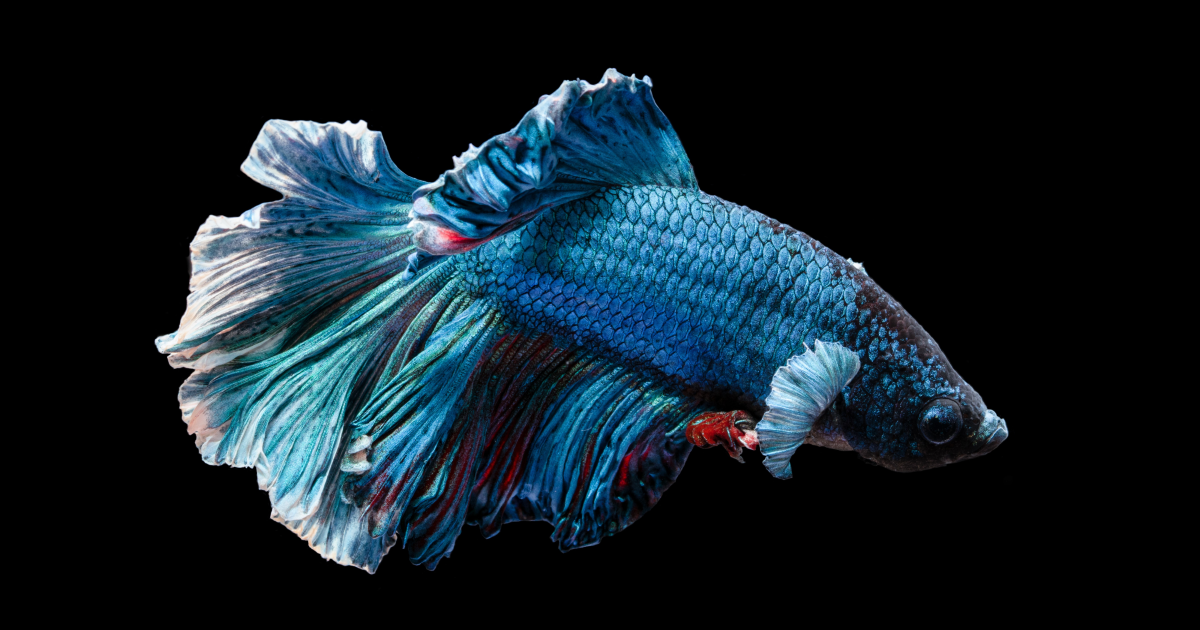
Credit: pethelpful.com
Tips For Long-term Success
Cold water acclimation helps tropical fish adjust to lower temperatures safely. It reduces stress and supports their health over time.
Following simple care steps can improve survival rates and keep your fish active and healthy in cooler water.
Consistent Water Quality Checks
Good water quality is key for cold water acclimation. Test water often to keep levels safe. Watch for ammonia, nitrite, and nitrate changes.
- Check pH levels weekly to keep them stable.
- Test ammonia and nitrite twice a week to avoid toxicity.
- Change 10-15% of water weekly to remove waste.
- Use a water conditioner to remove harmful chemicals.
Regular Temperature Monitoring
Keep the water temperature steady. Avoid sudden drops or rises that can shock fish. Use a reliable thermometer for daily checks.
| Time of Day | Recommended Check |
| Morning | Record temperature and adjust heater if needed |
| Afternoon | Verify temperature stays stable |
| Evening | Final temperature check before lights off |
Adapting To Seasonal Changes
Seasons affect water temperature and fish behavior. Prepare your tank to handle these changes smoothly.
- Use aquarium heaters or chillers as needed to keep stable temperature.
- Adjust feeding routines as fish metabolism changes with temperature.
- Increase aeration in warmer months for better oxygen levels.
- Monitor fish closely for signs of stress during transitions.

Credit: www.sciencedirect.com
Frequently Asked Questions
What Is Cold Water Acclimation For Tropical Fish?
Cold water acclimation gradually adjusts tropical fish to lower temperatures. This process reduces stress and prevents shock, ensuring fish health during temperature changes.
How Long Should Cold Water Acclimation Take?
Cold water acclimation should last 30 to 60 minutes. Slow temperature changes help tropical fish adapt safely without causing harm or stress.
Why Is Cold Water Acclimation Important For Tropical Fish?
Cold water acclimation prevents temperature shock and illness in tropical fish. It supports their immune system and promotes long-term survival in varied environments.
Can All Tropical Fish Tolerate Cold Water Acclimation?
Not all tropical fish tolerate cold acclimation well. Species vary in sensitivity, so research your fish’s needs before attempting temperature adjustments.
Conclusion
Cold water acclimation helps tropical fish adjust safely to new temperatures. It reduces stress and avoids health problems. Take time and change water slowly for best results. Watch your fish closely during the process. Small steps keep them healthy and happy.
Remember, patience is key for successful acclimation. This method supports a strong, thriving aquarium.