
Are you looking to make your ornamental fish stand out like never before? The secret lies in aquascaping—the art of designing your aquarium to highlight your fish’s vibrant colors.
When done right, aquascaping doesn’t just create a beautiful underwater scene; it makes your fish pop with stunning brilliance. Imagine your aquarium turning heads and becoming the centerpiece of any room. You’ll discover simple yet powerful aquascaping tips that will bring your fish’s colors to life and keep you hooked on the beauty of your own underwater world.
Ready to transform your tank? Let’s dive in!
Choosing Plants For Color Contrast
Color contrast makes your aquascape look lively and vibrant. It highlights your ornamental fish’s colors.
Choosing the right plants adds depth and beauty to your aquarium scene. Different colors create striking views.
Bright Green Foliage
Bright green plants create a fresh and natural look. They brighten the aquarium and highlight fish colors.
Use plants like Java Fern, Anubias, or Amazon Sword for vivid green shades. These plants thrive in many conditions.
Red And Purple Plants
Red and purple plants add bold color contrast. They stand out against green foliage and highlight fish colors.
Popular choices include Ludwigia, Rotala, and Alternanthera species. These plants need more light to keep their rich colors.
- Red plants brighten dull areas
- Purple plants add depth and richness
- Both colors attract attention to the tank
Floating Plants
Floating plants add texture and soft shadows on the water surface. They create a natural look with color contrast.
Examples are Duckweed, Frogbit, and Water Lettuce. Their green leaves float and contrast with fish colors below.
Selecting Substrate And Decorations
Choosing the right substrate and decorations is key for aquascaping. These elements affect the look and fish colors.
Good choices make your ornamental fish stand out and feel comfortable in their environment.
Dark Vs Light Substrate
Dark substrates make fish colors look brighter and richer. They create a natural and deep look in the tank.
Light substrates give a clean and fresh feeling. They can make the tank look bigger and show off bright fish.
- Dark substrate: enhances reds, blues, and greens
- Light substrate: highlights silver and yellow tones
- Choose based on fish colors and tank size
Natural Stones And Driftwood
Natural stones add texture and a realistic feel. They can create hiding spots and resting areas for fish.
Driftwood adds warmth and color contrast. It often releases tannins that soften water and help fish health.
- Use smooth stones to avoid fish injury
- Driftwood can darken water slightly
- Both provide shelter and reduce fish stress
Colorful Ornaments
Colorful ornaments add fun and personality to your tank. Bright colors can attract attention but may look artificial.
Choose ornaments that match your fish colors and tank theme. Avoid overcrowding the space with too many items.
- Pick colors that complement fish hues
- Use ornaments sparingly for balance
- Check materials to avoid water pollution
Optimizing Lighting Conditions
Lighting is vital for aquascaping and ornamental fish color. Good light helps plants grow and brings out fish colors.
Choosing the right light type and setting its strength and time can improve your aquarium’s look.
Light Spectrum For Vibrancy
Different light colors affect how fish colors appear. Blue and red light make colors look bright and clear.
- Blue light enhances blues and greens in fish and plants.
- Red light brings out reds and oranges vividly.
- Full-spectrum light covers all colors for a natural look.
Intensity And Duration
Light strength and how long it stays on affect fish health and plant growth. Too much light causes algae, too little weakens plants.
| Light Intensity | Recommended Duration |
| Low (5-10 PAR) | 8-10 hours |
| Medium (10-30 PAR) | 6-8 hours |
| High (30+ PAR) | 4-6 hours |
Led Vs Fluorescent Lights
LED and fluorescent lights differ in cost, heat, and lifespan. LED uses less energy and lasts longer.
- LED lights produce less heat, keeping water temperature stable.
- Fluorescent lights are cheaper but use more power.
- LEDs offer adjustable colors to suit different aquascapes.
- Fluorescent bulbs need frequent replacement compared to LEDs.

Credit: tanninaquatics.com
Balancing Tank Layout
Aquascaping is key for ornamental fish color. A balanced tank layout helps fish show their best colors.
Proper tank design supports fish health and makes your aquarium look natural and beautiful.
Creating Depth And Layers
Use plants, rocks, and wood to create different levels in the tank. Layers give a natural look and make the tank feel bigger.
Place tall plants in the back and short ones in front. This setup adds depth and shows off colorful fish well.
- Background: tall plants and large decorations
- Middle: medium-sized plants and rocks
- Foreground: low plants and open space
Open Swimming Areas
Fish need clear spaces to swim freely. Open areas help fish stay active and show their colors better.
Keep some parts of the tank free from decorations and plants. This space creates a natural playground for your fish.
- Leave space in the center or front of the tank
- Avoid overcrowding with too many decorations
- Open areas reduce stress and improve fish health
Hiding Spots And Shelter
Fish need places to hide and feel safe. Hiding spots lower stress and help fish rest.
Use caves, plants, and decorations to create shelters. This balance keeps fish happy and colorful.
- Use dense plants and leaf litter for cover
- Add small caves or tunnels with rocks
- Place shelters near open swimming areas
Water Quality And Its Impact
Water quality is crucial for the vibrant colors of ornamental fish. Proper water conditions help fish thrive and display their best hues.
Understanding water parameters ensures a healthy environment for aquascaping. It impacts fish health and visual appeal.
Maintaining Clarity
Clear water is vital for a beautiful aquascape. It allows light to penetrate and showcases fish colors effectively.
- Regularly clean the tank glass
- Use a quality filter for debris removal
- Perform partial water changes weekly
Ph And Hardness Effects
pH and hardness play a role in fish health and color. They should match the natural habitat of the fish species.
| Fish Species | Ideal pH | Water Hardness |
| Betta | 6.5 – 7.5 | Soft |
| Guppy | 7.0 – 8.0 | Moderate |
| Discus | 6.0 – 6.5 | Very Soft |
Temperature Control
Maintaining the right temperature is essential. Fish are sensitive to temperature changes, which can affect their color.
Use a reliable aquarium heater to maintain stable temperatures. Sudden changes can stress fish and dull their colors.

Credit: www.reddit.com
Fish Species That Benefit Most
Aquascaping can enhance the colors and well-being of ornamental fish. It creates a natural environment that helps fish feel safe and thrive.
Different fish species respond to aquascapes in unique ways. Knowing which fish benefit most can help you design the best tank.
Bright Colored Fish
Bright colored fish show their best hues in tanks with good aquascaping. Plants and decorations give contrast that makes colors pop.
- Betta fish display vivid reds and blues among green plants.
- Discus fish’s bright patterns stand out near smooth rocks.
- Neon tetras shine with their blue and red stripes near shaded plants.
- Gouramis show off iridescent colors better in planted tanks.
Shy Vs Active Fish
Shy fish need hiding spots to feel safe. Active fish need open spaces to swim freely. A good aquascape balances these needs.
| Fish Type | Needs | Example Species |
| Shy Fish | Lots of plants and caves | Corydoras, Otocinclus |
| Active Fish | Open swimming areas | Rainbowfish, Danios |
Compatibility With Plants
Some fish prefer certain plants. Some nibble leaves, others hide in tall plants. Pick plants that suit your fish species.
Here are common plant choices and their fish compatibility:
- Java Fern:Good for most community fish; tough and unpalatable.
- Anubias:Slow-growing; safe for herbivorous fish.
- Amazon Sword:Provides cover for shy fish; some fish may eat old leaves.
- Hornwort:Fast-growing; good for active fish needing hiding spots.
Regular Maintenance Tips
Maintaining an aquascape helps keep ornamental fish healthy and colorful. Regular care improves water quality and plant growth.
Small, consistent efforts prevent big problems. Focus on pruning plants, cleaning the tank, and changing water often.
Plant Pruning
Trim plants to stop overgrowth and let light reach all areas. Remove dead or yellow leaves to avoid decay.
Prune regularly to keep the aquascape neat and balanced. Use sharp scissors to cut plants cleanly.
- Cut fast-growing stems to control size
- Remove old leaves to improve tank appearance
- Thin thick areas to increase water flow
- Replant healthy cuttings to fill empty spots
Cleaning Techniques
Clean the tank surfaces to remove algae and dirt. Use a soft sponge or algae scraper to avoid damage.
Clean decorations and substrate gently. Avoid strong chemicals that can harm fish and plants.
- Remove algae from glass with a scraper
- Vacuum the substrate to remove waste
- Rinse decorations in tank water, not tap water
- Clean filter parts monthly without soap
Water Changes
Change water regularly to keep it fresh and clear. This helps remove toxins and keeps fish healthy.
Replace about 20-30% of the water every week. Use a water conditioner to remove chlorine from tap water.
- Siphon water from the substrate during changes
- Match new water temperature to the tank
- Use a water conditioner for safe water
- Test water quality often to track changes
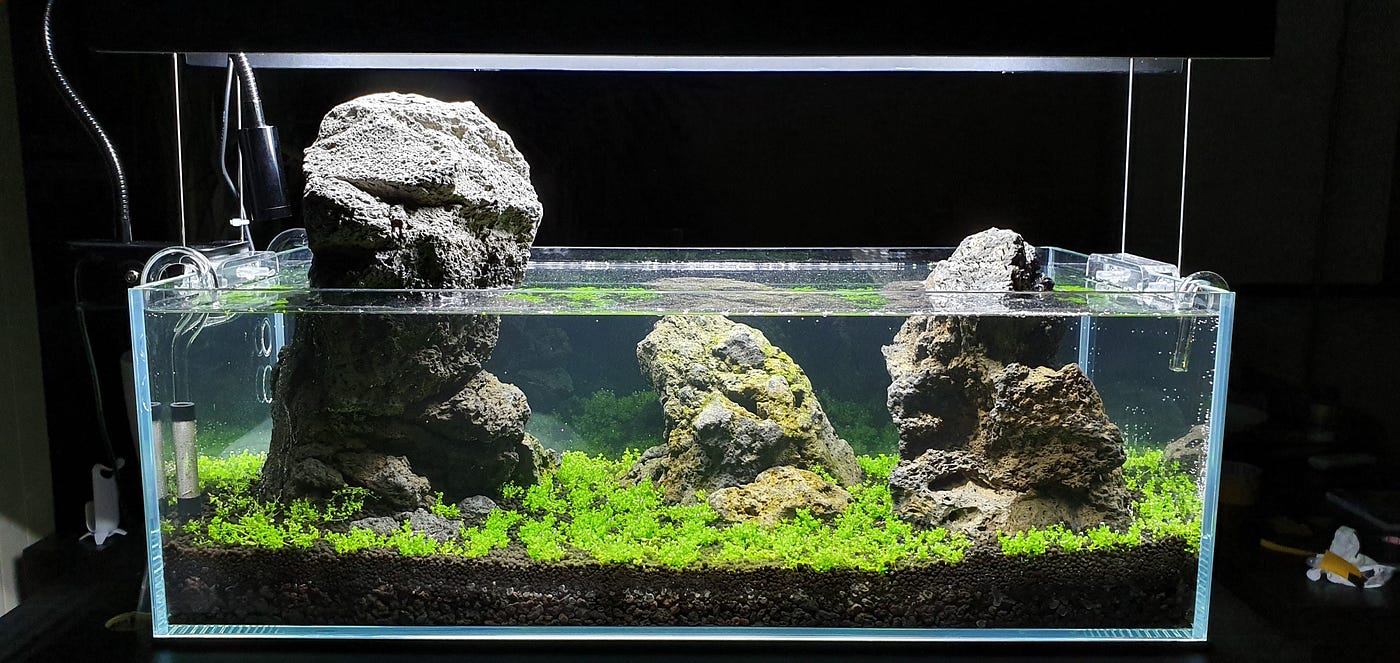
Credit: medium.com
Frequently Asked Questions
How Does Aquascaping Enhance Ornamental Fish Color?
Aquascaping creates a natural environment that highlights fish colors. Plants and decorations provide contrast, making fish appear more vibrant. Proper lighting in aquascapes also boosts color visibility. This combination improves fish health and display, enhancing their natural beauty effectively.
What Plants Best Complement Colorful Ornamental Fish?
Plants like Java Fern, Anubias, and Cryptocoryne enhance fish colors well. Their green and dark leaves contrast beautifully with bright fish. These plants are low-maintenance and thrive in various water conditions. Choosing the right plants ensures a balanced and appealing aquarium.
Can Aquascaping Affect Fish Behavior Or Health?
Yes, aquascaping offers hiding spots and reduces stress for fish. It promotes natural behaviors, improving fish well-being. Healthy environments enhance fish color vibrancy and lifespan. Proper aquascaping supports both aesthetic and biological needs of ornamental fish.
What Lighting Suits Aquascaping For Vibrant Fish Colors?
Full-spectrum LED lights are ideal for aquascaping and fish color. They mimic natural sunlight and enhance plant growth. Proper lighting intensity and duration boost fish pigmentation. Using adjustable lights helps create the perfect aquarium ambiance.
Conclusion
Aquascaping brings out the best colors in your ornamental fish. Bright plants and clean water help fish look healthy and vibrant. Simple layouts let fish shine without distraction. Choosing the right decorations creates a natural feel for your tank. Keep the environment balanced to support your fish’s colors.
Small changes can make a big difference in appearance. Enjoy the beauty of your tank every day. Aquascaping is a fun way to connect with nature at home.