
If you own an aquarium, you know how important it is to have the right stand. But not just any stand will do—your aquarium stand needs to protect against water damage.
Imagine spills, leaks, or condensation ruining your furniture or floor. That’s where an aquarium stand with a water-resistant surface comes in. It keeps your space safe and your aquarium stable. You’ll discover why this feature matters and how to choose the perfect stand for your fish tank.
Keep reading to make sure your aquatic setup stays beautiful and secure for years to come.

Credit: www.amazon.ca
Benefits Of Water-resistant Surfaces
Aquarium stands often face water spills and humidity. Water-resistant surfaces help protect them. These surfaces keep your stand safe from water damage.
Choosing a water-resistant surface makes cleaning easier. It also extends the life of your aquarium stand.
Protection Against Moisture Damage
Water-resistant surfaces stop water from soaking into the stand. This prevents warping and swelling. It also keeps the stand strong and stable.
These surfaces block moisture that causes mold and mildew. This keeps your aquarium area healthy and clean.
Ease Of Cleaning And Maintenance
Water-resistant surfaces allow you to wipe spills quickly. Dirt and stains do not stick easily. This saves time and effort in cleaning.
- Use a damp cloth to clean the surface
- Avoid harsh scrubbing that can damage the finish
- Regular wiping keeps the surface looking new
Longevity And Durability
Water-resistant surfaces last longer than non-treated ones. They resist cracks and peeling. This makes your aquarium stand a good investment.
| Feature | Water-Resistant Surface | Non-Resistant Surface |
| Moisture Protection | High | Low |
| Cleaning Ease | Easy | Hard |
| Durability | Long-lasting | Shorter life |
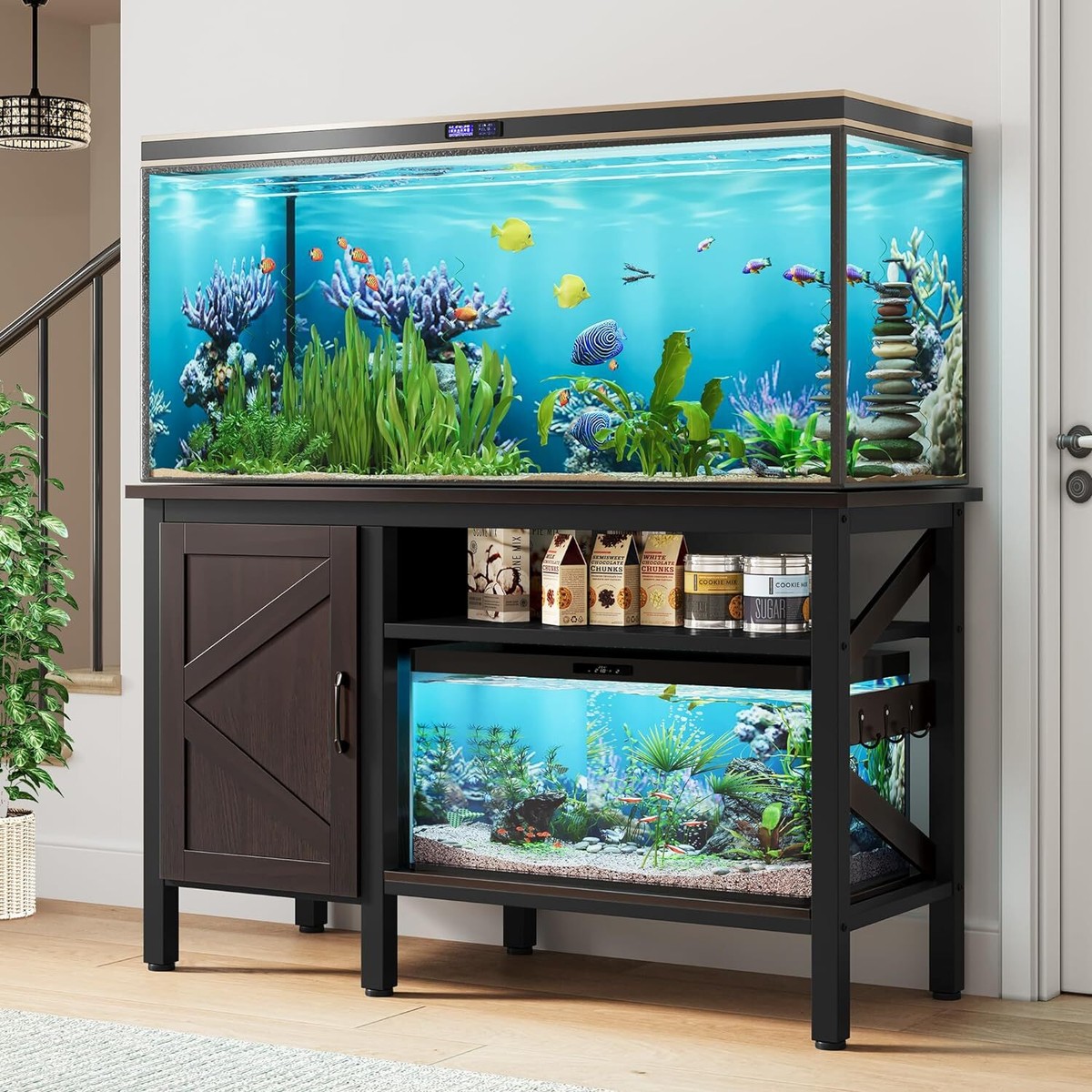
Credit: www.ebay.ca
Popular Materials For Aquarium Stands
Choosing the right material for an aquarium stand is important. The stand must support the tank’s weight and resist water damage. Some materials work better for wet environments than others.
This guide covers four popular materials used for aquarium stands with water-resistant surfaces. Each offers unique benefits and durability.
Marine-grade Plywood
Marine-grade plywood is made from strong wood layers glued with waterproof adhesive. It resists warping and rotting when exposed to moisture. This wood is ideal for aquarium stands near water.
Powder-coated Metal
Powder-coated metal stands have a durable finish that resists rust and corrosion. The coating also prevents water damage and gives a smooth surface. Metal stands offer strong support and a modern look.
Laminated Mdf
Laminated MDF is made from wood fibers and resin, then covered with a plastic laminate. The laminate protects against spills and splashes. Laminated MDF is affordable and comes in many colors.
- Cost-effective material
- Easy to clean surface
- Not as strong as plywood or metal
- Best for smaller tanks
Waterproof Composite Panels
Waterproof composite panels combine wood fibers with plastic resins. They resist water, mold, and mildew well. These panels are lightweight but strong, making them a good choice for aquarium stands.
| Material | Water Resistance | Strength | Cost |
| Marine-Grade Plywood | High | High | Medium |
| Powder-Coated Metal | High | Very High | High |
| Laminated MDF | Medium | Medium | Low |
| Waterproof Composite Panels | Very High | High | Medium |
Design Styles For Aquarium Stands
A good aquarium stand supports your tank and looks great in your room. There are many design styles to choose from.
Each style fits different rooms and personal tastes. Choose one that matches your home and fish tank.
Modern Minimalist
Modern minimalist stands have clean lines and simple shapes. They focus on function and look neat with no extra details.
These stands often use light colors or black and white. They fit well in small spaces and modern homes.
- Smooth surfaces with water-resistant finishes
- Simple geometric shapes
- Neutral color palettes
- Less decoration for a tidy look
Rustic And Natural
Rustic stands use wood and natural materials. They bring a warm and cozy feeling to the room.
These stands show wood grain and may have a rough texture. They fit well in country or cabin-style homes.
- Wood with a water-resistant sealant
- Natural colors like brown and green
- Simple, handmade look
- May include stone or metal accents
Industrial Chic
Industrial chic stands mix metal and wood for a modern look. They often have a sturdy, strong feel.
These stands use dark metals and reclaimed wood. They work well in lofts or urban-style rooms.
- Metal frames with water-resistant coating
- Reclaimed or distressed wood tops
- Simple but strong design
- Exposed hardware for style
Custom Built Options
Custom stands are made to fit your tank and style perfectly. You can choose materials and colors you like.
These stands often have special features like storage or hidden compartments. They are built to last with water-resistant surfaces.
- Choose wood, metal, or mixed materials
- Pick colors and finishes that match your room
- Add storage shelves or cabinets
- Design for exact tank size and weight
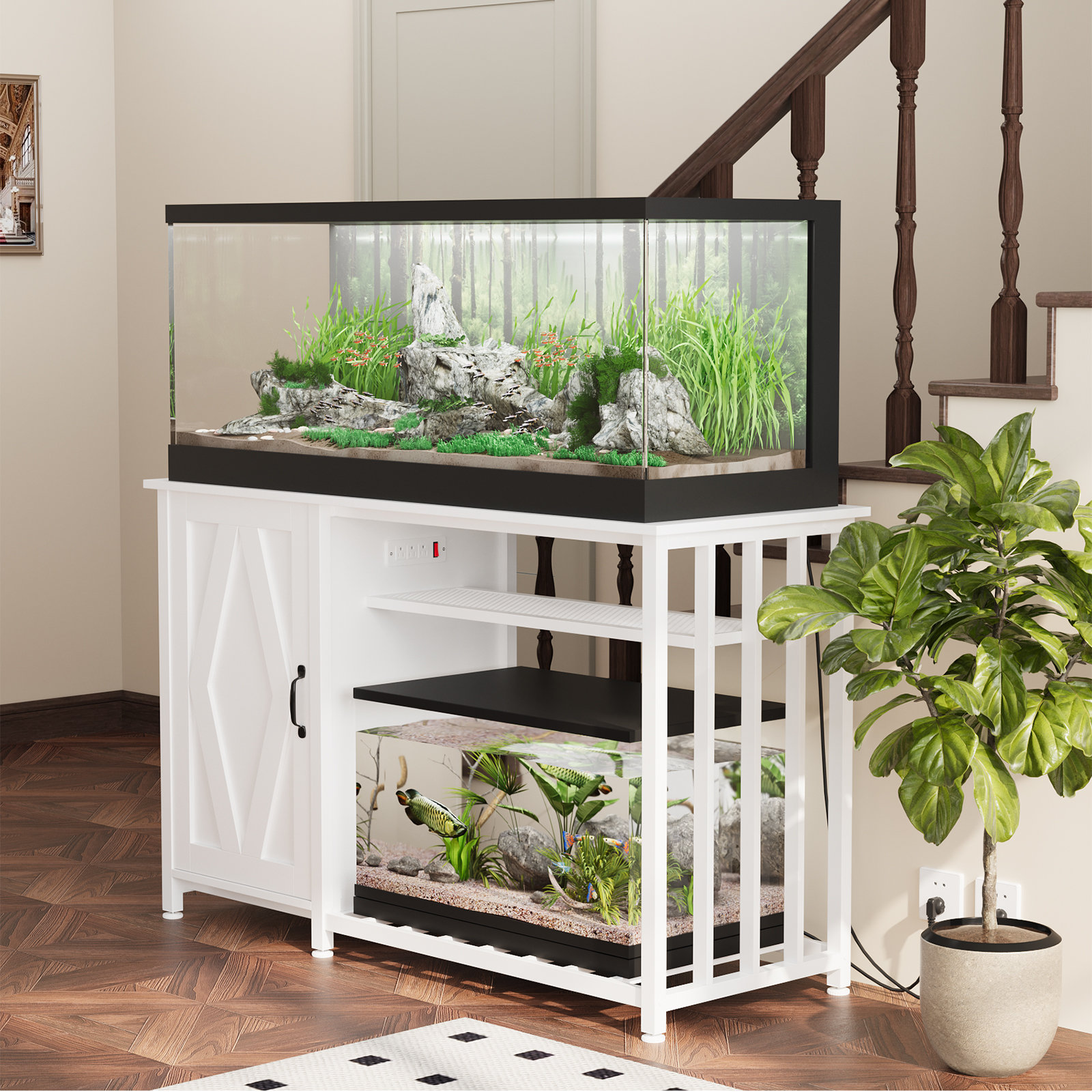
Credit: www.wayfair.ca
Size And Weight Considerations
Choosing the right aquarium stand is important for safety and appearance. The stand must fit your aquarium’s size and hold its weight well. It also needs to save space in your room.
This guide covers key points about matching stands, weight support, and space use. These help you pick the best stand for your aquarium.
Matching Stand To Aquarium Dimensions
The stand should match the aquarium’s length and width. It must support the tank fully to avoid damage or leaks. A stand too small can cause stress on the aquarium glass.
- Measure your aquarium’s base carefully.
- Choose a stand with equal or slightly larger surface area.
- Consider the height of the stand for viewing comfort.
Weight Support And Stability
Aquariums with water, gravel, and decorations are very heavy. The stand must hold this weight without bending or breaking. Stability is key to keep your aquarium safe.
| Weight Factor | Consideration |
| Empty Aquarium | Check manufacturer’s weight. |
| Filled with Water | Calculate weight of water (1 gallon = 8.34 lbs). |
| Gravel and Decorations | Add estimated weight of gravel and items. |
| Stand Load Capacity | Choose a stand rated above total weight. |
Space Optimization
Use your space well by picking a stand that fits the room. A stand with storage can hold supplies and tools. This keeps your area neat and organized.
Consider these tips for space:
- Measure floor space before choosing a stand.
- Look for stands with shelves or cabinets.
- Keep enough clearance around the tank for maintenance.
Additional Features To Enhance Functionality
An aquarium stand with a water-resistant surface offers more than just durability. Adding functional features can improve your aquarium setup and maintenance.
Features such as storage, cable management, and good ventilation help keep your aquarium area organized and safe.
Storage Cabinets And Shelves
Storage cabinets and shelves provide space for aquarium supplies like food, cleaning tools, and decorations. They keep items within reach and reduce clutter.
- Closed cabinets to hide supplies and protect from moisture
- Open shelves for easy access to frequently used items
- Adjustable shelves to fit different container sizes
- Durable materials that resist water damage
Cable Management Solutions
Cables from filters, heaters, and lights can look messy and cause hazards. Good cable management keeps cables organized and safe.
Here are common cable management options for aquarium stands:
- Built-in cable channels to hide wires
- Hooks or clips to secure cables along edges
- Removable panels for easy access to cables
- Velcro straps to bundle excess cable length
Ventilation And Accessibility
Proper ventilation prevents heat build-up and moisture damage inside the stand. Accessibility helps with maintenance and equipment checks.
| Feature | Benefit |
| Ventilation slots or grills | Allow airflow to cool equipment |
| Removable or hinged doors | Easy access for cleaning and repairs |
| Raised base or legs | Protect from floor moisture and improve air circulation |
Diy Vs. Ready-made Stands
Aquarium stands are important for your tank. You can build one yourself or buy a ready-made stand. Each option has its pros and cons.
Consider the features and benefits of both DIY and ready-made stands before making a choice. Think about your budget, skills, and time available.
Advantages Of Building Your Own
Building your own aquarium stand lets you customize the size and look. You can match your room’s style and fit your tank perfectly.
DIY projects offer a sense of achievement. You learn new skills and use materials you trust. Choose water-resistant surfaces to protect against spills.
- Custom dimensions
- Personalized design
- Hands-on learning experience
Benefits Of Purchasing Pre-made
Pre-made stands save time and effort. They come ready to use, with water-resistant surfaces included. You can find them in various designs and sizes.
These stands are built by professionals. They ensure safety and durability for your aquarium. Choose a stand that fits your tank size and style.
- Quick setup
- Professional quality
- Variety of styles
Cost And Time Factors
DIY stands can be cheaper but need more time. You buy materials and tools, which can add up. Building takes patience and effort.
Pre-made stands may cost more upfront. They save you time, as they are ready for use. Consider if you want to invest time or money.
| Factor | DIY Stand | Pre-Made Stand |
| Cost | Lower, but variable | Higher |
| Time | High | Low |
Maintenance Tips For Water-resistant Stands
Aquarium stands with water-resistant surfaces need proper care. Good maintenance helps them last longer and look nice.
Following simple tips keeps your stand safe from water damage and keeps its surface clean and smooth.
Regular Cleaning Techniques
Clean your water-resistant stand often to stop dirt and water stains from building up. Use soft cloths and mild cleaners.
Avoid harsh chemicals or abrasive tools that can harm the surface. Wipe spills quickly to keep the stand dry.
- Use a damp, soft cloth for cleaning
- Apply mild soap if needed
- Dry the surface immediately after cleaning
- Avoid scrubbing with rough materials
Preventing Water Damage
Even water-resistant surfaces can get damaged if water stays too long. Avoid standing water on the stand.
Use coasters or mats under aquarium accessories to protect the surface from water and moisture.
- Wipe up water spills immediately
- Use protective mats under plants and decorations
- Check seals around the aquarium to stop leaks
- Keep the stand in a dry, ventilated area
Repairing Minor Surface Issues
Small scratches or marks can happen over time. Fix them quickly to stop bigger damage.
Use touch-up pens or wax sticks made for water-resistant surfaces. Clean the area before applying repairs.
- Clean damaged area gently
- Apply repair product according to instructions
- Buff the surface lightly after repair
- Repeat if needed for deeper scratches
Frequently Asked Questions
What Makes An Aquarium Stand Water-resistant?
A water-resistant aquarium stand uses sealed surfaces or special coatings. These prevent water damage and warping. Materials like laminate, sealed wood, or metal help maintain durability. This ensures the stand lasts longer despite moisture exposure.
Why Choose A Water-resistant Surface For Aquarium Stands?
Water-resistant surfaces protect against spills and humidity. They prevent swelling, cracking, and mold growth. This maintains the stand’s appearance and structural integrity. It also reduces maintenance, saving time and money in the long run.
Can Water-resistant Stands Support Heavy Aquarium Tanks?
Yes, many water-resistant stands are designed to hold heavy tanks. They use strong materials like reinforced wood or metal frames. Proper construction ensures stability and safety for large or fully stocked aquariums.
How To Maintain A Water-resistant Aquarium Stand?
Clean spills immediately with a soft cloth. Avoid harsh chemicals that may damage the finish. Regularly check for scratches or damage to maintain water resistance. Proper care extends the stand’s lifespan and appearance.
Conclusion
Choosing an aquarium stand with a water-resistant surface protects your investment. It keeps the stand safe from spills and humidity. This feature helps the stand last longer. Easy cleaning makes maintenance simple and quick. A sturdy, water-resistant stand supports your tank securely.
It also adds style to your room. Select a stand that fits your space and needs. Enjoy a worry-free setup with a reliable aquarium stand. Your fish and plants will thrive on a strong, safe base.