
Are you looking to make your coral thrive like never before? Understanding how LED lighting impacts coral photosynthesis can be the game-changer for your reef aquarium.
The right light can boost your coral’s health, color, and growth, while the wrong one can leave them struggling. You’ll discover how LED lights work with coral biology to create the perfect environment. Keep reading to unlock simple tips that can transform your coral care routine and bring your underwater world to life.

Credit: www.amazon.com
Role Of Light In Coral Photosynthesis
Light is very important for coral health. Corals use light to make food through photosynthesis.
Special algae live inside corals. These algae absorb light and create energy for the coral.
Light Spectrum And Coral Health
Corals need certain colors of light to grow well. Blue and red light help algae make energy.
Too much or wrong color light can harm coral. Good light helps coral stay healthy and strong.
- Blue light penetrates deep water
- Red light supports photosynthesis
- Green light is less useful for corals
- Balanced light spectrum improves coral color
Photosynthetic Efficiency Factors
Many things affect how well corals do photosynthesis. Light intensity and duration are key factors.
Water quality and temperature also change photosynthesis rates. Healthy conditions help corals grow.
- Light intensity must not be too strong or weak
- Light time should match natural day length
- Clean water allows better light penetration
- Stable temperature supports algae health

Credit: www.amazon.ca
Benefits Of Led Lighting For Corals
LED lighting helps corals grow by providing the right light for photosynthesis. It supports healthy coral reefs in aquariums and natural environments.
Using LED lights is better than traditional bulbs. They save energy, last longer, and can be adjusted to fit coral needs.
Energy Efficiency And Cost Savings
LED lights use much less electricity than older lighting types. This reduces energy bills for aquarium owners.
Because they consume less power, LED lights are good for the environment. They also produce less heat, which lowers cooling costs.
Customizable Light Spectrums
LEDs can change colors and light intensity to match what corals need. This helps corals get the right light for photosynthesis.
Adjusting the light spectrum helps corals grow stronger and stay healthy. It also enhances the colors of the corals.
Longevity And Durability
LED lights last much longer than traditional bulbs. This means fewer replacements and less waste.
They are also strong and resistant to damage. This makes them reliable for use in wet and humid aquarium environments.
Optimizing Led Settings For Growth
LED lighting plays a key role in coral photosynthesis. Proper settings help corals grow strong and healthy.
Adjusting the light intensity, timing, and color spectrum can improve coral energy and color.
Ideal Light Intensity Levels
Corals need the right amount of light to photosynthesize well. Too much or too little light slows growth.
- Low light corals thrive under 50 to 150 PAR (Photosynthetically Active Radiation).
- Medium light corals prefer 150 to 250 PAR for balanced growth.
- High light corals need 250 to 400 PAR for optimal photosynthesis.
Photoperiod And Light Cycles
Light duration affects coral health and behavior. A steady cycle mimics natural conditions.
| Light Phase | Duration (hours) | Purpose |
| Daylight | 8-12 | Supports photosynthesis and growth |
| Dusk/Dawn | 1-2 | Helps corals adjust to light changes |
| Night | 10-12 | Allows coral rest and recovery |
Balancing Blue And White Light
Blue light supports photosynthesis and coral fluorescence. White light helps overall growth.
- Use 60-70% blue LEDs to encourage energy production.
- Use 30-40% white LEDs to provide full spectrum light.
- Adjust balance based on coral species and tank depth.
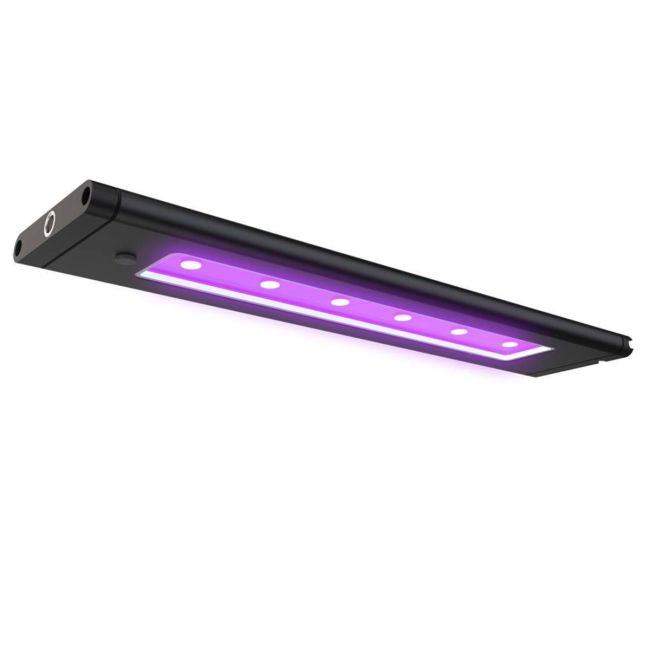
Credit: www.aquariumspecialty.com
Enhancing Coral Color With Leds
LED lighting plays a key role in coral health and color. Different light types affect coral photosynthesis and pigment display.
Using the right LED settings helps bring out vibrant coral colors. This guide explains how light affects coral pigmentation.
Impact Of Light Wavelengths On Pigmentation
Corals respond differently to various wavelengths of light. Blue and violet light promote strong pigmentation and growth.
Red and green wavelengths have less influence on coral color but support photosynthesis. Finding the right mix is important.
- Blue light (400-500 nm) enhances coral fluorescence.
- Violet light (380-420 nm) boosts pigment production.
- Red light (620-750 nm) supports energy but adds less color.
- Green light (500-570 nm) helps photosynthesis mildly.
Adjusting Spectrum For Vibrancy
To increase coral vibrancy, adjust the LED spectrum carefully. A balance of blue and violet light works best.
Changing light intensity and timing also affects color expression. Lower intensity with longer blue light periods helps.
| Light Wavelength | Effect on Coral | Recommended Intensity |
| 400-450 nm (Violet) | Boosts pigmentation | Medium |
| 450-500 nm (Blue) | Enhances fluorescence | High |
| 500-570 nm (Green) | Supports photosynthesis | Low |
| 620-750 nm (Red) | Energy support | Low |
Common Color-boosting Led Techniques
Many reef keepers use special LED settings to improve coral colors. These techniques focus on light spectrum and timing.
- Using actinic blue LEDs to highlight coral fluorescence.
- Running a mix of violet and blue lights during the day.
- Lowering white light to reduce bleaching risks.
- Applying moonlight LEDs at night to keep natural cycles.
- Adjusting photoperiods to match coral needs.
Challenges And Considerations
Using LED lighting for coral photosynthesis brings both benefits and challenges. Proper lighting is crucial for coral health. Understanding the needs of different coral species is important.
LED lighting must be carefully managed. Too much or too little light can harm corals. Adjustments may be needed over time to maintain balance.
Avoiding Light Stress And Bleaching
Corals can suffer from light stress if exposed to too much light. This can lead to bleaching. It’s important to find the right balance of light intensity.
Gradually increase light exposure to help corals adapt. Monitor their response to changes in lighting.
- Start with lower light levels
- Increase light gradually over weeks
- Watch for signs of stress or bleaching
Compatibility With Different Coral Species
Different coral species have varying light requirements. Some need more intense light, while others thrive in lower levels. It’s important to know the specific needs of each species you have.
Research the optimal light conditions for your coral types. Match your LED lighting setup to these needs for best results.
| Coral Species | Light Intensity |
| Acropora | High |
| Montipora | Moderate |
| Mushroom Corals | Low |
Monitoring And Adjusting Over Time
Regular monitoring of your coral health is important. Observe their growth and color to ensure they are thriving under your LED lighting.
Adjust lighting as needed. Seasonal changes might require adjustments to maintain optimal conditions for your corals.
- Check coral health weekly
- Adjust light settings based on observation
- Be ready to make seasonal changes
Case Studies And Success Stories
LED lighting plays an important role in coral photosynthesis. It supports coral growth and health by providing proper light. Many projects show how LED lights help corals thrive.
This section shares real examples where LED lighting improved coral photosynthesis in aquariums and reef restoration projects.
Aquarium Implementations
Many aquariums use LED lights to mimic natural sunlight. This helps corals grow strong and keep their colors bright. LED lights can be adjusted for different coral species.
One aquarium reported faster coral growth after switching to LED lighting. They saw better photosynthesis rates and healthier coral polyps.
- Custom light settings for different coral needs
- Improved coral color and health
- Lower energy use compared to other lights
- Longer coral lifespan in tanks
Reef Restoration Projects
Restoration projects use LED lights to help damaged reefs heal. LED lighting boosts coral photosynthesis in nurseries before corals return to the ocean.
In one project, LED lighting helped coral fragments grow 30% faster. This made reef restoration faster and more effective.
- LEDs provide stable light for coral nurseries
- Help corals build strong skeletons
- Increase coral survival rates after planting
- Reduce power costs for restoration teams
Frequently Asked Questions
What Is The Role Of Led Lighting In Coral Photosynthesis?
LED lighting provides specific light wavelengths that enhance coral photosynthesis. It mimics natural sunlight, promoting algae growth inside corals. This process helps corals produce energy and thrive in aquariums and reefs.
How Does Led Light Intensity Affect Coral Growth?
Light intensity directly impacts coral photosynthesis and growth. Higher intensity boosts energy production but can cause stress if too strong. Proper LED settings balance intensity to support healthy coral development.
Which Led Colors Are Best For Coral Photosynthesis?
Blue and white LED lights are ideal for coral photosynthesis. Blue light penetrates water deeply and stimulates algae photosynthesis. White light complements it by providing a full spectrum similar to sunlight.
Can Led Lighting Improve Coral Health In Aquariums?
Yes, LED lighting supports coral health by enhancing photosynthesis and energy production. It also reduces heat compared to traditional lights, lowering stress on corals. Proper LED setups promote vibrant, healthy coral growth.
Conclusion
LED lighting helps corals grow by supporting photosynthesis. It provides the right light spectrum corals need. Using LED lights saves energy and lasts longer than other lights. Healthy corals mean a stronger reef and better ocean life. Choose LED lighting to keep your corals bright and healthy.
Small changes can make a big difference in coral care. Bright light, good care, happy corals. Simple and smart for underwater life.