
If you’re serious about breeding fish, you know how important a clean and healthy tank is. But how do you keep your breeding tank’s water pristine without stressing out the delicate fry?
The right aquarium filter can make all the difference. It not only keeps the water clear but also creates a safe environment for your baby fish to grow strong. You’ll discover exactly what to look for in an aquarium filter for breeding tanks and how to choose one that protects your precious fish from harm.
Keep reading, because the future of your breeding success depends on it.
Credit: www.amazon.com
Choosing The Right Filter
Keeping fish healthy in breeding tanks needs clean water. The right filter helps keep water clear and safe.
Filters remove waste, control water flow, and keep eggs and fry safe. Choose a filter that suits your tank size and fish needs.
Types Of Aquarium Filters
There are several filter types. Each works in a different way to clean water.
- Hang-on-back filters:Easy to install and maintain, good for small tanks.
- Canister filters:Powerful and quiet, best for larger tanks.
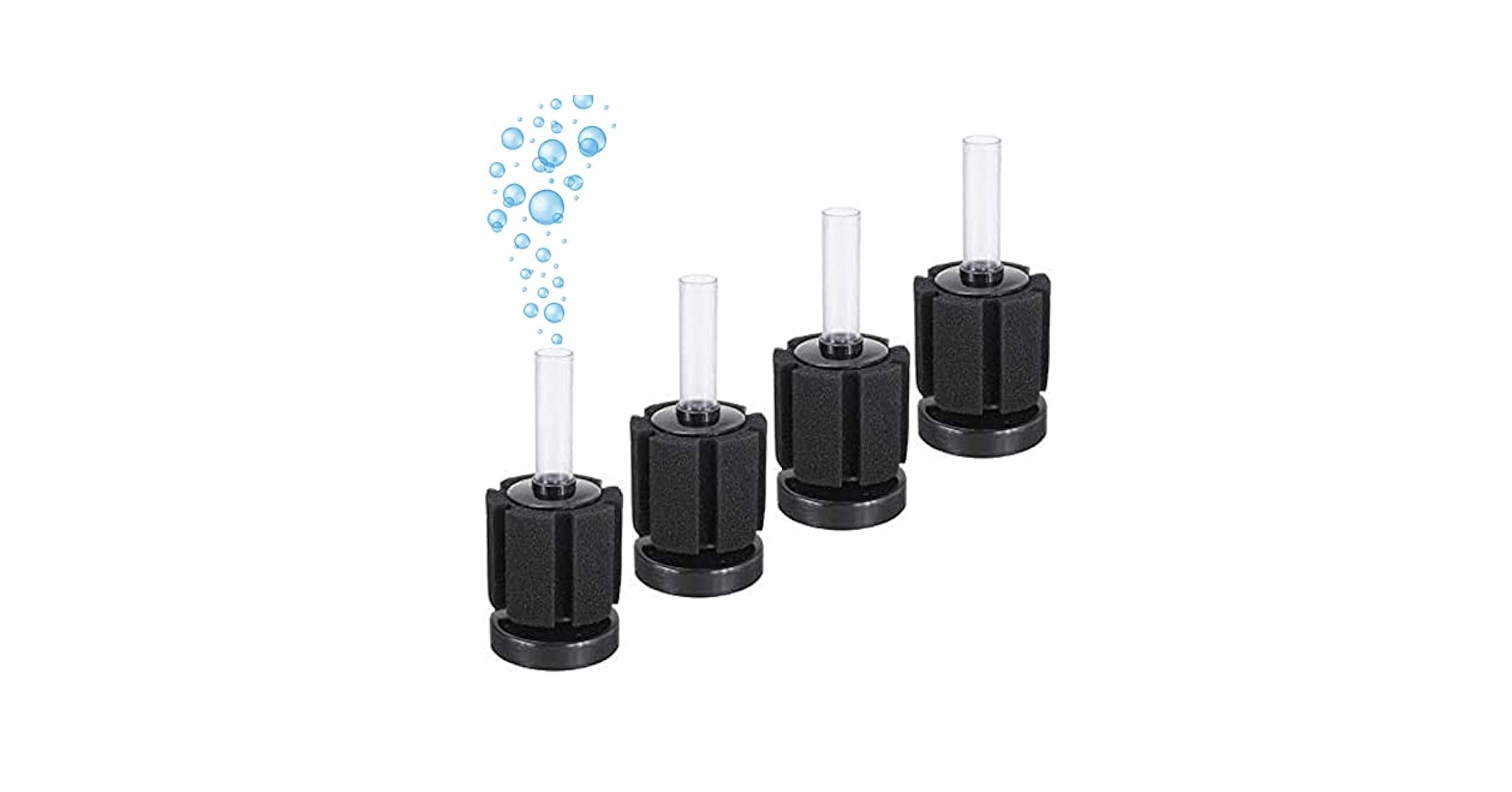
- Sponge filters:Gentle flow, ideal for breeding tanks with delicate fry.
- Internal filters:Placed inside the tank, useful for small spaces.
Filter Size And Capacity
Choose a filter size that matches your tank volume. A filter too small won’t clean well.
| Tank Size (Gallons) | Recommended Filter Flow Rate (GPH) |
| 10 or less | 50 – 100 |
| 11 – 30 | 100 – 200 |
| 31 – 50 | 200 – 300 |
| Over 50 | 300+ |
Filter Media Options
Filter media remove different types of waste. Use a mix for best results.
- Mechanical media:Removes particles and debris.
- Biological media:Supports good bacteria that break down waste.
- Chemical media:Removes odors and toxins from water.
Maintaining Water Quality
Clean water is key to healthy breeding tanks. Good water quality keeps fish safe and supports egg development.
Using the right aquarium filter helps keep water clear and free of harmful substances. It also helps maintain stable conditions for breeding success.
Importance Of Clean Water
Clean water removes waste, toxins, and excess food. It prevents diseases and keeps fish stress-free. Fresh water helps eggs and fry grow strong.
- Removes harmful chemicals and waste
- Prevents algae and bacteria growth
- Reduces fish stress and illness
- Promotes healthy egg and fry development
Regular Filter Cleaning
Filters collect debris and need cleaning often. A dirty filter cannot clean water well. Regular cleaning keeps the filter working at its best.
| Cleaning Task | Frequency |
| Rinse filter media | Every 2 weeks |
| Check filter motor | Monthly |
| Replace filter parts | Every 6 months |
Monitoring Water Parameters
Check water parameters to keep fish safe. Test for ammonia, nitrite, nitrate, and pH levels. Use a test kit to track changes.
- Ammonia: 0 ppm
- Nitrite: 0 ppm
- Nitrate: Below 20 ppm
- pH: 6.5 to 7.5
Ensuring Gentle Water Flow
Aquarium filters help keep water clean and safe for fish. In breeding tanks, gentle water flow is very important.
Strong water currents can harm baby fish, called fry. Adjusting the filter to create soft water movement helps fry grow well.
Effects Of Strong Currents On Fry
Strong water currents can stress fry and make them tired. They may have trouble swimming or hiding from danger.
Fast currents can push fry into tank walls or filter outlets. This can cause injuries or death.
- Stress reduces fry growth and health
- Increased risk of injury from collisions
- Difficulty finding food and shelter
Adjusting Flow Rate
Many aquarium filters allow you to change the flow rate. Lowering the flow helps create a calm environment for fry.
Check the filter settings and reduce the speed if the water moves too fast. This keeps fry safe and comfortable.
- Turn down flow speed on adjustable filters
- Use smaller filter pumps for breeding tanks
- Test water movement with your hand before adding fry
Using Flow Diffusers
Flow diffusers spread out water flow to reduce strong currents. They help create gentle water movement in breeding tanks.
Diffusers can be made from sponge, plastic, or mesh. Attach them to the filter outlet to soften the water flow.
- Sponge diffusers absorb and slow water flow
- Plastic guards redirect water sideways
- Mesh covers break up strong jets of water
Credit: www.walmart.com
Preventing Fry Suction
Breeding tanks need special care to protect tiny fry. Filters can suck in the small fish and harm them.
This guide shows ways to stop fry suction using filters safely and effectively.
Filter Intake Guards
Intake guards cover the filter opening to keep fry from being drawn in. They come in many forms like sponge covers or mesh screens.
- Sponge guards allow water flow but block fry.
- Fine mesh screens prevent small fry from entering the filter.
- Plastic guards with small holes keep fry safe and are easy to clean.
Safe Filter Placement
Placing the filter intake correctly lowers the risk of sucking in fry. Positioning it away from where fry swim helps protect them.
| Placement | Benefit |
| Near tank wall | Less fry traffic near intake |
| Covered by plants | Natural barrier for fry |
| Above water surface | Reduces direct suction on fry |
Alternative Filtration Methods
Some filtration types are safer for breeding tanks. They reduce or remove the risk of fry suction.
- Undergravel filters create gentle flow without direct suction.
- Air-driven sponge filters provide oxygen and filtration safely.
- External canister filters with intake guards keep fry safe.
Optimizing Filter Setup For Breeding
Setting up the right filter is key for breeding tanks. A good filter maintains water quality and supports fish health. This guide will help you optimize your filter setup.
Learn how to combine mechanical and biological filtration, incorporate sponge filters, and maintain beneficial bacteria. These steps ensure a healthy breeding environment.
Combining Mechanical And Biological Filtration
Mechanical filtration removes debris, while biological filtration breaks down waste. Both are essential for a clean and balanced tank.
- Use a filter with both mechanical and biological media.
- Ensure the filter is the right size for your tank.
- Regularly check and clean the filter media.
Incorporating Sponge Filters
Sponge filters are gentle and effective for breeding tanks. They provide surface area for beneficial bacteria and are safe for fry.
A sponge filter works by drawing water through a porous sponge. The sponge traps particles and provides a home for bacteria.
Maintaining Beneficial Bacteria
Bacteria in your tank help convert waste into less harmful substances. Maintaining these bacteria is crucial for a healthy environment.
| Action | Frequency |
| Test water parameters | Weekly |
| Clean filter media | Monthly |
| Add bacterial supplements | As needed |

Credit: www.amazon.com
Frequently Asked Questions
What Type Of Filter Is Best For Breeding Tanks?
A sponge filter is ideal for breeding tanks. It provides gentle filtration without harming fry. It also promotes beneficial bacteria growth, improving water quality.
How Often Should I Clean The Breeding Tank Filter?
Clean the filter every 2-3 weeks. Avoid over-cleaning to preserve beneficial bacteria. Rinse the sponge in tank water, not tap water.
Can Aquarium Filters Harm Fish Fry In Breeding Tanks?
Strong filters can harm fry by sucking them in. Use gentle filters like sponge filters. Position the filter outlet to reduce water flow near fry.
Why Is Filtration Important In Breeding Tanks?
Filtration maintains water quality by removing waste and toxins. Clean water helps fry grow healthy and reduces disease risk. It creates a stable environment for breeding success.
Conclusion
Choosing the right aquarium filter keeps breeding tanks clean and safe. Clean water helps fish stay healthy and grow strong. Filters remove waste without harming delicate eggs or fry. Gentle water flow protects tiny fish from getting hurt. Regular filter care ensures steady water quality over time.
Good filtration supports a thriving breeding environment every day. Simple steps lead to better success in fish breeding. Trust in proper filters to create a calm, healthy tank. Your fish will thank you with vibrant growth and life.