
Are you looking to create a stunning nano reef tank that truly shines? Choosing the right lighting can make all the difference in how your tiny underwater world thrives and looks.
LED lighting for nano reef tanks is not just about brightening up your aquarium—it’s about giving your corals and fish the perfect environment to grow vibrant and healthy. You’ll discover why LED lights are the best choice for your nano reef, how they can enhance every detail, and what to look for when picking the ideal setup.
Keep reading to unlock the secret to making your reef tank a breathtaking centerpiece.
Benefits Of Led Lighting
LED lighting is popular for nano reef tanks. It helps keep corals and fish healthy.
LEDs use less power and last longer than other lights. They also give good light for coral growth.
Energy Efficiency
LED lights use very little electricity. This saves money on energy bills over time.
They produce more light for each watt used than traditional bulbs. This means less heat and less power.
Customizable Spectrum
LEDs can show many colors by mixing different light wavelengths. This is good for coral growth.
You can adjust the light to fit the needs of your tank. This helps corals get the light they need.
- Blue light helps coral photosynthesis
- White light improves tank visibility
- Red light supports plant growth
Longevity And Durability
LED lights last much longer than other bulbs. This means fewer replacements and less waste.
They are strong and can handle moisture well. This makes them safe for use in reef tanks.
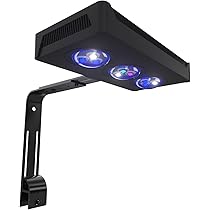
Credit: www.amazon.ca
Key Lighting Requirements For Nano Reefs
Lighting is very important for nano reef tanks. It helps corals grow and stay healthy. Choosing the right light helps mimic natural conditions.
Understanding light needs makes it easier to keep a balanced nano reef. This guide covers the main lighting needs for your tank.
Light Intensity And Par Levels
Light intensity is measured by PAR, or Photosynthetically Active Radiation. PAR shows how much usable light reaches the corals.
For most nano reefs, a PAR level between 100 and 250 micromoles per square meter per second works well. Too much or too little light can harm corals.
| Coral Type | Recommended PAR Range (μmol/m²/s) |
|---|---|
| Soft Corals | 50 – 150 |
| LPS Corals | 100 – 200 |
| SPS Corals | 200 – 400 |
Color Spectrum Needs
Corals need a full color spectrum for good growth. Blue light helps photosynthesis and coral color. White light gives a natural look.
- Blue light (400-500 nm) boosts coral health
- White light (5000-7000 K) looks natural
- Some red and green light can enhance coral colors
Using LED lights that mix these colors can create the best environment for nano reefs.
Photoperiod And Timing
Photoperiod means how long the light stays on each day. Nano reefs usually need 8 to 12 hours of light daily.
- Start with 8 hours of light for new tanks
- Increase to 10-12 hours for mature tanks
- Include a ramp-up and ramp-down period to mimic sunrise and sunset
- Avoid sudden changes to reduce coral stress
Consistent timing supports coral health and algae control in your nano reef tank.
Choosing The Right Led Fixtures
LED lighting is important for nano reef tanks. It helps coral and plants grow well. Choosing the right LED fixtures keeps your tank healthy and beautiful.
There are many LED options. Look at size, dimmable features, brand, and price. These factors help you find the best light for your tank.
Size And Coverage
Pick LED fixtures that fit your tank size. Small tanks need smaller lights. Big lights waste energy and can harm corals.
Check the coverage area of the fixture. It should cover the whole tank surface. Even light spread helps all parts of the tank grow.
- Measure your tank’s length and width
- Choose LED lights matching tank dimensions
- Look for fixtures with wide light spread
Dimmable Features
Dimmable LEDs let you adjust the light brightness. This helps mimic natural sunlight changes. Corals and fish feel less stressed with gentle light shifts.
Use dimming to set the right light for different coral types. It also saves energy by lowering brightness when full power is not needed.
- Look for LED fixtures with dimming controls
- Adjust brightness for coral health
- Save power during low light times
Brand And Price Considerations
Choose LED brands with good reviews and support. Reliable brands make durable and safe lights. Cheap lights may fail or harm your tank.
Balance price with quality. Higher price often means better parts and longer life. Think about the cost as an investment for your reef.
- Pick brands known for aquarium lighting
- Compare prices and features carefully
- Check warranty and customer service
Setting Up Led Lighting
LED lighting is ideal for nano reef tanks. It provides the right light without heating the water too much.
Setting up the lights properly helps corals and plants grow well. It also keeps your tank looking bright and natural.
Mounting Options
You can mount LED lights in different ways to fit your tank and space. Choose a way that is safe and easy to adjust.
- Clamp mounts attach the light to the tank edge for easy height changes.
- Hanging kits use chains or wires to suspend the light above the tank.
- Fixture stands hold the lights on top of the tank frame.
- Built-in mounts fix the light directly on the tank hood or lid.
Optimal Height And Placement
Place LED lights at the right height for good coverage and coral health. Too close can cause stress. Too far can reduce light intensity.
| Tank Size (Gallons) | Recommended Height (Inches) | Notes |
|---|---|---|
| 5 – 10 | 6 – 8 | Close placement for small tanks |
| 10 – 20 | 8 – 10 | Moderate height for medium tanks |
| 20+ | 10 – 12 | Higher placement for larger tanks |
Programming Light Cycles
Use timers or controllers to set light cycles. This helps mimic natural day and night for your reef.
- Set lights on for 8 to 10 hours a day.
- Include a ramp up and ramp down time to avoid sudden light changes.
- Consider a moonlight mode with dim blue LEDs for night viewing.
- Adjust the schedule if corals show signs of stress or poor growth.
Promoting Coral And Plant Growth
LED lighting is crucial for the health of corals and plants in nano reef tanks. Proper lighting helps these organisms grow and thrive.
Understanding the right balance of lights can significantly impact the reef ecosystem. Let’s explore how to optimize LED lighting for coral and plant growth.
Balancing Blue And White Lights
Blue and white lights are essential components of reef tank lighting. Each type supports different aspects of coral and plant health.
| Light Type | Purpose |
| Blue Light | Enhances coral color and growth |
| White Light | Supports photosynthesis |
Supplementing With Actinic Lighting
Actinic lighting, often blue, is used to mimic ocean environments. It aids in coral coloration and overall health.
- Promotes coral polyp extension
- Supports photosynthesis by providing necessary wavelengths
- Enhances visual appeal of the tank
Avoiding Algae Overgrowth
Algae overgrowth can be a challenge in reef tanks. Proper lighting helps control algae, keeping the tank healthy.
Maintaining Led Systems
LED lighting is vital for nano reef tanks. Proper care helps your lights last longer. It also keeps your reef healthy and bright.
Regular maintenance ensures your LED system works well. It prevents damage and costly repairs. Here are key tips to keep your LEDs in top shape.
Cleaning And Care Tips
Clean your LED lights often to avoid salt and dust buildup. Use a soft cloth with mild cleaner. Avoid harsh chemicals that can harm the lights.
- Turn off and unplug lights before cleaning
- Use a soft, dry cloth for dust
- Use a damp cloth with mild soap for salt deposits
- Do not spray water directly on lights
- Check cooling fans and vents for blockages
Monitoring Performance
Watch your LED system closely to spot issues early. Check the light output and color regularly. Track any changes in performance to catch problems fast.
| What to Monitor | Signs to Watch | Action Needed |
| Brightness | Dim or flickering light | Inspect bulbs and connections |
| Color Spectrum | Color changes or fading | Test LEDs or replace if needed |
| Heat Levels | Excess heat or fan noise | Clean fans and improve ventilation |
| Power Supply | Unstable or no power | Check wiring and replace power source |
Upgrading And Replacing Components
Keep your LED system updated for best results. Replace old or failing parts as soon as possible. Upgrades can improve light quality and energy use.
- Replace bulbs if brightness drops
- Upgrade to newer LED chips for better spectrum
- Change power supplies if unstable
- Install better cooling if overheating
- Check compatibility before upgrading parts
Troubleshooting Common Issues
LED lighting is popular for nano reef tanks. It helps corals grow well and look bright. Sometimes, problems occur that affect your tank’s health and beauty.
This guide covers common LED lighting issues. You will learn how to spot and fix them quickly.
Lighting Burn On Corals
Lighting burn happens when corals get too much light. Their tissue can turn white or brown and look damaged. This can stop their growth or even kill them.
Check the light intensity and distance from the tank. Move the lights higher or reduce brightness if needed. Also, avoid sudden changes in light schedules.
Uneven Growth Patterns
Uneven growth means some corals grow faster or look healthier than others. This is often caused by uneven light spread or blocked light areas.
- Check if LED lights cover the whole tank area.
- Remove objects that block light.
- Rotate corals regularly for equal light exposure.
- Adjust light angle and position for better coverage.
Flickering And Malfunctions
Flickering lights or sudden malfunctions can stress corals and disrupt tank balance. Causes include loose connections, power issues, or faulty LED bulbs.
| Issue | Possible Cause | Fix |
| Flickering | Loose wiring | Check and tighten connections |
| Lights not turning on | Power supply failure | Test and replace power source |
| Dim or uneven light | Burned out LEDs | Replace faulty LED bulbs |
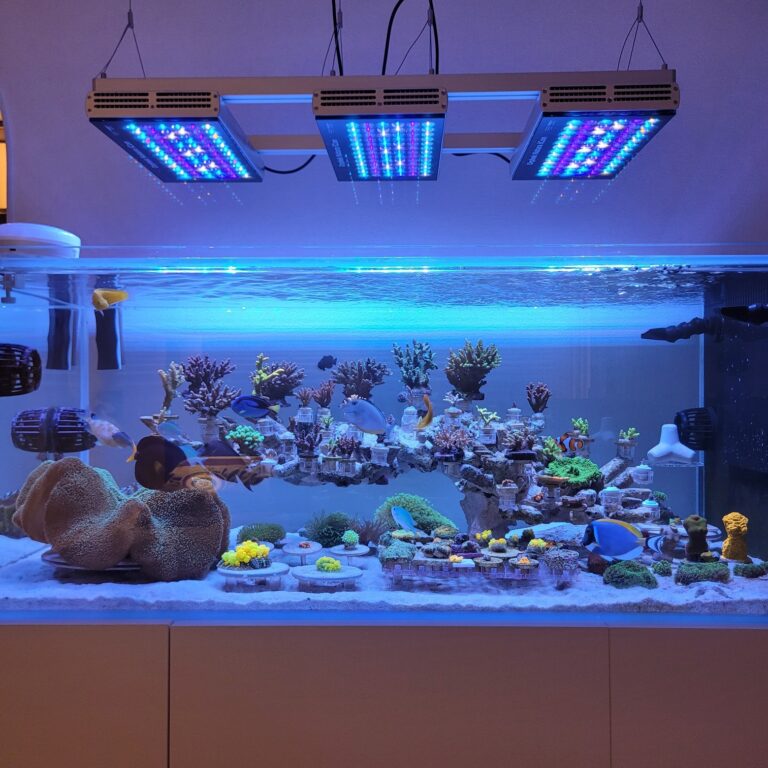
Credit: orphek.com
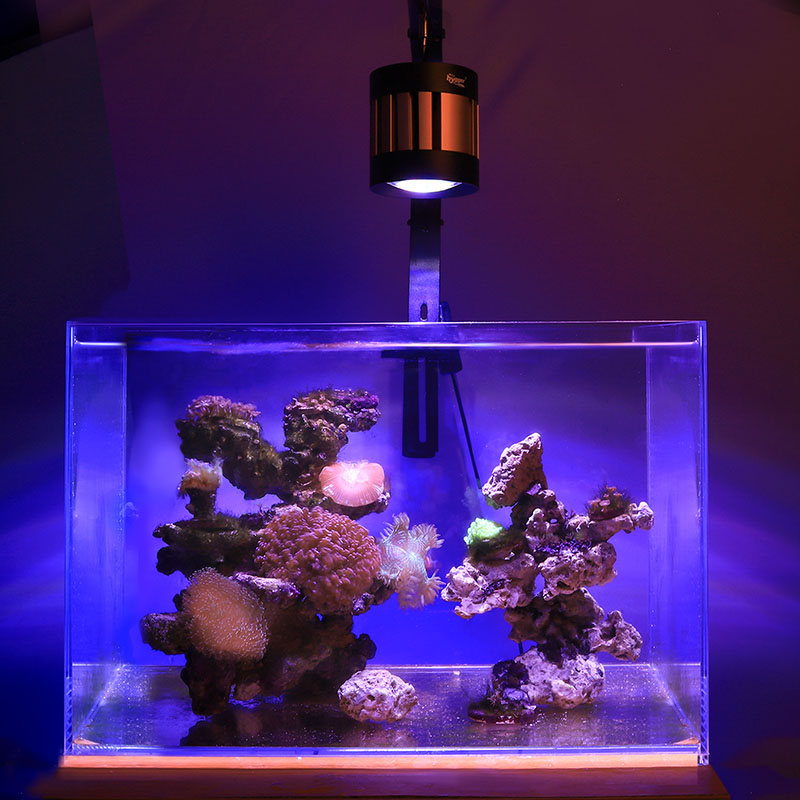
Credit: www.hygger-online.com
Frequently Asked Questions
What Are The Benefits Of Led Lighting For Nano Reef Tanks?
LED lighting offers energy efficiency, low heat emission, and customizable light spectra. It promotes coral growth and vibrant colors in nano reef tanks. LEDs also have a long lifespan and adjustable intensity, making them ideal for small, delicate reef environments.
How Do Led Lights Affect Coral Growth In Nano Reefs?
LED lights provide specific wavelengths essential for photosynthesis in corals. Proper LED spectrum enhances coral health, growth, and coloration. They mimic natural sunlight, supporting the symbiotic algae within corals to thrive in nano reef tanks.
What Is The Ideal Led Spectrum For Nano Reef Tanks?
A balanced LED spectrum includes blue (400-500nm) and white (5000-7000K) light. Blue light enhances coral fluorescence, while white light supports overall growth. Adjusting spectrum and intensity ensures optimal photosynthesis and coral vitality in nano reef setups.
Can Led Lighting Reduce Algae Growth In Nano Reef Tanks?
Yes, LED lighting with controlled intensity and spectrum can minimize unwanted algae growth. Excessive light, especially in the red spectrum, encourages algae. Properly tuned LED systems help maintain a clean, healthy nano reef environment by limiting algae proliferation.
Conclusion
LED lighting helps keep nano reef tanks healthy and bright. It uses less energy and lasts a long time. You can adjust the light to fit your tank’s needs. Good lighting supports coral growth and fish well-being. Choosing the right LED light makes a big difference.
Keep your tank clean and check the light regularly. This way, your nano reef will stay beautiful and thrive. Simple steps lead to a healthy underwater world. Try LED lighting for a brighter, happier reef.