
If you have a living room aquarium, you know how important it is to keep the water clean and clear. But finding the right aquarium filter can be confusing.
You want something that works quietly, fits your tank perfectly, and keeps your fish healthy. Choosing the best filter isn’t just about buying the most expensive one—it’s about picking the right tool that makes your tank shine and your fish happy.
Keep reading to discover how the perfect aquarium filter can transform your living room tank into a beautiful, thriving underwater world.
Choosing The Right Filter
Choosing the right aquarium filter is key for a healthy tank. Filters keep water clean and clear. They remove waste, debris, and harmful chemicals.
Living room tanks need filters that work quietly and efficiently. This guide helps you pick the best filter for your tank size and needs.
Types Of Aquarium Filters
There are several types of aquarium filters. Each type has its own way of cleaning and maintaining water quality.
- Hang-on-Back Filters:Easy to install and maintain. Good for small to medium tanks.
- Canister Filters:Powerful and quiet. Best for large tanks and heavy fish loads.
- Internal Filters:Placed inside the tank. Suitable for small tanks or shrimp tanks.
- Sponge Filters:Use air to move water through sponge material. Great for breeding tanks and fry.
- Undergravel Filters:Filter water through gravel. Needs regular cleaning to work well.
Filter Size And Tank Compatibility
Choosing the right filter size is important. A filter too small will not clean the water well. Too large may waste energy and space.
| Tank Size (Gallons) | Recommended Filter Flow Rate (GPH) | Filter Types Suitable |
| Up to 10 | 50-100 | Internal, Sponge, Hang-on-Back |
| 10-30 | 100-300 | Hang-on-Back, Canister |
| 30-55 | 300-500 | Canister, Hang-on-Back |
| 55+ | 500+ | Canister, Multiple Filters |
Energy Efficiency Considerations
Energy-efficient filters save electricity and reduce noise. Look for filters with low wattage and quiet motors.
Tips for energy efficiency:
- Choose filters with adjustable flow rates.
- Use timers to run filters only when needed.
- Keep filters clean to maintain performance.
- Look for Energy Star rated models.

Credit: sunisky.en.made-in-china.com
Filtration Methods Explained
A clean aquarium keeps your fish healthy and your tank clear. Filters remove dirt and harmful substances from the water.
There are three main ways filters clean water: mechanical, biological, and chemical filtration.
Mechanical Filtration
Mechanical filtration traps solid particles like fish waste, uneaten food, and plant debris. It stops these particles from floating in the water.
Filters use sponges, pads, or floss to catch these particles. You should clean or replace them often to keep the filter working well.
- Removes visible dirt and debris
- Prevents water cloudiness
- Protects other filter types from clogging
Biological Filtration
Biological filtration uses good bacteria to break down harmful waste. These bacteria live on filter media and tank surfaces.
The bacteria convert ammonia from fish waste into less harmful substances. This process keeps water safe for fish and plants.
- Supports beneficial bacteria growth
- Breaks down toxic ammonia and nitrites
- Makes water safe for aquatic life
Chemical Filtration
Chemical filtration removes dissolved chemicals and odors from aquarium water. It uses special media like activated carbon or resins.
This type of filtration helps clear water and reduce harmful substances that mechanical and biological filtration cannot remove.
- Removes toxins and pollutants
- Eliminates odors and discoloration
- Improves water clarity and quality
Noise Reduction Tips
Keeping your aquarium filter quiet helps create a peaceful living room. Loud filters can disturb both you and your fish.
This guide shares easy ways to reduce noise from your aquarium filter. You will learn about quiet brands, soundproofing, and maintenance.
Quiet Filter Brands
Some brands design aquarium filters with noise reduction in mind. Choosing the right brand can lower sound levels significantly.
| Brand | Model | Noise Level (dB) |
| Fluval | FX6 | 30 |
| Marineland | Magniflow 360 | 32 |
| Hydor | Prime 25 | 28 |
| Eheim | Classic 250 | 29 |
Soundproofing Techniques
Soundproofing your aquarium filter area can reduce noise. There are several simple methods to try.
- Place a soft mat under the filter to absorb vibrations.
- Use foam or rubber pads around the filter housing.
- Keep the filter away from walls to reduce sound reflection.
- Cover the filter with a noise-reducing box, leaving space for airflow.
- Fill gaps between filter parts with silicone to stop rattling.
Maintenance For Noise Control
Regular cleaning and care keep your filter running quietly. Dirt or worn parts often cause noise.
- Turn off and unplug the filter before maintenance.
- Clean filter media and impellers to remove debris.
- Check for loose or broken parts and tighten or replace them.
- Lubricate moving parts if the manufacturer allows.
- Replace worn-out parts promptly to avoid extra noise.
Maintaining Crystal Clear Water
Keeping your living room aquarium water clear is key for healthy fish and plants. Clean water also makes your tank look beautiful.
An effective aquarium filter helps remove dirt and waste. Regular care of the filter ensures it works well every day.
Regular Cleaning Schedule
Set a weekly cleaning routine to keep the filter and tank clean. This prevents buildup that clouds the water.
- Rinse the filter sponge in tank water once a week
- Remove any debris trapped in the filter housing
- Check for algae growth and clean the tank walls
- Vacuum the gravel to remove leftover food and waste
Replacing Filter Media
Filter media wear out over time and need replacement. Fresh media helps trap debris and supports beneficial bacteria.
| Type of Media | Replacement Frequency |
| Mechanical (sponges, pads) | Every 3-4 weeks |
| Chemical (activated carbon) | Every 4-6 weeks |
| Biological (ceramic rings) | Every 6 months or as needed |
Monitoring Water Quality
Test water regularly to keep fish safe. Good water quality prevents illness and keeps your tank clear.
- Check pH levels weekly
- Measure ammonia and nitrite levels
- Test nitrate to avoid buildup
- Use a reliable water testing kit
- Perform partial water changes based on test results
Aesthetic And Placement Ideas
Creating a visually pleasing aquarium is about more than just colorful fish. The filter system plays a crucial role in maintaining both beauty and health. Here are some ideas to integrate it seamlessly into your living room decor.
Integrating Filters Into Living Room Decor
Filters can often disrupt the aesthetic flow of a room. It is important to make them blend in with the decor. Consider the color and shape of the filter when planning your aquarium setup.
- Choose a filter that matches the color of your aquarium stand.
- Use plants and rocks to naturally hide equipment.
- Consider a custom cabinet with a hidden compartment.
Concealing Equipment Elegantly
Concealing aquarium equipment can enhance the overall look of your living space. This can be done in several ways that do not compromise on filter efficiency.
Install a false wall behind the aquarium where the filter can sit unseen. This approach not only conceals the filter but also adds depth to the display.
Optimal Filter Positioning
Proper positioning of the filter is key to maintaining water quality and ensuring easy maintenance. It should be accessible for regular cleaning yet discreet.
| Position | Benefits |
| Behind aquarium | Hides equipment |
| Side position | Easy access |
| Underneath stand | Space-saving |

Credit: www.amazon.ca
Advanced Features To Consider
Choosing the right filter for your living room aquarium can improve water quality and fish health. Advanced features help make maintenance easier and keep the tank clean.
Filters today come with new technology that offers better control and efficiency. Knowing these features helps you pick the best filter for your needs.
Smart Filters And Automation
Smart filters connect to your home network and allow remote control. You can monitor water flow and filter status using your phone.
Automation lets the filter adjust settings based on the tank’s condition. This keeps the water clean without constant manual checks.
- Remote monitoring via apps
- Automatic flow adjustment
- Alerts for cleaning or issues
Energy Saving Modes
Energy-saving modes reduce power use during low demand times. This helps lower electricity bills and is better for the environment.
Some filters slow down or pause when the tank is stable. They start again when water flow or quality needs improvement.
- Reduced power during stable conditions
- Automatic start and stop functions
- Less noise and heat output
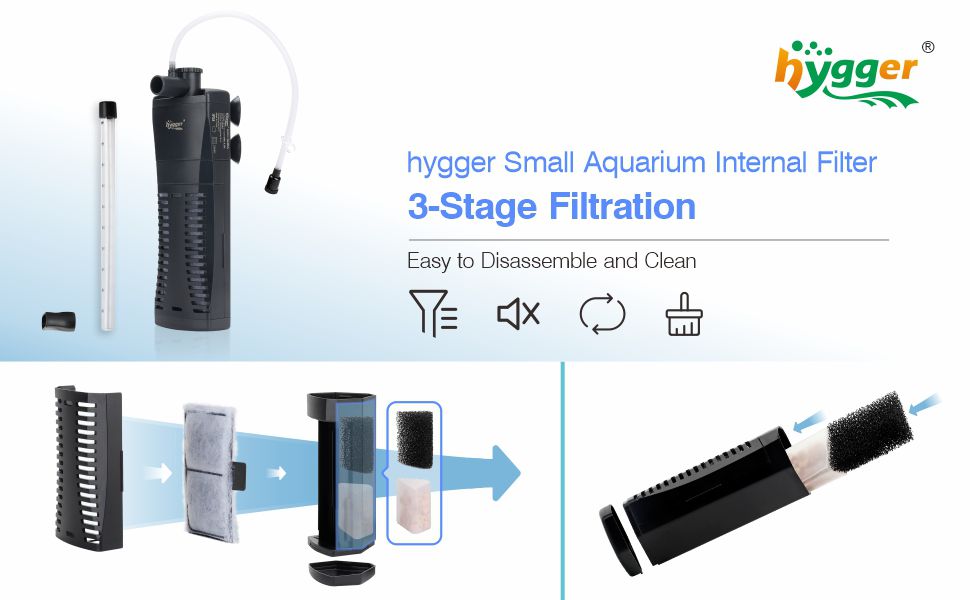
Multi-stage Filtration Systems
Multi-stage filters clean water in several steps. Each stage targets a different type of impurity for clearer water.
Stages often include mechanical, biological, and chemical filtration. This combination keeps your tank healthy and fish happy.
- Mechanical stage removes debris and waste
- Biological stage supports good bacteria
- Chemical stage removes toxins and odors
Credit: www.hygger-online.com
Frequently Asked Questions
What Type Of Filter Is Best For Living Room Aquariums?
A canister filter is ideal for living room tanks. It provides excellent mechanical, chemical, and biological filtration. It is quiet and keeps the water crystal clear. Its external design saves space and maintains the tank’s aesthetic appeal.
How Often Should I Clean My Aquarium Filter?
Clean your aquarium filter every 3 to 4 weeks. Regular cleaning ensures efficient filtration and healthy water conditions. Avoid over-cleaning to preserve beneficial bacteria. Use tank water for rinsing filter media to maintain biological balance.
Can A Filter Reduce Odors In Living Room Tanks?
Yes, a good filter reduces odors by removing waste and uneaten food. Activated carbon media in filters absorbs unpleasant smells. Proper filtration keeps water fresh and odor-free, enhancing your living room ambiance.
Are Silent Filters Available For Living Room Aquariums?
Yes, many filters are designed to operate quietly. Look for models labeled as “whisper-quiet” or “silent. ” These filters use sound-dampening technology to minimize noise, making them perfect for living room tanks.
Conclusion
Choosing the right aquarium filter keeps your living room tank clean. Clean water means healthy fish and a clear view. Filters remove dirt and harmful chemicals fast. Quiet filters avoid disturbing your peaceful space. Regular filter care helps avoid problems later.
Remember, a good filter saves time and effort. Enjoy your beautiful tank with fresh water every day. Simple steps make fish care easier and more fun. Your living room tank deserves the best filter to shine.