
If you keep schooling fish, you know how important it is to keep their water clean and healthy. But choosing the right aquarium filter can be confusing.
The wrong filter can stress your fish or even harm their delicate environment. You want a filter that keeps water clear, moves gently, and supports your fish’s natural behavior. You’ll discover exactly what makes an aquarium filter perfect for schooling fish—and how to pick the best one for your tank.
Keep reading to give your fish the clean, calm home they deserve.
Choosing The Right Filter
Choosing the right aquarium filter is important for keeping your fish healthy. A good filter cleans the water and keeps it clear.
Schooling fish need special care with their filters. The filter should keep the water clean without disturbing the fish.
Types Of Aquarium Filters
There are different types of filters for aquariums. Each type works in a unique way to clean the water.
- Hang-on-back filters: Easy to install and maintain.
- Canister filters: Powerful and good for large tanks.
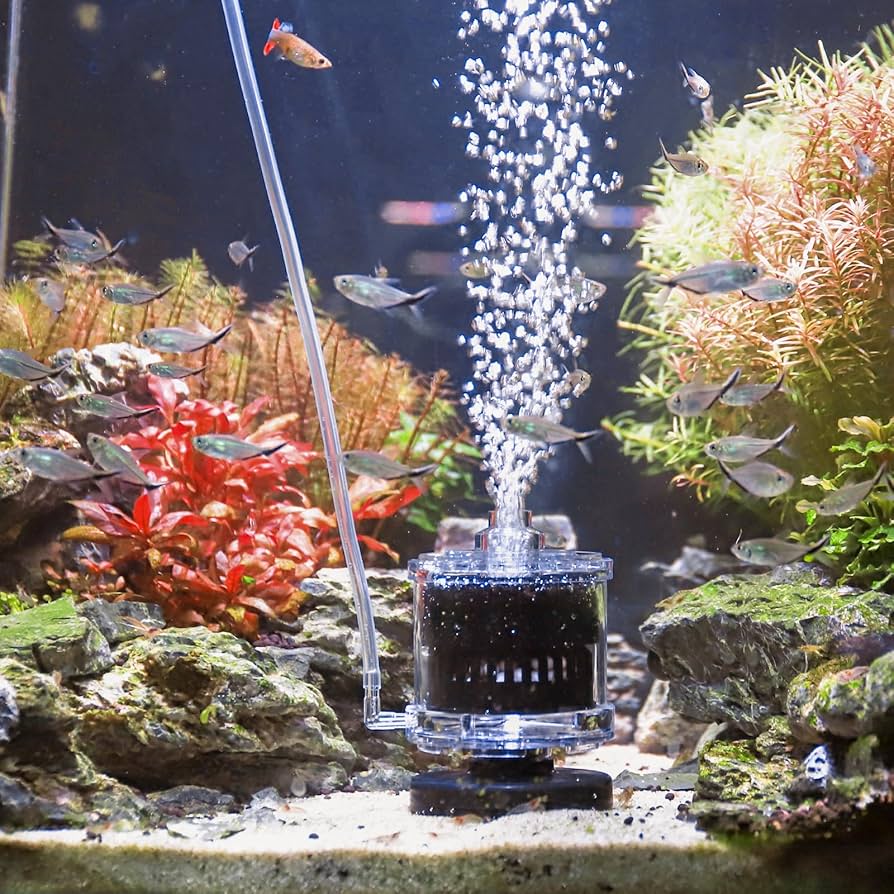
- Sponge filters: Gentle flow, ideal for small tanks and fry.
- Internal filters: Placed inside the tank, good for small spaces.
- Undergravel filters: Use gravel as a filter medium.
Choosing a filter depends on your tank size and fish type. Some filters create strong currents, which schooling fish may not like.
Filter Size And Capacity
Filters come in different sizes and capacities. You must pick one that matches your aquarium size.
A filter with too low capacity will not clean the water well. A very strong filter can stress schooling fish.
- Check the filter’s flow rate in gallons per hour (GPH).
- Choose a filter with a flow rate about 4 times your tank size.
- Adjust the flow if it is too strong for your fish.
Suitability For Schooling Fish
Schooling fish swim together and prefer calm water. Strong currents can make them stressed or separate them.
Choose a filter that provides gentle water movement. Sponge filters or adjustable hang-on-back filters work well.
- Ensure the filter does not create strong suction.
- Avoid filters with very fast water flow.
- Use pre-filters or sponges to reduce flow strength.
- Keep the water clean to avoid stress and disease.
Credit: www.amazon.com
Filtration Methods Explained
A clean aquarium is vital for the health of schooling fish. Filtration helps keep water clear and safe. It removes dirt, waste, and harmful substances.
There are three main types of filtration. Each type plays a different role in maintaining water quality. Understanding these helps you choose the right filter.
Mechanical Filtration
Mechanical filtration removes solid particles from the water. It traps debris like uneaten food and fish waste. This keeps the water clear and reduces dirt buildup.
Common materials used are sponge pads, filter floss, and foam. Water passes through these materials, which catch the particles.
- Traps visible debris
- Keeps water clear
- Prevents clogging in other filter parts
Biological Filtration
Biological filtration uses good bacteria to break down harmful waste. These bacteria turn toxic ammonia into less harmful substances. This process is called the nitrogen cycle.
Filters have surfaces like ceramic rings or bio balls. These give bacteria a place to grow and clean the water naturally.
- Removes toxic ammonia and nitrites
- Supports a healthy fish environment
- Works best with a stable bacterial colony
Chemical Filtration
Chemical filtration removes dissolved substances from water. It uses materials like activated carbon to absorb impurities. This helps clear odors, discoloration, and chemicals.
Chemical media must be replaced regularly. Otherwise, it loses its ability to clean the water effectively.
- Removes odors and discoloration
- Absorbs harmful chemicals
- Improves water clarity and quality
Setting Up Your Filter
Setting up an aquarium filter is important for healthy schooling fish. A good setup keeps water clean and fish happy.
Follow these steps to ensure your filter works well and maintains a balanced environment for your fish.
Placement In The Aquarium
The placement of your filter affects its efficiency. Place it where water circulation is optimal for all fish.
- Position the filter near the top of the tank.
- Avoid placing it near decorations that block flow.
- Ensure the intake is clear of debris.
Flow Rate Adjustment
Adjusting the flow rate ensures the filter works without stressing fish. It should be gentle but effective.
Maintaining Water Movement
Good water movement is crucial for oxygen exchange and waste removal. It helps maintain a healthy environment.
| Feature | Benefit |
| Proper Flow | Prevents stagnant areas |
| Even Circulation | Distributes heat and nutrients |
| Consistent Oxygen Levels | Supports fish health |

Credit: www.amazon.com
Maintaining Crystal Clear Water
Keeping water clear is essential for schooling fish health. Clear water helps fish breathe and stay active.
A good aquarium filter removes dirt and waste. It keeps water fresh and safe for your fish.
Regular Cleaning Schedule
Clean your aquarium filter regularly to keep it working well. Dirt buildup can slow filtering and harm fish.
Set a cleaning schedule based on your tank size and fish number. Usually, clean the filter every 2 to 4 weeks.
- Turn off the filter before cleaning
- Rinse filter parts in tank water, not tap water
- Do not clean all media at once to keep good bacteria
- Reassemble and restart the filter carefully
Replacing Filter Media
Filter media trap dirt and help clean water. Over time, they wear out or get clogged.
Replace filter media on time to keep water clear. Follow the manufacturer’s advice for how often to change them.
- Mechanical media: Replace every 3-4 weeks
- Chemical media: Change every 4-6 weeks
- Biological media: Replace only if damaged
Monitoring Water Parameters
Check water quality often to keep fish safe. Clear water means good levels of chemicals and no harmful toxins.
Test these key water parameters regularly to catch problems early and keep water clean.
- Ammonia: Should be zero
- Nitrite: Should be zero
- Nitrate: Keep low, under 20 ppm
- pH: Stable and suitable for your fish
- Temperature: Match fish species needs
Tips For Schooling Fish Health
Keeping schooling fish healthy requires good care and the right environment. One key part is using the right aquarium filter. Filters help keep water clean and safe.
This guide shares tips on how to use aquarium filters to help your schooling fish stay healthy and happy.
Avoiding Stress Through Filtration
Stress weakens fish and makes them sick. A good filter keeps water clear and steady. Avoid strong currents that can stress schooling fish. Choose a filter with adjustable flow to match your fish’s needs.
Clean water means less stress. Change filter media regularly to keep it working well. Check your filter often to make sure it is running smoothly.
Optimizing Oxygen Levels
Schooling fish need plenty of oxygen to swim and stay active. Filters help move water, which adds oxygen to the tank. Choose filters that create gentle water movement to improve oxygen without disturbing fish.
- Use filters with surface agitation to boost oxygen
- Add air stones if oxygen levels are low
- Keep plants that release oxygen during the day
Managing Waste Effectively
Fish produce waste that pollutes water. A good filter removes waste to keep water clean. Mechanical filters catch solid particles. Biological filters break down harmful chemicals.
Regular filter cleaning helps maintain waste removal. Do not clean all filter parts at once to keep helpful bacteria alive.
- Use mechanical filter media to trap debris
- Include bio media for good bacteria growth
- Clean filter parts with tank water, not tap water

Credit: www.amazon.com
Common Filtering Mistakes
A good filter keeps the water clean and fish healthy. Many people make mistakes that harm schooling fish.
These mistakes affect water quality and fish behavior. Knowing what to avoid helps your aquarium thrive.
Overfiltering Risks
Using a filter that is too strong creates too much water movement. Schooling fish may get stressed or tired.
Strong currents can push fish around and stop them from swimming naturally. This causes health problems.
- Stress lowers fish immune system
- Fish may hide or stop eating
- Uneven water flow can trap debris
Ignoring Flow Preferences
Different schooling fish like different water flows. Some prefer calm water, others like gentle currents.
Not matching the flow to your fish can make them uncomfortable. It may cause them to swim erratically or become inactive.
- Check fish species flow needs
- Adjust filter output with valves or baffles
- Observe fish behavior to find best flow
Neglecting Maintenance
Filters need regular cleaning to work well. Dirt and debris block water flow and reduce filter power.
Ignoring maintenance causes poor water quality. This leads to algae growth and fish sickness.
- Clean filter parts monthly
- Replace filter media as recommended
- Check for clogs or damage often
Upgrading Your Filter System
A good filter keeps your aquarium water clean and healthy. Schooling fish need strong filtration because they produce more waste.
Upgrading your filter system helps maintain water quality and keeps fish safe. This guide explains when and how to upgrade.
When To Upgrade
Upgrade your filter if water stays cloudy or smells bad. These signs show the filter is not working well.
If you add more fish or plants, your filter might need a boost. A bigger or stronger filter can handle more waste.
- Water looks dirty after cleaning
- Fish act stressed or sick
- Adding more fish to your tank
- Filter is old or damaged
Best Filters For Large Schools
Large schools need filters with strong flow and large capacity. Canister and power filters work well for big tanks.
Filters with mechanical, chemical, and biological stages clean water fully. This helps keep many fish healthy.
- Canister filters: strong and quiet
- Power filters: easy to install
- Sponge filters: good for gentle flow
- Undergravel filters: support bacteria growth
Combining Filters For Efficiency
Using two types of filters helps clean water better. Each filter handles different wastes and keeps water balanced.
For example, a canister filter can handle big particles. A sponge filter can support beneficial bacteria and gentle flow.
- Combine mechanical and biological filters
- Use sponge filters for extra bacteria growth
- Place filters in different tank areas
- Clean filters regularly to keep flow strong
Frequently Asked Questions
What Type Of Filter Is Best For Schooling Fish Tanks?
A hang-on-back or canister filter is ideal for schooling fish. They provide strong filtration and maintain water clarity. These filters create gentle water flow, which suits schooling fish’s swimming habits.
How Often Should I Clean The Aquarium Filter?
Clean the filter every 2 to 4 weeks to maintain efficiency. Avoid over-cleaning to preserve beneficial bacteria. Rinse filter media with tank water, not tap water, to protect bacterial colonies.
Can Aquarium Filters Stress Schooling Fish?
Strong currents from some filters can stress schooling fish. Choose filters with adjustable flow rates to minimize stress. Proper flow supports fish health without disrupting their natural swimming patterns.
Do Schooling Fish Need Additional Filtration Types?
Mechanical and biological filtration are essential for schooling fish tanks. Chemical filtration can be added if water quality issues arise. Balanced filtration ensures a healthy environment for active schooling fish.
Conclusion
Choosing the right aquarium filter helps keep schooling fish healthy. Clean water means happy, active fish swimming together. Filters remove waste, harmful chemicals, and keep oxygen levels stable. Small tanks need gentle filters; big tanks need stronger ones. Regular filter cleaning keeps the tank fresh and safe.
Good filtration supports natural fish behavior and colors. Healthy fish create a beautiful, lively aquarium to enjoy daily. Remember, a proper filter is key to a thriving fish school. Simple care makes a big difference in your aquarium’s life.