
Are you thinking about adding a splash of color and life to your home? A tropical fish starter kit could be exactly what you need.
It’s an easy, fun way to begin your aquarium hobby without feeling overwhelmed. Imagine watching vibrant fish swim gracefully while you relax after a long day. This guide will help you pick the right kit, set it up quickly, and keep your fish happy and healthy.
Ready to dive in? Let’s make your first aquarium experience a success!
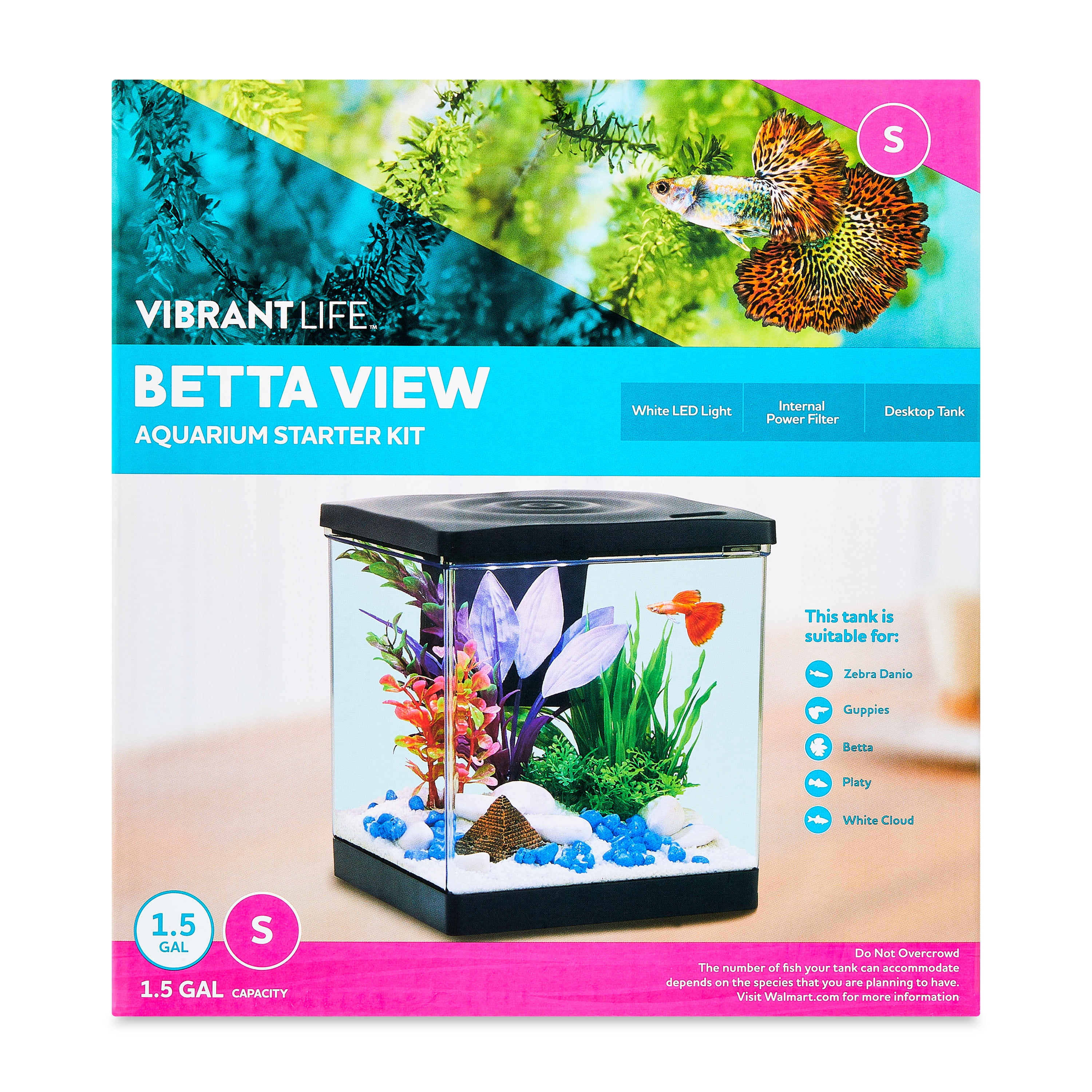
Credit: www.walmart.com
Choosing Your First Tropical Fish
Starting a tropical fish tank is exciting. Picking the right fish helps you enjoy the hobby.
Some fish are easier to care for. Knowing what fits your tank is important for success.
Best Fish For Beginners
Choose fish that are hardy and easy to care for. They adapt well to new tanks and water conditions.
- Betta fish – colorful and low maintenance
- Guppies – small, active, and peaceful
- Neon tetras – bright and schooling fish
- Zebra danios – tough and fast swimmers
- Corydoras catfish – bottom dwellers that clean the tank
Considering Fish Compatibility
Not all fish live well together. Some may fight or stress each other.
| Fish Type | Compatibility | Notes |
|---|---|---|
| Betta | Solitary | May attack other males |
| Guppies | Peaceful | Good with other small fish |
| Neon Tetras | Schooling | Needs groups of 6 or more |
| Zebra Danios | Peaceful | Active, good for community tanks |
| Corydoras | Peaceful | Bottom dwellers, good tank cleaners |
Size And Growth Factors
Know the adult size of your fish. Some start small but grow large quickly.
- Check fish size before buying
- Ensure your tank has enough space
- Plan for fish that grow fast or large
- Overcrowding harms fish health
- Regularly monitor fish growth

Credit: www.amazon.com
Essential Equipment For Beginners
Starting a tropical fish tank needs the right tools. Good equipment helps fish stay healthy and happy.
This guide shows the basic gear beginners need for a tropical fish starter kit.
Selecting The Right Aquarium
Pick an aquarium size that fits your space and fish type. Bigger tanks are easier to keep stable.
Choose glass or acrylic tanks. Glass is heavy but scratch-resistant. Acrylic is lighter and clearer.
- Start with at least 10 gallons for beginners
- Consider tank shape for fish comfort
- Check for a secure lid to prevent fish jumping
Filtration Systems Explained
Filters clean water by removing waste and toxins. They keep fish healthy and water clear.
There are three main types: mechanical, biological, and chemical filtration.
- Mechanical:Removes debris and particles
- Biological:Uses bacteria to break down waste
- Chemical:Removes harmful chemicals and odors
Heating And Lighting Needs
Tropical fish need warm water. Use a heater to keep a steady temperature.
Lighting supports fish health and shows their colors. Use lights that mimic natural daylight.
- Keep water temperature between 75°F and 80°F
- Choose adjustable heaters for control
- Use LED lights for energy efficiency
- Provide 8 to 12 hours of light daily
Setting Up The Aquarium
Setting up an aquarium is the first step to enjoy your tropical fish. A well-prepared tank keeps fish healthy and happy.
This guide helps you set up your tropical fish starter kit properly. Follow these simple steps to create a safe home for your fish.
Preparing The Tank
Start by cleaning the aquarium with warm water. Do not use soap or chemicals as they can harm fish.
Place the tank on a flat, sturdy surface away from direct sunlight and drafts. Check for leaks before adding water.
Adding Substrate And Decorations
Choose a substrate like gravel or sand to cover the tank bottom. Rinse it well before adding it to the tank.
Add decorations such as plants, rocks, and caves. These provide hiding places and make the tank look natural.
- Rinse decorations with water before placing them
- Avoid sharp objects that could hurt fish
- Arrange decorations to allow swimming space
Cycling The Tank Before Fish
Cycling the tank means building good bacteria that clean fish waste. This process takes 4 to 6 weeks.
Test water regularly for ammonia, nitrite, and nitrate levels. Only add fish when these are safe.
- Start with adding ammonia or fish food to feed bacteria
- Use water test kits weekly
- Wait until ammonia and nitrite are zero before adding fish
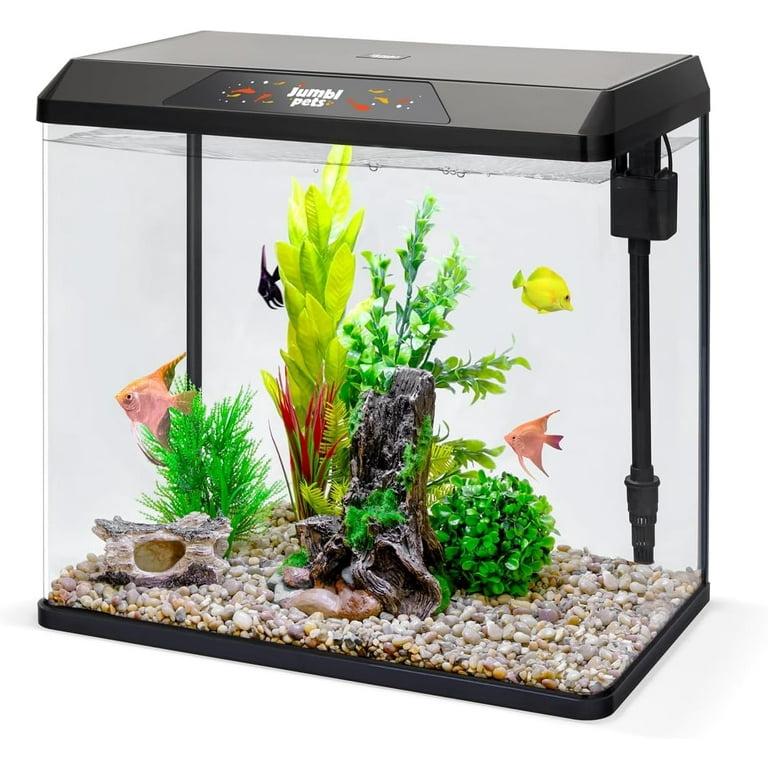
Credit: www.walmart.com
Water Quality And Maintenance
Good water quality is key for healthy tropical fish. Clean water helps fish live longer and stay active.
Regular care keeps the tank safe. You must watch water conditions and clean the tank often.
Testing Water Parameters
Test water to check important factors like pH, ammonia, and nitrite levels. These affect fish health.
Use test kits weekly to keep track. Adjust water if levels are too high or low.
- Check pH to keep it stable (usually 6.5 to 7.5).
- Ammonia and nitrite should be zero to avoid fish stress.
- Nitrate should stay below 20 ppm for safety.
- Keep water temperature steady for tropical fish species.
Regular Cleaning Schedule
Cleaning the tank removes waste and keeps water clear. It helps prevent disease.
Do part water changes every week. Clean the gravel and remove algae gently.
- Change 10-20% of water weekly.
- Use a gravel vacuum to clean the bottom.
- Wipe tank glass to remove algae.
- Check and clean filters monthly.
Handling Common Water Issues
Water problems can harm fish quickly. Watch for cloudy water or strange smells.
Treat issues fast by testing water and doing partial water changes. Avoid overfeeding fish.
- Cloudy water: Clean tank and test water.
- Algae growth: Reduce light and clean tank walls.
- High ammonia: Change water and check filter.
- Fish gasping: Check oxygen levels and water quality.
Feeding And Nutrition
Feeding tropical fish properly keeps them healthy and active. It’s important to know the right food and feeding habits.
Let’s explore different types of fish food, how often to feed, and tips to avoid overfeeding.
Types Of Fish Food
Different fish need different food types. Feeding the right food ensures they get the nutrients they need.
- Flake Food: Easy to digest and great for most fish.
- Pellet Food: Sinks to the bottom, good for bottom feeders.
- Frozen Food: Offers a variety of nutrients.
- Live Food: Best for carnivorous fish, keeps them active.
Feeding Frequency And Portions
Feeding frequency and portion size depend on your fish type. Overfeeding can harm your fish.
| Fish Type | Feeding Frequency | Portion Size |
| Tropical Fish | Twice a day | Small pinches |
| Bottom Feeders | Once a day | One pellet per fish |
| Carnivorous Fish | Every other day | One piece of live food |
Avoiding Overfeeding
Overfeeding can lead to health problems and dirty tank water. It’s crucial to feed the right amount.
Health And Disease Prevention
Keeping tropical fish healthy requires careful attention. Disease prevention is key to a thriving aquarium.
Learn how to spot illnesses, isolate new fish, and treat problems early to protect your fish.
Recognizing Common Illnesses
Tropical fish show signs when they are sick. Watch for changes in behavior and appearance.
- Loss of color or faded spots
- Clamped fins or torn fins
- White spots or fuzzy patches
- Gasping at the water surface
- Swollen belly or bloating
- Scratching against objects
- Rapid breathing or lethargy
Quarantine Procedures
Isolate new or sick fish in a separate tank. This stops disease spread to healthy fish.
| Quarantine Steps | Details |
| Duration | At least 2 weeks before adding to main tank |
| Tank Setup | Use clean water and proper filtration |
| Observation | Check daily for signs of illness |
| Treatment | Apply medication if needed before transfer |
Treatment Options
Treat fish illness quickly with the right methods. Use medicines and tank care.
- Identify the illness based on symptoms.
- Choose the correct medication or remedy.
- Follow dosage instructions carefully.
- Keep water clean and stable.
- Remove uneaten food to avoid pollution.
- Monitor fish daily for improvement.
- Repeat treatment if needed as directed.
Tips For Long-term Success
Keeping tropical fish healthy takes time and care. Watching your fish and tank closely helps you spot problems early.
Improving your tank setup and joining groups can make your fish-keeping easier and more fun.
Monitoring Fish Behavior
Look for changes in your fish’s swimming, eating, and social habits. Sick fish often hide or stop eating.
- Watch daily for signs of stress or illness
- Note any unusual swimming patterns
- Check if fish are eating normally
- Look for color changes or spots
Upgrading Your Setup
Regular upgrades keep your tank safe and comfortable for fish. Better equipment helps maintain water quality and temperature.
| Upgrade | Benefit |
| Filter | Keeps water clean |
| Heater | Keeps temperature stable |
| Lighting | Supports fish and plant health |
| Air Pump | Improves oxygen levels |
Joining Aquarium Communities
Talking with other fish keepers gives you advice and support. You learn from others’ experiences and mistakes.
Benefits of joining communities:
- Ask questions and get quick answers
- Share photos and stories
- Find local events and clubs
- Buy or trade fish and supplies
Frequently Asked Questions
What Fish Are Best For A Tropical Fish Starter Kit?
Begin with hardy species like guppies, neon tetras, and mollies. These fish adapt well to beginner tanks. They require minimal care and tolerate a range of water conditions. This makes them ideal for new tropical fish hobbyists.
How Big Should My Tropical Fish Starter Tank Be?
A 10 to 20-gallon tank is perfect for beginners. It provides enough space for several small fish. Larger tanks are easier to maintain stable water conditions. Always avoid overcrowding to keep fish healthy and stress-free.
What Equipment Is Essential For A Tropical Fish Starter Kit?
You need a tank, filter, heater, and lighting. A water test kit helps monitor water quality. Gravel and decorations create a comfortable environment. Proper equipment ensures fish health and a thriving aquarium.
How Often Should I Clean My Tropical Fish Starter Tank?
Clean your tank partially every 1 to 2 weeks. Change 20-30% of the water during each cleaning. Remove uneaten food and debris to prevent pollution. Regular maintenance keeps fish healthy and the aquarium clear.
Conclusion
Starting with a tropical fish kit makes fish care simple and fun. You get all basics in one set. It helps keep fish healthy and happy. Choose the right kit for your space and budget. Remember to clean the tank regularly and feed fish properly.
Watching colorful fish swim brings joy and calm. Enjoy your new hobby with patience and care. Small steps lead to a thriving fish tank. Dive into the peaceful world of tropical fish today.