
When winter arrives, your tanks face a big challenge: freezing temperatures. If you don’t protect them, you risk costly damage and interruptions.
But there’s a simple solution that can save you time, money, and headaches—insulation. You’ll discover why using insulation on your tanks during winter is not just smart, but essential. Keep reading to learn how to keep your tanks safe and working smoothly all season long.
Why Tank Insulation Matters
Insulating tanks during winter is important to protect them from cold temperatures. It helps keep the contents safe and efficient.
Proper insulation prevents damage and reduces energy costs. This makes tank operation more reliable in cold weather.
Preventing Freezing Damage
When tanks are not insulated, water and other fluids inside can freeze. Frozen fluids expand and cause cracks or leaks in the tank.
- Insulation keeps the tank surface warmer
- It stops ice from forming inside the tank
- Reduces repair costs due to freezing damage
Maintaining Fluid Quality
Cold temperatures can change the properties of fluids stored in tanks. This can lower their quality and usefulness.
| Effect of Cold | Impact on Fluid |
| Freezing | Damage and contamination |
| Thickening | Hard to pump or use |
| Condensation | Water mixing with fluid |
Insulation helps keep fluids at the right temperature to maintain quality and function.
Energy Efficiency Benefits
Insulated tanks lose less heat in winter. This means heaters use less energy to keep fluids warm.
Benefits of tank insulation for energy use:
- Lower heating costs
- Reduced carbon footprint
- Longer equipment life

Credit: aquariumadvicesa.wordpress.com
Choosing The Right Insulation Material
Insulating tanks in winter helps keep their contents safe from freezing. Choosing the right insulation material is important for efficiency and cost.
Different materials offer various benefits. This guide covers common options to help you decide.
Foam Insulation Options
Foam insulation is popular for tanks. It is lightweight and easy to apply. Foam types include spray foam and rigid foam boards.
- Spray foam seals gaps and creates a tight barrier.
- Rigid foam boards provide strong insulation and durability.
- Foam insulates well against cold temperatures.
- It can resist moisture if properly sealed.
Fiberglass Wraps
Fiberglass wraps are flexible and easy to use around curved surfaces. They provide good thermal resistance and protect tanks from cold.
| Feature | Benefit |
| Flexible | Fits many tank shapes |
| Fire-resistant | Improves safety |
| Moisture-resistant | Prevents mold and rust |
| Cost-effective | Affordable option |
Reflective Barriers
Reflective barriers reduce heat loss by reflecting radiant heat back to the tank. They are thin and easy to install.
Advantages of Reflective Barriers:
- Lightweight and thin
- Works well with other insulation types
- Resists moisture and dust
- Improves energy efficiency
Preparing Tanks For Insulation
Insulating tanks in winter keeps their contents safe from freezing. Proper preparation helps the insulation work well and last longer.
Before adding insulation, you must clean, inspect, and seal the tank carefully. These steps protect the tank and improve insulation results.
Cleaning And Drying
Start by removing dirt, rust, and old insulation from the tank surface. Clean surfaces help insulation stick properly and prevent damage.
- Use a wire brush or pressure washer to clean the tank.
- Remove any oil, grease, or chemical residues.
- Dry the tank completely to avoid moisture under insulation.
- Check that the tank surface is smooth and free of loose particles.
Inspecting For Leaks
Look carefully for cracks, holes, or weak spots on the tank. Leaks reduce tank safety and cause insulation to fail.
| Leak Type | Signs to Check | Action Needed |
| Small Crack | Water stains, rust spots | Seal with epoxy or welding |
| Hole | Dripping, wet areas | Patch or replace tank section |
| Loose Fittings | Drips around joints | Tighten or replace fittings |
Sealing Vulnerable Areas
Seal all openings and weak points before insulating. This stops cold air and moisture from entering the tank.
- Apply weatherproof sealant around valves and pipes.
- Use foam tape on lid edges and seams.
- Cover vents with breathable mesh to block drafts.
- Check seals regularly during winter for damage.

Credit: gototanks.com
Insulation Installation Techniques
Using insulation on tanks during winter helps keep liquids from freezing. Proper installation improves heat retention and prevents damage.
This guide explains key techniques to install insulation effectively on tanks. Follow these steps for better winter protection.
Wrapping Methods
Wrap insulation tightly around the tank to stop cold air from reaching it. Overlap the edges to avoid gaps.
Use materials like foam, fiberglass, or reflective wraps. Make sure the insulation covers the entire surface evenly.
- Start wrapping at the bottom of the tank
- Overlap each layer by at least two inches
- Cover all pipes and valves connected to the tank
- Seal seams with weather-resistant tape
Securing Insulation Properly
Fix insulation firmly so it does not slip or fall off. Use straps, bands, or ties to hold it in place.
Check the insulation regularly to keep it secure. Tighten or replace fasteners if they loosen over time.
- Use plastic zip ties or metal bands for strength
- Place fasteners evenly around the tank
- Do not compress insulation too much
- Keep fasteners away from sharp edges
Using Heat Tape For Extra Protection
Heat tape adds warmth to tanks in very cold areas. It works by gently heating the tank’s surface.
Wrap heat tape along pipes or tank areas most likely to freeze. Follow the manufacturer’s instructions carefully.
- Choose heat tape with automatic temperature control
- Do not overlap heat tape on itself
- Cover heat tape with insulation for safety
- Inspect heat tape for damage before winter
Monitoring And Maintenance During Winter
Winter can be tough on tanks. Proper insulation is key to keeping them safe. Regular monitoring helps prevent issues before they become problems.
Maintenance during cold months ensures your tanks stay in good condition. Addressing insulation needs is crucial for efficiency.
Regular Inspections
Checking tanks regularly is important. Look for signs of wear on insulation. Inspections help catch small issues early.
Inspect tanks for ice buildup and leaks. Ensure that all insulation is intact and secure.
- Check insulation for tears or gaps
- Look for moisture or water damage
- Ensure no ice is forming on tanks
Repairing Damaged Insulation
Damaged insulation needs quick repair. Ignoring it can lead to bigger problems. Fixing it helps maintain efficiency.
Use suitable materials to patch up any damages. Make sure repairs are done promptly to avoid further issues.
- Patch small tears with appropriate tape
- Replace sections that are beyond repair
- Seal edges to prevent heat loss
Adjusting For Temperature Changes
Temperature changes affect tank insulation. Adjust insulation to suit weather conditions. This keeps tanks working well.
Adding extra layers can help in extreme cold. Remove them when temperatures rise to maintain balance.
- Monitor local weather forecasts
- Add layers when temperatures drop
- Remove layers if it gets warmer
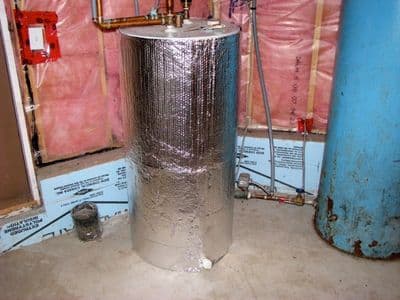
Credit: www.kortedoesitall.com
Alternative Cold Protection Strategies
Keeping tanks safe in winter is important to avoid freezing and damage. Insulation helps, but other strategies also protect tanks from cold.
Using different cold protection methods together gives better results. Below are some alternatives to insulation for keeping tanks warm.
Tank Heating Systems
Tank heating systems add warmth to prevent freezing inside tanks. These systems use electricity or hot fluids.
Common types include electric heat tracing cables and steam or hot water coils. They keep tank contents at safe temperatures.
- Electric heat tracing wraps around the tank
- Steam coils heat the tank from inside
- Hot water coils use warm water circulation
- Thermostats control temperature automatically
Indoor Tank Storage
Storing tanks indoors protects them from cold air and wind. Buildings act as a barrier to freezing conditions.
Indoor storage keeps tanks warmer and reduces the need for extra heating. It also protects tanks from snow and ice buildup.
- Use warehouses or sheds for tank storage
- Ensure good ventilation to avoid moisture buildup
- Place tanks away from cold drafts
- Maintain indoor temperature above freezing
Using Windbreaks
Windbreaks reduce wind speed near tanks. This lowers heat loss and helps keep tanks warmer.
Windbreaks can be fences, walls, or rows of trees placed around tanks. They block cold winds and protect insulation.
- Build solid fences around outdoor tanks
- Plant evergreen trees for natural wind barriers
- Use windbreaks to shield insulation material
- Place windbreaks on the side facing prevailing winds
Frequently Asked Questions
How Does Insulation Protect Tanks In Winter?
Insulation keeps tanks warm by reducing heat loss. It prevents freezing and maintains liquid flow. This saves energy and protects tank integrity during cold weather.
What Materials Are Best For Tank Insulation?
Common materials include foam, fiberglass, and mineral wool. These offer high thermal resistance and durability. Choose based on tank type, climate, and budget for optimal protection.
Can Insulation Reduce Energy Costs For Tanks?
Yes, insulation minimizes heat loss, reducing the need for extra heating. This lowers energy consumption and costs. Proper insulation pays off quickly during cold months.
How To Install Insulation On Outdoor Tanks?
Clean the tank surface before applying insulation. Use weatherproof materials and seal all gaps tightly. Follow manufacturer instructions for safe, effective installation.
Conclusion
Insulating tanks keeps liquids from freezing in cold weather. It saves energy and lowers costs. This simple step protects tanks from damage and wear. Insulation helps maintain temperature and improves efficiency. It also reduces the chance of leaks or bursts.
Choosing the right insulation material is important for best results. Regular checks ensure the insulation stays effective all winter. Keep your tanks safe and working well with proper insulation. A small effort brings big benefits during cold months.