
Are you confident that your environment is always at the right temperature? Whether you’re managing a business, storing sensitive products, or just keeping your home comfortable, temperature monitoring and management is key.
Small changes in temperature can lead to big problems—lost goods, higher costs, or even safety risks. This article will show you simple yet powerful ways to keep your temperature under control, protect what matters most, and save money in the process.
Ready to take charge of your temperature? Keep reading to discover how.
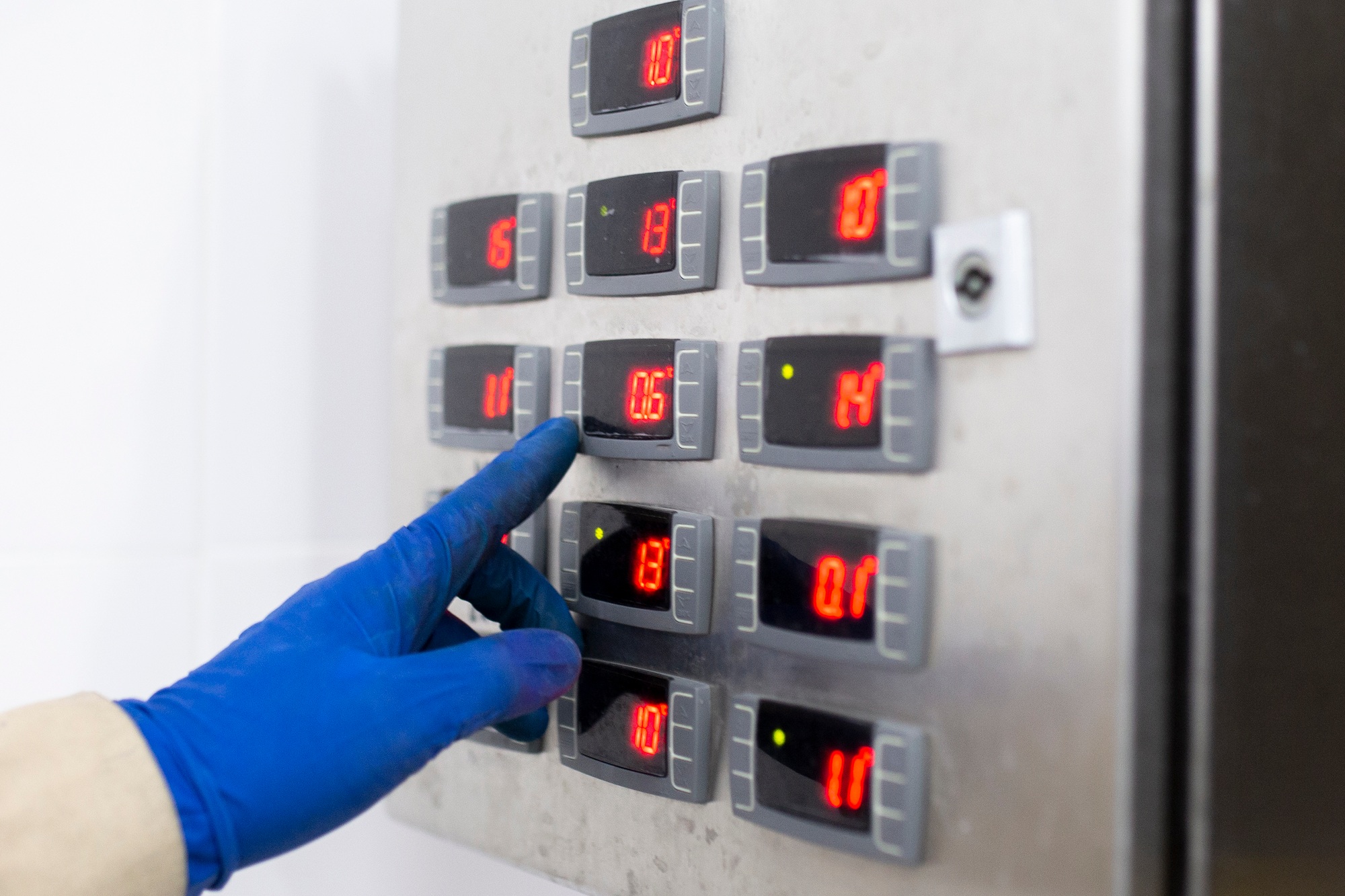
Credit: pharmuni.com
Importance Of Temperature Control
Temperature control is key for many industries. It helps keep products safe and effective.
Proper temperature management prevents damage and maintains quality during storage and transport.
Impact On Product Quality
Temperature changes can cause products to spoil or lose their value. Many items need stable conditions.
For example, food can rot, medicines can become unsafe, and electronics may fail if too hot or cold.
- Maintains freshness and taste
- Prevents chemical changes
- Protects product integrity
Regulatory Requirements
Many governments set rules for temperature control. These rules ensure public safety and product reliability.
Companies must follow these rules to avoid fines and legal problems. Records of temperature monitoring are often required.
- Compliance with health and safety laws
- Regular temperature checks and logs
- Proper equipment for monitoring
Cost Implications
Failing to control temperature can increase costs. Spoiled products cause losses and waste resources.
Investing in good monitoring systems saves money by reducing damage and improving efficiency.
- Reduces product waste
- Prevents costly recalls
- Lowers energy use with efficient control
Types Of Temperature Monitoring Systems
Temperature monitoring is important for many industries. It helps keep products safe and machines working well. Different systems can track temperature in different ways.
This guide explains three common types of temperature monitoring systems. Each has its own benefits and uses.
Manual Vs Automated Systems
Manual systems require people to check and record temperatures. Automated systems use machines to do this without help.
- Manual systems are low cost but need constant attention.
- Automated systems save time and reduce errors.
- Manual checks work well for small or simple setups.
- Automated systems fit large or complex environments better.
Wireless Sensors
Wireless sensors send temperature data without wires. They use radio signals or Wi-Fi to connect to a central system.
| Feature | Benefit |
| Easy installation | No need to run cables |
| Remote access | Check temperatures from anywhere |
| Flexible placement | Can be used in hard-to-reach places |
| Battery powered | Works without external power |
Data Loggers
Data loggers are devices that record temperature over time. They store data for later review and analysis.
Common uses of data loggers:
- Tracking temperature during transport
- Monitoring storage conditions
- Ensuring compliance with safety rules
Best Practices For Temperature Monitoring
Monitoring temperature accurately is key to maintaining safety and quality. Proper methods help avoid errors and keep systems stable.
Use reliable tools and techniques to track temperature changes. Follow clear steps to get the best results.
Regular Calibration
Calibrate sensors regularly to keep readings accurate. Calibration checks help find and fix sensor errors early.
- Set a calibration schedule based on sensor use.
- Use standard reference devices for comparison.
- Record calibration results for future checks.
- Replace or repair sensors if errors persist.
Proper Sensor Placement
Place sensors where they can best measure true temperature. Avoid areas with drafts, sunlight, or heat sources.
| Placement Area | Reason |
| Center of the monitored space | Measures average temperature |
| Away from vents and windows | Prevents false high or low readings |
| At product level | Tracks temperature where it matters most |
| Secure mounting | Keeps sensor stable and accurate |
Data Analysis Techniques
Analyze temperature data to spot trends and problems. Use tools to simplify this work.
Key analysis methods include:
- Graphing data over time to see changes.
- Setting alerts for temperatures outside limits.
- Comparing sensor data for consistency.
- Using software for automatic reports.
Challenges In Temperature Management
Temperature monitoring and management are critical in many fields. Keeping the right temperature ensures safety and quality.
There are many challenges that make temperature control difficult. These challenges can affect products, processes, and equipment.
Environmental Factors
Environmental factors can cause temperature changes that are hard to control. Weather and location play a big role.
Temperature can rise or fall due to sunlight, humidity, or wind. These changes affect storage and operations.
- Sunlight can heat outdoor equipment
- High humidity affects cooling systems
- Cold weather can freeze sensitive materials
- Airflow changes temperature distribution
Equipment Failures
Equipment used to control temperature can break or fail. This causes problems in keeping the right temperature.
Failures can happen in sensors, thermostats, or cooling units. When equipment stops working, temperature spikes or drops occur.
- Broken sensors give wrong readings
- Thermostat errors cause wrong temperature settings
- Cooling systems can stop working suddenly
- Power outages affect temperature control devices
Human Error
People managing temperature may make mistakes. Errors in monitoring or settings can lead to problems.
Wrong data entry or ignoring alarms can cause temperature issues. Training and attention are important to reduce errors.
- Incorrect temperature settings
- Failure to check or calibrate sensors
- Ignoring warning signals or alerts
- Poor record keeping of temperature data
Tips For Effective Temperature Management
Temperature management is crucial for maintaining the quality of products. Proper monitoring can prevent spoilage and energy waste.
Follow these tips to ensure your temperature systems work efficiently and safely.
Setting Threshold Alerts
Threshold alerts notify you of temperature changes. Set them to catch issues early.
Alerts can be customized for different needs. Choose the right settings for each area.
- Set alerts for minimum and maximum temperature
- Use visual and audible alarms
- Adjust alerts for seasonal changes
Routine Maintenance
Regular maintenance keeps temperature systems running smoothly. Check equipment often to avoid breakdowns.
Document all checks and fixes. This helps track performance over time.
- Inspect sensors and replace if needed
- Calibrate equipment regularly
- Clean cooling systems to prevent dust buildup
Training And Awareness
Staff must understand temperature management. Training ensures everyone knows their role in maintaining systems.
Regular updates on procedures keep staff informed about any changes.
- Conduct regular training sessions
- Provide easy-to-read manuals
- Encourage staff to report issues promptly
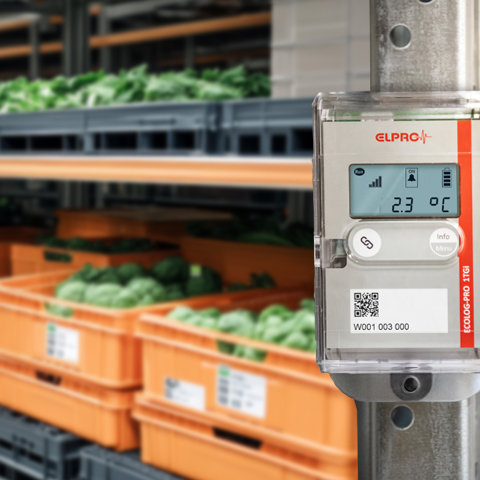
Credit: www.elpro.com
Technology Trends In Temperature Monitoring
Temperature monitoring is essential in many industries. New technology helps track and control temperatures accurately.
These advances improve safety, efficiency, and reduce waste in daily operations.
Iot Integration
IoT devices connect temperature sensors to the internet. This allows real-time data collection and remote monitoring.
- Wireless sensors send data continuously
- Alerts notify users of abnormal temperatures
- Devices work together for better coverage
- Easy to install and scale across sites
Cloud-based Solutions
Cloud platforms store temperature data safely. Users access data anytime and from any device.
| Feature | Benefit |
| Data Storage | Secure and scalable |
| Access | Remote and on-demand |
| Reporting | Customizable and automated |
| Integration | Works with other systems |
Ai And Predictive Analytics
Artificial intelligence analyzes temperature trends. It predicts issues before they happen.
AI tools use machine learning for:
- Detecting early warning signs
- Optimizing temperature controls
- Reducing energy consumption
- Improving maintenance schedules
Credit: store.itdfoodsafety.com
Frequently Asked Questions
What Is Temperature Monitoring In Management?
Temperature monitoring tracks and records temperature changes in environments or systems. It ensures safety, quality, and compliance in various industries.
Why Is Temperature Management Important?
Temperature management prevents equipment damage, product spoilage, and safety hazards. It maintains optimal conditions for processes and materials.
How Do Temperature Sensors Work In Monitoring?
Temperature sensors detect heat levels and convert them into readable data. This data helps control systems maintain desired temperature ranges.
What Industries Benefit From Temperature Monitoring?
Food, healthcare, manufacturing, and logistics industries rely on temperature monitoring. It ensures product quality, safety, and regulatory compliance.
Conclusion
Effective temperature monitoring keeps systems safe and efficient. It helps prevent damage and saves money. Using simple tools can make a big difference. Stay aware of temperature changes every day. This practice supports longer equipment life and better results. Small efforts lead to big improvements.
Keep tracking, stay alert, and act fast. Your work and products will benefit greatly. Temperature management is key to success in many fields. Remember, steady control means steady performance.