
Setting up an aquarium with mixed species can be exciting, but it also brings unique challenges. You want your fish to thrive together, not just survive.
Getting the right balance in your tank means understanding the needs of different species and creating a harmonious environment. Imagine watching vibrant fish swim peacefully, each one adding its own splash of color and life to your aquarium. If you want to make this vision a reality, keep reading—you’ll discover simple yet powerful tips to build a beautiful, healthy mixed species tank that you and your fish will love.
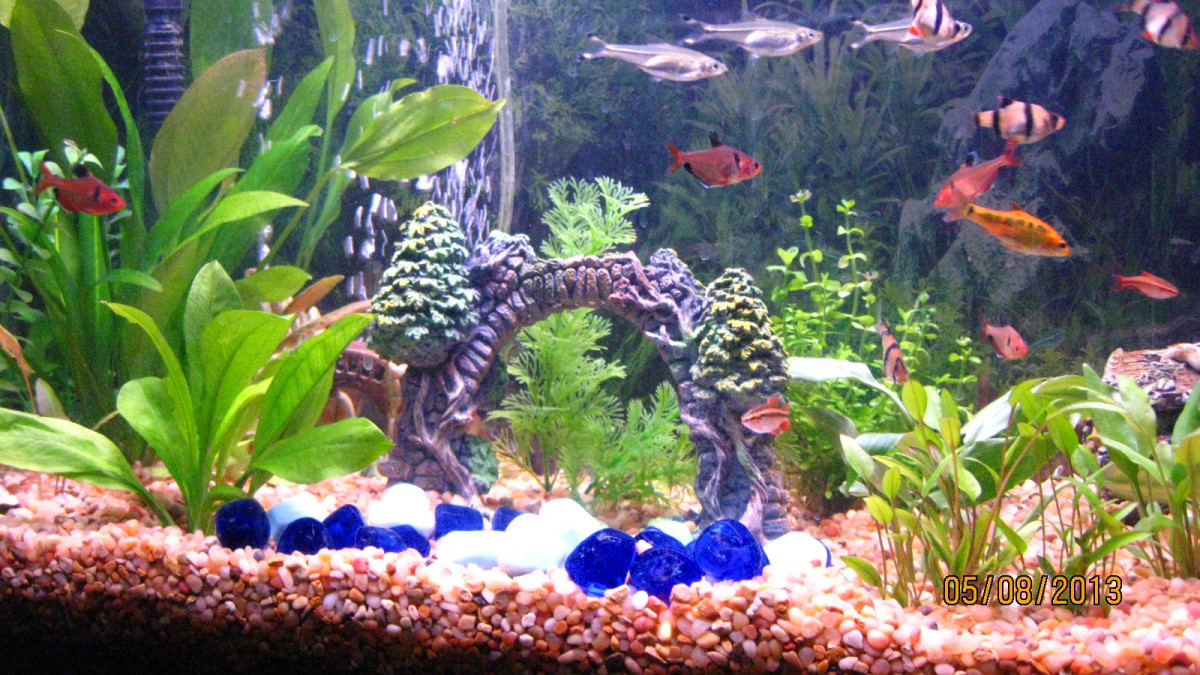
Credit: pethelpful.com
Choosing Compatible Species
Setting up a mixed species aquarium requires careful planning. Choosing species that can live together peacefully is very important.
Fish must share similar needs and behaviors to avoid stress and aggression in the tank.
Temperament Matching
Temperament means how peaceful or aggressive a fish is. Match fish with similar temperaments for a calm tank.
Aggressive fish may hurt peaceful ones. Avoid mixing very active fish with slow swimmers.
- Peaceful species: Tetras, Corydoras, Guppies
- Semi-aggressive: Gouramis, Mollies
- Aggressive: Cichlids, Tiger Barbs
Size And Growth Considerations
Check the adult size of fish before adding them. Large fish may eat or bully smaller ones.
Also, some fish grow fast and need more space. Plan your tank size to avoid overcrowding.
- Small fish: Neon Tetras, Cherry Shrimp
- Medium fish: Angelfish, Rainbowfish
- Large fish: Oscars, Silver Dollars
Water Parameter Preferences
Fish need specific water conditions like temperature, pH, and hardness. Choose species with similar needs.
Mixing species with different water needs can cause stress and illness.
| Parameter | Range for Most Tropical Fish |
|---|---|
| Temperature | 74°F to 80°F (23°C to 27°C) |
| pH | 6.5 to 7.5 |
| Hardness | Soft to medium (3-12 dGH) |
Tank Size And Layout
Setting up a mixed species aquarium needs careful planning. Tank size and layout affect fish health and behavior.
A well-planned layout helps keep peace among different species. It also makes the tank look natural and healthy.
Space Requirements
Each fish species needs enough space to swim and grow. Overcrowding causes stress and fights.
Choose a tank size that fits the biggest fish and the total number of fish. Bigger tanks are easier to maintain.
- Small fish need at least 1 gallon each
- Medium fish need 3 to 5 gallons each
- Large fish need 10 or more gallons each
Creating Territories
Many fish defend their own space. Dividing the tank into areas helps reduce fights.
Use decorations and plants to mark territories. This gives shy fish places to hide.
- Use rocks and wood to create barriers
- Add tall plants for vertical space
- Place open swimming areas for active fish
Aquascaping For Balance
Aquascaping means arranging plants, rocks, and decorations in the tank. It creates a healthy environment.
Balance open spaces and hiding spots. This helps all fish feel safe and active.
- Use live plants for oxygen and shelter
- Place hiding spots near the bottom and middle
- Keep some open water for swimming
Water Quality And Filtration
Setting up a mixed species aquarium needs good water quality. Clean water keeps fish healthy and active.
Filtration removes waste and harmful chemicals. Proper care makes your tank a safe home.
Maintaining Stable Conditions
Stable water means steady temperature, pH, and hardness. Sudden changes stress fish and cause illness.
- Keep temperature steady using heaters or chillers
- Test pH weekly and adjust if needed
- Use water conditioners to remove chlorine and chloramine
- Do partial water changes regularly to refresh tank water
Filtration Systems
Choose filters that fit your tank size and fish types. Filters clean physical debris and harmful substances.
| Filter Type | Purpose | Best For |
| Mechanical | Removes solid waste | All tanks |
| Biological | Breaks down ammonia | Mixed species tanks |
| Chemical | Removes toxins and odors | Tanks with sensitive fish |
Regular Testing And Maintenance
Keep testing water for ammonia, nitrites, and nitrates. Clean filters and replace media as needed.
- Test water weekly with easy kits
- Clean or rinse filter sponges monthly
- Replace chemical filter media every 4-6 weeks
- Watch fish for signs of stress or illness
Feeding Strategies
Feeding fish in a mixed species tank needs careful planning. Different fish have different diets and habits. Proper feeding helps keep all fish healthy and active.
Balancing food types and feeding times reduces stress and fights over food. This guide explains key feeding strategies for mixed species aquariums.
Dietary Needs Of Different Species
Each species has unique dietary needs. Some eat plants, others prefer meat or both. Knowing these needs helps provide the right food.
| Species Type | Diet | Example Foods |
|---|---|---|
| Herbivores | Plant-based | Algae wafers, spinach, lettuce |
| Carnivores | Meat-based | Bloodworms, brine shrimp, pellets |
| Omnivores | Mixed diet | Flake food, vegetables, small insects |
Feeding Schedules
Feeding times vary by species and age. Younger fish need more frequent meals. Adult fish can eat once or twice a day.
- Feed small amounts to avoid leftovers.
- Observe fish eating behavior to adjust timing.
- Keep feeding times consistent daily.
- Use different feeding zones for shy fish.
Preventing Food Competition
Food competition can cause stress and injury. Some fish are aggressive eaters. Use strategies to reduce fights over food.
- Feed in multiple spots to spread out fish.
- Offer sinking and floating foods to reach all levels.
- Use feeding rings to contain food in one area.
- Separate aggressive fish during feeding if needed.
Behavior Monitoring
Watching your fish closely helps keep your mixed species tank healthy. Fish show signs when they feel stressed or unsafe.
Knowing how to spot problems early lets you act fast. This stops fights and keeps all fish happy.
Identifying Stress Signs
Stress can make fish sick or cause strange behavior. Look for these signs in your tank:
- Faded colors or dull appearance
- Hiding more than usual
- Fast or heavy breathing
- Loss of appetite
- Scratching against objects
Managing Aggression
Some fish may act aggressive to protect space or food. You can reduce fights by:
- Adding more hiding spots and plants
- Keeping similar-sized fish together
- Separating very aggressive fish if needed
- Feeding fish regularly and in multiple spots
Adjusting Tank Conditions
Tank conditions affect fish mood and health. Check these factors often:
| Condition | Ideal Range | Effect on Fish |
| Water Temperature | 74°F – 78°F (23°C – 26°C) | Comfort and activity levels |
| pH Level | 6.5 – 7.5 | Reduces stress and illness |
| Ammonia/Nitrite | 0 ppm | Prevents poisoning and damage |
| Oxygen | High | Supports breathing and energy |
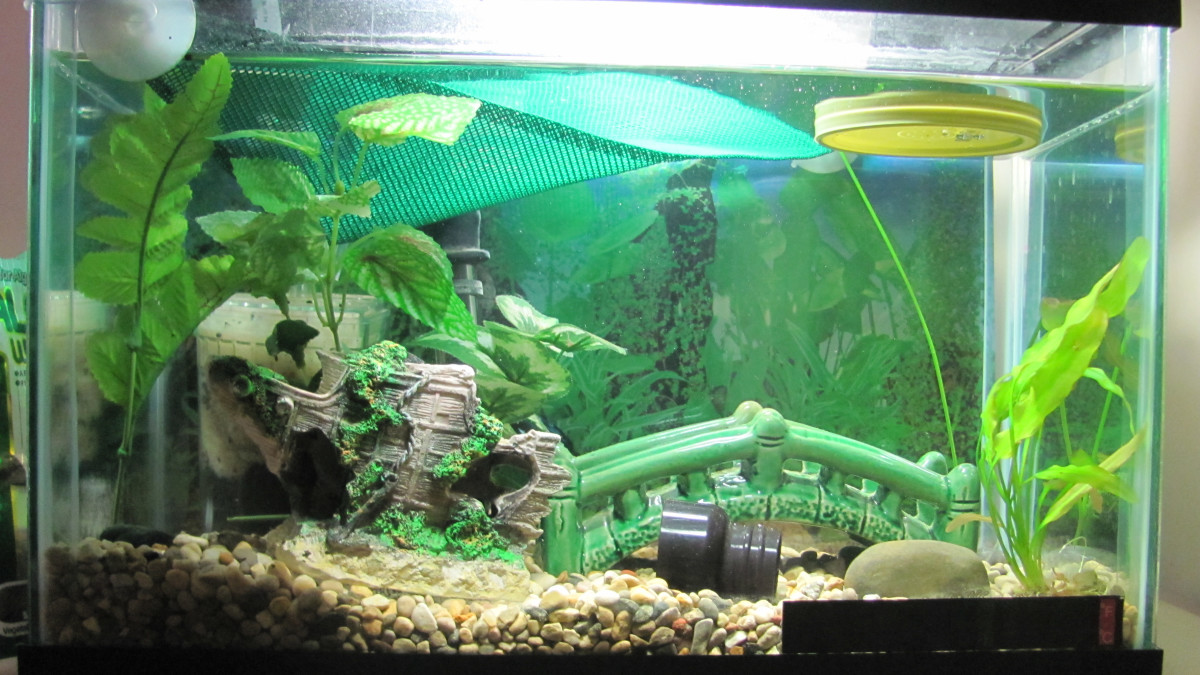
Credit: pethelpful.com
Breeding In Mixed Tanks
Setting up a mixed species tank can be fun and rewarding. Breeding fish in such tanks offers unique challenges and rewards.
Understanding species compatibility is crucial for successful breeding. Let’s explore how to manage breeding in mixed tanks.
Species With Breeding Compatibility
Some species naturally get along and can breed together. It’s important to select species that coexist peacefully.
- Guppies and Mollies
- Angelfish and Discus
- Tetras and Barbs
Protecting Fry
Fry are vulnerable in mixed tanks. Protecting them ensures they grow safely into adulthood.
Consider using a breeding boxto keep fry safe from larger fish.
Separating Breeders When Needed
Sometimes, separating breeders is necessary to prevent stress or aggression. This helps maintain a peaceful environment.
| Breeding Pair | Separation Needed? |
| Guppies | No |
| Angelfish | Yes |
| Tetras | No |
Common Challenges And Solutions
Setting up an aquarium with different species can be exciting. Yet, it has its challenges. Understanding these challenges helps create a healthy environment.
Let’s explore common issues and how to solve them. This will ensure a thriving mixed species tank.
Disease Prevention
Aquariums with various species can spread disease quickly. Keeping water clean is crucial. Regular maintenance reduces the risk of disease.
Quarantine new fish before adding them to the tank. This helps prevent introducing diseases to healthy fish.
- Change water weekly
- Check water quality regularly
- Isolate sick fish immediately
Dealing With Overcrowding
Overcrowding stresses fish and causes health problems. It limits swimming space and increases waste. More waste leads to poor water quality.
Plan tank size according to the number of fish. Research each species’ space needs. This ensures fish have enough room to thrive.
- Follow the one-inch of fish per gallon rule
- Provide hiding spots and plants
- Regularly assess fish growth
Handling Incompatible Species
Some fish do not get along with others. Aggressive fish may harm peaceful ones. Understanding compatibility is key to a harmonious tank.
Research each species’ temperament before mixing them. Choose fish with similar behaviors to reduce conflict.
- Observe fish interactions regularly
- Separate aggressive fish if needed
- Provide separate territories
Equipment And Accessories
Setting up a mixed species aquarium needs the right gear. Good equipment helps keep fish healthy and happy.
This guide covers lighting, heaters, thermometers, and decor. These tools create a safe and comfy home for fish.
Lighting Options
Lighting affects fish and plants in the tank. Choose lights that fit all species’ needs.
LED lights are common because they use less power and last long. They can show natural colors well.
- Full-spectrum lights support plant growth
- Adjust brightness for day and night cycles
- Use timers to keep lighting consistent
Heaters And Thermometers
Many tropical fish need warm water. Heaters keep the temperature steady.
Thermometers help watch tank temperature. Check often to avoid sudden changes.
- Choose heaters with adjustable settings
- Use digital or glass thermometers
- Place heater and thermometer away from filters
Decor And Hiding Spots
Decorations make the tank look nice and give fish places to hide. Hiding spots reduce stress for shy fish.
Use rocks, plants, and caves that suit all species. Avoid sharp edges that may hurt fish.
- Live plants improve water quality and oxygen
- Driftwood adds natural shelter
- Plastic or ceramic caves offer safe hiding
- Arrange decor to allow swimming space

Credit: seatechaquariums.com
Frequently Asked Questions
What Fish Species Are Best For Mixed Tanks?
Choosing compatible species is key. Opt for peaceful fish with similar water needs. Avoid aggressive or territorial species to maintain harmony.
How To Maintain Water Quality In Mixed Species Tanks?
Regular water changes and testing are essential. Use a good filtration system. Monitor pH, ammonia, nitrite, and nitrate levels frequently for stability.
Can Different Fish Diets Coexist In One Tank?
Yes, but provide varied food types. Feed flakes, pellets, and live or frozen foods. Ensure all species get proper nutrition without competition.
How To Prevent Aggression In Mixed Species Aquariums?
Provide ample hiding spaces and plants. Avoid overcrowding the tank. Introduce fish gradually and observe their behavior to manage conflicts early.
Conclusion
Creating a mixed species aquarium takes care and thought. Choose fish that live well together. Provide enough space and hiding spots for each fish. Keep water clean and test it often. Watch your fish daily for signs of stress. Enjoy the beauty and life your tank brings.
A well-planned setup makes fish happy and healthy. Patience and care lead to a peaceful tank. Your efforts will show in a lively aquarium.