
If you’re caring for tiny, fragile fry in your tanks, you know how important clean, safe water is. But finding the right filter that won’t harm your delicate little fish can be tricky.
That’s where sponge filters come in. They provide gentle, effective filtration that keeps your fry healthy and your tank water clear. You’ll discover why sponge filters are a must-have for your fry tanks and how they can make your fish-keeping experience easier and more rewarding.
Keep reading to learn how to give your fry the best start possible.
Credit: www.ebay.ca
Benefits Of Sponge Filters
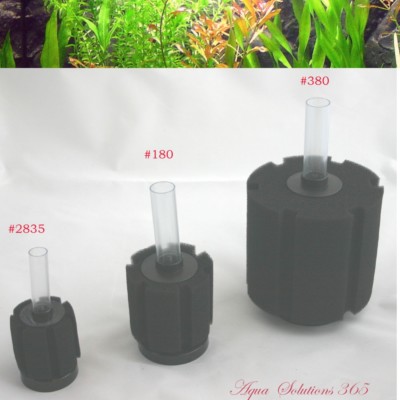
Sponge filters are popular for fry tanks in aquariums. They help keep the water clean and safe for young fish.
These filters work gently and cost less than many other filter types. They are easy to use and maintain.
Improved Water Quality
Sponge filters remove dirt and waste from the water. They provide good surface area for beneficial bacteria.
These bacteria help break down harmful chemicals in the water. This keeps the environment healthy for fry.
Gentle Filtration For Fry
Sponge filters create gentle water flow that does not harm small fry. They do not suck in tiny fish or eggs.
This gentle filtration helps fry grow safely. It keeps water clean without stressing the young fish.
Cost-effectiveness
Sponge filters are affordable and last a long time. They need little electricity and low maintenance.
- Low initial cost
- Cheap to run
- Simple to clean and reuse

Credit: www.amazon.ca
Types Of Sponge Filters
Sponge filters are essential for fry tanks. They provide gentle filtration and are safe for young fish. There are different types of sponge filters to consider.
Each type of sponge filter has unique features. Let’s explore the common ones used in fry tanks.
Air-driven Sponge Filters
Air-driven sponge filters use an air pump. The air pump moves water through the sponge. This filter is simple and effective.
They are gentle and safe for fry. They also provide biological filtration.
- Easy to set up
- Low cost
- Quiet operation
Power Sponge Filters
Power sponge filters are connected to a powerhead. The powerhead increases water flow through the sponge. This type is more powerful than air-driven filters.
They provide mechanical and biological filtration. These filters work well in larger fry tanks.
- Strong water flow
- Efficient filtration
- Suitable for bigger tanks
Corner And Hang-on Filters
Corner and hang-on filters are versatile. They can fit in various tank sizes. These filters have a sponge and hang on the tank’s side.
They are easy to install and maintain. They offer mechanical and biological filtration for fry tanks.
- Space-saving design
- Easy to clean
- Good for small to medium tanks
Choosing The Right Sponge Filter
Sponge filters are great for fry tanks. They clean water gently and keep fry safe.
Picking the right sponge filter helps your fry grow healthy. Consider tank size, flow rate, and materials.
Tank Size Considerations
Choose a sponge filter that fits your tank size. Small tanks need smaller filters to avoid strong currents.
Large tanks require bigger or multiple sponge filters for proper filtration and water flow.
- Small tanks: use compact sponge filters
- Medium tanks: use medium-sized filters or two small ones
- Large tanks: use large filters or several smaller units
Flow Rate And Oxygenation
Check the flow rate of your sponge filter. Too strong flow can harm fry, so choose gentle flow.
Sponge filters also add oxygen to the water. Good oxygen levels keep fry healthy and active.
- Low flow for small or delicate fry
- Moderate flow for general use
- Higher flow for larger tanks with more fry
Material And Durability
Pick sponge filters made from safe, durable materials. Avoid toxic or quick-wearing sponges.
Good quality sponge filters last longer and need less cleaning, which keeps the tank stable.
- Choose non-toxic, aquarium-safe sponge material
- Look for sponges that resist tearing and clogging
- Consider ease of cleaning and replacement parts
Installation Tips
Sponge filters are great for fry tanks. They clean water gently and keep fry safe. Installing them right helps fish stay healthy.
Follow simple steps to set up sponge filters well. This guide shares easy tips for best results.
Proper Placement In Fry Tanks
Place sponge filters where water flows well. Avoid spots with low water movement. This helps filter work better.
Put filters near tank corners or sides. This keeps fry away from strong currents. It also cleans more water.
- Keep filter sponge fully submerged
- Avoid blocking tank decorations or plants
- Place away from fry hiding spots
- Ensure easy access for cleaning
Connecting Air Pumps
Use a clean air tube to link the pump to the sponge filter. The tube should be airtight to prevent leaks.
Set the air pump on a stable surface above water level. This stops water from flowing back into the pump.
- Cut air tube to proper length without kinks
- Use check valves to stop water backflow
- Turn pump on slowly to check air flow
- Keep pump away from moisture and heat
Avoiding Common Mistakes
Do not place sponge filters too close to fry. Strong bubbles can harm small fish. Keep a safe distance.
Do not block air tubes or let them kink. Blocked tubes stop air flow and reduce filter efficiency.
- Do not overclean sponges; keep some bacteria
- Do not use harsh chemicals on sponges
- Do not place filters where water is stagnant
- Do not ignore regular filter checks
Maintenance Practices
Keeping sponge filters clean is important for fry tanks. Proper care helps maintain water quality. It also keeps baby fish healthy and safe.
Regular maintenance extends the life of the sponge filter. It also improves its efficiency in filtering waste and debris.
Cleaning Frequency
Cleaning sponge filters often depends on tank size and fish load. A busy fry tank needs cleaning more often. Usually, cleaning every 2 to 4 weeks is best.
- Check the sponge weekly for dirt buildup.
- Clean the sponge when water flow slows down.
- Avoid cleaning too often to keep beneficial bacteria.
- Observe fry behavior for signs of poor water quality.
Safe Cleaning Methods
Use safe methods to clean sponge filters. Avoid harsh chemicals that harm fry and bacteria. Clean with tank water to keep good bacteria alive.
| Cleaning Step | Instructions |
| Remove Sponge | Take sponge out gently to avoid damage. |
| Rinse Sponge | Swish sponge in a bucket of tank water. |
| Do Not Use | Tap water, soap, or bleach. |
| Reinstall | Place sponge back carefully after cleaning. |
Replacing Sponge Media
Replace sponge media when it breaks down or loses shape. Worn sponges reduce filtration and water quality. Usually, replace every 6 to 12 months.
- Turn off the filter and remove sponge.
- Prepare a new sponge of the same size.
- Rinse the new sponge with tank water before use.
- Install the new sponge in the filter unit.
- Restart the filter and check for proper flow.
Common Issues And Solutions
Sponge filters are great for fry tanks. They keep water clean and safe for small fish. But sometimes, they have problems.
Here, we look at common issues and how to solve them. This will help your fry stay healthy.
Clogging Problems
Sponge filters can get clogged with debris. This stops water flow and reduces filtration.
- Rinse the sponge weekly in old tank water.
- Avoid washing with tap water to keep good bacteria.
- Check for plant leaves or food stuck in the filter.
Insufficient Filtration
Sometimes, the filter does not clean the tank well. This can be due to a small filter size or slow water flow.
| Problem | Solution |
| Small filter | Upgrade to a larger filter |
| Slow flow | Check and clean the air pump |
| Dirty sponge | Rinse sponge more frequently |
Air Pump Noise
Air pumps can get noisy and cause a disturbance. This noise might annoy both you and your fish.
To reduce noise:
- Place the pump on a soft surface.
- Ensure all connections are tight.
- Use a noise dampening pad.
Enhancing Filter Performance
Sponge filters are great for fry tanks. They clean water gently for small fish.
Improving filter performance keeps water clear and healthy. This helps fry grow strong.
Using Pre-filters
Pre-filters stop large debris from reaching the sponge. This keeps the sponge cleaner longer.
Use a fine mesh or foam as a pre-filter. It helps prevent clogging and extends filter life.
- Reduces cleaning frequency
- Protects sponge from big particles
- Improves water flow through the filter
Supplementing With Biological Media
Adding biological media boosts beneficial bacteria growth. These bacteria break down harmful waste.
Use ceramic rings or bio-balls near the sponge filter. They provide more surface area for bacteria.
- Enhances nitrogen cycle
- Improves water quality
- Supports healthy fish environment
Optimizing Air Flow
Good air flow increases filter efficiency. It moves water through the sponge faster.
Adjust the air pump to balance bubbles and water movement. Avoid too strong or too weak flow.
- Check air stone for blockages
- Use adjustable valves for control
- Ensure steady and gentle water circulation
Credit: www.walmart.com
Frequently Asked Questions
What Are Sponge Filters For Fry Tanks?
Sponge filters provide gentle filtration ideal for fry tanks. They remove debris and harmful substances without harming tiny fish. These filters support beneficial bacteria growth, ensuring a healthy environment for fry development and survival.
How Do Sponge Filters Benefit Fry Tanks?
Sponge filters offer gentle water flow, preventing fry from being sucked in. They promote biological filtration, maintaining water quality. Their porous surface encourages beneficial bacteria growth, helping break down waste and toxins, essential for fry health and tank cleanliness.
Can Sponge Filters Support Fry Tank Water Quality?
Yes, sponge filters maintain excellent water quality by filtering out debris and harmful chemicals. They encourage beneficial bacteria that break down ammonia and nitrites. This keeps the water safe and stable, promoting healthy fry growth and reducing the risk of disease.
How Often Should Sponge Filters Be Cleaned In Fry Tanks?
Clean sponge filters every 2 to 4 weeks to maintain efficiency. Rinse them gently in tank water to preserve beneficial bacteria. Avoid harsh cleaning to prevent disrupting biological filtration critical for fry tank health.
Conclusion
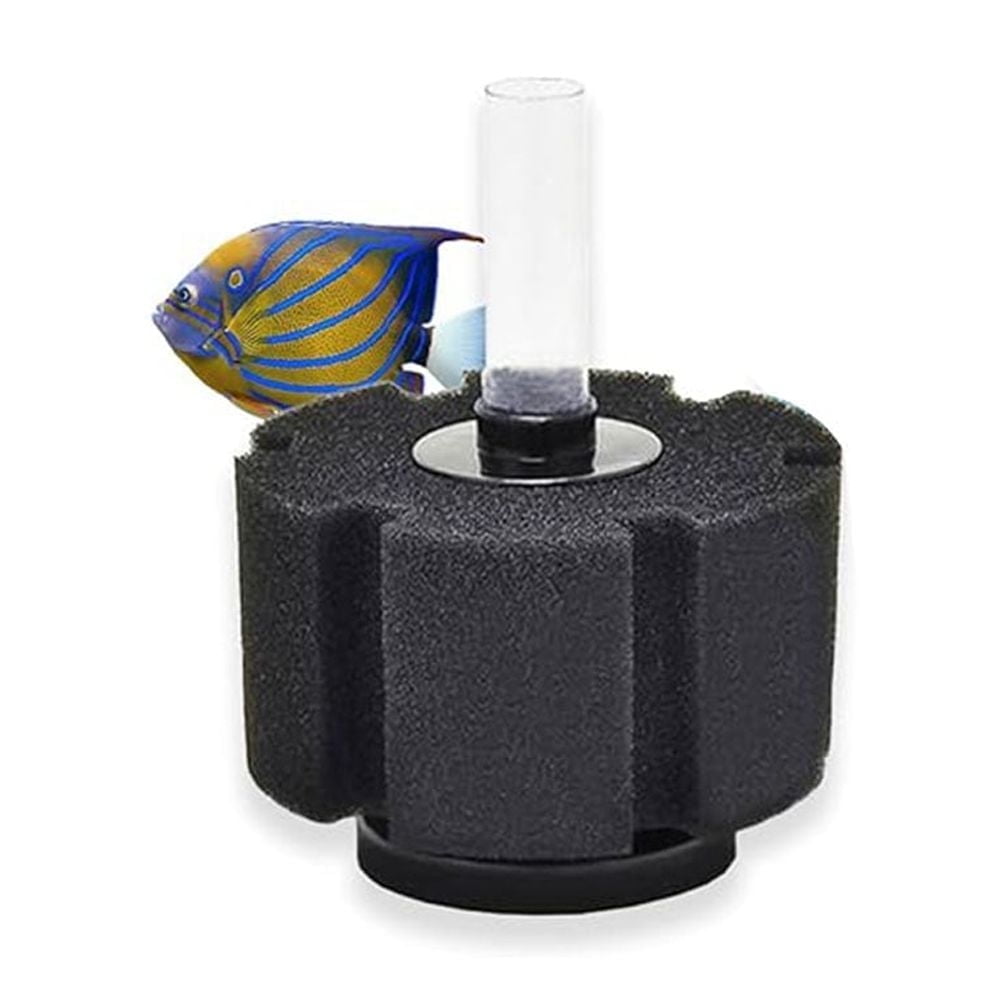
Sponge filters keep fry tanks clean and safe. They gently remove waste without harming tiny fish. These filters use air to push water through sponges. This helps good bacteria grow and keeps water healthy. They are easy to use and need little care.
Choosing the right sponge filter helps fry grow strong. Clear water means happy, healthy fish. Simple, effective, and gentle—sponge filters suit every fry tank well.