
As the seasons change, your home’s heating system faces new challenges. You might notice uneven warmth, strange noises, or rising energy bills.
These common heating issues can make your living space uncomfortable and your wallet lighter. But don’t worry—understanding these problems and knowing how to fix them can save you time, money, and stress. Keep reading to discover simple solutions that will keep your home cozy no matter the season.
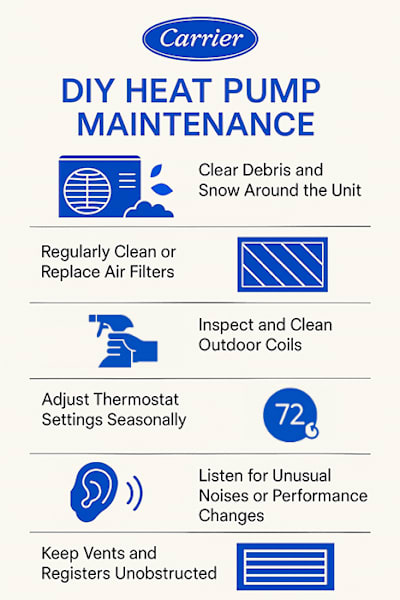
Credit: www.carrier.com
Common Heating Problems
Heating systems often face issues during cold seasons. These problems can make your home uncomfortable. Understanding common heating problems helps you find quick solutions.
This guide covers four typical heating problems. Learn what causes them and how to fix each one.
Uneven Room Temperatures
Some rooms may feel colder or warmer than others. This happens due to poor airflow or insulation. Blocked vents and old ductwork also cause uneven heat.
To fix uneven temperatures:
- Check and clean air vents.
- Seal gaps around doors and windows.
- Use fans to circulate warm air.
- Insulate walls and ceilings properly.
Heating System Noises
Unusual sounds come from your heater when parts are loose or worn out. Common noises include banging, squealing, or rattling. These sounds warn about mechanical problems.
Regular maintenance can reduce noises. Tighten loose parts and lubricate moving components. Replace belts or motors if needed.
Frequent System Breakdowns
Heating systems that break often need attention. Causes include dirty filters, faulty thermostats, or old equipment. Breakdowns cause cold rooms and discomfort.
| Problem | Cause | Solution |
| Heater won’t start | Faulty thermostat | Replace or repair thermostat |
| Heater stops suddenly | Dirty filter | Clean or replace filter |
| Uneven heating | Blocked vents | Clear vents and ducts |
High Energy Bills
Rising energy costs often link to heating system inefficiency. Old systems and poor insulation waste energy. Leaving heaters on for long periods also raises bills.
Tips to lower heating costs:
- Set your thermostat lower at night.
- Use a programmable thermostat.
- Close doors and windows tightly.
- Schedule annual system tune-ups.

Credit: en.wikipedia.org
Preventive Maintenance Tips
Seasonal heating issues can cause discomfort and increase energy bills. Proper preventive maintenance keeps your heating system running smoothly.
Simple checks and regular care help avoid costly repairs and improve warmth in your home.
Regular Filter Replacement
Changing filters often keeps air clean and heating systems efficient. Dirty filters block airflow and make your heater work harder.
Replace filters every 1 to 3 months, depending on use and filter type. This helps improve air quality and saves energy.
Checking Thermostat Settings
Check your thermostat to make sure it is set at a comfortable temperature. Wrong settings can waste energy or make your home too cold.
Use programmable thermostats to set different temperatures for day and night. This saves energy without losing comfort.
Inspecting Ductwork
Inspect your heating system’s ducts for leaks or damage. Leaky ducts cause heat loss and reduce system efficiency.
Seal any gaps with proper materials and keep ducts clean. This improves airflow and keeps your home warm.
- Look for holes or disconnected sections
- Use duct tape or mastic sealant for repairs
- Clean dust or debris inside ducts regularly
Scheduling Professional Tune-ups
Schedule a professional tune-up once a year. Experts check and clean your heating system to keep it working well.
Tune-ups catch small issues early and extend the life of your heater. This keeps your home safe and warm all season.
Diy Heating Fixes
Heating problems can make your home cold and uncomfortable. Many common issues have simple fixes you can do yourself.
These DIY tips help you save money and stay warm during the cold season.
Bleeding Radiators
Radiators may have trapped air that stops them from heating well. Bleeding releases this air and improves heat flow.
Use a radiator key to open the valve slightly until you hear a hissing sound. Close it when water starts to drip out.
- Turn off the heating system before starting
- Place a cloth under the valve to catch water
- Open the valve slowly to release air
- Close the valve tightly after bleeding
Sealing Drafts And Leaks
Cold air can enter your home through gaps in windows and doors. Sealing these drafts keeps warm air inside.
Use weatherstripping or caulk to close gaps. Check for leaks around vents and electrical outlets too.
- Inspect all window and door edges
- Apply weatherstripping to movable parts
- Use caulk for cracks and small holes
- Seal gaps around pipes and vents
Using Space Heaters Safely
Space heaters add warmth to rooms but can be dangerous if used wrong. Follow safety rules to avoid accidents.
Keep heaters away from flammable items. Never leave them on when you leave the room or sleep.
- Place heaters on flat, stable surfaces
- Keep at least three feet clear space
- Do not use extension cords with heaters
- Turn off heaters when not in use
Improving Insulation
Good insulation keeps warm air in and cold air out. Check your walls, attic, and floors for weak spots.
Add insulation materials like foam or fiberglass to boost warmth. This lowers heating costs and makes your home cozy.
- Inspect attic and wall insulation levels
- Seal gaps before adding insulation
- Use foam boards or fiberglass rolls
- Cover floors with rugs to reduce heat loss
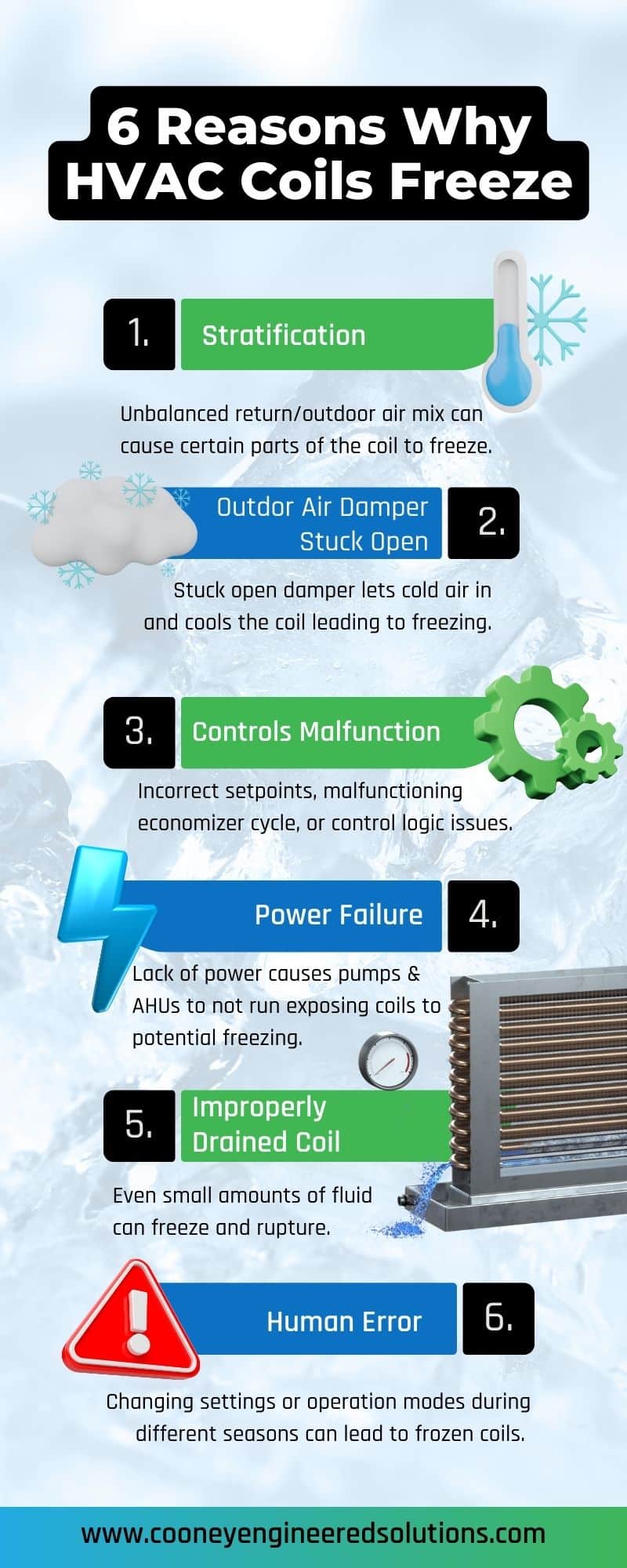
Credit: cooneyengineeredsolutions.com
Upgrading Heating Systems
Upgrading your heating system can improve comfort during cold seasons. It also helps save energy and reduce bills.
Choosing the right heating system upgrade depends on your needs and budget. This guide covers key points to consider.
Choosing Energy-efficient Models
Energy-efficient heating models use less power to warm your home. They lower energy use and cut costs over time.
- Look for ENERGY STAR certified units
- Consider condensing boilers for gas heating
- Check the Annual Fuel Utilization Efficiency (AFUE) rating
- Choose models with variable speed blowers
- Opt for units with good insulation and sealing
Smart Thermostat Benefits
Smart thermostats help control your heating system easily. They learn your schedule to save energy.
These thermostats can adjust temperatures remotely through apps. They provide reports on energy use and suggest savings.
Alternative Heating Options
Besides traditional systems, other heating options can fit your home and reduce bills.
| Heating Type | Key Features | Best Use |
| Heat Pumps | Energy efficient; cools and heats | Moderate climates |
| Radiant Floor Heating | Even heat distribution | New builds or remodels |
| Pellet Stoves | Uses renewable pellets | Supplemental heating |
| Solar Heating | Uses solar energy | Sunny areas |
Cost Considerations
Heating system upgrades vary in price. Consider installation, maintenance, and energy savings.
- Compare upfront costs of different systems
- Check local rebates and incentives
- Estimate yearly fuel or electricity costs
- Include repair and maintenance expenses
- Balance comfort with budget limits
Energy-saving Strategies
Heating homes during cold seasons can use a lot of energy. Saving energy helps lower bills and protect the environment.
Simple changes in how you heat your home can make a big difference. These tips help you stay warm while using less energy.
Setting Optimal Temperatures
Keep your thermostat at a comfortable but not too warm level. Lower temperatures save energy and reduce costs.
A good rule is to set the temperature around 68°F (20°C) when you are home. Lower it when you sleep or leave.
- Set thermostat to 68°F during the day
- Lower to 60-65°F at night or away
- Avoid overheating rooms that are not used
Utilizing Timers And Schedules
Use timers or smart thermostats to control heating times. This avoids heating an empty house all day.
Programming your heating to match your daily routine saves energy and keeps your home warm when needed.
- Set heating to turn on before you wake up
- Turn heating off or lower it when you leave
- Use weekend schedules for different routines
Maximizing Natural Heat
Sunlight can warm your home without extra energy. Open curtains on sunny days to let heat in.
Close curtains and blinds at night to keep heat inside. Use window coverings that trap warm air.
- Open south-facing windows during the day
- Close curtains at dusk to keep heat
- Use heavy drapes to reduce heat loss
Layering Clothes Indoors
Wear warm clothes inside instead of raising the heat. Layers trap body heat and keep you cozy.
Simple items like sweaters, socks, and slippers help you stay warm. This reduces the need for higher heating.
- Use sweaters or fleece indoors
- Wear warm socks and slippers
- Add scarves or hats for extra warmth
Frequently Asked Questions
What Are Common Seasonal Heating Problems?
Common seasonal heating problems include uneven heating, system breakdowns, and thermostat issues. These often result from poor maintenance or aging equipment.
How Can I Prevent Heating System Failures?
Regular maintenance, filter replacements, and timely repairs prevent heating system failures. Scheduling professional inspections before winter helps ensure efficiency and safety.
Why Does My Heater Smell Strange In Winter?
Strange heater smells often indicate dust burning off or mold growth. Regular cleaning and filter changes usually resolve this issue.
How Do I Improve Heating Efficiency During Cold Seasons?
Improving heating efficiency involves sealing drafts, insulating your home, and upgrading to energy-efficient systems. Thermostat optimization also reduces energy waste.
Conclusion
Seasonal heating issues can disrupt your comfort at home. Taking simple steps helps avoid common problems. Regular maintenance keeps your heating system working well. Check for leaks, clean filters, and monitor performance. Early action saves money and prevents bigger repairs.
Stay warm and safe through every season. A little care goes a long way.