
Setting up a fish tank can be an exciting and rewarding experience, but there’s one key factor you can’t afford to overlook: pH monitoring. If you want your fish to thrive and avoid common health problems, keeping the water’s pH balanced is essential.
In this guide, you’ll discover simple steps to set up your tank with effective pH monitoring tools. By the end, you’ll feel confident creating a healthy environment where your fish can flourish. Ready to take your fish tank to the next level?
Let’s dive in.
Credit: www.hygger-online.com
Choosing The Right Fish Tank
Setting up a fish tank needs careful thought about the tank itself. The tank affects fish health and water quality.
Choosing the right tank size, shape, and material helps maintain stable pH levels. This is important for fish safety.
Tank Size And Shape
Pick a tank size that fits your space and fish type. Bigger tanks keep water quality more stable.
Shape matters too. Some shapes hold water better and allow easier cleaning. Rectangular tanks are common and good for most fish.
- Small tanks need more frequent pH checks
- Large tanks keep pH levels steady longer
- Rectangular tanks fit well in most rooms
- Taller tanks may reduce surface area for oxygen
Material Options
Fish tanks come in glass or acrylic. Glass is heavier but scratch-resistant. Acrylic is lighter and clearer.
Both materials hold water well and do not affect pH. Choose based on your budget and how you plan to place the tank.
- Glass tanks are durable and easy to clean
- Acrylic tanks are lighter and less likely to break
- Both materials are safe for fish and water chemistry
Location Tips
Place the tank where sunlight is indirect. Too much sun can raise algae and change pH levels.
Keep the tank away from heaters or air conditioners. Sudden temperature changes can stress fish and affect water quality.
- Indirect sunlight helps prevent algae growth
- Stable room temperature keeps fish healthy
- Avoid locations near vents or windows
- Choose a sturdy, level surface for the tank
Credit: www.hygger-online.com
Essential Equipment For Setup
Setting up a fish tank requires the right tools to keep fish healthy. Monitoring pH levels is key to a balanced environment.
This guide covers the main equipment needed for your tank, focusing on filtration, lighting, and temperature control.
Filtration Systems
Filters clean the water by removing debris and harmful chemicals. They keep the tank clear and safe for fish.
- Mechanical filters trap particles and waste.
- Chemical filters remove toxins using activated carbon.
- Biological filters grow good bacteria to break down ammonia.
Lighting Choices
Proper lighting supports fish health and plant growth. It also shows the tank’s colors well.
| Type | Best Use | Notes |
| LED | Energy efficient, bright | Long-lasting, low heat |
| Fluorescent | Good for plants | Needs replacement more often |
| Incandescent | Not recommended | Produces too much heat |
Heaters And Thermometers
Heaters keep water at a steady temperature. Thermometers help you check it often.
- Select a heater that fits your tank size.
- Use a reliable thermometer with clear readings.
- Place the thermometer away from the heater for accurate results.
Importance Of Ph In Aquariums
PH is a key factor in fish tank care. It measures how acidic or basic the water is. Fish need the right PH to stay healthy and active.
Maintaining proper PH prevents stress and illness in your fish. It also helps plants and beneficial bacteria thrive in the aquarium.
Ph Levels And Fish Health
PH affects fish breathing, digestion, and reproduction. Too high or too low PH can harm their gills and skin. Stable PH keeps fish safe and calm.
Common Ph Ranges For Popular Fish
| Fish Type | Ideal PH Range |
| Goldfish | 7.0 – 7.4 |
| Betta | 6.5 – 7.5 |
| Guppy | 7.0 – 8.0 |
| Cichlid | 7.8 – 8.6 |
| Tetra | 6.0 – 7.0 |
Effects Of Ph Fluctuations
- PH swings stress fish and weaken immune systems.
- Sudden drops can cause fish to gasp for air.
- High PH may lead to skin irritation and infections.
- Fluctuations can kill beneficial bacteria in filters.
- Consistent PH helps fish live longer and grow well.
Tools For Ph Monitoring
Keeping the right pH level in a fish tank is very important. It helps fish stay healthy and happy.
There are several tools to measure pH. Each tool has its own way to check water quality.
Ph Test Kits
PH test kits are simple and easy to use. They usually include test strips or liquid reagents.
You dip a strip or add drops to a water sample. Then you compare the color change to a chart.
- Affordable and widely available
- Good for quick, occasional checks
- Colors can sometimes be hard to read
Digital Ph Meters
Digital pH meters give fast and accurate readings. They have an electronic sensor to measure pH.
You just place the sensor in the water. The meter shows the pH value on a small screen.
- More precise than test kits
- Easy to use with clear numbers
- Need regular calibration for best results
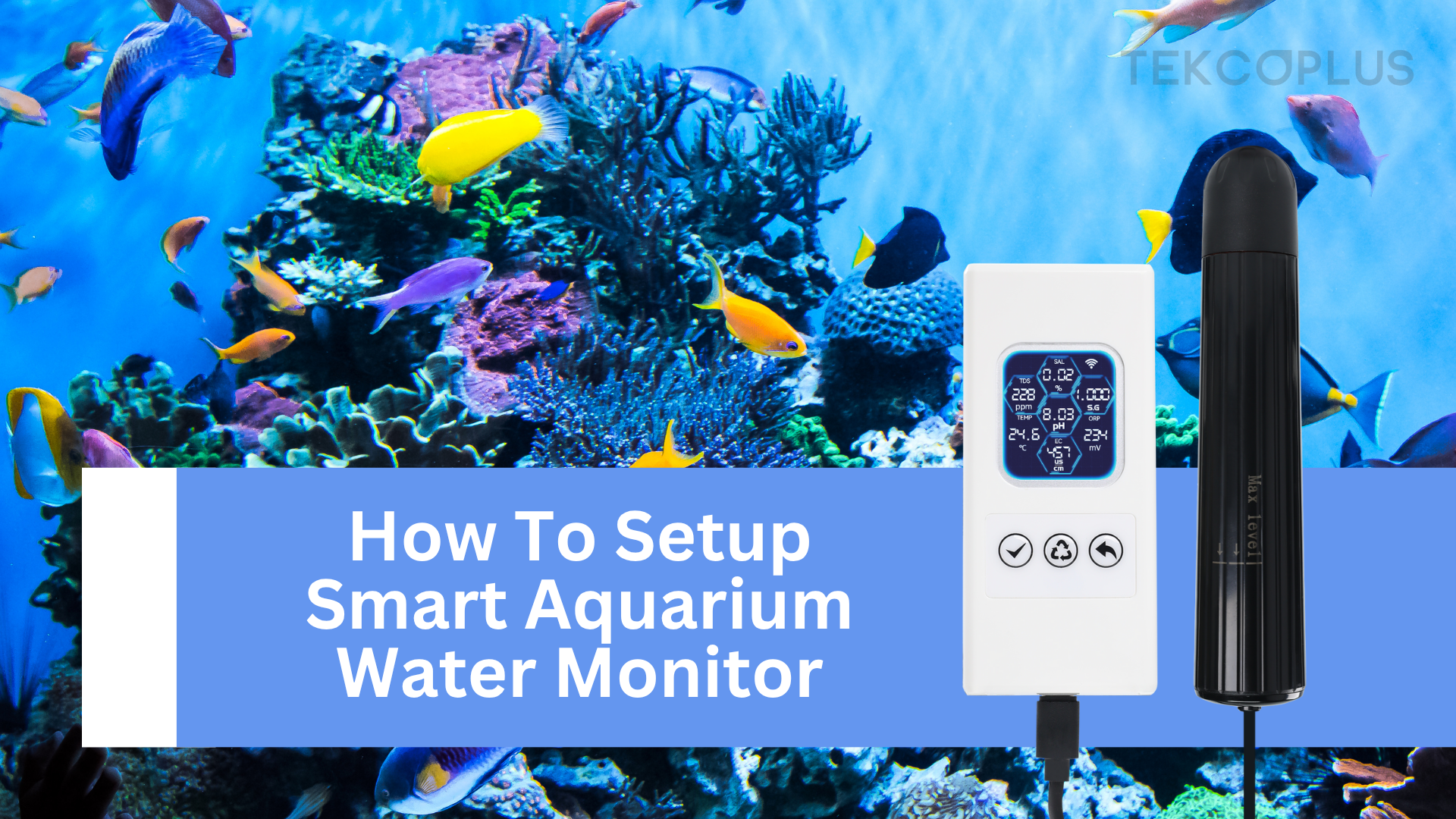
Continuous Ph Monitoring Systems
Continuous pH monitors track water quality all the time. They use sensors that stay in the tank.
These systems send real-time data to a display or smartphone. You can see pH changes right away.
- Best for large or sensitive tanks
- Alerts you if pH moves out of safe range
- Usually more expensive and complex
Setting Up Ph Monitoring In Your Tank
PH monitoring is important to keep your fish healthy. It helps you check if the water is safe for your fish.
Setting up a PH monitor is easy. You need to place sensors, calibrate them, and read the results correctly.
Placement Of Ph Sensors
Place the PH sensor where water flows well. Avoid spots with direct sunlight or near filters.
Keep the sensor submerged and away from decorations. This helps get the most accurate PH readings.
- Put the sensor in the middle of the tank
- Avoid placing near air stones or filters
- Keep it away from direct sunlight
- Make sure the sensor stays underwater
Calibration And Maintenance
Calibrate the PH sensor regularly using standard solutions. This keeps the readings accurate.
Clean the sensor gently with water. Avoid using soap or chemicals that can damage it.
- Use calibration solutions with known PH values
- Calibrate at least once a month
- Rinse the sensor with clean water before use
- Store the sensor properly when not in use
Interpreting Ph Readings
PH readings show how acidic or basic the water is. Most fish do well in a PH of 6.5 to 7.5.
Sudden changes in PH can stress fish. Watch for drops or spikes and act to fix water conditions.
- PH below 6.5 means water is acidic
- PH above 7.5 means water is basic
- Stable PH is best for fish health
- Check PH daily for best care
Maintaining Stable Ph Levels
Keeping the pH level stable is important for a healthy fish tank. Sudden changes can stress fish and harm plants. Monitoring pH helps you keep the environment safe.
Several methods help maintain stable pH. These include using buffers, doing regular water changes, and managing tank inhabitants carefully.
Using Buffers And Conditioners
Buffers and conditioners keep the pH level steady by preventing quick shifts. They add chemicals that balance the water’s acidity or alkalinity.
- Use pH buffers designed for freshwater or saltwater tanks.
- Add conditioners to remove harmful chlorine and chloramine.
- Test pH after adding any buffer or conditioner to ensure safety.
- Follow the product instructions carefully for dosing.
Regular Water Changes
Changing water regularly helps remove waste and keeps pH stable. Fresh water dilutes acids and other chemicals that affect pH.
| Change Frequency | Amount Changed | Effect on pH |
| Weekly | 10-20% | Maintains steady pH |
| Biweekly | 20-30% | Moderate stability |
| Monthly | 30-50% | Less stable pH |
Managing Tank Inhabitants
The fish and plants in your tank affect pH levels. Some produce acids or bases that change water chemistry.
- Choose species that thrive in similar pH ranges.
- Avoid overcrowding to reduce waste buildup.
- Remove dead plants and fish quickly to prevent pH drops.
- Feed fish properly to avoid excess food decay.
Troubleshooting Common Ph Issues
Maintaining the right pH in your fish tank is very important for fish health. pH levels that are too high or low can stress fish and cause illness.
This guide helps you understand common pH problems and how to fix them. You will also learn how to stop these issues from happening again.
Ph Swings And Their Causes
pH swings are sudden changes in the water’s acidity or alkalinity. These swings can harm fish and plants in your tank.
- Overfeeding fish causes leftover food to decay, changing pH.
- Uneaten plants or dead fish increase waste, leading to pH shifts.
- Adding new water with different pH affects the tank balance.
- Lack of regular water changes lets harmful chemicals build up.
- Using some decorations or rocks can raise or lower pH.
Correcting High Or Low Ph
Fixing pH problems requires careful steps. Quick changes can stress fish even more than the pH problem itself.
| Problem | Cause | Solution |
| High pH | Hard water or certain rocks | Use peat moss or driftwood to lower pH slowly |
| Low pH | Soft water or acidic additives | Add crushed coral or baking soda to raise pH safely |
| Rapid pH swings | Infrequent water changes | Change 10-20% of water weekly with tested water |
Preventing Future Problems
Keeping pH stable stops stress and disease. Use these tips to keep your tank healthy.
- Test pH weekly with a reliable kit.
- Do regular water changes to remove waste.
- Feed fish small amounts to avoid leftover food.
- Use decorations that do not affect pH.
- Acclimate new fish slowly to your tank water.
Tips For A Healthy Aquarium Environment
Setting up a fish tank requires care and attention. A balanced environment keeps fish healthy and happy.
Checking water quality and feeding your fish right helps prevent problems. Regular care is key to success.
Balancing Ph With Other Water Parameters
PH level affects fish health and tank life. Keep it steady for best results. Other water factors like hardness and temperature also matter.
| Parameter | Ideal Range | Effect on Fish |
|---|---|---|
| PH Level | 6.5 – 7.5 | Supports fish metabolism and immunity |
| Water Hardness | 5 – 12 dGH | Maintains scale and bone health |
| Temperature | 74°F – 78°F (23°C – 26°C) | Keeps fish active and healthy |
Feeding And Care Practices
Feed fish with the right amount and type of food. Too much food pollutes water. Clean the tank regularly to avoid toxins.
- Feed small portions twice a day
- Use food suited for your fish species
- Remove uneaten food after 5 minutes
- Change 20% of water weekly
- Clean filter monthly
Regular Monitoring Schedule
Check water conditions often to catch issues early. Use test kits for PH and ammonia. Keep a log to track changes.
- Test PH and ammonia twice a week
- Record results in a notebook or app
- Adjust water or feeding if values change
- Inspect fish daily for signs of stress or disease
- Clean tank and replace water as needed
Credit: www.amazon.com
Frequently Asked Questions
What Is The Ideal Ph Level For A Fish Tank?
The ideal pH for most freshwater fish tanks is between 6. 5 and 7. 5. This range supports healthy fish metabolism and stable water chemistry. Always research your specific fish species for exact pH needs to avoid stress and health issues.
How Often Should I Test My Fish Tank Ph?
Test your fish tank pH at least once a week. Frequent monitoring helps detect sudden changes that could harm fish. Use reliable pH test kits or digital meters for accurate and consistent results.
How Can I Adjust The Ph In My Fish Tank?
To lower pH, add natural substances like driftwood or peat moss. To raise pH, use crushed coral or baking soda cautiously. Always adjust pH gradually to avoid shocking your fish.
Why Is Ph Monitoring Important In Fish Tanks?
PH monitoring ensures a stable and healthy environment for fish. Sudden pH shifts can stress or kill fish. Maintaining the right pH supports beneficial bacteria and overall tank balance.
Conclusion
Setting up a fish tank with pH monitoring keeps your fish healthy. Regular checks help avoid sudden changes in water quality. Maintaining the right pH level creates a stable home for your fish. Simple tools and routine tests make this easy.
Watch your fish thrive in a clean, balanced tank. Remember, small efforts lead to big rewards in fish care. Keep learning and enjoy your aquarium hobby every day.