
Setting up a fish tank can be exciting, but it can also feel overwhelming if you’re not sure where to start. Choosing hardy fish species is a smart move if you want a beautiful aquarium that’s easier to care for.
Whether you’re new to fishkeeping or just want a low-maintenance tank, this guide will help you create the perfect environment for your resilient fish. Keep reading to discover simple steps and expert tips that make your fish tank setup a success from day one.
Your underwater world is waiting!

Credit: www.2hraquarist.com
Choosing Hardy Fish Species
Setting up a fish tank with hardy species is great for beginners. These fish are strong and adapt well to different water conditions.
Picking the right hardy fish helps create a healthy and lasting aquarium. It reduces stress for both you and the fish.
Top Beginner-friendly Fish
Some hardy fish are easy to care for and good for new fishkeepers. They tolerate changes in water and need less special care.
- Guppies – small, colorful, and active
- Platies – peaceful and hardy livebearers
- Zebra Danios – fast swimmers and tough
- Betta Fish – bright colors and simple care
- Corydoras Catfish – bottom dwellers and peaceful
Compatibility Tips
Mix fish that get along well to avoid fights and stress. Hardy fish often live peacefully with others.
Avoid keeping aggressive fish with shy or small species. Watch how fish behave after adding them to the tank.
- Keep fish of similar size together
- Avoid mixing aggressive and peaceful species
- Group fish with similar swimming levels
- Provide hiding spots to reduce stress
- Research each species’ needs before buying
Colorful Options For Your Tank
Hardy fish come in many bright and beautiful colors. Adding colorful fish makes your tank lively and fun to watch.
Choose colors that contrast well with your plants and decorations to create a pleasing look.
- Neon Tetras – small with bright blue and red stripes
- Guppies – many patterns and colors
- Platies – orange, red, yellow, and more
- Betta Fish – vivid blues, reds, and purples
- Rainbowfish – shiny and multi-colored scales
Selecting The Right Tank
Setting up a fish tank for hardy species starts with choosing the right tank. The tank needs to support the fish’s size and behavior.
A proper tank ensures fish stay healthy and active. It also makes maintenance easier for you.
Ideal Tank Sizes
The size of the tank depends on the number and size of the fish. Hardy species often need space to swim freely.
Small tanks can work for a few small fish, but bigger tanks are better for groups or larger species.
- 10 gallons for 1-3 small hardy fish
- 20-30 gallons for small groups
- 40 gallons or more for larger groups or big species
Material Choices
Tanks come in glass or acrylic. Both materials have pros and cons for fish tanks.
Glass is heavier but scratch-resistant. Acrylic is lighter and clearer but can scratch easily.
- Glass: durable, easy to clean, but heavy
- Acrylic: lightweight, good clarity, but scratches
- Choose based on tank size and location
Placement And Lighting
Place the tank on a sturdy, level surface away from direct sunlight. This helps control temperature and algae.
Use proper lighting to support fish health and plant growth. Avoid strong lights that stress fish.
- Keep the tank away from windows
- Use LED lights designed for aquariums
- Set a timer for 8-10 hours of light daily
Setting Up Filtration Systems
Setting up a good filtration system is key for a healthy fish tank. It keeps the water clean and safe for hardy fish species.
Choosing the right filter and keeping it well-maintained helps fish stay healthy and reduces tank problems.
Types Of Filters
There are several filter types to choose from. Each type works differently and suits different tank sizes.
- Mechanical Filters:Remove debris and dirt from the water.
- Biological Filters:Use beneficial bacteria to break down waste.
- Chemical Filters:Remove toxins using activated carbon or other media.
- Canister Filters:External units that offer strong filtration for bigger tanks.
- Hang-on-back Filters:Easy to install and good for small to medium tanks.
- Sponge Filters:Gentle filtration, ideal for small or breeding tanks.
Filter Maintenance
Regular filter cleaning keeps the system working well. Dirty filters can harm water quality and fish health.
Check your filter every two weeks. Rinse filter media in tank water to keep beneficial bacteria alive.
- Turn off the filter before cleaning.
- Use tank water to rinse sponges and cartridges.
- Replace chemical media like carbon monthly.
- Do not clean all filter parts at once to keep bacteria safe.
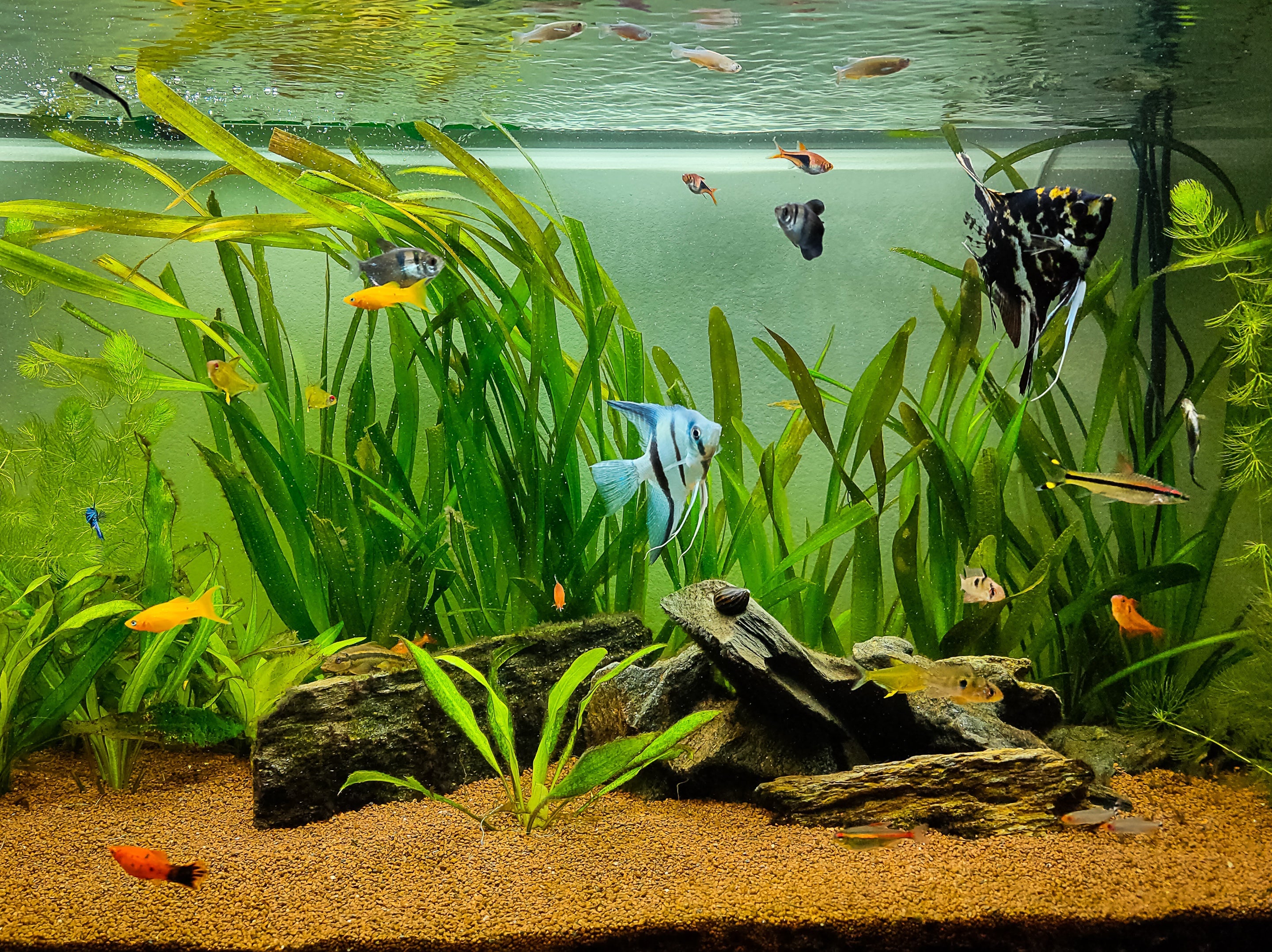
Balancing Water Flow
Water flow affects fish comfort and filter efficiency. Too strong a flow stresses hardy fish.
Adjust the flow to create gentle currents. This helps fish swim easily and keeps water clean.
- Use flow control valves on filters.
- Place filter outlets where water movement is needed.
- Use decorations to break strong currents.
- Observe fish behavior and adjust flow if fish seem stressed.
Credit: splashyfishstore.com
Water Parameters For Hardy Fish
Setting up a fish tank for hardy species means keeping water conditions stable. Good water parameters help fish stay healthy and active.
Hardy fish can live in different environments, but some water factors are important to control. These include temperature, pH, and hardness.
Temperature Ranges
Most hardy fish do well in room temperature water. The ideal range is usually between 72°F and 78°F (22°C to 26°C). Keep the water steady to avoid stress.
Use a reliable aquarium heater or cooler to keep temperatures stable. Sudden changes can harm fish health.
Ph And Hardness Levels
Hardy fish prefer neutral to slightly acidic or alkaline water. A pH between 6.5 and 7.5 works well for most species.
Water hardness affects fish comfort. Soft to moderately hard water is best. Aim for 5-15 dGH (degrees of General Hardness).
- pH: 6.5 to 7.5
- Water hardness: 5-15 dGH
- Keep pH and hardness stable
Water Testing Essentials
Regular testing keeps water safe for your fish. Use test kits to check pH, hardness, ammonia, nitrites, and nitrates.
Test water once a week, or more if you see fish acting strange. Early checks prevent problems and keep fish healthy.
- Test pH and hardness weekly
- Check ammonia, nitrites, nitrates
- Use freshwater test kits
- Record results to track changes
Decor And Substrate Options
Setting up a fish tank for hardy species can be fun and rewarding. Choosing the right decor and substrate is essential for a healthy environment.
Decorative elements and substrate help replicate natural habitats. Let’s explore some options to ensure a thriving fish tank.
Safe Plants And Ornaments
Safe plants and ornaments provide shelter and enrich the environment. They also improve water quality by offering oxygen and reducing toxins.
- Anubias: Great for beginners and low maintenance.
- Java Fern: Hardy and can survive in low light.
- Driftwood: Offers hiding spots and a natural look.
- Rocks: Create caves for fish to explore and hide.
Choosing Substrate Types
The substrate is crucial for the bottom-dwellers and plant roots. It impacts water chemistry and the overall tank aesthetic.
| Type | Best For |
| Gravel | Most fish species |
| Sand | Bottom-dwellers |
| Plant Substrate | Live plants |
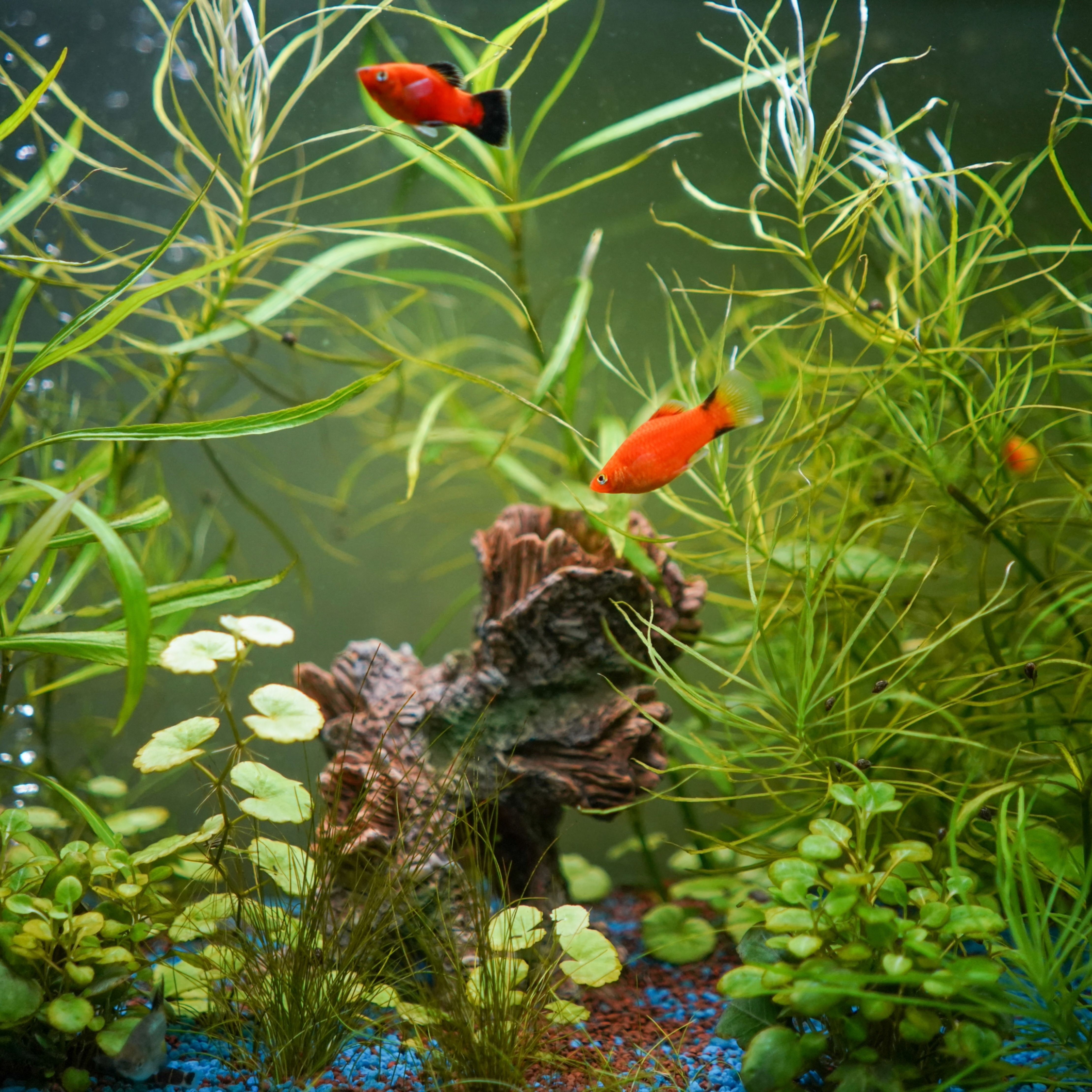
Creating Natural Hiding Spots
Fish need hiding spots to feel safe and reduce stress. These spots mimic their natural habitats and promote healthy behavior.
To create hiding spots, arrange rocks and plants thoughtfully. Ensure there are gaps and openings for fish to swim through. This encourages exploration and offers protection.
Credit: www.petsradar.com
Feeding And Nutrition
Feeding your fish tank with hardy species is key to their health. Good nutrition helps fish grow strong and stay active.
Choosing the right food and feeding at the right times keeps your fish happy. Avoiding mistakes keeps the tank clean and safe.
Best Foods For Hardy Species
Hardy fish eat many types of food. A mix of flakes, pellets, and live or frozen foods works well.
High-quality foods give fish the vitamins and minerals they need. Protein helps them build muscles and stay healthy.
- Flake food for daily nutrition
- Pellets that sink or float
- Frozen or live brine shrimp
- Bloodworms for extra protein
- Vegetable-based foods for herbivores
Feeding Schedules
Feed your fish small amounts two times each day. This keeps them healthy and prevents waste.
Young fish may need more frequent feedings. Adult fish usually do well with two meals per day.
- Morning feeding: small portion
- Evening feeding: small portion
- Skip feeding once a week to clear digestion
Avoiding Overfeeding
Overfeeding causes water pollution and health problems. Feed only what fish can eat in 2-3 minutes.
Remove leftover food after feeding time. Check fish behavior to adjust food amounts if needed.
- Feed small portions
- Watch fish eat, stop if food remains
- Clean tank regularly to prevent buildup
Routine Tank Maintenance
Maintaining a fish tank for hardy species is simple with regular care. Routine maintenance keeps fish healthy and the tank environment stable.
Follow these easy steps to ensure your fish thrive. Proper maintenance involves changing water, cleaning, and checking fish health.
Water Change Tips
Changing water regularly is vital for fish health. It removes waste and keeps water conditions stable.
- Replace 10-20% of the tank water weekly.
- Use a siphon to remove debris from the gravel.
- Ensure new water matches tank temperature.
Cleaning Techniques
Clean the tank to prevent algae growth and maintain clear water. Proper cleaning methods help your fish live longer.
- Scrub algae from tank walls with a soft sponge.
- Clean decorations and rocks with warm water.
- Avoid using soap or chemicals in the tank.
Monitoring Fish Health
Regularly check fish for signs of illness. Healthy fish are active and have clear eyes and fins.
- Observe fish daily for unusual behavior.
- Look for spots, lesions, or clamped fins.
- Consult a vet if fish show signs of disease.
Troubleshooting Common Issues
Setting up a fish tank for hardy species can be easy. Yet, some problems may arise. Knowing how to fix these helps keep your fish healthy.
This guide covers common issues like algae growth, fish stress, and diseases. Follow simple tips to solve them fast.
Dealing With Algae
Algae can make your tank look dirty. It grows fast with too much light or food. Controlling algae keeps the water clear.
Reduce algae by cutting light hours and cleaning the tank regularly. Avoid overfeeding your fish, as leftover food feeds algae.
- Limit light to 6-8 hours daily
- Clean tank walls and decorations weekly
- Remove uneaten food after feeding
- Add algae-eating fish or snails if safe
Handling Fish Stress
Fish stress lowers their immune system and can cause illness. Stress happens from sudden changes or poor tank conditions.
Keep water stable and avoid loud noises. Provide hiding spots and avoid overcrowding. Feed your fish on time with good food.
- Maintain water temperature and pH levels
- Minimize sudden changes in water
- Use plants or decorations for hiding
- Feed small amounts twice daily
Preventing Diseases
Diseases harm fish and spread fast. Good tank care helps stop illness before it starts. Watch fish daily for signs of sickness.
Quarantine new fish before adding them. Clean filters and change water regularly. Use medicine only if needed and follow instructions.
- Check fish for spots, redness, or slow movement
- Isolate new fish for two weeks
- Do weekly water changes of 10-20%
- Clean or replace filter media monthly
- Use treatments carefully and as directed
Frequently Asked Questions
What Are The Best Hardy Fish Species For Beginners?
Hardy fish like guppies, mollies, and zebra danios are ideal for beginners. They tolerate a range of water conditions and are low maintenance. These species adapt well to new tanks and require minimal care, making them perfect for anyone new to fishkeeping.
How Do I Set Up A Tank For Hardy Fish?
Start with a clean tank, add a quality filter, and fill it with dechlorinated water. Maintain stable temperature and pH suitable for hardy species. Include plants and hiding spots to reduce stress and simulate a natural environment, promoting fish health.
What Water Parameters Suit Hardy Fish Species?
Hardy fish thrive in water temperatures between 72-78°F and a pH of 6. 5-7. 5. Maintain moderate hardness and avoid sudden changes. Regular water testing and partial water changes help keep the environment stable and healthy for your fish.
How Often Should I Clean A Hardy Fish Tank?
Clean the tank every 2-4 weeks, depending on fish load and tank size. Remove uneaten food and debris to prevent ammonia spikes. Regular partial water changes, around 25%, keep water quality high and fish stress low.
Conclusion
Setting up a fish tank for hardy species takes some care and planning. Choose the right tank size and decorations to keep fish happy. Keep water clean and check temperature often to avoid stress. Use a good filter and do regular water changes.
Feeding fish well helps them stay healthy and active. Watch fish daily to spot any problems early. A simple setup can create a lively and stable home. Enjoy the beauty and calm that hardy fish bring to your space.