
If you have a high-maintenance aquarium, you know how tricky it can be to keep the water clean and your fish healthy. Choosing the right aquarium filter is one of the most important steps to make your life easier and your tank thrive.
But with so many options out there, how do you find the perfect filter that fits your tank’s unique needs? You’ll discover simple, effective ways to pick an aquarium filter that handles even the toughest tanks. Keep reading, and you’ll learn how to make your aquarium sparkle with less effort.
Credit: www.aquatop.com
Choosing Filters For High-maintenance Tanks
High-maintenance tanks have many fish or plants. They need strong filtration to keep water clean.
Choosing the right filter helps keep the tank healthy and clear. It also makes tank care easier.
Types Of Aquarium Filters
There are several filters for aquariums. Each type works in a different way to clean water.
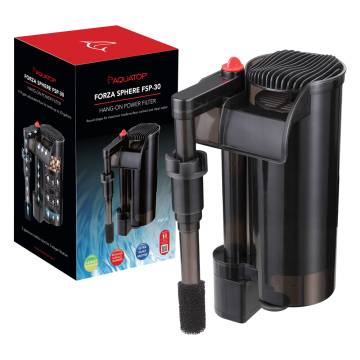
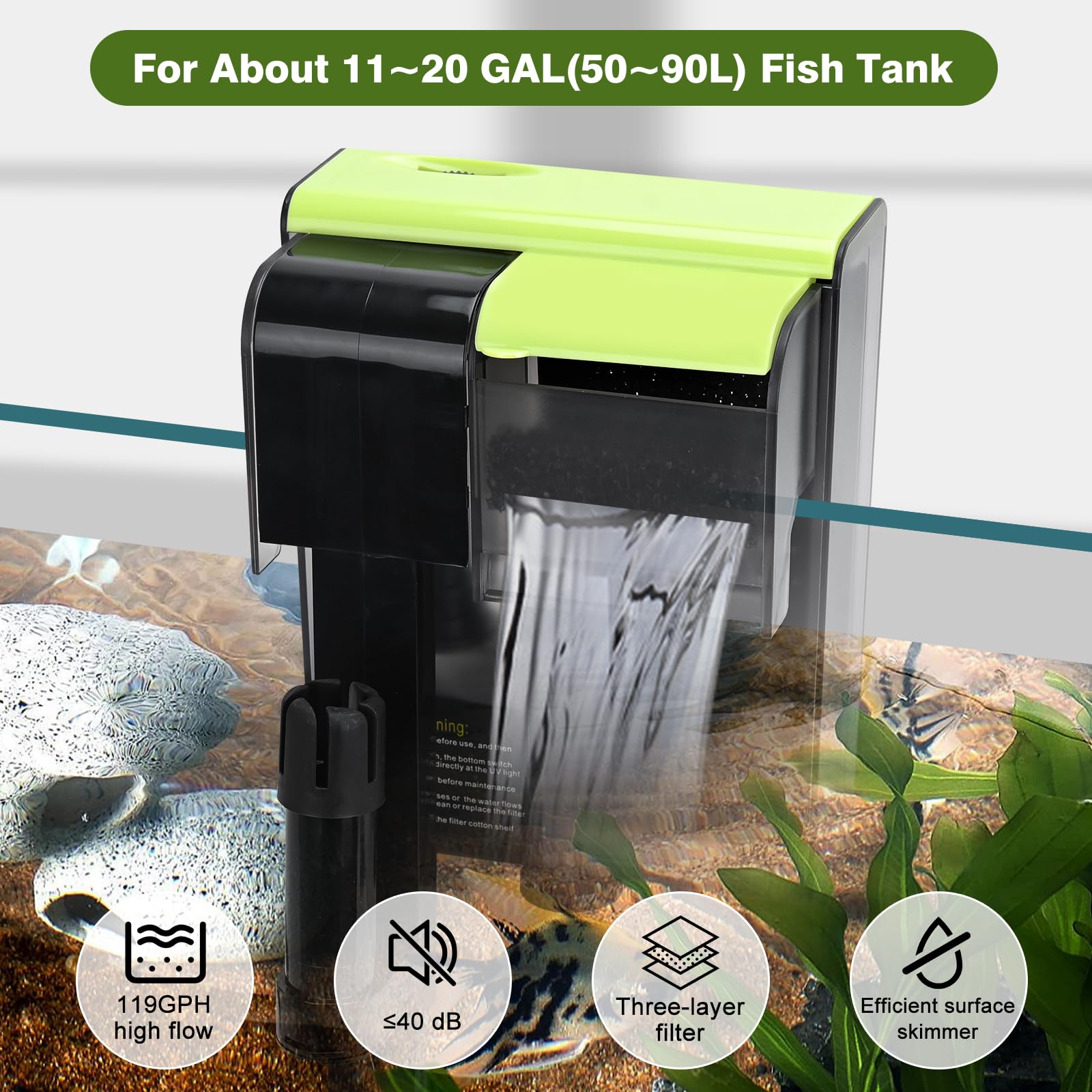
- Hang-on-back filters hang on the tank’s edge and use a pump.
- Canister filters sit outside the tank and use tubes to move water.
- Sponge filters use air bubbles to push water through sponge material.
- Undergravel filters pull water through gravel at the tank bottom.
- Internal filters sit inside and filter water with a small pump.
Factors To Consider
Think about water flow, noise, and maintenance before choosing a filter. Each tank needs different care.
Some filters need more cleaning. Others use more electricity. Choose one that fits your schedule and tank type.
- Type of fish and plants in the tank
- How often you can clean the filter
- Noise level you can tolerate
- Space available around or inside the tank
- Energy use and cost of filter parts
Filter Capacity And Tank Size
Filter capacity must match your tank size. Bigger tanks need stronger filters for good water flow.
Filters list their flow rate in gallons per hour (GPH). Pick a filter with a GPH rating at least four times your tank size.
- For 20 gallons, choose a filter with 80+ GPH
- For 50 gallons, choose a filter with 200+ GPH
- For 100 gallons, choose a filter with 400+ GPH

Credit: www.amazon.com
Mechanical Filtration Techniques
Mechanical filtration helps keep aquarium water clean by removing solid waste. It traps debris before it breaks down and pollutes the tank. This process is important for high-maintenance tanks where water quality must stay high.
Using the right mechanical filter and media improves water clarity and supports healthy fish and plants. Proper maintenance of the filter ensures it works efficiently over time.
Removing Solid Waste
Mechanical filters catch particles like uneaten food, fish waste, and plant debris. These solids can cloud water and release harmful chemicals if left to decay. Filters use physical barriers to trap this waste.
- Sponges and foam pads capture large and small particles.
- Filter floss or batting traps finer debris.
- Pre-filters protect pump parts from clogging.
- Regular cleaning prevents buildup and loss of flow.
Filter Media Options
Choosing the right filter media depends on your tank’s needs. Mechanical media focuses on trapping solids but some also support biological filtration. Media types vary in texture and durability.
| Filter Media | Description | Best Use |
| Sponge Foam | Porous, reusable, easy to clean | General mechanical filtration |
| Filter Floss | Fine fibers, disposable | Trapping fine particles |
| Ceramic Rings | Porous ceramic, supports bacteria | Mechanical + biological filtration |
| Polyester Pads | Dense, disposable | Heavy waste loads |
Maintenance Tips
Keep mechanical filters working well by cleaning them regularly. Dirty media restricts water flow and reduces filtration efficiency. Use tank water for rinsing to keep beneficial bacteria alive.
- Turn off the filter before cleaning.
- Remove and gently rinse filter media in aquarium water.
- Replace disposable media as needed.
- Check for tears or damage and replace if necessary.
- Clean the filter housing and impeller monthly.
Biological Filtration Essentials
Aquarium filters keep water clean and safe for fish. Biological filtration is key in high-maintenance tanks.
This filtration uses good bacteria to break down harmful waste. It helps maintain a balanced and healthy tank environment.
Beneficial Bacteria Role
Beneficial bacteria convert fish waste into less harmful substances. They change ammonia into nitrites, then into nitrates.
Nitrates are less toxic and plants or water changes can remove them. Without these bacteria, toxins build up quickly.
- Convert ammonia to nitrites
- Convert nitrites to nitrates
- Help keep water safe for fish
Media For Biological Filtration
Filter media provides space for bacteria to grow. It must have a large surface area and be porous.
Common media types include ceramic rings, bio balls, and sponge filters. These materials hold many bacteria colonies.
- Ceramic rings offer many tiny holes
- Bio balls have a large surface area
- Sponge filters trap debris and grow bacteria
Boosting Bacterial Growth
Stable conditions help bacteria grow faster. Keep water temperature and pH steady for best results.
Adding filter media slowly and feeding fish properly also supports bacteria. Avoid cleaning all media at once to keep bacteria alive.
- Maintain steady temperature and pH
- Feed fish regularly but not excessively
- Clean only part of the filter media at a time
- Add new media gradually
Credit: www.amazon.ca
Chemical Filtration Methods
Chemical filtration helps keep aquarium water clean and safe. It removes toxins and impurities that harm fish.
This type of filtration is important for high-maintenance tanks with sensitive fish and plants.
Activated Carbon Benefits
Activated carbon removes bad smells and colors from the water. It also traps harmful chemicals and medicines.
This keeps the water clear and healthy for your fish and plants.
Other Chemical Media
Besides activated carbon, there are other chemical media like zeolite and resin. Zeolite removes ammonia and toxins.
Resin helps remove heavy metals and nitrate from the water. Each type targets different impurities.
- Zeolite: absorbs ammonia
- Resin: removes heavy metals and nitrate
- Phosphate removers: reduce algae growth
When To Replace Media
Chemical media lose their ability over time. Replace them regularly to keep filtering strong.
Signs to replace include bad water smell, cloudy water, or poor water quality.
- Activated carbon: change every 3-4 weeks
- Zeolite: replace every 4-6 weeks
- Resin: follow manufacturer’s instructions
Cleaning And Maintaining Filters
Aquarium filters keep tanks clean by removing debris and toxins. They need regular maintenance to work effectively.
Proper cleaning ensures a healthy environment for your aquatic life. Follow these guidelines to maintain high-maintenance tanks.
Regular Cleaning Schedule
Establishing a regular cleaning schedule is crucial for keeping your filter in top shape. Regular maintenance prevents buildup and extends the filter’s life.
- Clean filter media every 2 weeks.
- Inspect the filter for wear and tear monthly.
- Replace filter cartridges as needed.
Proper Cleaning Techniques
Using the right techniques ensures your filter remains efficient. Improper cleaning can damage the filter and harm your aquatic ecosystem.
- Unplug the filter before cleaning to ensure safety.
- Rinse the filter media with aquarium water to preserve beneficial bacteria.
- Use a soft brush to clean the impeller and casing.
Avoiding Common Mistakes
Avoiding common mistakes can save you time and money. These errors can lead to poor filter performance and unhealthy tank conditions.
| Mistake | Consequence |
| Using tap water for rinsing | Kills beneficial bacteria |
| Cleaning filter too often | Disrupts biological balance |
| Skipping filter checks | Leads to unexpected failures |
Upgrading Filters For Better Performance
High-maintenance aquarium tanks need strong filtration to stay clean. Upgrading your filter can improve water quality and fish health.
Choosing the right filter upgrade helps handle more waste and keeps the tank stable. This guide shows signs for upgrading and filter options.
Signs You Need An Upgrade
If your tank water looks cloudy or smells bad, it may be time for a new filter. Slow water flow is another sign your current filter struggles.
Fish acting stressed or sick can also mean the filter does not clean well enough. Check for excess algae or debris buildup in the tank.
- Cloudy or smelly water
- Weak water flow from the filter
- Fish showing signs of stress or illness
- Excess algae or debris in the tank
Advanced Filter Options
There are several advanced filters for high-maintenance tanks. Canister filters offer strong mechanical and biological filtration. They are good for large tanks.
Sponge filters provide gentle filtration and are good for breeding tanks. Fluidized bed filters use sand to improve bacteria growth and clean better.
- Canister filters: powerful and effective for big tanks
- Sponge filters: gentle and safe for small or breeding tanks
- Fluidized bed filters: improved biological filtration with sand
- Hang-on-back filters: easy to maintain and install
Customizing Filter Setups
Combining different filter types can help meet your tank’s needs. Use mechanical filters to catch debris and biological filters for bacteria growth.
Adjust filter media depending on your tank size and fish load. Regular cleaning and media replacement keep filters working well.
- Mix mechanical and biological filter types
- Choose media for specific tank needs
- Clean filters regularly for best results
- Replace filter media as recommended
Tips For Optimal Water Quality
Keeping water clean is crucial for high-maintenance aquariums. Proper filtration ensures fish and plants thrive.
Understanding filtration types and water parameters can improve tank health. Efficient filters make maintenance easier.
Balancing Filtration Types
Filters come in three main types: mechanical, chemical, and biological. Each type serves a specific purpose.
Mechanical filters remove debris. Chemical filters eliminate toxins. Biological filters support beneficial bacteria.
- Use a combination of filters for best results
- Check filters regularly to ensure proper function
- Replace filter media as needed to maintain efficiency
Monitoring Water Parameters
Regular checks of water parameters help maintain a healthy tank. Test kits can measure important elements.
Key parameters include pH, ammonia, nitrite, and nitrate levels. These affect fish health.
- Test water weekly to catch changes early
- Adjust parameters with products designed for aquariums
- Keep a log of test results for reference
Supporting Filter Efficiency
Proper filter maintenance improves efficiency. Clean filters work better and last longer.
Rinsing or replacing filter media prevents clogs. This keeps water flowing smoothly.
- Follow manufacturer guidelines for cleaning
- Check for blockages if water flow decreases
- Consider using a pre-filter to catch large debris
Frequently Asked Questions
What Type Of Filter Is Best For High-maintenance Tanks?
Canister filters are ideal for high-maintenance tanks due to their strong mechanical, biological, and chemical filtration capabilities. They handle large volumes and maintain water clarity effectively, supporting delicate or densely stocked aquariums with stable water conditions.
How Often Should Aquarium Filters Be Cleaned In Busy Tanks?
Filters in high-maintenance tanks should be cleaned every 2 to 4 weeks to prevent clogging and maintain efficiency. Regular cleaning ensures optimal water flow and prevents harmful waste buildup, keeping the tank environment healthy for sensitive aquatic life.
Can A Single Filter Support A High-maintenance Aquarium?
A single high-quality filter can support a high-maintenance tank if properly sized. However, combining filters or using additional filtration methods often improves water quality and stability in demanding setups with fragile species or heavy bioloads.
What Features Matter Most In Filters For Complex Tanks?
Key features include multi-stage filtration, adjustable flow rates, easy maintenance, and compatibility with chemical media. These features help manage waste, maintain water parameters, and adapt to the specific needs of high-maintenance aquarium species.
Conclusion
Choosing the right aquarium filter keeps your tank clean and healthy. It helps remove dirt, waste, and harmful chemicals. Good filtration supports fish and plant life. Regular filter care prevents problems and keeps water clear. A strong filter reduces the need for frequent water changes.
This saves time and effort for busy hobbyists. Remember, each tank needs a filter that fits its size and type. Clean water means happy fish and a beautiful tank. Take time to pick a filter that works best for you.
Your high-maintenance tank will thank you.