
Are you struggling to find the perfect plants that bring balance and depth to your aquarium? Midground plants for aquascaping are the secret ingredient you need.
These plants create a smooth transition between the foreground and background, making your underwater world look natural and stunning. You’ll discover the best midground plants that fit any style and how to use them to transform your aquarium into a vibrant masterpiece.
Keep reading to unlock tips that will make your aquascape truly stand out.
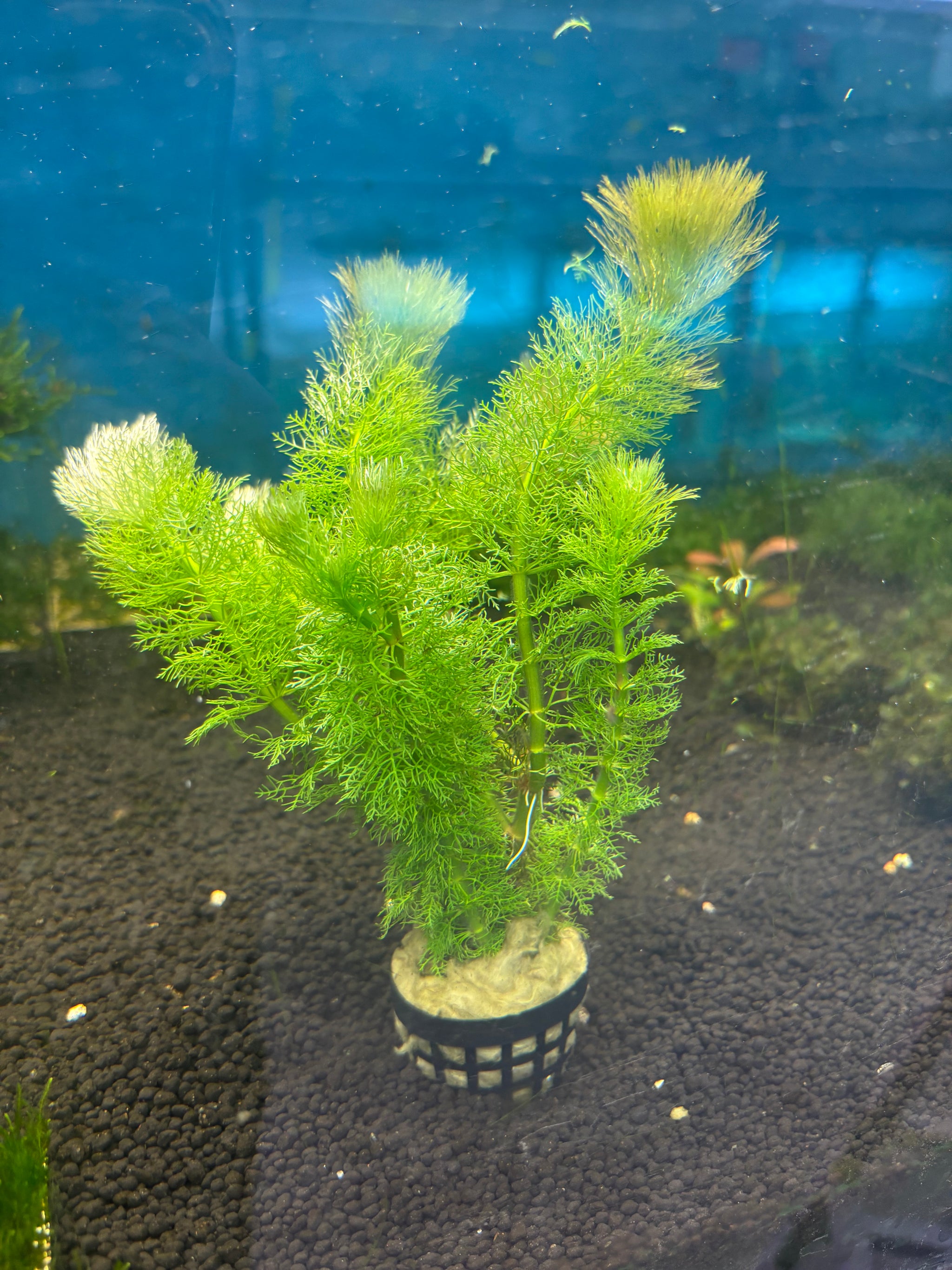
Credit: capricornaquarium.com
Role Of Midground Plants
Midground plants play an important role in aquascaping. They fill the space between the foreground and background.
These plants help create balance and make the aquarium look natural and beautiful.
Enhancing Depth And Dimension
Midground plants add layers to the aquarium design. They make the tank look deeper and more three-dimensional.
Using plants of medium height helps draw the eye through the aquarium space.
- Medium height plants create a middle layer
- They add texture and color variety
- They help separate the foreground and background visually
Balancing Foreground And Background
Midground plants connect the small plants in front with tall plants in back. They keep the layout balanced.
This balance stops the tank from looking empty or crowded on one side.
- Fill gaps between short and tall plants
- Keep the tank looking full and even
- Help fish feel safe with enough hiding spots
Creating Natural Transitions
Midground plants make smooth changes between different plant areas. This makes the tank look natural.
They help avoid sudden changes in height or color that can look harsh.
- Use plants with soft shapes for gentle transitions
- Choose colors that blend well with foreground and background
- Arrange plants to guide the eye naturally through the tank
Characteristics To Consider
Midground plants play a key role in aquascaping. They fill space between foreground and background plants. Choosing the right midground plants improves your aquarium’s look.
These plants need the right size, color, and care to fit well. Understanding their traits helps keep your aquascape healthy and balanced.
Size And Growth Rate
Midground plants are medium-sized and grow faster than foreground plants. They should not block the background or crowd the foreground.
Choose plants that fit your tank size and space. Fast growers need regular trimming to keep shape and prevent overgrowth.
- Medium height: 6 to 12 inches
- Steady growth fits midground well
- Regular trimming controls size
Color And Texture
Color adds depth and contrast to your aquascape. Green shades are common, but red and brown tones add interest.
Texture creates layers and visual appeal. Mix broad leaves with fine leaves for balance and variety.
- Use different green shades for a natural look
- Red plants create focal points
- Mix leaf shapes and sizes for texture
Light And Nutrient Needs
Midground plants need moderate light to grow well. Too much light can cause algae, while too little slows growth.
They require nutrients from water and substrate. Fertilizers help keep plants healthy and green.
- Moderate light: 2 to 4 watts per gallon
- Balanced nutrients for steady growth
- Use root tabs or liquid fertilizers
Top Midground Plant Choices
Midground plants bring depth and balance to your aquascape. They fill the space between foreground and background plants.
These plants add texture and color to create a natural look in your aquarium.
Java Fern
Java Fern is a hardy plant that grows well in low light. It has long, green leaves that add height to the midground.
Cryptocoryne
Cryptocoryne comes in many colors and shapes. It grows slowly but creates a thick carpet in the midground area.
Anubias
Anubias is a low-maintenance plant with broad leaves. It attaches easily to rocks or driftwood, making it flexible in aquascaping.
Bucephalandra
Bucephalandra offers diverse leaf colors and patterns. It grows slowly and thrives in shaded spots of the aquarium.
- Grows well on hard surfaces
- Requires low to medium light
- Prefers stable water conditions
- Adds unique texture to the midground
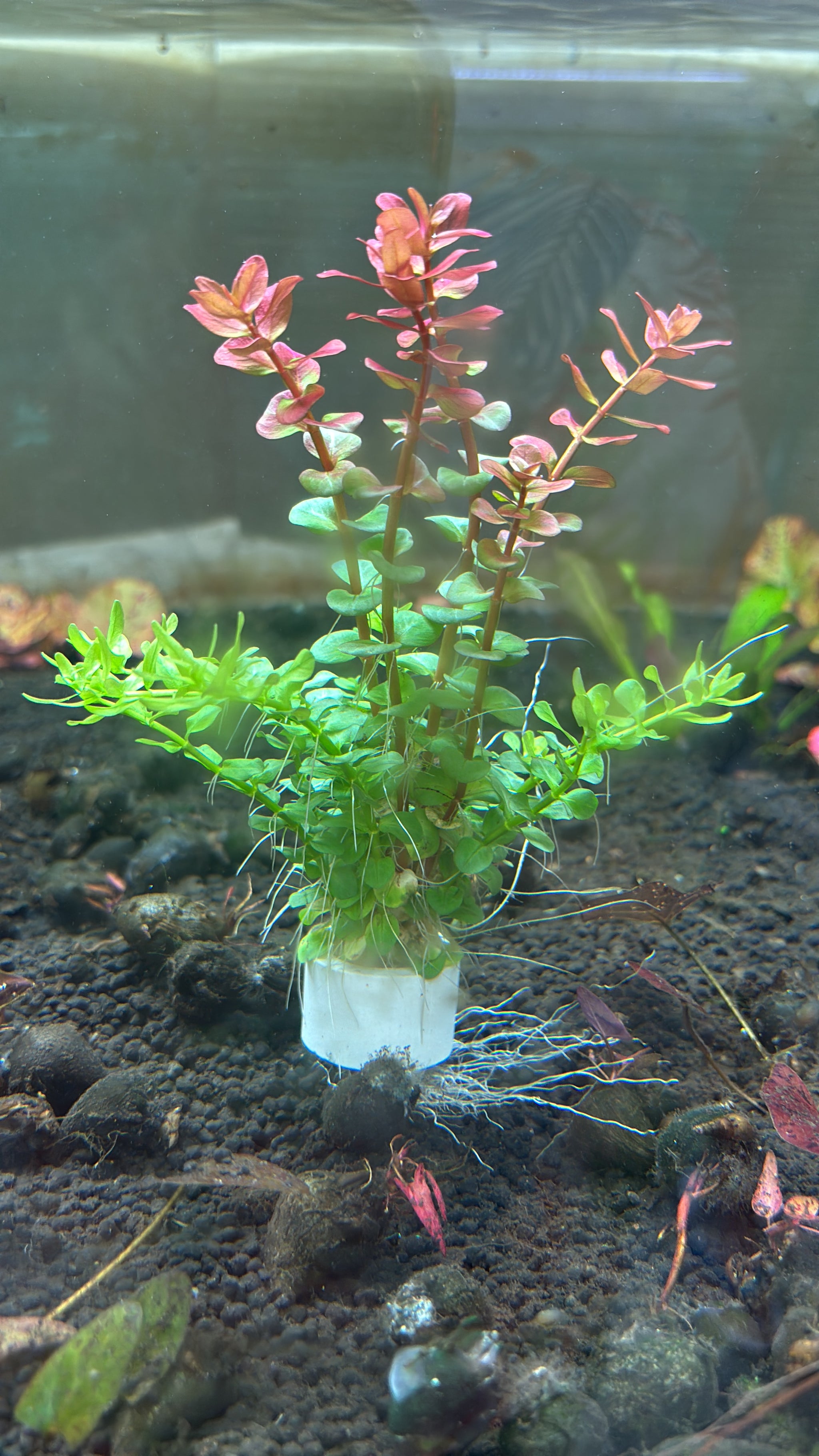
Ludwigia Repens
| Feature | Description |
|---|---|
| Color | Red to green shades |
| Growth | Fast growing |
| Light Needs | Medium to high light |
| Use | Midground or background |

Credit: aquascaperoom.ca
Placement Tips
Midground plants add depth and balance to an aquascape. Placing them correctly helps create a natural look.
Focus on how these plants connect foreground and background layers smoothly. Careful placement improves the overall design.
Layering For Visual Appeal
Place midground plants between the foreground and background plants. This layering creates a sense of depth.
- Choose plants with medium height and texture.
- Keep taller plants near the background.
- Use shorter plants close to the front.
- Arrange plants so leaves and shapes overlap softly.
Avoiding Overcrowding
Do not plant midground species too close together. Overcrowding blocks light and reduces water flow.
| Spacing Tip | Reason |
| Leave 2-3 inches between plants | Allows growth and proper light |
| Trim regularly | Prevents dense patches |
| Remove dead leaves | Keeps water clean and plants healthy |
Combining Plant Types
Mix different midground plants to add variety and interest. Use a mix of leaf shapes and colors.
Here are tips for combining plants:
- Pair fine-leaved plants with broad-leaved ones for contrast.
- Use slow-growing plants near faster growers to balance growth rates.
- Choose plants with similar light and nutrient needs.
Care And Maintenance
Midground plants are key in aquascaping. They fill space between foreground and background plants. Proper care keeps them healthy and vibrant.
Regular attention to trimming, algae control, and water quality helps these plants thrive. This guide explains how to maintain midground plants well.
Trimming And Pruning
Trim midground plants to keep their shape and size. Pruning helps new growth and stops them from crowding other plants.
Use sharp scissors to cut stems above leaves. Remove old or damaged leaves to keep the plant healthy.
- Trim weekly or biweekly to control growth
- Cut stems at a 45-degree angle
- Remove yellow or dead leaves immediately
- Thin crowded areas to improve light flow
Managing Algae
Algae can harm midground plants by blocking light and using nutrients. Keep algae under control to protect your aquascape.
Clean the tank walls and decorations regularly. Avoid overfeeding fish to reduce excess nutrients that feed algae.
- Lightly scrub plants if algae appears
- Use algae-eating fish or snails
- Keep lighting between 6 to 8 hours daily
- Do partial water changes weekly
Optimizing Water Parameters
Healthy water is vital for midground plants. Keep water clean and balanced for strong growth.
Test water regularly for pH, hardness, and nutrients. Adjust these factors to fit the needs of your plants.
| Parameter | Recommended Range |
| pH | 6.5 – 7.5 |
| Temperature | 72°F – 78°F (22°C – 26°C) |
| GH (General Hardness) | 3 – 8 dGH |
| KH (Carbonate Hardness) | 3 – 6 dKH |
| Nitrate (NO3) | Less than 20 ppm |
| Phosphate (PO4) | 0.5 – 1.5 ppm |
Credit: capricornaquarium.com
Common Challenges
Midground plants are key in aquascaping. They add depth and beauty to tanks. Yet, they face challenges that can hinder their growth and health.
Understanding these challenges helps in maintaining a thriving aquascape. Let’s explore common issues like slow growth, melting leaves, and plant diseases.
Slow Growth Solutions
Slow growth in midground plants is a frequent issue. It can be due to lack of nutrients or inadequate light. Addressing these can boost plant development.
- Ensure proper lighting suitable for plant type
- Use fertilizers to provide essential nutrients
- Maintain consistent water parameters
Dealing With Melting Leaves
Melting leaves can alarm aquarists. This condition often occurs during plant acclimation. Stress or nutrient deficiencies are common causes.
To combat melting leaves:
- Gradually introduce new plants to the tank environment
- Check for and correct nutrient imbalances
- Provide stable water conditions
Preventing Plant Diseases
Plant diseases can spread quickly in aquariums. Recognizing symptoms early helps in prevention. Regular monitoring and maintenance are crucial.
| Symptom | Possible Cause |
| Yellowing leaves | Nutrient deficiency |
| Brown spots | Fungal infection |
| Wilting | Poor water quality |
Frequently Asked Questions
What Are The Best Midground Plants For Aquascaping?
Best midground plants include Java fern, Anubias, and Cryptocoryne. They add depth and texture without overpowering foreground or background plants. These plants are easy to maintain and thrive in various water conditions.
How Do Midground Plants Enhance Aquascaping Design?
Midground plants create a natural transition between foreground and background. They add dimension and balance to the layout. Their size and shape help guide the viewer’s eye through the aquascape.
Can Midground Plants Survive Without High Lighting?
Yes, many midground plants like Java fern and Anubias thrive in low to moderate light. These plants adapt well and require minimal care, making them perfect for low-light aquariums.
How To Properly Position Midground Plants In Aquascapes?
Place midground plants behind shorter foreground plants and before taller background plants. This layering creates depth and visual interest. Ensure enough space for growth and avoid overcrowding.
Conclusion
Midground plants add depth and life to any aquascape. They create a natural look and provide hiding spots for fish. Choosing the right plants helps balance your tank’s design. Keep their size and light needs in mind. Regular care keeps them healthy and vibrant.
Experiment with different types to find what suits your style. Small changes can make a big difference in your aquarium’s appeal. Enjoy the process and watch your aquascape grow beautifully.