
Setting up a fish tank can be exciting, but choosing the right substrate is key to creating a healthy and beautiful environment for your aquatic friends. If you want your fish tank to thrive and look stunning, using a soil substrate might be exactly what you need.
It’s not just about aesthetics—soil substrate helps plants grow better, keeps water clear, and creates a natural habitat for your fish. You’ll discover simple steps to set up your fish tank with soil substrate, so you can enjoy a vibrant underwater world right at home.
Ready to transform your aquarium? Let’s dive in!
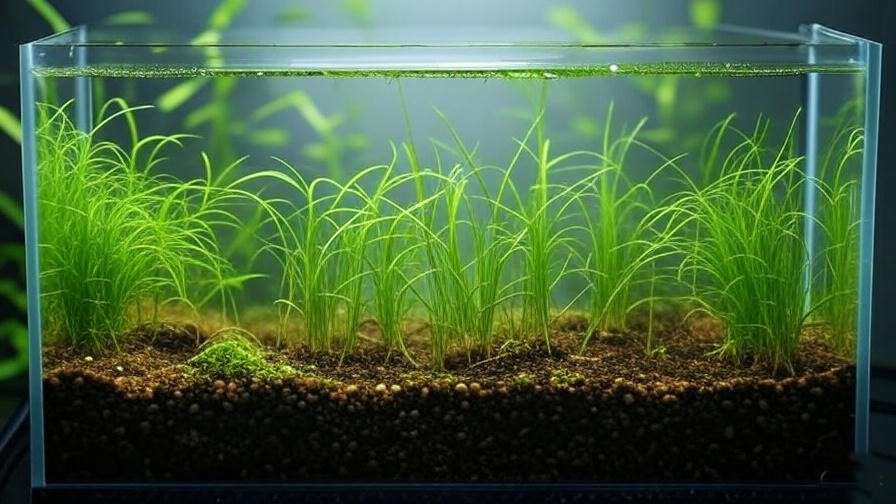
Credit: agricarehub.com
Choosing Soil Substrate
Setting up a fish tank with soil substrate helps plants grow well. The right soil keeps roots strong and water clean. Choosing the best soil substrate is key for a healthy tank.
Soil substrates come in different types. Each type offers benefits for aquatic plants. You must avoid soils that can harm fish or plants.
Types Of Soil Substrates
There are many soil substrates for fish tanks. Some are natural, and some are made for aquariums. You should pick one that fits your tank size and plants.
- Clay-based soil: Holds nutrients well and supports roots.
- Peat soil: Lowers pH and adds organic matter.
- Aquatic planting soil: Specially made for underwater plants.
- Laterite: Rich in iron, helps plant growth.
- Sand mixed with soil: Improves water flow and drainage.
Benefits For Aquatic Plants
Soil substrate gives many benefits to aquatic plants. It supplies nutrients and helps roots grow strong. Plants absorb food from soil and stay healthy.
| Benefit | Explanation |
| Nutrient Supply | Provides minerals like iron and potassium |
| Root Support | Keeps roots stable and anchored |
| Water Quality | Helps reduce harmful chemicals in water |
| Growth Stimulation | Encourages faster and healthier plant growth |
Avoiding Harmful Soils
Some soils can harm fish or plants. Avoid soils with fertilizers that release toxins. Also, stay away from soils with sharp particles that can hurt fish.
- Do not use garden soil with pesticides.
- Avoid soils with high lime content that raise pH too much.
- Check if soil is free from harmful chemicals.
- Rinse soil before adding to the tank to remove dust.
- Choose soil made for aquarium use when possible.
Preparing The Tank
Setting up a fish tank with soil substrate needs careful preparation. The right steps help plants and fish thrive.
This guide covers cleaning, placing the tank, layering soil, and adding protection.
Cleaning And Placement
Clean the tank well before use. Use water only; avoid soap or chemicals.
Choose a stable, flat surface away from direct sunlight. This helps keep the temperature steady.
Layering Soil Correctly
Place the soil substrate evenly at the bottom. Avoid piling it too thick in one spot.
- Spread a 2 to 3 inch layer of soil substrate.
- Ensure the soil is level for good root growth.
- Add nutrients if your soil lacks them.
Adding Protective Layers
Protect soil with a barrier layer. It stops soil from mixing with water.
| Layer | Material | Purpose |
|---|---|---|
| Top Layer | Gravel or Sand | Protect soil and anchor plants |
| Barrier | Fine Mesh or Nylon | Separate soil and gravel |
| Bottom Layer | Soil Substrate | Plant roots grow here |
Plant Selection
Choosing the right plants is key for a fish tank with soil substrate. Healthy plants create a balanced environment.
Plants also help keep the water clean and provide shelter for fish. Pick species that grow well in soil.
Best Plants For Soil Substrate
Soil substrate gives nutrients to many plants. Choose plants that absorb nutrients from the soil well.
- Java Fern (Microsorum pteropus) – Easy to grow and low light
- Anubias – Strong roots, good for soil tanks
- Amazon Sword (Echinodorus amazonicus) – Large leaves, nutrient hungry
- Cryptocoryne – Thrives in soil and low light
- Dwarf Hairgrass (Eleocharis parvula) – Great for carpet effect
- Vallisneria – Fast growing, good background plant
Planting Techniques
Plant roots need to be buried gently in the soil. Avoid damaging roots during planting.
Use tweezers or planting tools for small plants. Place larger plants deeper to keep them steady.
- Make small holes in the soil for each plant.
- Insert roots carefully without breaking them.
- Cover roots lightly with soil to avoid uprooting.
- Space plants to allow water flow around roots.
- Trim dead leaves after planting to reduce decay.
Balancing Plant Density
Too many plants can block light and reduce oxygen. Too few plants can let algae grow easily.
Find a balance that lets fish swim freely and plants grow well. Mix tall and short plants for variety.
- Start with 50-70% coverage of the tank floor.
- Keep open spaces for fish movement.
- Place tall plants at the back or sides.
- Use short plants or carpet plants in front.
- Thin crowded plants as they grow to keep balance.
Water Parameters
Setting up a fish tank with soil substrate needs good water care. Water parameters keep fish healthy and plants growing.
Knowing pH, hardness, and temperature helps you create a safe home for fish and plants.
Ideal Ph And Hardness
Soil substrate can lower pH, making water more acidic. Most plants and fish like slightly acidic to neutral water.
Keep pH between 6.0 and 7.0 for best results. Water hardness should be soft to medium, about 3-10 dGH.
- pH range: 6.0 to 7.0
- Water hardness: 3-10 dGH (soft to medium)
- Test water regularly to avoid big changes
Temperature Settings
Most tropical fish and plants like warm water. Keep the temperature steady for healthy growth.
Ideal temperature is between 72°F and 78°F (22°C to 26°C). Use a heater to keep it stable.
- Maintain 72°F to 78°F (22°C to 26°C)
- Use a reliable aquarium heater
- Check temperature daily for consistency
Maintaining Water Quality
Clean water is key to a healthy tank. Soil substrate helps plants grow but can cause dirt build-up.
Change 20-30% of water weekly. Use a good filter and avoid overfeeding fish.
- Change 20-30% water every week
- Use a filter to remove waste
- Feed fish small amounts once or twice daily
- Test water for ammonia, nitrites, and nitrates
Filtration And Aeration
Setting up a fish tank with soil substrate needs good filtration and aeration. These help keep water clean and healthy for fish and plants.
Proper filtration removes waste and harmful chemicals. Aeration adds oxygen to the water, which fish and plants need to survive.
Choosing The Right Filter
Pick a filter that cleans water without stirring the soil too much. Soil substrate can get cloudy if disturbed.
Filters like sponge filters or gentle hang-on-back filters work well. They clean water softly and keep the soil settled.
- Sponge filters provide gentle filtration and good bacteria growth.
- Hang-on-back filters offer adjustable flow to protect soil.
- Canister filters can be used if flow is kept low.
Enhancing Oxygen Levels
Fish and plants need oxygen to live. Adding aeration increases oxygen in the water.
Use air stones or air pumps to create bubbles. Moving water surface helps oxygen enter the tank.
- Air stones produce fine bubbles for better oxygen exchange.
- Air pumps power air stones and increase water movement.
- Surface agitation from filters also helps oxygen levels.
Preventing Soil Disturbance
Keep soil substrate stable to avoid cloudy water and damage to plants. Strong water flow can move soil particles.
Place filter outlets above the water or use flow deflectors. This reduces water force near the substrate.
- Set filter flow to low or medium speed.
- Use gentle filters like sponge filters.
- Arrange decorations to block strong currents near soil.

Credit: www.reddit.com
Lighting And Fertilization
Setting up a fish tank with a soil substrate requires proper lighting and fertilization. These factors ensure healthy plant growth and a balanced ecosystem.
Understanding the right light spectrum and duration, along with nutrient supplementation, is crucial for success.
Optimal Light Spectrum
The light spectrum plays a key role in plant photosynthesis. Plants need specific wavelengths to thrive.
- Red light promotes flowering and fruiting
- Blue light encourages leafy growth
- Green light is less used by plants
Duration And Intensity
The amount and strength of light impact plant health. Too much or too little can harm your plants.
| Light Duration | Intensity Level |
| 8-10 hours per day | Moderate |
| 10-12 hours per day | High |
Supplementing Nutrients
Plants in a soil substrate may need extra nutrients. This helps them grow strong and healthy.
- Add liquid fertilizers weekly
- Check for deficiencies regularly
- Use root tabs for heavy feeders
Tank Maintenance
Maintaining a fish tank is crucial to keep your aquatic friends healthy and thriving. Regular tank maintenance helps prevent water quality issues, promotes healthy plant growth, and ensures the well-being of your fish.
Regular Cleaning Tips
Regular cleaning is essential to keep your tank clean and free of debris. Set aside time each week to perform the following tasks:
- Change 10-20% of the tank water to maintain water quality
- Remove any debris or algae buildup from decorations and plants
- Check and replace the filter media as recommended by the manufacturer
Managing Algae Growth
Algae growth can quickly become a problem in a fish tank. To manage algae growth, follow these tips:
Reduce lighting hours to prevent excessive algae growth. Adjust your lighting schedule to match the natural daylight hours of your fish’s natural environment.
Soil Substrate Care
Soil substrate requires regular care to prevent compacting and maintain healthy plant growth. Follow these tips to care for your soil substrate:
- Avoid over-handling the soil, as this can cause compaction
- Use a soil sifter to aerate the soil and prevent compacting
- Maintain a consistent water level to prevent soil drying out
Troubleshooting Common Issues
Setting up a fish tank with soil substrate can be rewarding. Sometimes problems occur that affect plants and water quality. Knowing how to fix these issues helps keep your tank healthy.
This guide covers common troubles like plant health problems, water cloudiness, and soil compaction. Use these tips to spot problems early and take action.
Plant Health Problems
Plants may show yellow leaves or slow growth. These signs mean they lack nutrients or light. Poor plant health can hurt the tank ecosystem.
- Check if plants get enough light daily.
- Use root tabs to add nutrients to the soil.
- Trim dead leaves to encourage new growth.
- Test water for proper pH and hardness levels.
Water Cloudiness
Cloudy water can look bad and stress fish. It may be caused by bacteria, dirt, or excess nutrients.
| Cause | Fix |
| Bacterial bloom | Wait a few days and reduce feeding |
| Loose soil particles | Rinse soil before use and avoid stirring |
| Excess nutrients | Change 20% of water weekly |
Soil Compaction
Compacted soil stops water and air from reaching plant roots. This can kill plants and cause bad smells.
To prevent soil compaction:
- Use a layer of coarse substrate under the soil.
- Avoid cleaning the soil too deeply.
- Add live plants that help loosen the soil.
- Stir the top soil gently every few weeks.
Fish And Inhabitants
Setting up a fish tank with soil substrate creates a natural environment. This type of substrate supports beneficial bacteria and plant growth.
Choosing the right fish and inhabitants is important for a healthy tank. Compatibility and behavior affect the tank’s balance.
Compatible Fish Species
Some fish thrive well in tanks with soil substrate. These species enjoy planted tanks and soft water conditions.
- Neon Tetras – small, colorful, and peaceful.
- Guppies – hardy and active swimmers.
- Corydoras Catfish – bottom dwellers that keep the substrate clean.
- Betta Fish – prefer calm waters with plants.
- Harlequin Rasboras – social and easy to care for.
Invertebrate Additions
Invertebrates add diversity and help maintain tank cleanliness. Many species enjoy the soil substrate and plants.
| Invertebrate | Role in Tank |
| Amano Shrimp | Algae eater and scavenger |
| Cherry Shrimp | Plant debris cleaner |
| Snails (Nerite) | Algae control and substrate aeration |
| Malaysian Trumpet Snail | Substrate aeration and waste breakdown |
Behavioral Considerations
Fish behavior affects tank harmony and plant health. Some species may dig or uproot plants in the soil substrate.
- Place plants in pots to protect roots.
- Choose peaceful fish to reduce stress and damage.
- Avoid aggressive species that dig excessively.
- Provide hiding spots to lower territorial fights.

Credit: www.reddit.com
Frequently Asked Questions
What Is The Benefit Of Using Soil Substrate In Fish Tanks?
Soil substrate provides essential nutrients for aquatic plants. It promotes healthy root growth and improves water quality. This substrate helps maintain stable pH levels. It also supports beneficial bacteria that aid in tank balance. Overall, it creates a natural, thriving environment for fish and plants.
How To Set Up A Fish Tank With Soil Substrate?
Start by rinsing the soil substrate gently without removing nutrients. Add a nutrient-rich soil layer at the bottom. Cover with a thin layer of gravel or sand to prevent cloudiness. Fill the tank slowly with water to avoid disturbing the substrate.
Then, plant aquatic plants and cycle the tank before adding fish.
Can Soil Substrate Affect Water Clarity In Aquariums?
Yes, soil substrate can initially cause water cloudiness. Fine particles may float when first added. This cloudiness usually clears within a few days. Using a gravel cap helps reduce disturbance. Proper rinsing and slow water filling also maintain water clarity.
Is Soil Substrate Suitable For All Aquarium Fish Types?
Soil substrate is ideal for planted tanks and many fish species. It supports bottom-dwelling fish like catfish and loaches. Avoid using it with fish that prefer sandy or bare substrates. Research specific fish needs before choosing soil substrate to ensure compatibility.
Conclusion
Setting up a fish tank with soil substrate creates a healthy home for plants and fish. Soil helps plants grow strong and keeps water clean. It also makes the tank look natural and beautiful. Remember to choose the right soil and layer it carefully.
Keep the tank clean and check water often. Enjoy watching your fish swim in a bright, green tank. A good setup brings life and calm to any room. Simple steps lead to a great fish tank. Start today and see the difference soil makes.