
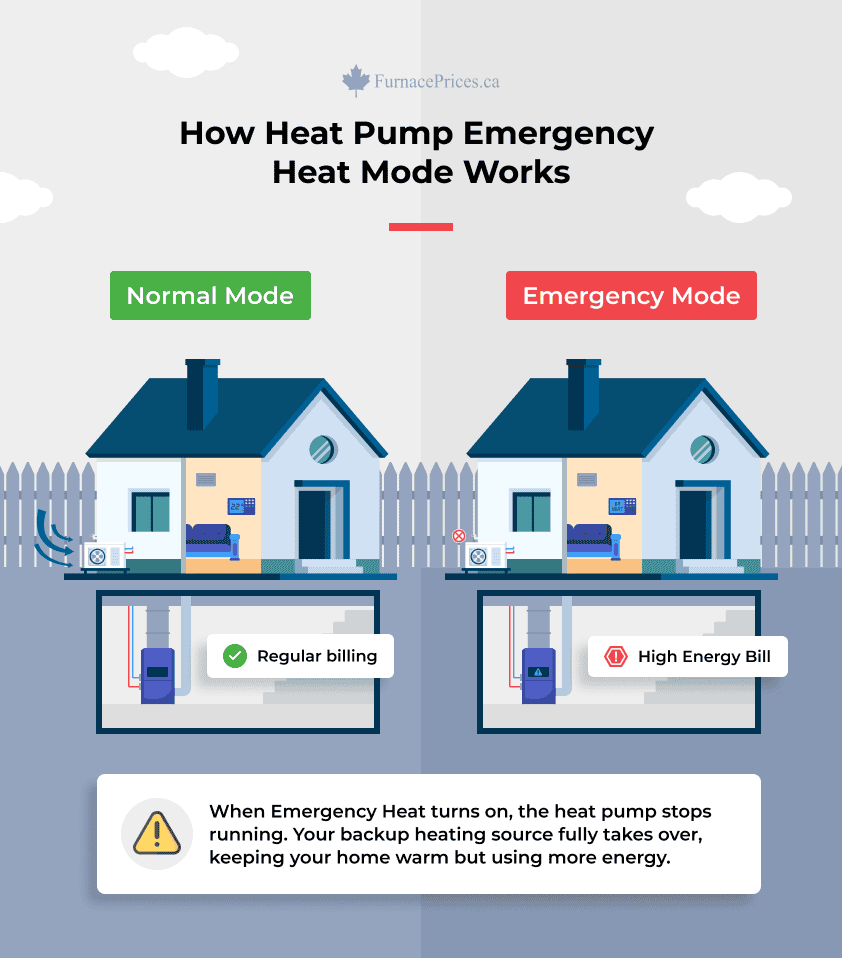
When the cold season hits, your backup heater becomes a lifesaver. But do you know how to use it safely?
One wrong move can lead to serious risks for you and your loved ones. This guide will help you protect your home and stay warm without worry. Keep reading to discover simple tips that make your backup heater both effective and safe.
Your comfort and safety matter—let’s make sure you get both.
Credit: www.furnaceprices.ca
Types Of Backup Heaters
Backup heaters provide extra warmth when the main heating system fails. They come in different types that work in various ways.
Knowing the types helps you use them safely and choose the right one for your needs.
Electric Space Heaters
Electric space heaters use electricity to create heat. They are easy to use and plug into wall outlets.
They work well in small spaces and do not produce fumes. Keep them away from curtains and furniture to avoid fire risks.
Propane And Gas Heaters
Propane and gas heaters burn fuel to produce heat. They can warm large areas quickly.
Use them in well-ventilated rooms to prevent harmful gas buildup. Always follow safety instructions to avoid accidents.
Kerosene Heaters
Kerosene heaters burn kerosene fuel to generate heat. They are portable and useful during power outages.
Refuel only when the heater is cool. Use them in ventilated spaces to reduce fumes and fire risk.
Wood And Pellet Stoves
Wood and pellet stoves burn wood or pellets for heat. They provide steady warmth for long periods.
Keep the stove clean and check the chimney regularly. Use dry wood or pellets to reduce smoke and improve safety.
Choosing The Right Heater
Choosing a backup heater means thinking about your room and needs. The right heater keeps you warm safely and uses energy well.
Consider the size of your room, fuel types you can access, and how much energy the heater uses. These points help you pick the best option.
Room Size And Heater Capacity
Heaters must match the size of the room. A small heater in a large room will not keep it warm. A big heater in a small room wastes energy.
- Measure the room’s square footage before buying.
- Check the heater’s capacity in watts or BTUs.
- Choose a heater that fits the room size for best results.
Fuel Availability And Storage
Think about the type of fuel your heater uses. Some heaters run on electricity, others on gas or oil. Choose fuel you can easily get and store.
| Fuel Type | Storage Needs | Availability |
| Electric | No storage needed | Usually easy |
| Propane | Safe tank storage | May vary by area |
| Oil | Secure container needed | Depends on supplier |
Energy Efficiency Considerations
Energy efficiency saves money and power. Look for heaters with good ratings and safety features. Efficient heaters use less fuel and reduce bills.
- Choose heaters with energy-saving modes.
- Check for safety features like automatic shut-off.
- Use heaters that match your heating needs closely.
Safe Placement Practices
Using backup heaters safely starts with placing them correctly. Proper placement reduces fire risks and ensures the heater works well.
Follow simple rules to keep your home safe. Avoid spots that can cause accidents or damage.
Avoiding Flammable Materials
Keep backup heaters away from anything that can catch fire. Flammable materials near heaters can cause fires quickly.
- Do not place heaters near curtains or drapes.
- Keep heaters away from paper, cardboard, and fabrics.
- Avoid placing heaters near furniture or bedding.
- Do not store flammable liquids or sprays near heaters.
Maintaining Clearance Space
Always leave enough space around your heater. Clearance helps air flow and prevents heat buildup.
| Area Around Heater | Recommended Clearance |
| Sides | At least 3 feet (1 meter) |
| Front | At least 3 feet (1 meter) |
| Back | At least 3 feet (1 meter) |
Stable And Level Surfaces
Place heaters on flat, steady surfaces. This prevents tipping and accidents that can cause fires or injuries.
Tips for stable placement:
- Use a level floor or sturdy table.
- Avoid uneven or soft surfaces like carpets or rugs.
- Ensure the heater cannot be easily knocked over by pets or children.
Credit: modernize.com
Proper Ventilation Needs
Backup heaters need good airflow to work safely. Proper ventilation helps remove harmful gases.
Without enough air, heaters can cause dangerous conditions indoors. It is important to keep rooms fresh.
Preventing Carbon Monoxide Buildup
Carbon monoxide is a colorless, odorless gas that can be deadly. Backup heaters that burn fuel produce this gas.
- Always use heaters in well-ventilated areas.
- Open windows or doors slightly to allow fresh air.
- Do not block vents or air intakes.
- Never use heaters in closed rooms without airflow.
Using Heaters In Enclosed Spaces
Using backup heaters in small, enclosed rooms can increase risk. These spaces trap gas and heat.
| Risk Factor | Effect |
| Poor Ventilation | Builds up carbon monoxide |
| Tight Spaces | Limits oxygen supply |
| Blocked Airflow | Causes overheating |
| Unattended Heaters | Raises fire hazard |
Installing Carbon Monoxide Detectors
Carbon monoxide detectors warn about dangerous gas levels. They are essential for safety near heaters.
- Place detectors near sleeping areas.
- Test detectors monthly to ensure they work.
- Replace batteries at least once a year.
- Follow manufacturer instructions for placement.
Operating Backup Heaters
Backup heaters provide extra warmth when the main heating system fails. Using them safely keeps your home comfortable and reduces risks.
Follow clear steps to operate backup heaters correctly. This guide covers key safety tips for their use.
Following Manufacturer Guidelines
Always read and follow the manufacturer’s instructions before using a backup heater. These guidelines explain how to set up, operate, and maintain the heater safely.
- Use the heater only for its intended purpose.
- Check for any damage or defects before use.
- Keep the heater on a stable, flat surface.
- Do not block any vents or air intakes.
- Keep children and pets away from the heater.
Supervising Heaters While In Use
Backup heaters must never be left unattended. Always watch the heater closely to prevent accidents or fires.
| Safety Tip | Details |
|---|---|
| Stay Nearby | Do not leave the room while the heater is running. |
| Turn Off When Sleeping | Switch off heaters before going to bed. |
| Keep Away from Flammables | Maintain at least 3 feet distance from curtains and furniture. |
| Check Regularly | Inspect the heater for unusual smells or sounds. |
Safe Fuel Handling And Storage
Backup heaters that use fuel need careful handling and storage to avoid spills and fires.
Keep these rules in mind for safe fuel use:
- Store fuel in approved containers only.
- Keep fuel away from heat sources and open flames.
- Refuel the heater outside or in a well-ventilated area.
- Do not overfill the fuel tank.
- Clean up any fuel spills immediately.
Maintenance And Inspection
Regular maintenance and inspection are crucial for ensuring the safe operation of your backup heater. This includes routine cleaning, checking for damage or wear, and following professional servicing recommendations.
Regular Cleaning Tips
Clean your backup heater regularly to prevent dust and debris from accumulating and causing damage. Here are some tips:
- Dust the exterior with a soft cloth
- Vacuum the interior with a gentle suction setting
- Use a damp cloth to wipe down the heating elements
- Check and replace the air filter as recommended
Checking For Damage Or Wear
Regularly inspect your backup heater for signs of damage or wear. Look for:
| Symptom | Causes |
|---|---|
| Leaking fuel or water | Worn seals, loose connections |
| Unusual noises | Loose parts, worn bearings |
| Decreased efficiency | Clogged filters, dirty burners |
Professional Servicing Recommendations
Follow the manufacturer’s recommended servicing schedule to ensure your backup heater operates safely and efficiently. This may include annual tune-ups, filter replacements, and other maintenance tasks.
Emergency Preparedness
Being prepared for emergencies can save lives and reduce stress. A backup heater is an essential item for emergency preparedness, especially during harsh winter months.
Backup Power Options
Backup power options ensure your backup heater functions even during a power outage. Consider the following:
- Battery-powered generators
- Gas-powered generators
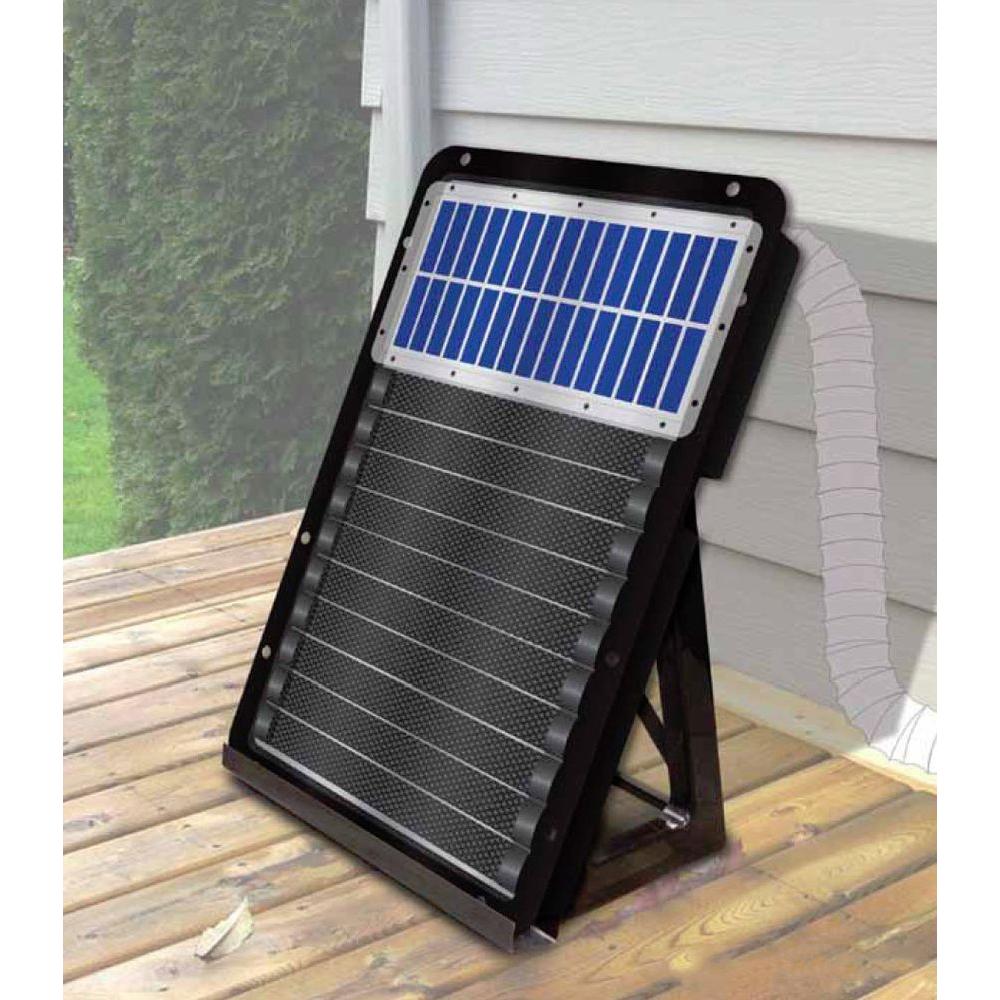
- Portable solar panels
Storing Emergency Supplies
Proper storage of emergency supplies ensures they remain usable during an emergency. Store the following items:
| Backup heater fuel | Propane or natural gas |
| Emergency food | Non-perishable items like canned goods |
| Water | At least 1 gallon per person per day |
Creating A Winter Safety Plan
A winter safety plan helps you stay safe during extreme cold weather. Develop a plan that includes:
- Regularly inspect and maintain your backup heater
- Store emergency supplies in an accessible location
- Stay informed about weather forecasts and alerts
By following these tips, you can stay safe and warm during emergencies.

Credit: www.furnaceprices.ca
Frequently Asked Questions
What Are Backup Heaters Used For?
Backup heaters provide extra warmth when primary heating fails or is insufficient. They ensure continuous comfort in cold weather.
How To Use Backup Heaters Safely Indoors?
Place heaters on stable, non-flammable surfaces. Keep away from curtains and flammable materials. Never leave them unattended.
Can Backup Heaters Increase Energy Bills?
Yes, backup heaters consume additional electricity or fuel. Use them sparingly and only when necessary to save costs.
What Maintenance Is Needed For Backup Heaters?
Regularly clean filters and vents. Check cords for damage. Schedule professional inspections annually for safety and efficiency.
Conclusion
Backup heaters keep your home warm and safe during cold days. Always follow the safety rules to avoid accidents. Place heaters on flat surfaces and keep them away from flammable items. Turn off heaters when you leave the room or go to sleep.
Regularly check cords and plugs for damage. Using backup heaters carefully helps save energy and money. Stay warm, stay safe. Simple steps make a big difference.