
Are you looking for the perfect way to keep your ornamental fish healthy and happy? The right aquarium cabinet can make all the difference.
It’s not just about aesthetics—your fish’s well-being depends on a stable, secure environment. Imagine a cabinet that not only holds your tank but also protects it from temperature changes, reduces noise, and hides clutter. Sound interesting? Keep reading to discover how choosing the right aquarium cabinet can boost your fish’s health and make your aquarium care easier than ever.

Credit: www.amazon.com
Choosing The Right Cabinet
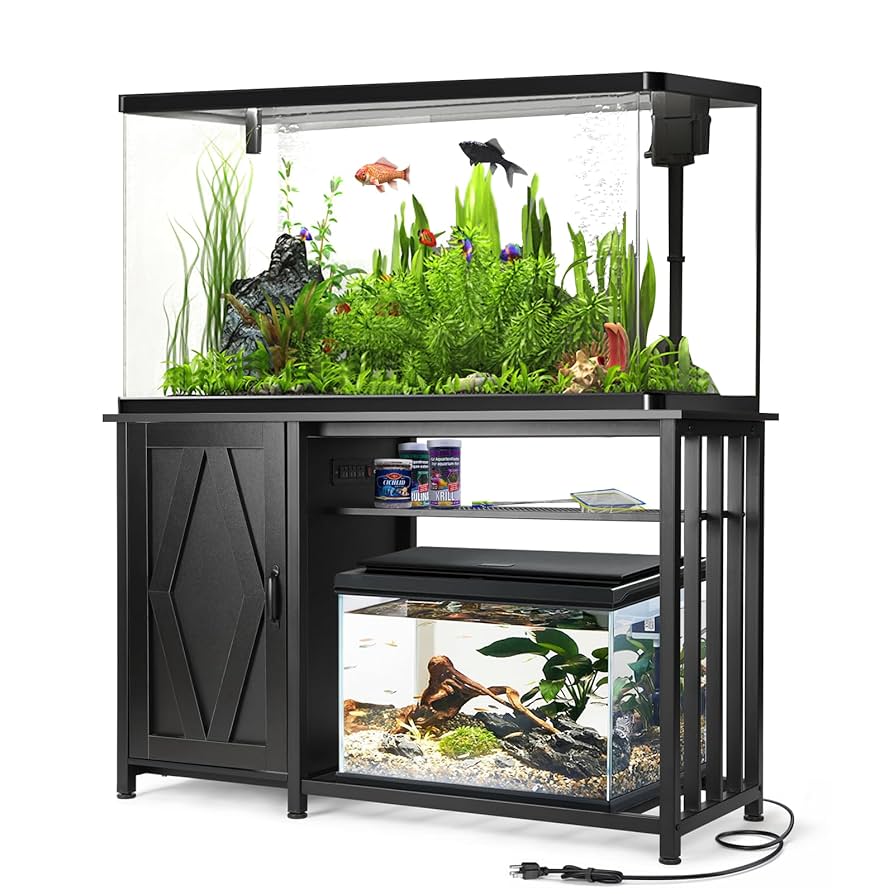
Choosing the right cabinet for your ornamental fish tank is key to keeping your fish healthy. The cabinet holds the aquarium securely and helps manage equipment and supplies.
Consider the materials, size, ventilation, and lighting. These factors support the fish’s environment and ease of tank maintenance.
Material Options
Cabinets come in different materials like wood, metal, and plastic. Each material has pros and cons for durability and water resistance.
- Wood:Strong and stylish but needs waterproof coating.
- Metal:Very durable but can rust if exposed to moisture.
- Plastic:Water-resistant and lightweight but less sturdy.
Size And Space Considerations
Choose a cabinet that fits your aquarium size and the room space. The cabinet should hold the tank’s weight and allow extra room for supplies.
| Cabinet Size | Recommended Aquarium Size | Extra Storage Space |
|---|---|---|
| Small (24-30 inches) | Up to 20 gallons | Limited |
| Medium (31-48 inches) | 20 to 50 gallons | Moderate |
| Large (49 inches and above) | 50 gallons and more | Ample |
Ventilation And Lighting
Proper ventilation prevents overheating of equipment. Good lighting inside the cabinet helps you check tanks and gear easily.
- Choose cabinets with vent holes or fans for airflow.
- Use LED lights to save energy and reduce heat.
- Keep lighting controls accessible for easy adjustment.

Credit: www.amazon.com
Maintaining Water Quality
Good water quality is key to keeping ornamental fish healthy. Clean water helps fish live longer and stay active.
Using an aquarium cabinet can help keep water clean and stable. It hides equipment and keeps the tank safe.
Filtration Systems
Filters remove waste and harmful chemicals from the water. They keep the water clear and safe for fish.
Use a filter that fits your tank size. Clean or replace filter media often to keep it working well.
- Mechanical filters trap dirt and debris
- Biological filters help good bacteria grow
- Chemical filters remove toxins and odors
Regular Water Changes
Change water regularly to reduce harmful substances. This keeps fish healthy and water fresh.
Remove 10-20% of the water weekly. Replace it with clean, treated water at the same temperature.
- Use a siphon to clean the gravel
- Check water temperature before adding
- Use water conditioner to remove chlorine
Monitoring Ph And Temperature
Keep pH and temperature steady. Fish get stressed if these change too much.
Test water weekly with pH and thermometer kits. Adjust settings if needed to match fish needs.
- Most fish like pH between 6.5 and 7.5
- Temperature should fit the fish species
- Use heaters or coolers if needed
Ensuring Proper Fish Habitat
Ornamental fish need a healthy environment to thrive. A well-organized aquarium cabinet helps achieve this. Proper habitat ensures fish feel comfortable and stress-free.
Creating the right habitat involves several elements. Substrate, decorations, plants, and space are important for fish health.
Substrate And Decorations
The substrate is the material at the bottom of the aquarium. It can be sand, gravel, or small stones. It mimics the natural environment of fish.
Decorations add beauty and provide hiding spots. Choose non-toxic items to keep fish safe.
- Sand is soft and good for digging fish.
- Gravel is easy to clean and suits most fish.
- Stones provide natural-looking hideaways.
Plants And Hiding Spots
Plants give oxygen and help clean the water. They also offer shade and privacy for fish.
Live plants need care, but they look natural. Fake plants are easy to manage and safe for fish.
- Java moss is great for small fish.
- Amazon sword plant grows well in most tanks.
- Rock caves make excellent hiding spots.
Avoiding Overcrowding
Too many fish in a tank can cause stress and disease. Provide enough space for each fish to swim comfortably.
Research the size and needs of your fish. This helps in choosing the right number for your aquarium.
| Fish Type | Recommended Space |
| Small fish (e.g., Tetras) | 1 gallon per fish |
| Medium fish (e.g., Goldfish) | 10 gallons per fish |
Credit: www.amazon.com
Feeding And Nutrition
Proper feeding keeps ornamental fish healthy and active. Good nutrition supports their growth and color.
Understanding what and how to feed helps avoid common health problems in aquarium fish.
Balanced Diet Options
A balanced diet includes a variety of food types. This gives fish the nutrients they need to thrive.
- Flake or pellet foods for daily feeding
- Frozen or live foods like brine shrimp or bloodworms
- Vegetable matter such as spirulina or peas for herbivores
- Occasional treats to add variety and enrichment
Feeding Schedules
Feed fish small amounts two to three times daily. This mimics their natural eating habits.
| Time of Day | Recommended Feeding |
| Morning | Light portion of flakes or pellets |
| Afternoon | Small amount of frozen or live food |
| Evening | Vegetable-based food or leftover cleanup |
Avoiding Overfeeding
Too much food harms fish and pollutes water. Remove uneaten food after five minutes.
Tips to prevent overfeeding:
- Feed only what fish can eat quickly
- Use a feeding ring to control food spread
- Observe fish behavior for hunger or fullness
- Keep a feeding log to track amounts
Preventing Diseases
Keeping ornamental fish healthy is important for a beautiful aquarium. Diseases can harm fish and spoil the tank environment.
An aquarium cabinet helps maintain clean water and stable conditions. These steps reduce the chance of disease.
Quarantine Procedures
New fish can bring illness to your aquarium. Quarantine them in a separate tank for 2-4 weeks.
This helps spot problems before adding fish to the main tank. Keep water clean and check fish daily.
- Use a small tank or container
- Keep water temperature stable
- Feed fish lightly to avoid waste
- Watch for signs of stress or sickness
- Do water changes regularly
Recognizing Symptoms
Early signs of disease help you act fast. Look for changes in fish behavior or appearance.
Common symptoms include spots, torn fins, or unusual swimming patterns. Fish may also lose appetite.
- White or red spots on skin
- Clamped fins or torn tails
- Swollen belly or bloating
- Rapid breathing or gasping at surface
- Hiding more than usual
Treatment Methods
Once you see symptoms, start treatment quickly. This stops disease from spreading.
Use medicine made for fish and follow instructions carefully. Keep water clean and stable during treatment.
- Remove sick fish to a treatment tank
- Use antibacterial or antifungal medicines as needed
- Change water regularly to keep it fresh
- Keep the tank temperature steady
- Feed fish lightly to support recovery
Routine Cleaning And Maintenance
Keeping your aquarium cabinet clean helps protect your ornamental fish. Regular care prevents damage and keeps the environment healthy.
Good maintenance supports fish health and extends the life of your tank and equipment.
Cleaning The Cabinet Exterior
Use a soft cloth to wipe the cabinet outside. Avoid harsh chemicals that can harm fish or damage surfaces.
- Dust the surface weekly
- Use mild soap and water for stains
- Dry thoroughly to prevent moisture buildup
- Check for any signs of wood damage or warping
Tank Cleaning Techniques
Clean the tank glass inside and out to keep it clear. Remove algae and other buildup gently.
| Cleaning Task | Tools Needed | Frequency |
| Glass cleaning inside | Algae scraper or sponge | Weekly |
| Glass cleaning outside | Soft cloth | Weekly |
| Water change | Water siphon, bucket | Biweekly |
| Gravel vacuuming | Gravel vacuum | Biweekly |
Equipment Upkeep
Check filters, heaters, and lights regularly. Clean or replace parts as needed to keep equipment working well.
- Rinse filter media in tank water monthly
- Test heater function every month
- Clean light fixtures to remove dust
- Inspect cords and plugs for damage
Enhancing Aquarium Aesthetics
An aquarium cabinet can improve the look of your fish tank area. It gives a neat and polished appearance.
Good cabinet design helps keep the aquarium safe and supports the health of ornamental fish.
Cabinet Design Ideas
Choose a cabinet that matches your room style. Wood cabinets add warmth and natural beauty.
Modern cabinets with clean lines fit well in simple and sleek rooms. Make sure the cabinet is strong.
- Use waterproof materials to protect against spills
- Include storage for fish food and cleaning tools
- Pick colors that blend with your furniture
Lighting Effects
Lighting changes the mood and shows off your aquarium’s colors. Soft lighting creates a calm space.
Use LED lights under the cabinet or around the edges to highlight the aquarium. Avoid harsh lights that stress fish.
- Blue lights enhance fish colors at night
- White lights help plants grow inside the tank
- Adjustable lights let you control brightness levels
Complementary Accessories
Add accessories that fit the cabinet style and improve function. Use matching shelves or racks for tools.
Decorative items like small statues or plants near the cabinet create a lively area. Keep accessories simple to avoid clutter.
- Storage baskets for nets and cleaning supplies
- Matching coasters or mats under the aquarium
- Small water fountains or air pumps with quiet operation
Frequently Asked Questions
What Is The Best Aquarium Cabinet For Fish Health?
The best aquarium cabinet offers stability, proper ventilation, and moisture resistance. It supports tank weight evenly and reduces stress on ornamental fish by maintaining a clean environment.
How Does An Aquarium Cabinet Improve Fish Health?
An aquarium cabinet reduces vibrations and keeps the tank stable. It also hides equipment, improving water quality and minimizing stress that can lead to fish diseases.
Which Materials Are Ideal For Aquarium Cabinets?
Water-resistant wood or metal with a protective finish is ideal. These materials prevent warping and mold growth, ensuring a healthy habitat for ornamental fish.
Can Aquarium Cabinets Affect Water Temperature?
Yes, cabinets with proper ventilation help regulate water temperature. Good airflow prevents overheating, which is crucial for maintaining a stable and healthy environment for fish.
Conclusion
Choosing the right aquarium cabinet helps keep ornamental fish healthy. It offers stable support and proper space for tank equipment. Good cabinets also hide wires and filters, reducing stress for fish. A sturdy cabinet prevents accidents and water spills. Clean and organized setups improve water quality and fish comfort.
Small details matter a lot for fish care. A well-made cabinet supports a happy, thriving aquarium environment. Keep your fish safe with the right cabinet choice.