
Are you ready to transform your marine tank into a breathtaking underwater masterpiece? Aquascaping for marine tanks isn’t just about placing rocks and corals—it’s about creating a vibrant, balanced ecosystem that captivates your eyes and soothes your mind.
Imagine the calming effect of a perfectly arranged marine landscape, where every element flows naturally and your fish thrive in harmony. You’ll discover simple yet powerful tips to design an aquarium that stands out, boosts the health of your marine life, and brings a slice of the ocean right to your home.
Keep reading to unlock the secrets that will make your marine tank truly spectacular.
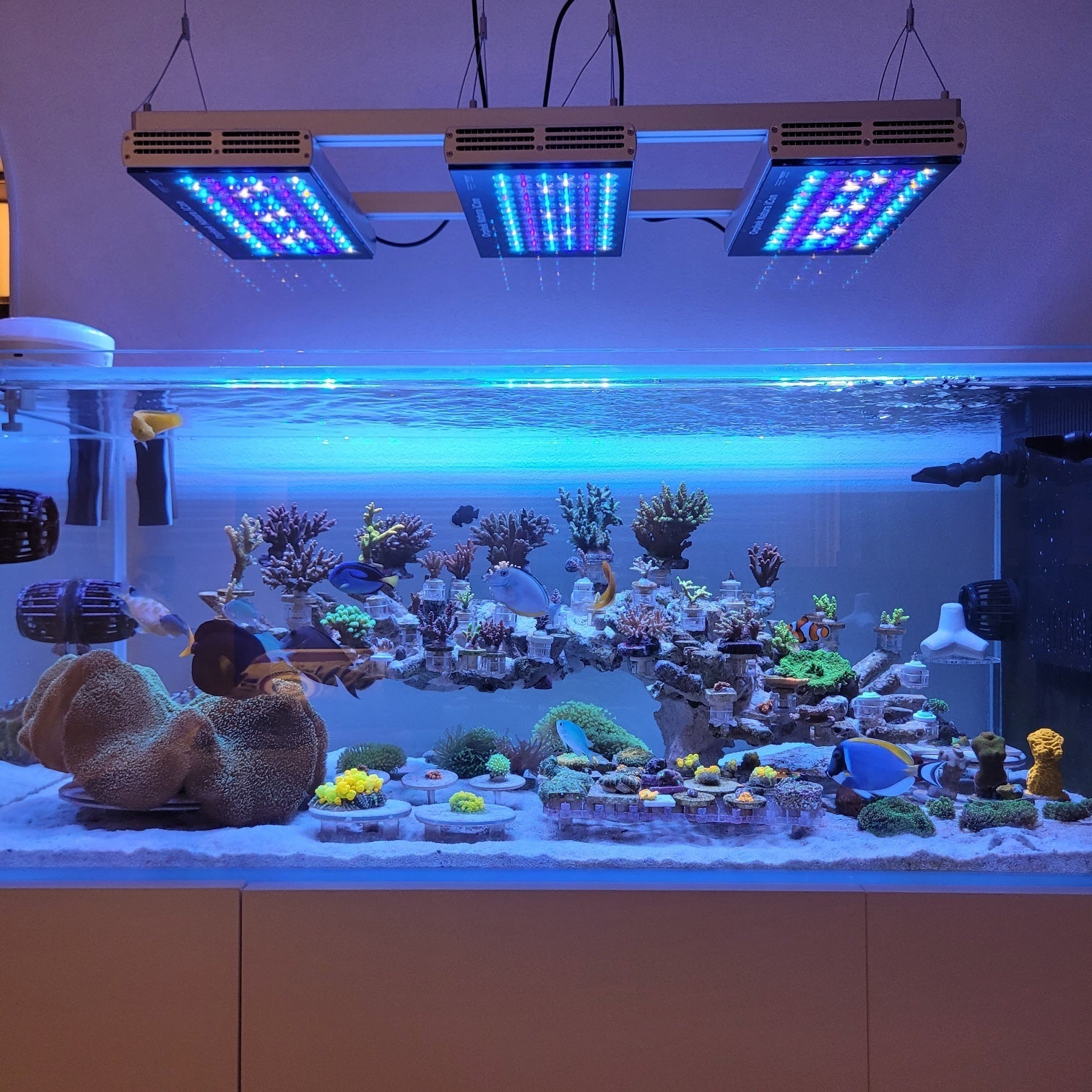
Credit: shop.orphek.com
Choosing The Right Marine Plants And Corals
Aquascaping marine tanks needs careful plant and coral choices. These choices affect tank health and beauty.
Good selections help create a balanced, natural environment for marine life to thrive.
Popular Marine Plants For Aquascaping
Marine plants add color and oxygen to the tank. They also provide hiding places for fish.
- Caulerpa: Fast-growing and easy to care for.
- Halophila: Small leaves, good for sandy areas.
- Gracilaria: Adds red shades and feeds some fish.
- Sea Lettuce: Bright green and grows in many conditions.
Coral Varieties And Their Placement
Corals bring structure and life to marine tanks. Each type needs specific places to grow well.
| Coral Type | Light Needs | Placement |
| Soft Corals | Low to medium | Lower tank areas |
| Stony Corals | High | Upper tank rocks |
| Branching Corals | Medium to high | Middle to upper areas |
Compatibility With Marine Life
Choose plants and corals that fit with your fish and other creatures. Some animals eat or damage plants.
- Avoid plants eaten by herbivores like tangs and some snails.
- Place corals away from aggressive species that sting.
- Use hardy plants if you have many fish or crabs.
- Research each species’ needs before adding to your tank.

Credit: www.youtube.com
Selecting Substrate And Hardscape Materials
Choosing the right substrate and hardscape materials is key for marine aquascaping. These materials create the foundation and shape of your tank.
The right choices help marine life thrive and make the tank look natural and beautiful.
Types Of Substrates For Marine Tanks
Marine tanks need substrates that support coral and fish health. Substrates also affect water quality and tank stability.
Common substrates include sand, crushed coral, and aragonite. Each has different benefits for marine setups.
- Sand:Fine and natural-looking; good for burrowing fish.
- Crushed Coral:Raises pH and hardness; great for reef tanks.
- Aragonite:Helps maintain calcium levels; supports coral growth.
Using Rocks And Driftwood
Rocks and driftwood add shape and texture to marine tanks. They create hiding spots and natural environments.
Choose rocks safe for saltwater. Avoid those that change water chemistry too much.
- Live Rock:Provides natural filtration and shelter.
- Base Rock:Offers structure without affecting water.
- Driftwood:Adds a natural look but may alter water chemistry.
Creating Natural-looking Structures
Arrange substrates and hardscape materials to mimic ocean environments. Use layers and caves for a realistic look.
Balance height and open space. This helps fish swim freely and corals get light.
- Stack rocks to build stable caves and arches.
- Use sand slopes to create depth and interest.
- Place driftwood to add contrast and texture.
Design Principles For Marine Aquascapes
Marine aquascaping shapes the underwater world inside your tank. Good design keeps the tank healthy and beautiful. It helps create a natural look that fish and corals enjoy.
Understanding design principles can guide you to build a balanced and functional marine aquascape. This includes color, texture, focal points, and space.
Balancing Color And Texture
Color and texture add life to a marine tank. Use different coral colors to create contrast and interest. Mix rough and smooth textures to add depth.
- Choose corals with bright colors to highlight areas
- Use neutral-colored rocks for a natural base
- Place soft corals near hard corals for texture variety
- Balance dark and light colors to avoid monotony
- Keep color patterns simple to not overwhelm the eyes
Focal Points And Visual Flow
Focal points draw attention and create interest. Place a unique coral or rock formation as a center of focus. Arrange elements so the eye moves smoothly across the tank.
| Design Element | Purpose |
| Large rock or coral | Main focal point |
| Smaller corals | Lead the eye toward the focal point |
| Open spaces | Give resting spots for the eye |
| Color contrast | Enhance visual interest |
Maintaining Open Swimming Spaces
Fish need open areas to swim freely. Crowding the tank with rocks and corals can stress them. Plan open spaces that allow easy movement and reduce aggression.
- Leave clear zones in the middle or sides of the tank
- Arrange corals so fish can hide but still swim freely
- Avoid tall rock stacks that block swimming paths
- Check fish behavior and adjust space if needed
Lighting And Filtration For Vibrant Displays
Aquascaping marine tanks needs careful attention to lighting and filtration. These two factors help keep your tank plants and animals healthy. They also bring out the colors and shapes you want to show.
This guide covers how to pick the best light spectrum, set the right light intensity, and choose filtration systems. Following these tips can improve your tank’s look and water quality.
Choosing The Best Light Spectrum
Marine plants and corals need specific light colors to grow well. Blue and white light work best for most marine tanks. Blue light helps corals build their skeletons. White light supports plant photosynthesis.
- Use full spectrum LEDs for balanced light
- Include blue light for coral health
- Adjust light color based on tank species
- Replace bulbs regularly for consistent spectrum
Optimizing Light Intensity
Too much or too little light can hurt your tank’s life. Plants need enough light to grow but not so much that algae take over. Corals need bright light but with some shade during the day.
| Light Level | Effect | Recommended Use |
| Low (50-100 µmol/m²/s) | Slow growth | Low-light plants, some fish tanks |
| Medium (100-200 µmol/m²/s) | Good growth | Most marine plants and corals |
| High (200-400 µmol/m²/s) | Fast growth, risk of algae | High-light corals, planted tanks |
Filtration Systems For Clear Water
Clear water is key to a vibrant marine tank. Good filtration removes waste and keeps water clean. Choose a filter that fits your tank size and species needs.
- Mechanical filters trap debris and particles
- Biological filters use bacteria to break down waste
- Chemical filters remove toxins and odors
- Regular cleaning keeps filters effective
Maintaining And Caring For Marine Aquascapes
Marine aquascapes need regular care to stay healthy and beautiful. Proper maintenance keeps fish and corals happy.
Good habits help prevent problems like algae overgrowth and poor water quality. This guide covers key care tasks.
Regular Cleaning And Water Changes
Cleaning removes waste and dirt from the tank surfaces. It helps keep the water clear and safe for marine life.
Water changes replace old water with fresh saltwater. This refreshes minerals and lowers harmful chemicals.
- Use a gravel vacuum to clean the substrate
- Wipe algae off rocks and glass regularly
- Change 10-20% of water every 1-2 weeks
- Use water that matches tank temperature and salinity
Managing Algae Growth
Algae can grow quickly and cover decorations or glass. It can harm corals and reduce oxygen in the tank.
Control algae by limiting excess nutrients and light exposure. Use algae-eating animals to help naturally clean.
- Reduce feeding to avoid leftover food
- Limit light to 8-10 hours daily
- Add snails or hermit crabs that eat algae
- Remove algae manually with a scraper
Monitoring Water Parameters
Checking water quality is crucial for a healthy marine tank. Poor water harms fish and corals quickly.
Test key factors like temperature, pH, and salinity regularly. Adjust as needed to keep conditions stable.
| Parameter | Ideal Range | Why It Matters |
|---|---|---|
| Temperature | 75-80°F (24-27°C) | Supports fish and coral health |
| pH | 8.1-8.4 | Maintains chemical balance |
| Salinity | 1.023-1.025 specific gravity | Ensures proper marine environment |
| Ammonia | 0 ppm | Toxic to all tank life |
| Nitrite | 0 ppm | Harmful to fish and corals |
| Nitrate | < 20 ppm | Too high causes algae growth |
Inspiring Aquascape Styles And Ideas
Aquascaping for marine tanks is a creative way to design underwater landscapes. It involves arranging rocks, corals, and marine plants in tanks.
There are many styles to explore, each offering unique beauty. Let’s look at some inspiring ideas.
Natural Reef Designs
Natural reef designs mimic the ocean’s beauty. They use live rocks and corals to create realistic reefs.
This style supports marine life and provides hiding spots for fish. It’s a favorite for those who love nature.
- Use a mix of soft and hard corals
- Place rocks to form caves and ledges
- Add sand for a natural seabed look
Minimalist And Modern Layouts
Minimalist layouts focus on simplicity and elegance. They use fewer elements for a clean, modern look.
These designs often highlight unique coral shapes and colors. They create a calm and peaceful environment.
- Choose a neutral color palette
- Use sleek and simple rock formations
- Limit the number of corals and plants
Themed Aquascapes
Themed aquascapes tell a story or depict a scene. They can be inspired by movies, places, or imagination.
This style allows creativity and personal expression. It is popular for creating unique and memorable tanks.
- Create a shipwreck scene with old ship props
- Design a tropical island with vibrant corals
- Use themed decorations like treasure chests

Credit: www.nano-reef.com
Frequently Asked Questions
What Is Aquascaping For Marine Tanks?
Aquascaping for marine tanks involves designing underwater landscapes using live rock, corals, and marine plants. It enhances tank aesthetics and provides natural habitats for marine life, promoting a balanced and healthy ecosystem.
How To Choose Materials For Marine Aquascaping?
Select materials like live rock, coral fragments, and reef-safe substrates. Ensure they are non-toxic, durable, and compatible with marine species to create a stable and visually appealing aquascape.
Can Aquascaping Improve Marine Tank Water Quality?
Yes, aquascaping with live rock and corals helps filter water naturally. These elements support beneficial bacteria that break down waste, improving water quality and maintaining a healthy environment for marine life.
What Are Common Challenges In Marine Aquascaping?
Common challenges include maintaining water parameters, selecting compatible species, and preventing algae overgrowth. Proper planning and regular maintenance help overcome these issues for a thriving marine aquascape.
Conclusion
Aquascaping marine tanks brings beauty and life to your aquarium. It helps create a natural home for fish and plants. Simple designs can make big impacts on tank health. Choosing the right rocks, corals, and plants matters a lot. Balance between decoration and space keeps fish happy.
Regular care keeps your aquascape fresh and vibrant. Enjoy watching your marine tank grow and change daily. Small steps lead to a stunning underwater world. Try new ideas and learn as you go. Your marine tank can be a peaceful, living art piece.