
If you love capturing the beauty of your ornamental fish, you know how tricky lighting can be. Too bright or too dim, and your photos lose their magic.
That’s where LED lighting comes in—a game changer for fish photography. With the right LED setup, you can highlight every vibrant color and delicate fin detail like never before. Curious how to make your photos pop and stand out? Keep reading, because you’re about to discover simple, effective tips to transform your fish photography using LED lighting.
Benefits Of Led Lighting
LED lighting is popular for photographing ornamental fish. It helps show the fish’s true colors clearly.
Using LED lights can improve photo quality and save energy. It is a smart choice for fish photographers.
Energy Efficiency
LED lights use less electricity than other lights. This lowers energy bills and reduces waste.
They produce bright light without using much power. This makes them good for long photo sessions.
- Consumes less electricity
- Generates less heat
- Works well for long hours
Long Lifespan
LED bulbs last much longer than traditional bulbs. This reduces the need to replace them often.
Long-lasting lights save money and time. They also lower waste from thrown away bulbs.
- Can last up to 50,000 hours
- Fewer replacements needed
- Durable and reliable
Adjustable Color Temperatures
LED lights allow you to change the color temperature. This helps capture the best look of the fish.
Cool or warm light can bring out different details and colors in photos. You can adapt to different tank settings.
- Change from warm to cool light
- Match light to fish colors
- Improve photo clarity and depth
Choosing The Right Leds
Lighting is key for good ornamental fish photos. The right LEDs make colors bright and clear. This guide helps you pick the best LEDs for your tank shots.
Focus on three main features: Color Rendering Index, brightness levels, and waterproof design. These affect your photo quality and gear safety.
Color Rendering Index (cri)
CRI shows how well light shows true colors. A high CRI means fish colors look natural and vivid. Aim for LEDs with CRI above 80 for good results.
- High CRI LEDs reveal rich fish colors.
- Low CRI can make colors look dull or wrong.
- Look for CRI ratings on product labels.
Brightness Levels
Brightness affects photo clarity and detail. Too bright light can cause glare. Too dim light makes photos dark and blurry.
| Brightness (Lumens) | Use Case |
| Under 500 | Small tanks or low light fish |
| 500 – 1000 | Medium tanks, balanced lighting |
| Above 1000 | Large tanks, bright photos |
Waterproof Features
Waterproof LEDs protect against splashes and humidity. This keeps your lights safe and working longer near water.
Look for these waterproof ratings:
- IP65:Splash proof, good for above tank use.
- IP67:Can handle brief water immersion.
- IP68:Suitable for underwater lighting.
Setting Up Led Lights
LED lights help capture clear photos of ornamental fish. They give bright, even light without hurting the fish. Setting up these lights right is important for good pictures.
This guide covers how to place LED lights, avoid glare and reflections, and mix natural and artificial light. Follow these tips to get sharp, colorful images.
Placement Strategies
Place LED lights to show fish colors and shapes well. The angle and distance matter for clear shots. Use more than one light if needed.
- Put lights at 45-degree angles to the tank to reduce shadows.
- Keep lights above or to the sides, not behind the camera.
- Use diffusers to soften light and avoid harsh spots.
- Adjust distance so lights do not overheat the water.
Avoiding Reflections And Glare
Reflections on the glass make photos unclear. Glare can hide fish details. Use these tips to reduce both issues.
| Problem | How to Fix |
| Reflections from room lights | Turn off or cover external lights |
| Glare from LED surface | Use matte covers or diffusers |
| Glass reflections | Change camera angle or use polarizing filter |
Balancing Natural And Artificial Light
Natural light can add warmth but may change during the shoot. Mix it with LED lights for steady brightness and correct colors.
Tips for balancing light sources:
- Use LED lights to fill shadows from natural light.
- Shoot at times when natural light is soft, like morning or late afternoon.
- Close curtains if natural light is too strong or uneven.
- Adjust LED brightness to match natural light levels.
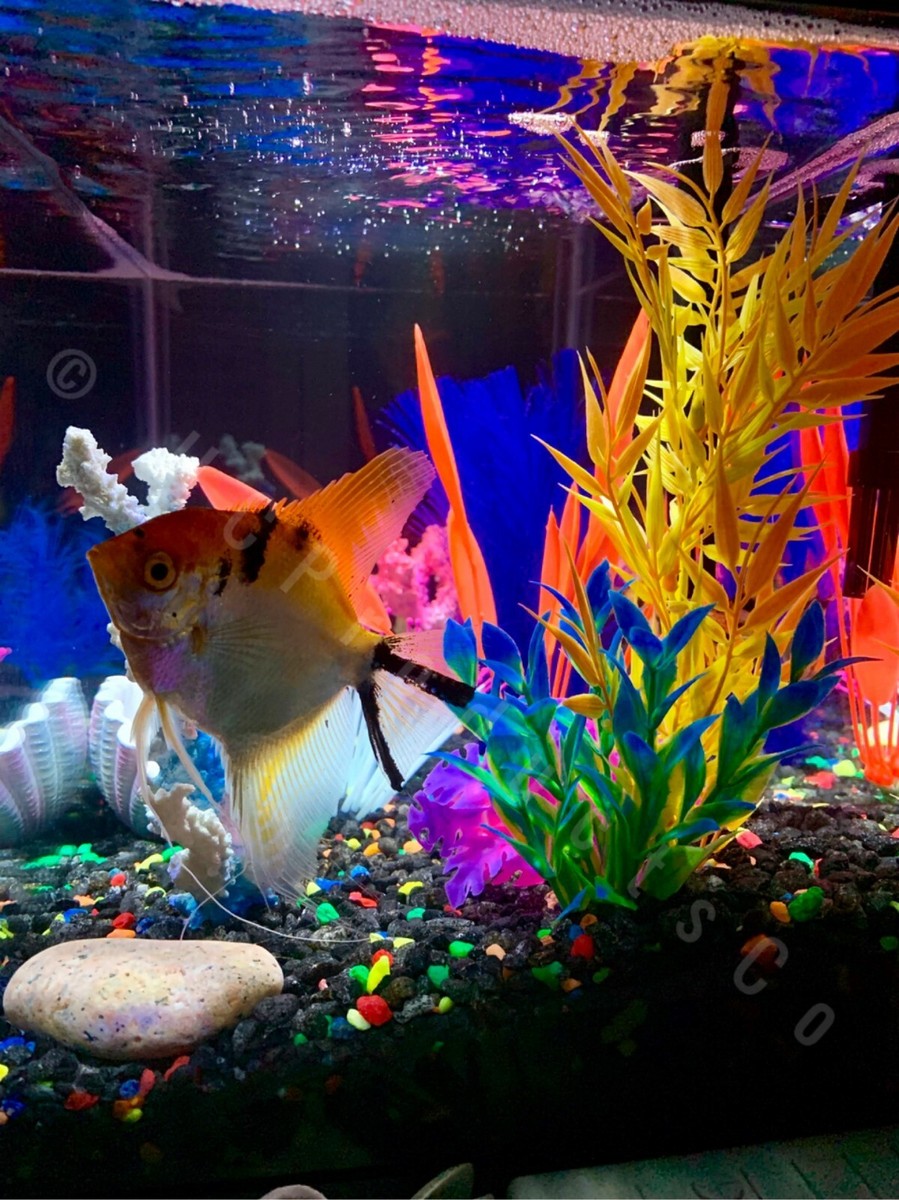
Credit: www.ebay.com
Techniques For Capturing Fish
Taking photos of ornamental fish can be tricky. Fish move quickly and light affects the colors a lot.
Using LED lighting helps you get clear, bright pictures. Let’s look at ways to capture fish well.
Adjusting Camera Settings
Set your camera to a fast shutter speed. This helps freeze the fish’s movement.
Use a low ISO to reduce noise. Choose a small aperture for better focus depth.
- Shutter speed: 1/250 second or faster
- ISO: 100-400 for clear images
- Aperture: f/5.6 to f/8 for sharp details
Timing And Patience
Wait for the fish to swim calmly. Watch their natural movements before taking photos.
Take many shots. You get better chances of good photos by being patient and ready.
- Observe fish behavior first
- Take multiple photos to capture good poses
- Stay calm to avoid scaring the fish
Using Diffusers For Soft Light
LED lights can be too harsh. Use diffusers to spread light softly over the fish.
Soft light reduces shadows and glare. It helps show true colors without reflections.
- Place diffuser between light and tank
- Use white cloth or plastic as a diffuser
- Adjust distance for softer effects
Creative Lighting Effects
LED lighting offers many ways to make ornamental fish photos look unique. Creative lighting can bring out the beauty of the fish.
Different lighting styles help show the fish’s colors, shapes, and details in new ways. This makes photos more interesting.
Color Accents
Use LED lights with color filters to add color accents around the fish. This adds mood and style to photos.
Colored lighting highlights certain areas and creates contrast with the fish’s natural colors.
- Try blue or green lights for a cool underwater look
- Use red or orange accents to add warmth
- Mix colors to match the fish’s tones
Backlighting For Silhouettes
Place LED lights behind the fish to create silhouettes. This shows the fish’s shape clearly.
Backlighting adds drama and mystery to photos. It works well with fish that have strong outlines.
- Use soft LED panels behind the tank
- Adjust brightness to get clear edges
- Try dark backgrounds for better contrast
Highlighting Textures And Patterns
LED lights can shine on scales and fins to show textures. This makes patterns on fish stand out.
Side lighting or angled light helps bring out details that are hard to see with flat light.
- Use focused LED spotlights for specific areas
- Try warm lights to enhance natural tones
- Combine different angles to show depth

Credit: www.freepik.com
Maintaining Fish Comfort
Using LED lighting for fish photography requires careful planning. The goal is to keep fish comfortable while capturing beautiful images.
Proper lighting ensures fish remain stress-free and healthy. Let’s explore some key areas to focus on.
Avoiding Stressful Brightness
Bright lights can stress fish and affect their health. It is crucial to adjust the intensity to a comfortable level.
- Choose LED lights with adjustable brightness settings.
- Position lights to avoid direct glare into the tank.
- Use diffusers to soften the light impact.
Safe Light Duration
Fish need a balance of light and dark periods. Mimicking natural cycles helps maintain their well-being.
| Type of Fish | Recommended Light Duration |
| Tropical Fish | 10-12 hours |
| Cold Water Fish | 8-10 hours |
| Saltwater Fish | 9-11 hours |
Monitoring Fish Behavior
Observing fish behavior helps determine if lighting conditions are appropriate. Look for signs of stress or discomfort.
Post-processing Tips
Photographing ornamental fish can be challenging. LED lighting helps capture vibrant images. Post-processing enhances these photos further.
In this guide, learn how to improve your fish photography. Use these tips to enhance colors, reduce noise, and sharpen details.
Enhancing Colors
Colors make fish photos pop. Adjust settings to bring out natural hues. Balance brightness and contrast for vivid images.
Use editing software to tweak saturation. Be careful not to overdo it. Too much saturation looks unnatural.
- Adjust brightness for better visibility
- Increase contrast for deeper colors
- Fine-tune saturation for realistic tones
Reducing Noise
Low light can cause noise in photos. LED lights help, but post-processing reduces noise further. Use noise reduction tools in editing software.
Be careful when reducing noise. Too much reduction can blur details. Find a balance that keeps images sharp.
- Use noise reduction tools sparingly
- Preserve details while reducing noise
- Test different settings for best results
Sharpening Details
Details make fish photos stunning. Sharpening tools enhance these details. Apply sharpening carefully to avoid artifacts.
Focus on important features like scales and fins. These elements draw attention in photos.
- Use sharpening tools for clear details
- Highlight scales and fins in editing
- Check for artifacts after sharpening

Credit: aquascapeshop.com
Frequently Asked Questions
What Makes Led Lighting Ideal For Ornamental Fish Photography?
LED lighting offers bright, adjustable, and energy-efficient illumination. It enhances fish colors vividly without heat damage. This lighting creates sharp, clear photos with minimal glare, making it perfect for capturing ornamental fish details.
How Does Led Lighting Affect Fish Behavior During Photography?
LED lighting is gentle and flicker-free, reducing fish stress. It mimics natural light, helping fish stay calm. Proper LED setup minimizes sudden brightness changes, ensuring fish remain comfortable and natural during photo sessions.
Can Led Lights Improve Color Accuracy In Fish Photos?
Yes, LED lights provide consistent, full-spectrum light that reveals true fish colors. They reduce color distortion and shadows, producing vibrant and realistic images. This helps photographers capture the natural beauty of ornamental fish accurately.
What Led Light Settings Work Best For Fish Photography?
Use cool white or daylight LED settings between 5000K-6500K for natural colors. Adjust brightness to avoid reflections and fish distress. Soft, diffused lighting reduces glare and highlights fish details effectively.
Conclusion
LED lighting brings out the best colors in ornamental fish. It helps capture clear, bright, and natural photos. Using the right light makes fish look lively and sharp. It also reduces reflections and glare in the tank. Choosing LED lights saves energy and lasts a long time.
Small changes in lighting can improve photo quality a lot. Experiment with different angles and brightness for great results. Good lighting turns simple fish photos into beautiful images. Keep practicing, and enjoy photographing your colorful fish.