
Are you looking to transform your aquarium into a stunning underwater masterpiece? Aquascaping for ornamental fish showcase is the secret to creating a vibrant, natural environment that highlights your fish’s beauty.
Imagine your fish swimming through lush plants and carefully arranged decorations, turning your tank into a living work of art. You’ll discover simple yet powerful tips to design an eye-catching aquascape that not only pleases your eyes but also keeps your fish happy and healthy.
Ready to make your aquarium the centerpiece of any room? Keep reading to unlock the secrets of perfect aquascaping.
Choosing The Right Aquarium
Picking the right aquarium is key for a beautiful aquascape. It keeps your ornamental fish safe and happy.
The right tank supports your plants and decorations well. It also fits your space and style.
Tank Size And Shape
Choose a tank size that fits your room and fish needs. Bigger tanks are easier to keep stable.
Shape affects how your aquascape looks. Long tanks show more scenery. Tall tanks fit plants better.
- Small tanks are for limited spaces or few fish
- Long tanks offer wide views for aquascapes
- Tall tanks allow for vertical plant growth
- Square tanks save space but show less length
Material Options
Most aquariums are glass or acrylic. Both have pros and cons for aquascaping.
Glass is clear and scratch-resistant. Acrylic is lighter and stronger but can scratch easily.
- Glass tanks have clearer views and resist scratches
- Acrylic tanks are lighter and less likely to crack
- Acrylic can be shaped into unique designs
- Both materials are safe for fish and plants
Placement And Lighting
Place your aquarium where it gets stable temperature and no direct sunlight. Sunlight can cause algae.
Good lighting helps plants grow and shows off your aquascape colors. Use LED lights made for aquariums.
- Avoid spots near windows or heaters
- Use adjustable LED lights for best results
- Match light spectrum to plant needs
- Keep lights on for 8 to 10 hours daily

Credit: www.blessingsaquarium.com
Selecting Ornamental Fish
Choosing the right fish is important for a beautiful aquascape. The fish should match the plants and decorations. They must live well in their environment.
Think about how fish look and behave. Their size and needs matter too. This guide helps you pick the best ornamental fish.
Popular Species For Aquascapes
Many fish species fit well in planted tanks. Small fish with bright colors are common choices. They add life and charm to the aquarium.
- Neon Tetras: Small, bright blue and red fish that swim in groups.
- Guppies: Colorful and active, easy to care for.
- Cherry Barbs: Red-colored fish that stay peaceful.
- Corydoras Catfish: Bottom dwellers that clean the tank.
- Otocinclus Catfish: Algae eaters that help keep plants clean.
Compatibility And Behavior
Some fish get along well with others. Some fish may fight or stress each other. Choose fish that live peacefully together.
| Fish Species | Temperament | Recommended Tankmates |
| Neon Tetra | Peaceful | Other small tetras, guppies |
| Cherry Barb | Calm | Corydoras, small barbs |
| Guppy | Active | Small peaceful fish |
| Corydoras Catfish | Peaceful | Bottom dwellers, small fish |
| Otocinclus Catfish | Shy | Peaceful fish, small schools |
Color And Movement
Fish color and movement add beauty to aquascapes. Bright colors stand out among plants. Active swimmers bring dynamic life to the tank.
- Choose fish with contrasting colors to plants.
- Mix slow and fast swimmers for balance.
- Observe fish behavior to avoid stress.
- Group fish that swim in schools for lively scenes.
Design Principles
Aquascaping is the art of designing underwater landscapes for ornamental fish. Good design helps create a healthy and attractive environment.
Understanding key design principles makes your aquascape look balanced and natural. These principles guide how you place plants, rocks, and fish.
Balance And Symmetry
Balance in aquascaping means arranging elements so the tank feels stable. Symmetry creates a mirror-like effect that feels formal and calm.
- Symmetrical layouts have equal shapes on both sides.
- Asymmetrical balance uses different elements but keeps a sense of harmony.
- Balance avoids one side feeling too heavy or crowded.
- Use size and color to help balance the design.
Focal Points And Depth
A focal point draws the viewer’s eye. It can be a unique plant, rock, or decoration. Depth makes the tank look bigger and more natural.
| Element | Purpose | Placement Tips |
| Focal Point | Attract attention | Place off-center for interest |
| Foreground Plants | Create depth | Use smaller plants near front |
| Background Plants | Add height | Taller plants go in back |
| Hardscape | Structure and texture | Use rocks or wood to guide view |
Natural Vs Artistic Styles
Natural style mimics nature with random placement. Artistic style uses planned shapes and patterns to create a design.
Differences between styles:
- Natural stylefavors irregular shapes and wild plant growth.
- Artistic styleuses symmetry, lines, and shapes to create a visual impact.
- Both styles focus on fish comfort and tank health.
- Choose the style that fits your taste and skill level.

Credit: www.youtube.com
Hardscape Materials
Hardscape materials shape the look of your ornamental fish tank. They create natural hiding spots and add beauty.
Choosing the right materials helps keep fish safe and makes your aquascape stable and attractive.
Rocks And Stones
Rocks add structure and style to your aquarium. They give fish places to explore and hide.
Select rocks that are safe for water and fish. Avoid sharp edges that might hurt fish.
- Slate: flat and smooth, good for stacking
- Dragon stone: textured, natural look
- Lava rock: porous and light
- Quartz: shiny and decorative
Driftwood And Branches
Driftwood adds a natural, rustic feel to your tank. It also helps lower pH and soften water.
Branches create hiding spots and climbing areas for fish and shrimp.
- Choose untreated wood safe for aquariums
- Boil driftwood to remove impurities
- Use branches without sharp points
Substrate Choices
Substrate is the material that covers the tank bottom. It supports plants and affects water quality.
Pick substrate that fits your fish and plants needs. Grain size and color matter too.
- Sand: soft, good for bottom dwellers
- Gravel: varied sizes, easy to clean
- Soil: rich in nutrients for plants
- Crushed coral: raises water hardness
Plant Selection
Choosing the right plants is key for an ornamental fish showcase. Plants add beauty and create a natural look.
Good plant choices help fish feel safe and improve water quality. Pick plants based on their size and care needs.
Foreground Plants
Foreground plants are small and low-growing. They cover the bottom front part of the tank.
These plants create a nice carpet effect and do not block fish views.
- Dwarf Hairgrass
- Java Moss
- Baby Tears
- Dwarf Sagittaria
Midground Plants
Midground plants grow taller than foreground plants. They fill the middle space in the tank.
These plants provide hiding spots and add depth to the aquascape.
- Anubias
- Cryptocoryne
- Amazon Sword
- Java Fern
Background Plants
Background plants grow tall and wide. They create a backdrop for the whole fish tank.
These plants help hide equipment and give a natural look behind the fish.
- Vallisneria
- Hornwort
- Water Wisteria
- Cabomba
Low Maintenance Species
Low maintenance plants are easy to grow and care for. They need less light and fertilizer.
These plants suit beginners and busy aquarists.
- Java Fern
- Anubias
- Cryptocoryne
- Java Moss
- Duckweed
Enhancing Fish Habitat
Plants improve fish health by providing hiding places. Fish feel safe and less stressed.
Plants also help keep water clean by absorbing harmful chemicals.
- Use dense plants for shy fish to hide
- Add floating plants for shade and cover
- Provide leaves and roots for fish to explore
- Choose plants that create natural territories
Aquascaping Techniques
Aquascaping is the art of arranging plants, rocks, and substrates in an aquarium. It creates a natural environment for ornamental fish. Different techniques can enhance the beauty and functionality of your aquatic setup.
Mastering these techniques helps create stunning displays. Let’s explore some methods to elevate your aquascape.
Layering And Terracing
Layering involves placing different heights of substrate and plants. It gives depth and dimension to your aquarium. Terracing is like building steps with rocks or wood.
These methods help create visual interest. They also provide varied habitats for your fish.
- Use larger rocks at the back for height
- Place smaller plants in the foreground
- Create terraces with rocks to break flat lines
Creating Flow And Movement
Flow and movement guide the viewer’s eye through the aquascape. Water currents and plant placement play a key role. They make the environment dynamic and alive.
Position plants to sway in the water flow. Use rocks to direct currents and create pathways.
- Arrange plants to follow the water’s natural path
- Use driftwood to guide visual flow
- Position rocks to create focal points
Using Color Contrast
Color contrast makes elements stand out. Different hues and shades bring life to your aquarium. They highlight certain features and create depth.
Contrast light and dark plants for a balanced look. Use colorful fish to add vibrancy.
- Pair green plants with red or purple varieties
- Place dark rocks against light sand
- Select fish with bright colors for interest
Maintenance Tips
Maintaining an aquascape for ornamental fish requires dedication. Regular care ensures a healthy environment for your aquatic life.
Here are essential tips to help keep your aquascape thriving and your fish happy.
Water Quality Management
Clean water is vital for fish health. Monitoring water parameters is crucial.
- Test water pH weekly
- Change 20% of the water every two weeks
- Use a reliable water filter
Pruning And Trimming Plants
Plants play a key role in aquascapes. They need regular trimming to prevent overgrowth.
| Plant Type | Trimming Frequency |
| Anubias | Monthly |
| Java Fern | Bi-weekly |
| Amazon Sword | Weekly |
Fish Health Monitoring
Regular checks on fish health prevent diseases. Observe their behavior for any changes.
Showcasing Your Aquascape
Aquascaping is a beautiful way to create underwater gardens for your ornamental fish. Showing off your aquascape lets others enjoy your work. A good display highlights the plants, rocks, and fish in your tank.
Presenting your aquascape well takes some planning. You want the tank to look natural and clean. This guide will help you showcase your aquascape with style.
Photography Tips
Taking photos of your aquascape helps share your design. Use a camera or smartphone with good focus. Clean the tank glass to avoid spots in the picture.
Try these tips for better photos:
- Use natural light or soft lighting to reduce glare
- Take pictures from different angles to show depth
- Use a tripod or steady surface to avoid blur
- Close-up shots highlight details of plants and fish
- Adjust camera settings for sharp colors and contrast
Lighting For Display
Lighting is key to making your aquascape look lively. Use aquarium lights designed for plants and fish. Proper lighting brings out colors and textures.
Follow these lighting ideas:
- Choose LED lights with adjustable brightness and color
- Keep lights on for 8 to 10 hours a day for healthy plants
- Position lights to avoid shadows and reflections
- Use timers to maintain consistent lighting schedules
- Add background lighting to highlight the tank’s shape
Sharing And Inspiring
Sharing your aquascape can inspire others to start their own. Show photos and videos on social media or forums. Join local fish clubs to meet other hobbyists.
Ideas for sharing and inspiring:
- Create a photo album or blog about your aquascape journey
- Post tips and tricks you learned while building your tank
- Host or join aquascaping contests and events
- Encourage beginners with simple guides and advice
- Share stories about the fish and plants you use
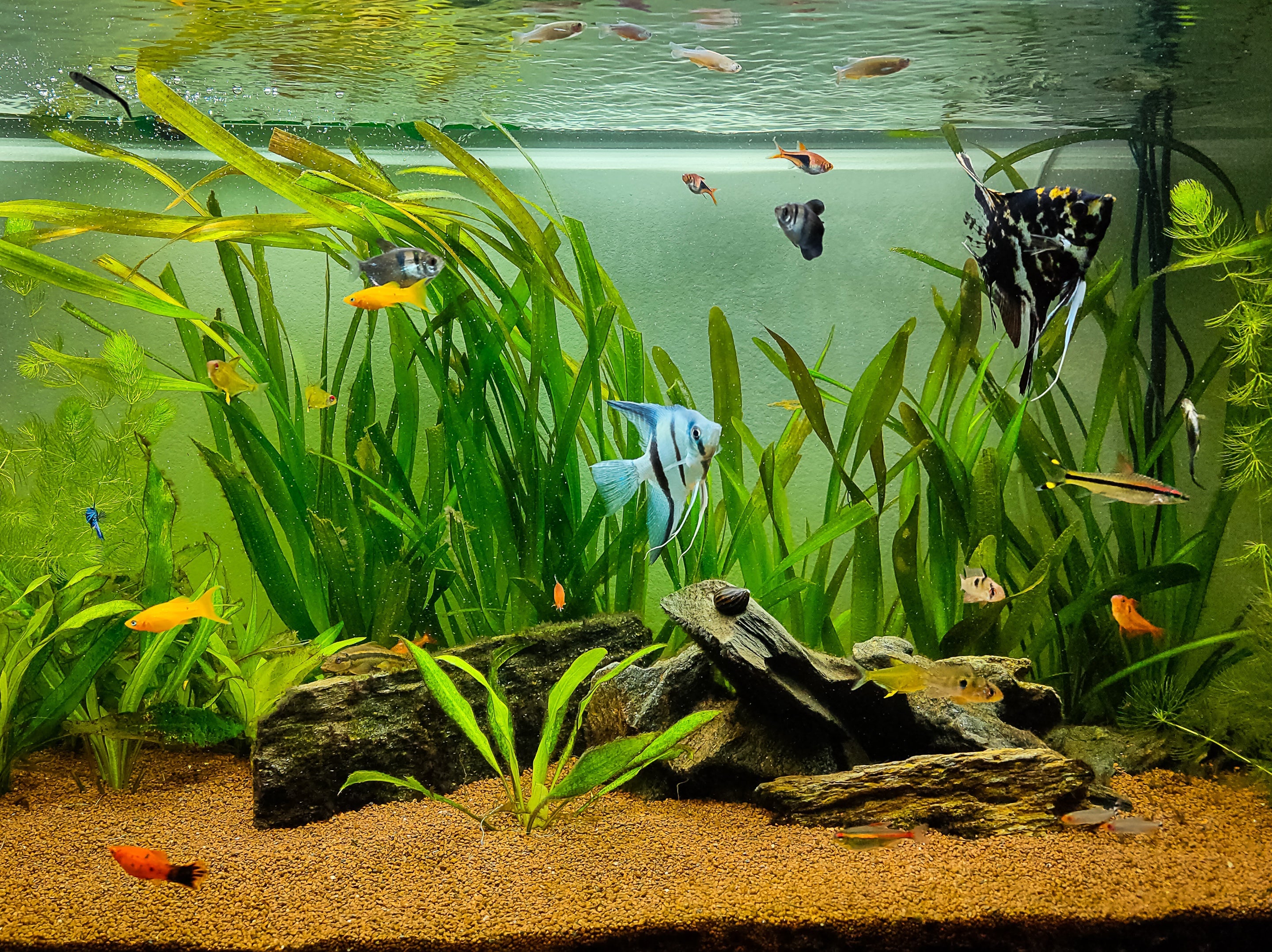
Credit: splashyfishstore.com
Frequently Asked Questions
What Is Aquascaping For Ornamental Fish Showcase?
Aquascaping is designing underwater landscapes in aquariums. It enhances fish beauty and creates a natural habitat. It combines plants, rocks, and substrates to mimic nature. This improves fish health and viewer enjoyment. Aquascaping boosts the ornamental fish display’s aesthetic appeal.
How To Choose Plants For Aquascaping?
Select plants that suit your aquarium size and lighting. Use hardy, low-maintenance species for beginners. Consider plants that provide shelter and oxygen for fish. Ensure plants complement the fish species and overall design. Proper plant choice creates a balanced, healthy aquascape.
Which Substrates Work Best For Aquascaping?
Use nutrient-rich substrates for plant growth, like aqua soil. Fine gravel or sand supports root development and aesthetics. Avoid substrates that alter water pH drastically. The substrate should suit both plants and fish needs. Good substrate promotes a thriving aquascape environment.
How Does Aquascaping Benefit Ornamental Fish Health?
Aquascaping creates natural hiding spots and reduces stress for fish. Plants improve water quality by absorbing nitrates and producing oxygen. A well-designed layout encourages natural fish behavior. It also prevents aggression by defining territories. Overall, aquascaping enhances fish well-being and longevity.
Conclusion
Creating a beautiful aquascape can boost your fish tank’s charm. It helps fish feel safe and happy in their space. Simple designs often look the best and are easier to maintain. Choose plants and decorations that suit your fish type.
Regular care keeps the tank clean and vibrant. Enjoy watching your ornamental fish swim in a peaceful, natural setting. Aquascaping brings life and color to any fish showcase. Try it and see the difference it makes!