
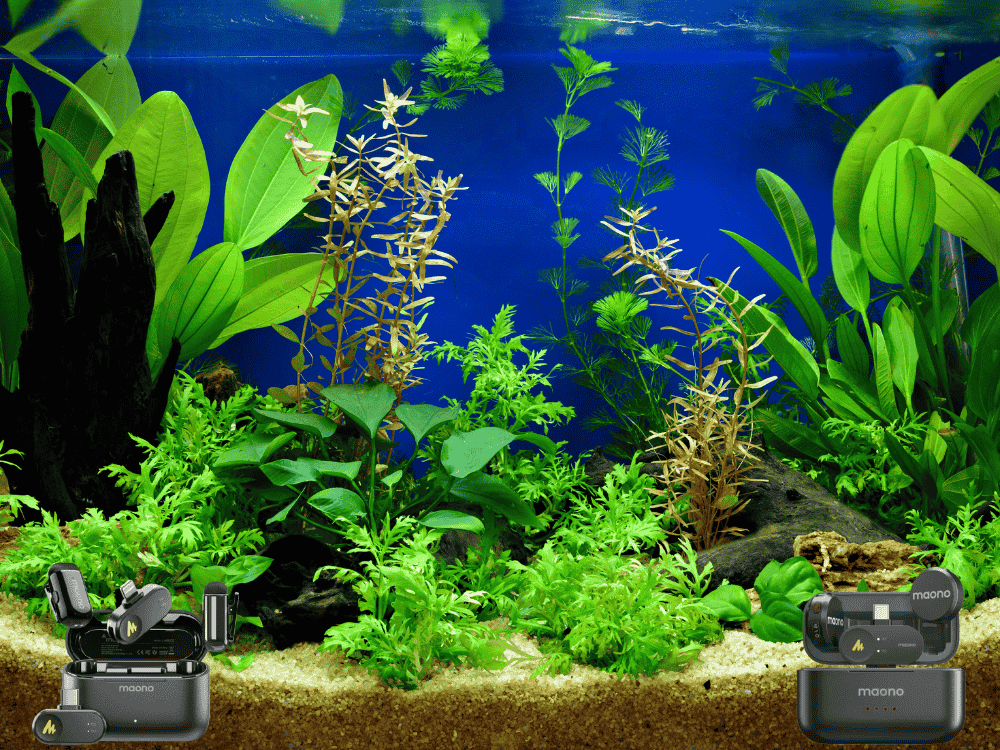
Imagine turning your aquarium into a stunning underwater masterpiece that captures everyone’s attention. Aquascaping for aesthetic display lets you do just that.
It’s not just about filling a tank with water and fish; it’s about creating a living piece of art that reflects your style and brings calm to your space. If you want to learn how to design an aquarium that’s both beautiful and soothing, keep reading.
Your perfect aquascape is closer than you think.
Credit: www.maono.com
Choosing The Right Tank
Picking the right tank is key for aquascaping. The tank sets the stage for your display.
Consider size, shape, and material to create a beautiful and lasting aquascape.
Size And Shape Options
Tank size affects the plants and fish you can keep. Shape influences design style and space use.
- Small tanks fit limited plants and fish but save space.
- Medium tanks allow diverse layouts and more life.
- Large tanks offer grand displays but need more care.
- Rectangular tanks are common and easy to decorate.
- Cube tanks give a modern look with balanced views.
- Bow front tanks add depth and curved aesthetics.
Material Considerations
Glass and acrylic are common tank materials. Each has pros and cons for aquascaping.
| Material | Advantages | Disadvantages |
| Glass | Scratch-resistant, clear view, affordable | Heavier, can break more easily |
| Acrylic | Lighter, more impact-resistant, better insulation | Scratches easily, can yellow over time |
Selecting Aquatic Plants
Choosing the right aquatic plants is key for a beautiful aquascape. Plants add color, shape, and life to your display.
Pick plants that fit your tank size and lighting. Healthy plants help keep the water clean and clear.
Popular Plant Varieties
Some plants are easy to grow and look great in many tanks. These plants suit beginners and experts alike.
- Anubias: Slow growing, low light, with broad green leaves
- Java Fern: Hardy plant, grows well on rocks or wood
- Amazon Sword: Large leaves, good for background areas
- Cryptocoryne: Variety of shapes and colors, grows slowly
- Java Moss: Great for covering surfaces and hiding small fish
Plant Placement Techniques
Where you place plants changes how the aquascape looks. Use different heights and textures to create depth.
Place tall plants in the back. Use medium plants in the middle and small ones in front. This layout shows all plants clearly.
- Group similar plants together for natural effect
- Use rocks or wood to anchor plants in place
- Leave open spaces for fish to swim freely
- Trim plants regularly to keep shape and size
- Balance green plants with colorful ones for contrast
Incorporating Hardscape Elements
Hardscape elements bring structure and style to aquascapes. They create a natural look in the aquarium.
Using the right hardscape materials helps plants and fish feel at home. It also adds depth and interest.
Using Rocks Effectively
Rocks form the backbone of many aquascapes. Choose types that fit your tank’s theme and size.
Arrange rocks in groups or layers to mimic natural landscapes. Avoid overcrowding to keep space open.
- Select rocks with smooth edges for soft looks
- Use jagged rocks to create rugged terrain
- Stack rocks carefully for stability
- Mix sizes to add depth
- Place focal rocks to draw attention
Wood And Driftwood Styles
Wood adds warmth and natural texture to aquascapes. Driftwood comes in many shapes and sizes.
Pick wood that does not change water chemistry too much. Soak wood before placing it in the tank.
- Branchy driftwood creates vertical interest
- Flat pieces form hiding spots for fish
- Curved wood adds flow and movement
- Dark wood contrasts with green plants
- Use wood with natural holes for fish shelters

Credit: buceplant.com
Creating Balanced Layouts
Balanced layouts make aquascapes look natural and pleasing. Careful planning helps arrange plants, rocks, and other elements. A good design guides the viewer’s eye smoothly across the tank.
Using simple design principles can improve your aquascape’s harmony. These principles help create a sense of order and beauty underwater.
Rule Of Thirds In Aquascaping
The rule of thirds divides the tank into nine equal parts with two vertical and two horizontal lines. Place key elements along these lines or at their intersections. This avoids centering everything and creates more interest.
- Position main plants or rocks at intersections
- Keep open spaces in other areas for balance
- Use the lines to guide where to place different elements
- Avoid placing everything in the center
Focal Points And Depth
Focal points draw attention and add interest to your aquascape. Use a unique plant, rock, or decoration as the main focus. Adding depth makes the tank look larger and more natural.
| Technique | Description |
| Foreground | Small plants or gravel to create a base |
| Midground | Medium-sized plants or rocks to build interest |
| Background | Taller plants or decorations for depth |
| Focal Point | Eye-catching feature placed off-center |
Lighting To Enhance Visual Appeal
Aquascaping is about creating beautiful underwater worlds. Lighting plays a key role in making these displays stunning. The right lighting can make colors pop and plants look lively.
Understanding different types of lighting helps in choosing the best option for your tank. You can adjust lights to support plant growth while enhancing visual appeal.
Types Of Aquarium Lighting
Different lights create different effects in aquascapes. LED lights are popular for their bright and adjustable settings. They consume less energy and last longer.
Fluorescent lights are another option. They are affordable and come in various sizes. These lights are good for beginners who want simple setups.
- LED lights: Adjustable, energy-efficient
- Fluorescent lights: Affordable, easy to find
Adjusting Light For Plant Growth
Plants need light to grow well in aquariums. Adjusting light intensity helps maintain healthy plants. Too much light can cause algae, so balance is key.
Use timers to control how long lights are on. This helps mimic natural sunlight cycles. Most plants thrive with 8 to 10 hours of light daily.
| Light Type | Intensity | Duration |
| LED | High | 8-10 hours |
| Fluorescent | Medium | 8-10 hours |

Credit: www.co2art.us
Maintaining Water Quality
Keeping water clean is key to a healthy aquascape. Good water quality ensures plants and fish thrive. Learn about filtration systems and which water parameters to monitor.
Filtration Systems
Filtration systems help remove waste and toxins from the water. They keep the environment stable and support aquatic life.
- Mechanical filters trap solid particles.
- Biological filters break down harmful substances.
- Chemical filters remove dissolved chemicals.
Water Parameters To Monitor
Monitoring water parameters helps maintain a balanced aquascape. Regular checks prevent issues that can harm plants and fish.
| Parameter | Ideal Range |
| pH Level | 6.5 – 7.5 |
| Temperature | 72°F – 78°F |
| Ammonia | 0 ppm |
| Nitrite | 0 ppm |
| Nitrate | 20 ppm or less |
Adding Aquatic Life
Aquatic life brings movement and color to your aquascape. It makes your tank look lively and natural.
Choosing the right aquatic creatures is important for a healthy, balanced environment.
Choosing Compatible Fish
Pick fish that live well together without fighting. Check their size and behavior before adding them.
Small, peaceful fish work best in most aquascapes. Avoid aggressive or very large fish.
- Neon tetras are colorful and peaceful.
- Guppies add bright colors and stay small.
- Corydoras catfish help clean the tank bottom.
- Betta fish need their own space to avoid fights.
Invertebrates And Their Roles
Invertebrates like shrimp and snails help keep your tank clean. They eat algae and leftover food.
They add interesting shapes and movements to the aquascape without crowding the space.
- Amano shrimp control algae growth well.
- Nerite snails eat algae without harming plants.
- Cherry shrimp add color and clean hard-to-reach spots.
- Mystery snails help remove debris and uneaten food.
Regular Care And Upkeep
Maintaining an aquascape requires regular care to keep plants healthy and the tank clean. Proper upkeep enhances the beauty of your aquatic display.
Consistent attention to plant growth and algae control ensures a balanced and attractive aquascape.
Pruning And Trimming Plants
Pruning helps plants grow well and keeps the aquascape neat. Remove dead or yellow leaves often. Trim plants to control their size and shape.
- Use sharp scissors or aquascaping tools
- Cut stems above a leaf node for new growth
- Remove excess growth to prevent overcrowding
- Trim slowly to avoid shocking plants
- Dispose of cuttings to avoid water pollution
Cleaning And Algae Control
Cleaning the tank regularly prevents algae buildup and keeps water clear. Check surfaces, decorations, and plants for algae.
| Cleaning Task | Frequency | Tips |
| Glass wiping | Weekly | Use algae scraper or sponge |
| Gravel vacuuming | Every 2 weeks | Remove debris without disturbing plants |
| Filter cleaning | Monthly | Rinse filter media with tank water |
| Algae removal from plants | As needed | Gently rub leaves or use algae-eating fish |
Frequently Asked Questions
What Is Aquascaping For Aesthetic Display?
Aquascaping is the art of arranging aquatic plants, rocks, and wood in an aquarium. It creates visually stunning underwater landscapes that enhance the aquarium’s beauty and mimic natural environments, making it a popular hobby for aesthetic display.
How To Start Aquascaping For Beginners?
Start with a clear plan and choose a suitable aquarium size. Select easy-to-maintain plants and simple hardscape materials. Use quality substrate and proper lighting. Research basic aquascaping styles and practice patience to achieve a balanced, attractive layout.
What Plants Are Best For Aquascaping?
Popular aquascaping plants include Java Fern, Anubias, Cryptocoryne, and Amazon Sword. These plants are easy to care for, grow well underwater, and add texture and color. Choose plants based on aquarium size, lighting, and desired aesthetic.
How Often Should I Maintain An Aquascape?
Regular maintenance includes weekly water changes of 20-30%. Trim plants every 1-2 weeks to prevent overgrowth. Clean algae off surfaces and check equipment. Consistent care keeps the aquascape healthy and visually appealing.
Conclusion
Aquascaping adds beauty and calm to any space. It lets you create a small, living work of art. Plants, rocks, and water combine to make peaceful scenes. Each tank tells its own story through design and care. Try different styles to find what you enjoy most.
Watching your aquascape grow brings joy every day. Simple steps can lead to stunning displays. Start small and build your skills over time. Enjoy the process as much as the final view. Aquascaping turns nature into a soothing, visual treat.